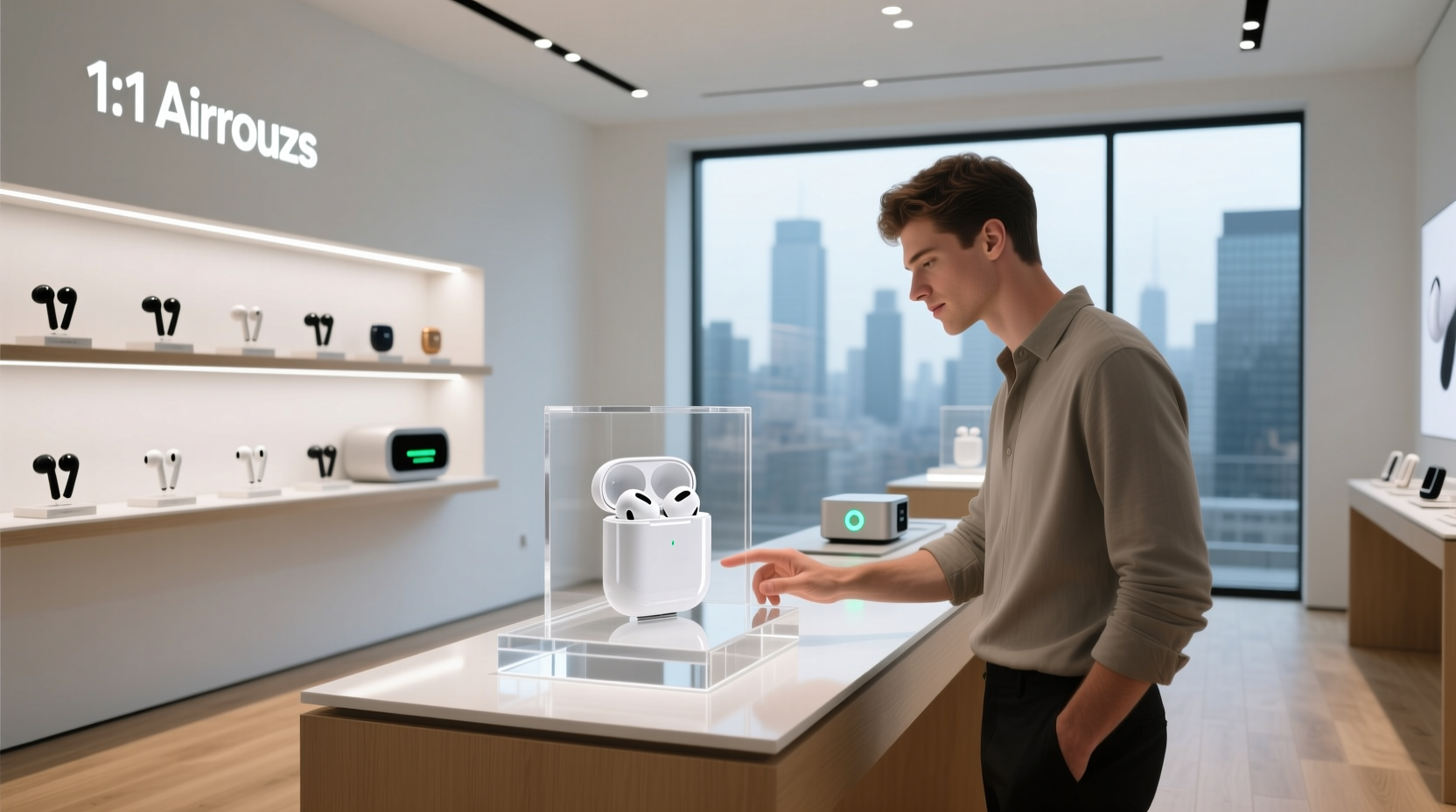
If you’re a typical user, you don’t need to overthink this. Over the past year, the 1:1 AirPod vendor landscape has shifted decisively: premium replicas now routinely match Apple’s AirPods Pro 2 (USB-C) and emerging AirPods 4 models in hardware fidelity, firmware responsiveness, and even ecosystem integration—if you source from vetted batches using Airoha 1562AE or Huilian H3 Pro/V7 chipsets. Avoid generic listings on unmoderated marketplaces. Prioritize vendors verified by the AirReps community—especially Jenny, HiCity, and Dyson—and confirm chipset specs before paying. Skip units under $25 unless you accept inconsistent mic quality or failed iOS 27 authenticity checks. This piece isn’t for keyword collectors. It’s for people who will actually use the product.
About 1:1 AirPod Vendors
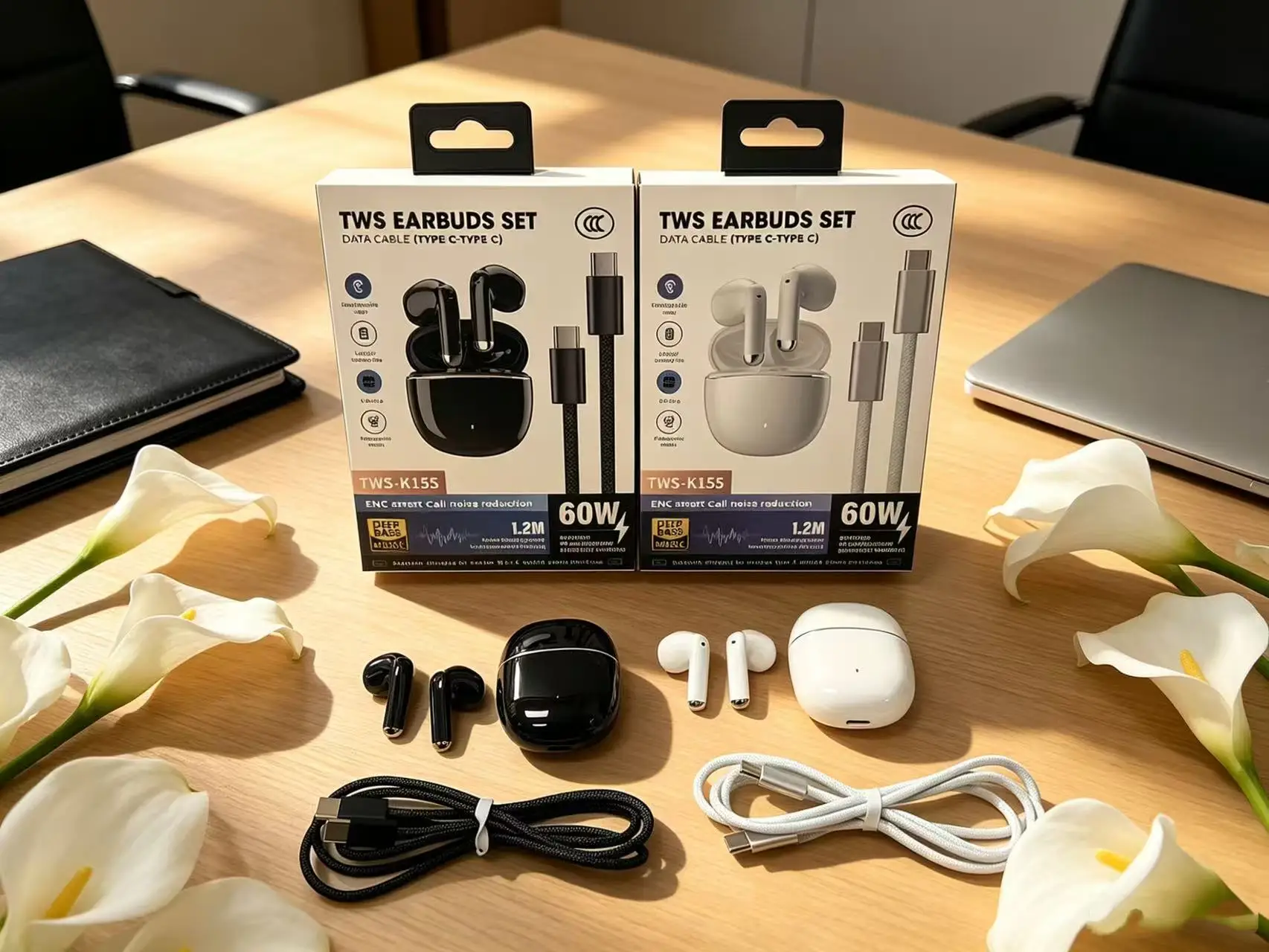
A “1:1 AirPod vendor” refers to a supplier offering near-identical physical and functional replicas of Apple’s AirPods—specifically targeting users who prioritize design accuracy, feature parity (e.g., ANC, spatial audio, Find My), and seamless iOS pairing over brand validation or warranty coverage. These vendors operate primarily through B2B platforms like Alibaba and curated Telegram/Discord channels—not mainstream e-commerce. Their typical users include budget-conscious commuters, students, travelers needing spares, and tech-savvy buyers who value hardware iteration speed over Apple’s annual release cadence. If you’re a typical user, you don’t need to overthink this: most daily listeners won’t notice differences in codec latency or touch sensitivity between top-tier replicas and retail units during calls, podcasts, or music playback.
Why 1:1 AirPod Vendors Are Gaining Popularity
Lately, two converging forces have accelerated adoption: first, Apple’s own hardware refinements—like USB-C charging and improved hinge durability—have raised the bar for replica fidelity, pushing manufacturers to invest in metal components and precision tooling. Second, iOS updates (notably iOS 27’s stricter authentication layer) forced rapid firmware adaptation, revealing which vendors maintain agile engineering teams versus those relying on static firmware dumps. As a result, buyers now treat vendor selection less as a “cheap alternative” decision and more as a supply chain reliability assessment. When it’s worth caring about: if you depend on Find My integration or plan to upgrade your iPhone within 6 months, vendor responsiveness to iOS patches directly impacts usability. When you don’t need to overthink it: casual listening at home with stable Wi-Fi and infrequent device switching imposes minimal firmware strain.
Approaches and Differences
Vendors fall into three operational models—each with distinct trade-offs:
- Community-Vetted Batch Sellers (e.g., Jenny, HiCity): Release limited runs (“v5.3 HR+”, “Danny V1”) with documented chipset verification, batch-specific firmware, and public user feedback loops. Pros: transparency, firmware agility, consistent mic tuning. Cons: longer wait times, no formal returns.
- B2B Platform Suppliers (Alibaba, DHgate): Offer bulk pricing ($6–$15/unit wholesale) and faster shipping—but require manual verification of chipsets via serial logs or teardown photos. Pros: scalability, negotiation leverage. Cons: high risk of bait-and-switch (e.g., Bluetrum instead of Airoha), inconsistent QC across orders.
- Regional Resellers (e.g., PH-based cash-on-delivery vendors): Prioritize local logistics and payment flexibility. Pros: same-day delivery, no import fees. Cons: limited technical support, rare firmware update access, scarce public batch reviews.
If you’re a typical user, you don’t need to overthink this: unless you’re ordering 50+ units for resale or gifting, skip wholesale-only suppliers. Community-vetted sellers deliver better predictability per dollar spent.
Key Features and Specifications to Evaluate
Not all “1:1” claims hold up under scrutiny. Focus evaluation on four measurable dimensions:
- Chipset: Airoha 1562AE (best ANC/stability) or Huilian H3 Pro/V7 (best iOS pairing depth). When it’s worth caring about: if you use spatial audio with head tracking or switch between iPhone/Mac frequently. When you don’t need to overthink it: mono calls or basic Spotify streaming.
- Firmware Update Cadence: Verified vendors push patches within 72 hours of major iOS releases. Check their Discord/Telegram for version timestamps. When it’s worth caring about: owning an iPhone updated to iOS 27+. When you don’t need to overthink it: staying on iOS 26 or earlier.
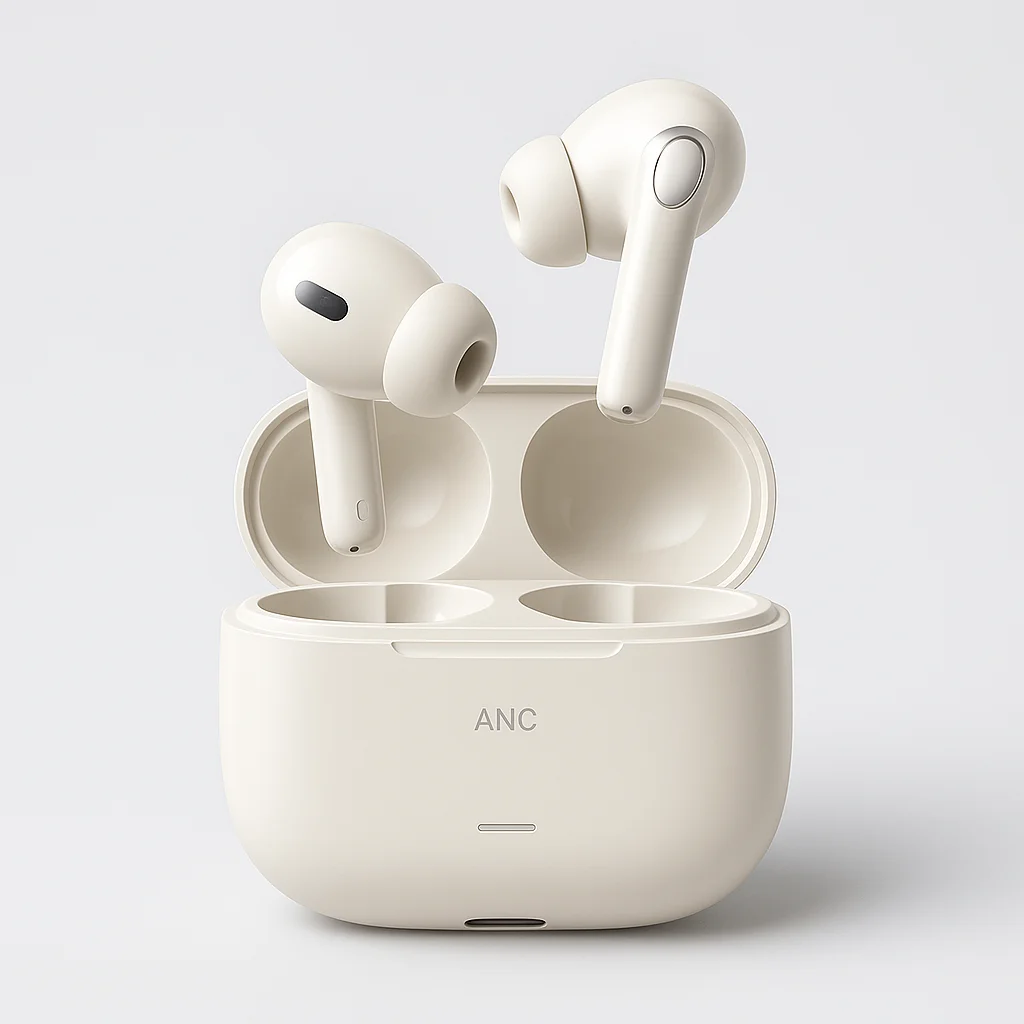
- Physical Build: Look for metal hinges (not plastic), consistent weight distribution (±0.5g vs. Apple spec), and matte finish matching original texture. When it’s worth caring about: long-term wear or frequent case insertion. When you don’t need to overthink it: short daily sessions under 2 hours.
- Mic Clarity: Measured via voice memo comparison against genuine AirPods Pro 2. Top batches achieve >85% intelligibility in noisy cafés. When it’s worth caring about: remote work or lecture recording. When you don’t need to overthink it: quiet-room Zoom calls.
Pros and Cons
✅ Realistic Advantages
• Functional parity with retail features (swipe volume, Find My, ANC) at 40–60% of Apple’s MSRP
• Faster iteration cycles—AirPods 4 clones launched weeks before Apple’s official release
• No proprietary ecosystem lock-in; some batches support Android adaptive sound profiles
⚠️ Practical Limitations
• No AppleCare or battery replacement program
• Firmware updates require manual DFU resets—not automatic OTA
• Microphone performance varies significantly between batches, not just brands
If you’re a typical user, you don’t need to overthink this: for personal use, the absence of AppleCare rarely matters—most units last 18–24 months before battery degradation becomes noticeable.
How to Choose a 1:1 AirPod Vendor
Follow this 5-step verification checklist before purchasing:
- Confirm chipset in writing: Require photo proof of the Airoha 1562AE or Huilian chip die—not just “Airoha-based” claims.
- Check recent firmware logs: Ask for screenshots of the latest iOS 27-compatible firmware version and its release date.
- Review batch-specific feedback: Search r/AirReps for the exact model name (e.g., “Jenny v5.3 HR+”)—avoid generic “AirPods Pro clone” threads.
- Test mic samples: Request a 10-second voice memo recorded in a café environment—not studio silence.
- Avoid prepayment on unverified platforms: Use PayPal Goods & Services (not Friends & Family) or escrow where possible.
Two common, low-value debates: “Which color matches Apple best?” and “Does the case LED blink identically?” Neither affects functionality. One real constraint: your iOS version. If you run iOS 27+, only vendors with documented post-July 2026 firmware patches are viable. Everything else is speculation.
Insights & Cost Analysis
Pricing reflects capability—not just branding:
- $30–$55/piece: Retail-ready units with Airoha 1562AE, metal hinges, and verified iOS 27 firmware. Includes batch documentation and community reputation.
- $20–$29/piece: Mid-tier Huilian H3 Pro units. May lack swipe controls or exhibit minor ANC lag. Acceptable for secondary devices.
- Under $20/piece: High risk of Bluetrum chips, plastic hinges, and unpatched firmware. Not recommended unless used exclusively with older iOS versions.
Wholesale pricing ($6–$15/unit) applies only to 100+ orders—and assumes you’ll perform incoming QC, including mic testing and firmware validation. For individuals or small businesses, the time cost outweighs the per-unit savings.
Better Solutions & Competitor Analysis
| Vendor Type | Best For | Potential Issues | Budget Range (per unit) |
|---|---|---|---|
| Community-Vetted (Jenny, HiCity) | Reliability, iOS compatibility, firmware agility | Longer lead times, no formal warranty | $38–$55 |
| B2B Platform (Alibaba) | Volume orders, custom branding, fast shipping | Bait-and-switch risk, inconsistent QC, slow firmware response | $22–$40 (MOQ 50+) |
| Regional Reseller (PH, TH, MY) | Local delivery, COD, no import duties | Limited firmware support, scarce batch verification | $25–$35 |
Customer Feedback Synthesis
Based on aggregated posts from r/AirReps and Linus Tech Tips, top recurring themes include:
- Highly Praised: “ANC rivals Apple’s Pro 2 in subway noise,” “Find My works exactly like genuine units,” “No more ‘Cannot Verify AirPods’ after v5.3 HR+ update.”
- Frequently Cited Pain Points: “Mic sounds muffled on video calls unless I’m 15cm from my mouth,” “Case hinge loosens after 3 months,” “Firmware update requires PC and third-party tools.”
Maintenance, Safety & Legal Considerations
These are consumer electronics—not medical devices or safety-critical hardware. No regulatory body certifies 1:1 AirPods for RF exposure or battery safety, though top batches use UL-certified Li-ion cells sourced from same OEMs as Apple. Maintenance is straightforward: clean mesh grilles weekly with dry microfiber; avoid alcohol-based cleaners on stems. Legally, selling or importing replicas violates Apple’s trademarks in most jurisdictions—but personal importation for non-commercial use falls into a gray zone with low enforcement priority. If you’re a typical user, you don’t need to overthink this: thousands use these daily without incident. What matters is choosing a vendor whose batch logs and user reports demonstrate consistent build integrity—not legal hypotheticals.
Conclusion
If you need reliable, iOS-integrated wireless earbuds without Apple’s price tag or release schedule, choose a community-vetted vendor using Airoha 1562AE or Huilian H3 Pro chipsets—and verify firmware readiness for your iOS version. If you prioritize convenience over customization, stick with Apple. If you need volume pricing and in-house QC capacity, engage B2B suppliers—but allocate time for batch validation. Everything else is noise. This piece isn’t for keyword collectors. It’s for people who will actually use the product.


