Over the past year, the phrase “1 dollar phone” has surged in B2B procurement dashboards and emerging-market rollout plans — but not because hardware now costs $1. It’s because businesses are finally confronting the gap between marketing language and real-world device economics. If you’re a typical user sourcing budget phones for fleet deployment, digital inclusion programs, or employee distribution: don’t buy a $1 phone — buy a $25–$49 certified refurbished smartphone or a $4.70–$5.30 4G feature phone, depending on your use case. The “$1” label almost always signals carrier financing (with $2,000+ hidden TCO) or government-subsidized deposit schemes (e.g., Jio’s $18 refundable deposit). When it’s worth caring about network band compatibility (LTE Band 12/13/71), battery health, or VoLTE certification — yes, dig in. When you’re just provisioning backup units for warehouse staff? If you’re a typical user, you don’t need to overthink this.
About the “1 Dollar Phone”
The term “1 dollar phone” is not a product category — it’s a pricing signal representing three distinct realities: (1) carrier-subsidized flagship smartphones sold at $1 upfront with mandatory 36-month service contracts; (2) ultra-low-cost feature phones priced as low as $4.50 in bulk B2B orders; and (3) government- or telco-led digital inclusion devices (like India’s JioPhone or Jio Bharat) deployed via refundable deposits or bundled data plans12. None of these are standalone $1 retail items. For B2B buyers, the real question isn’t “How do I get a $1 phone?” — it’s “What functional outcome do I need, and what hardware delivers that at sustainable cost and compatibility?”
Why “1 Dollar Phones” Are Gaining Popularity
Lately, demand for ultra-budget mobile hardware has intensified — not due to falling component costs, but because of two converging forces: network sunset pressure and scaling digital access. As U.S. carriers phase out 2G and 3G networks, organizations managing large device fleets (schools, logistics firms, NGOs) must replace legacy handsets before connectivity fails. Simultaneously, governments and telecom operators in India, Nigeria, and Indonesia are deploying sub-$15 4G devices to onboard first-time internet users — making “effectively free” hardware a policy lever, not just a sales tactic3. This dual push means more procurement teams are evaluating entry-level hardware — and discovering how easily “low price” becomes “high risk” without technical due diligence.
Approaches and Differences
Three primary approaches dominate the “$1 phone” landscape — each with non-negotiable trade-offs:
- Carrier-subsidized flagships (e.g., iPhone 14 or Galaxy S23 for $1): Low upfront cost, high long-term cost. Requires multi-year plan lock-in; early termination triggers full MSRP repayment. Ideal only for enterprises already committed to that carrier’s ecosystem and service tiers.
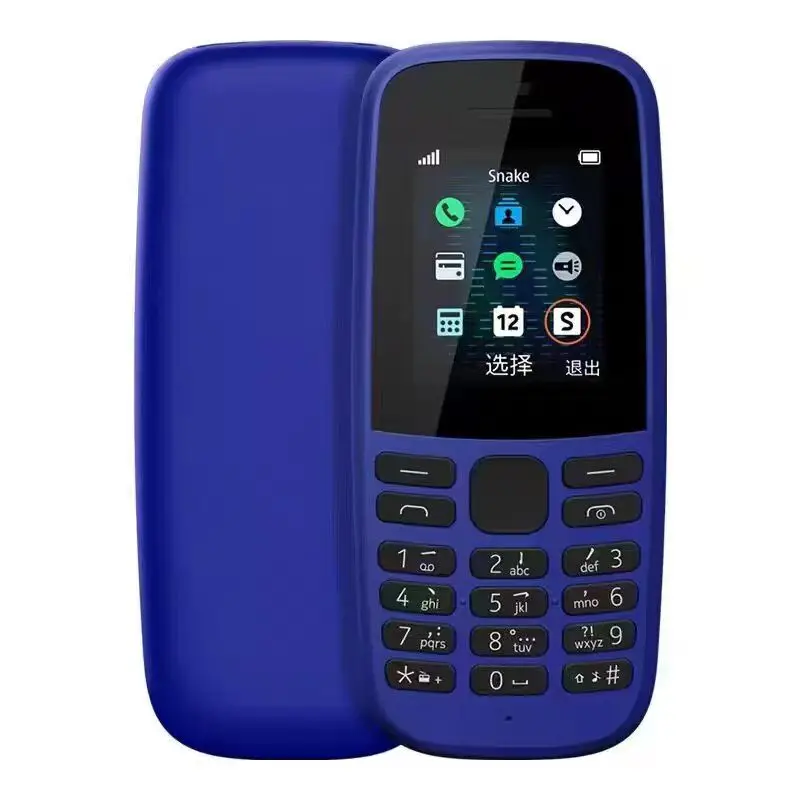
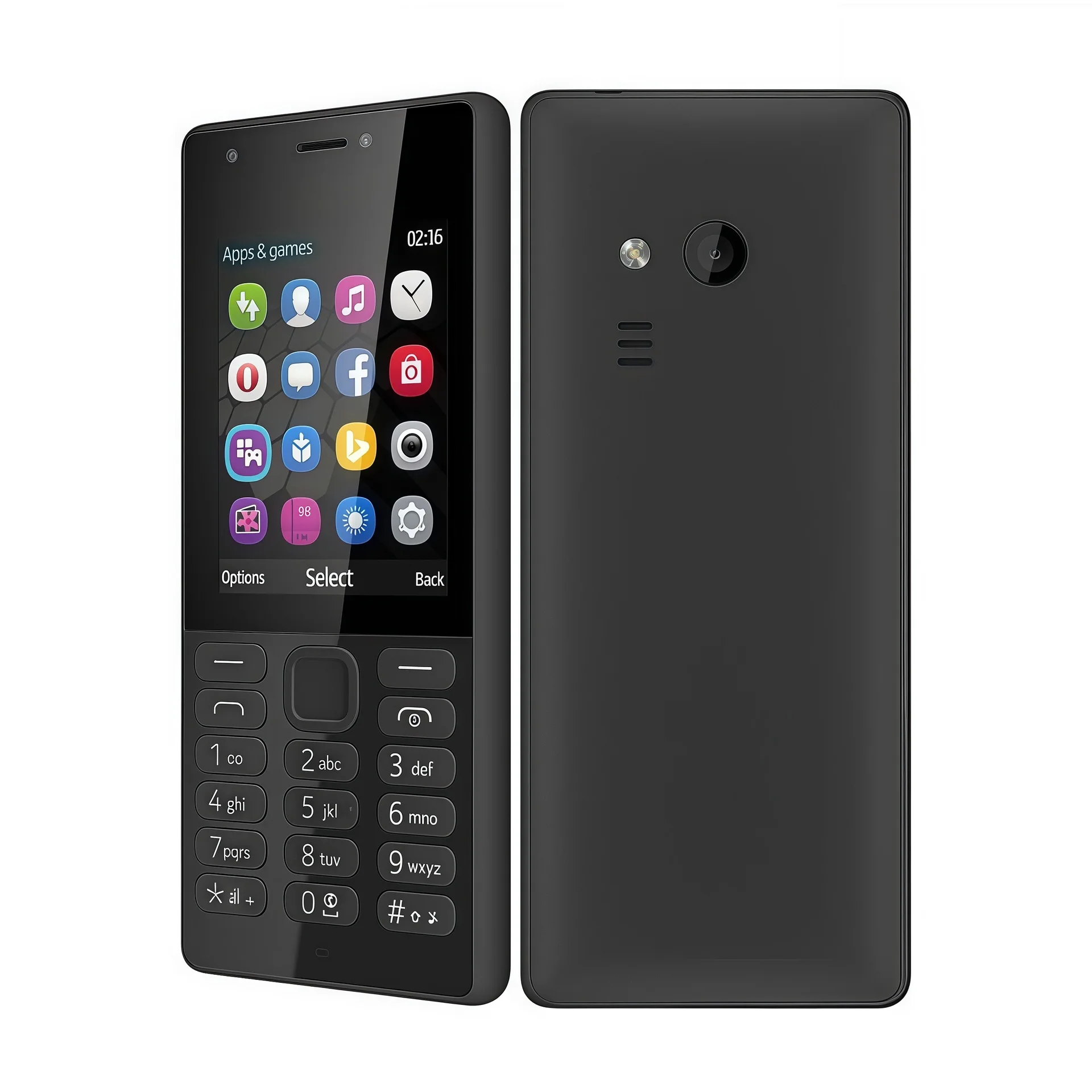
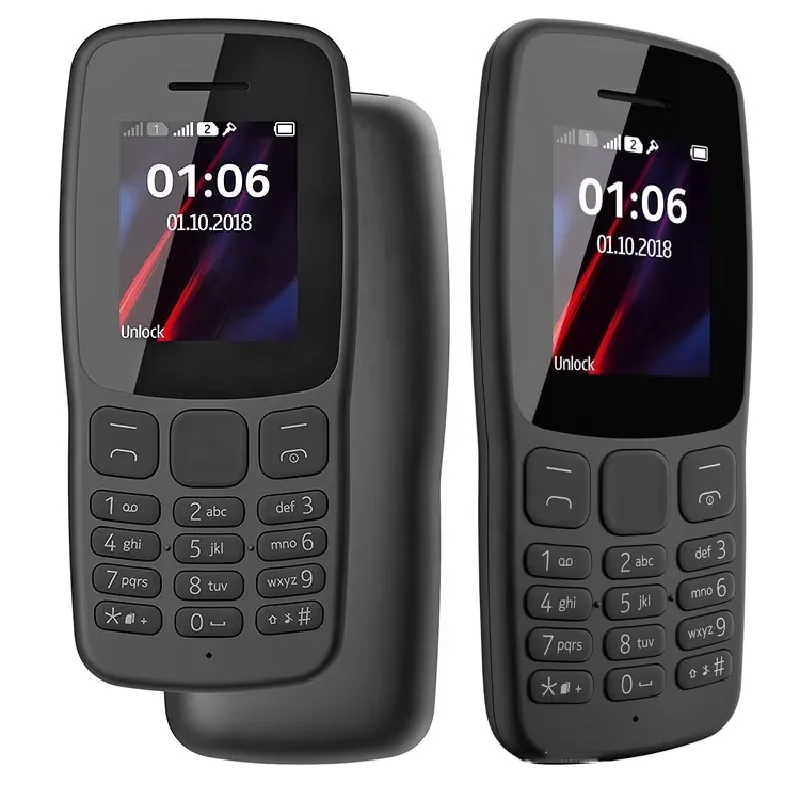
- Ultra-budget feature phones ($4.50–$10): Physical keypad, dual-SIM, FM radio, flashlight, 1.77" screen. No app ecosystem — but highly durable, 12+ month battery life, and immune to OS obsolescence. Best for basic voice/SMS, senior users, or rugged environments.
- Certified refurbished smartphones ($25–$49): Android 8–10, 32GB storage, 4G LTE, touchscreen. Battery health and screen quality vary by supplier — verification is mandatory. Delivers modern UX for business apps (email, scanning, internal tools) at ~70% below new mid-tier pricing.
When it’s worth caring about software update cadence or app compatibility: choose refurbished smartphones. When you’re issuing devices to field technicians who need only call, SMS, and GPS location sharing: if you’re a typical user, you don’t need to overthink this — go feature phone.
Key Features and Specifications to Evaluate
Forget “$1.” Focus on four technical anchors:
- LTE Band Support: In North America, verify Band 12 (700 MHz), Band 13 (700 MHz), and Band 71 (600 MHz) — the most common failure point for globally sourced $5–$10 units4. Without them, devices won’t register on Verizon, AT&T, or T-Mobile post-2024.
- Voice over LTE (VoLTE): Required for voice calls on modern networks. FCC certification is a strong proxy — but test with a local SIM before bulk order.
- Battery Health: For refurbished units, request cycle count or capacity % (≥80% is acceptable). For feature phones, look for removable batteries — enabling easy replacement.
- OS & Security Patch Status: Refurbished Android devices should ship with security patches dated within 12 months. Avoid units stuck on Android 7 or earlier — no Google Play Services, no enterprise MDM enrollment.
When it’s worth caring about VoLTE certification: every time you source outside North America. When you’re buying 500 units for a closed-loop internal comms system on a private LTE band? If you’re a typical user, you don’t need to overthink this.
Pros and Cons
Each approach serves specific outcomes — and fails predictably outside them:
- Carrier $1 deals: ✅ Seamless activation, bundled support. ❌ $2,000+ extra over 3 years vs. MVNO plans; zero hardware flexibility.
- Sub-$10 feature phones: ✅ Near-zero TCO, 3–5 year hardware lifespan, no update anxiety. ❌ No email, no web browsing, no QR scanning — unusable for modern workflows.
- $25–$49 refurbished smartphones: ✅ Full Android functionality, MDM-ready, supports business-critical apps. ❌ Requires vetting for battery/screen quality; no warranty standardization across suppliers.
This piece isn’t for keyword collectors. It’s for people who will actually use the product.
| Category | Best For | Potential Pitfalls | Budget Range (USD) |
|---|---|---|---|
| Carrier $1 Flagship | Enterprises locked into one carrier’s service stack | Hidden $2,000+ TCO; early cancellation penalties; no device portability | $1 + $30–$50/mo plan premium |
| 4G Feature Phone | Backup units, seniors, field staff needing only voice/SMS | No app support; incompatible with 2G sunsets if not 4G-certified | $4.50 – $10.50 (bulk MOQ 100+) |
| Certified Refurbished Smartphone | Employee productivity, light business apps, digital onboarding | Inconsistent battery health; variable screen condition; patch gaps | $25.00 – $49.00 (tested, graded units) |
How to Choose a 1 Dollar Phone — A Practical Decision Guide
Follow this 5-step checklist — and skip steps only when your use case is narrow and well-defined:
- Define the core task: Is it voice-only? SMS + location sharing? Email + internal web apps? Match the device tier to the minimum required function — not the headline price.
- Verify network bands: Request spec sheets showing supported LTE bands. Test one unit with a local prepaid SIM before ordering 100+.
- Require proof of refurbishment grading: For smartphones, ask for battery capacity %, screen grade (A/B/C), and last security patch date — not just “tested.”
- Avoid “unlocked but uncertified” imports: FCC or CE marking isn’t optional for U.S./EU deployment. Devices lacking it may be blocked or blacklisted.
- Calculate 3-year TCO: Include device cost, plan cost, support labor, and replacement rate. A $5 feature phone used 5 years costs less than a $1 phone tied to a $45/mo plan.
The two most common ineffective debates? “Which brand is cheapest?” (irrelevant — specs and bands matter more) and “Should we wait for next year’s model?” (no meaningful upgrade under $15). The one constraint that actually moves the needle? Network band compatibility — it’s binary. Either it works, or it doesn’t.
Insights & Cost Analysis
Real-world B2B benchmarks (2024, verified wholesale platforms):
• Basic 4G feature phones: $4.70–$5.30/unit (MOQ 100)
• Certified refurbished Galaxy A21/A31: $25.20–$33.80/unit (battery ≥85%, screen Grade A)
• JioPhone-style 4G entry smartphones: $10.20–$14.90/unit (India-sourced, limited global band support)
• Carrier $1 iPhone 14: $1 upfront + $2,124 over 36 months (based on $65/mo plan vs. $35/mo MVNO alternative)5.
ROI favors unlocked hardware paired with MVNOs: Two lines on Visible or Mint save ~$2,000 over three years versus carrier contracts — even after paying $30–$40 more upfront per device.
Better Solutions & Competitor Analysis
Instead of chasing “$1,” shift focus to total deployment readiness:
- For scale + simplicity: Pre-configured 4G feature phones with custom firmware (e.g., SMS-to-email gateways pre-installed).
- For security + manageability: Refurbished Samsung Galaxy A-series units with Knox Configure support — enabling zero-touch enrollment.
- For emerging markets: Jio Bharat V2 or similar $12 devices — designed for 4G VoLTE on Band 5/40/41, with localized UI and offline-first apps.
Competing solutions like Freedom 251 (6) failed not on price, but on delivery, certification, and post-launch support — underscoring that hardware cost is only one node in a reliable deployment chain.
Customer Feedback Synthesis
From procurement managers and NGO tech leads (2023–2024):
✅ Top praise: “Battery lasts 3 weeks on feature phones,” “Refurbished A31 handles our asset-tracking app flawlessly,” “JioPhone Next got 12,000 field agents online in 6 weeks.”
❌ Top complaint: “Bought 200 $6 phones from Alibaba — 60% failed Band 12 registration on AT&T,” “Refurbished unit arrived with cracked screen despite ‘Grade A’ claim,” “No documentation on how to disable bloatware on carrier-branded $1 device.”
Maintenance, Safety & Legal Considerations
All devices must comply with regional radio regulations (FCC in U.S., CE in EU, BIS in India). Non-compliant imports risk seizure or carrier blocking. For refurbished units, confirm supplier provides at least 90-day hardware warranty — and clarify whether battery replacement is covered. No device under $15 includes modern encryption standards (e.g., Android’s File-Based Encryption); avoid storing sensitive credentials on ultra-budget hardware. Physical safety is rarely an issue — but verify battery certification (UN38.3, IEC 62133) for bulk shipments.
Conclusion
If you need reliable voice/SMS for 500 field staff with no app requirements: choose a $4.70–$5.30 4G feature phone — and test Band 12/13/71 first.
If you need email, internal tools, and basic web access for remote employees: invest in $25–$49 certified refurbished smartphones — and verify battery health and patch status.
If you’re offered a $1 flagship: calculate the full 3-year TCO, compare against unlocked hardware + MVNO, and only proceed if your carrier contract delivers unique SLAs you can’t replicate elsewhere.
There is no universal “best” $1 phone. There is only the right tool — matched precisely to your operational need, network environment, and total cost horizon.


