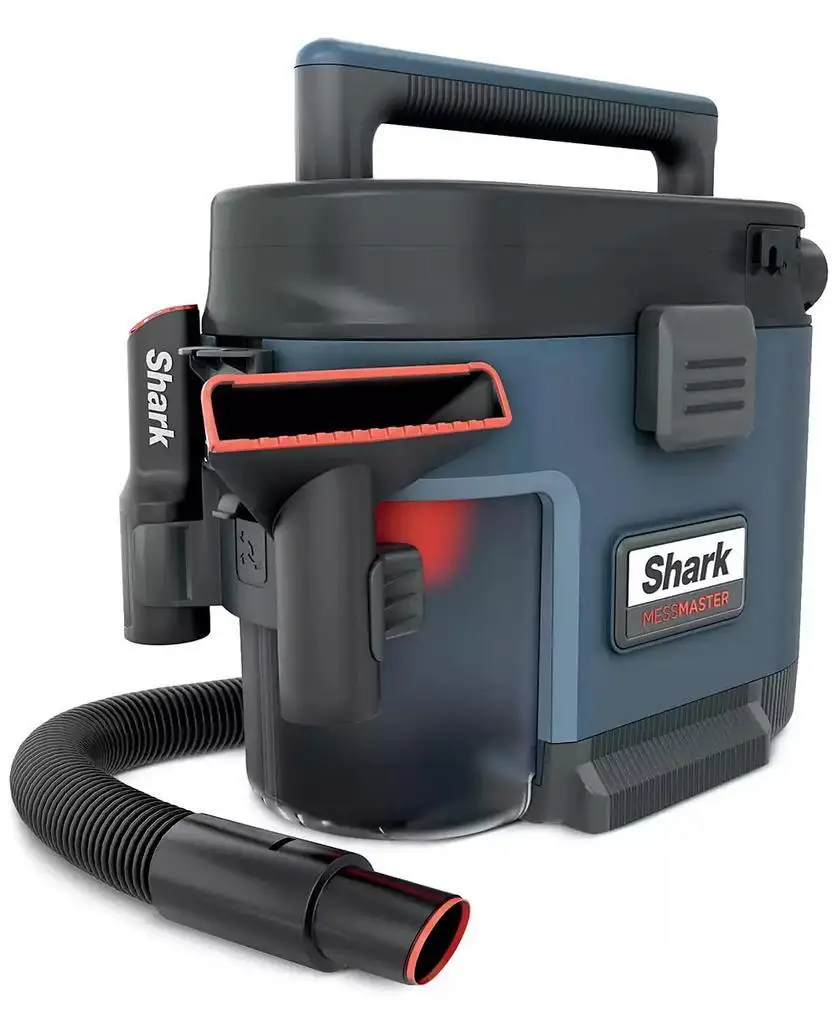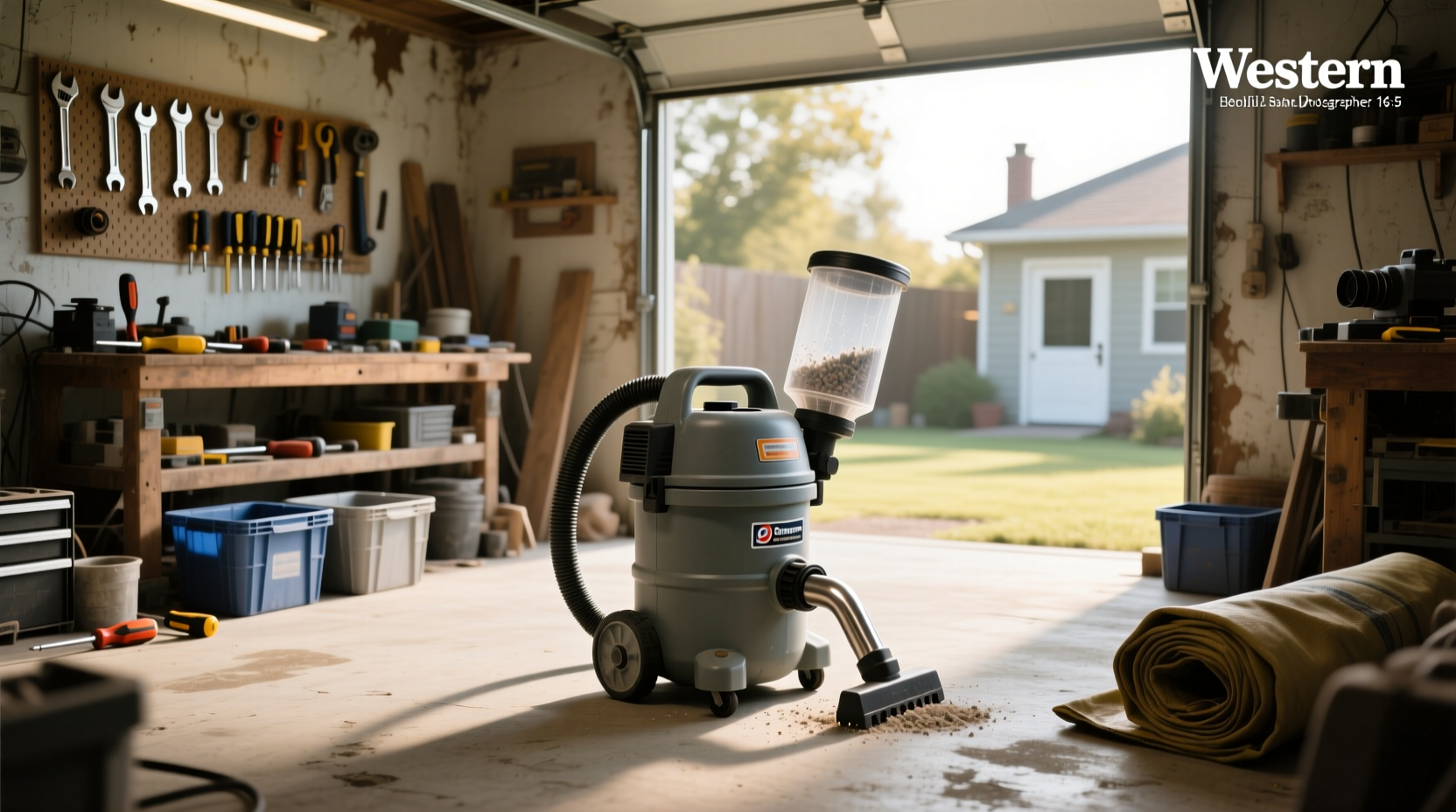
Over the past year, the 1-gallon shop vac category has shifted decisively toward cordless operation, HEPA filtration, and lunchbox-style compactness—driven by urban DIYers, car detailers, and small-space workshop owners. If you’re a typical user, you don’t need to overthink this: choose cordless if you clean vehicles or move between rooms; choose corded only if you’ll use it daily near an outlet and prioritize runtime over mobility. For fine dust (drywall, sawdust), skip models without replaceable HEPA filters—even at 1 gallon. And ignore peak HP claims: water lift (inH2O) matters more for wet spills; CFM matters more for dry debris. This piece isn’t for keyword collectors. It’s for people who will actually use the product.
About 1-Gallon Shop Vacs: Definition & Typical Use Cases
A 1-gallon shop vacuum is a compact, portable wet/dry vacuum designed for targeted cleanup—not full-shop debris removal. Its capacity (≈3.8 L) fits under benches, in toolboxes, or behind car seats. Unlike 6–16 gallon industrial units, it trades tank volume for agility and storage efficiency.
Typical users include:
- 🚗 Car detailers: Removing damp floor mats, vacuuming cup holders, extracting spilled coffee or soda from upholstery.
- 🏠 New homeowners & renters: Managing drywall dust after minor renovations, cleaning baseboards, or sucking up pet hair from stairs.
- 🔧 Hobbyists & makers: Clearing solder flux residue, collecting wood shavings from benchtop routers, or managing epoxy spills in small workshops.
- 🚲 Bike & garage enthusiasts: Vacuuming chain lube overspray, cleaning air filters, or extracting oil from drain pans.
It’s not built for continuous use on large concrete floors or heavy gravel. If your primary task involves emptying 50 lbs of sawdust or draining a flooded basement, step up to a 3–6 gallon model. But for how to manage frequent, low-volume messes efficiently, the 1-gallon size delivers unmatched situational utility.
Why 1-Gallon Shop Vacs Are Gaining Popularity
Lately, three converging forces have elevated the 1-gallon segment beyond niche status:
- ⚡ The cordless wave: Battery platforms (18V/20V) now deliver enough suction—up to 82 inH2O—for most light-to-moderate wet/dry tasks. No more tripping over cords in tight garages or dragging extension cables across driveways 1.
- 🧼 HEPA hygiene awareness: With ~38% of households now prioritizing allergen control—even in shop tools—1-gallon models with certified HEPA filters (capturing ≥99.97% of particles ≥0.3 µm) are no longer premium extras but baseline expectations for indoor use 2.
- 📦 “Lunchbox” spatial logic: Urban dwellers and apartment-based makers lack floor space. Stackable, wall-mountable, or toolbox-integrated designs let users treat the vac like a power tool—not furniture. This isn’t just convenience; it’s behavioral adoption. If it doesn’t fit, it won’t get used.
Search interest peaks each August—a strong signal that summer home projects drive discovery. That timing also aligns with back-to-school prep (cleaning dorm rooms) and pre-fall garage organization cycles.
Approaches and Differences: Corded vs. Cordless
The first major decision isn’t “which brand?”—it’s “corded or cordless?” Each approach solves distinct problems—and introduces new constraints.
✅ When it’s worth caring about: You regularly clean inside vehicles, move between rooms, or work in outlets-poor spaces (e.g., sheds, basements, RVs). Cordless eliminates setup friction and physical hazard.
❌ When you don’t need to overthink it: You plug into the same outlet every time, run the vac for >15 minutes per session, and never move it more than 3 feet. A corded unit will outperform and outlast any battery-powered alternative in those conditions.
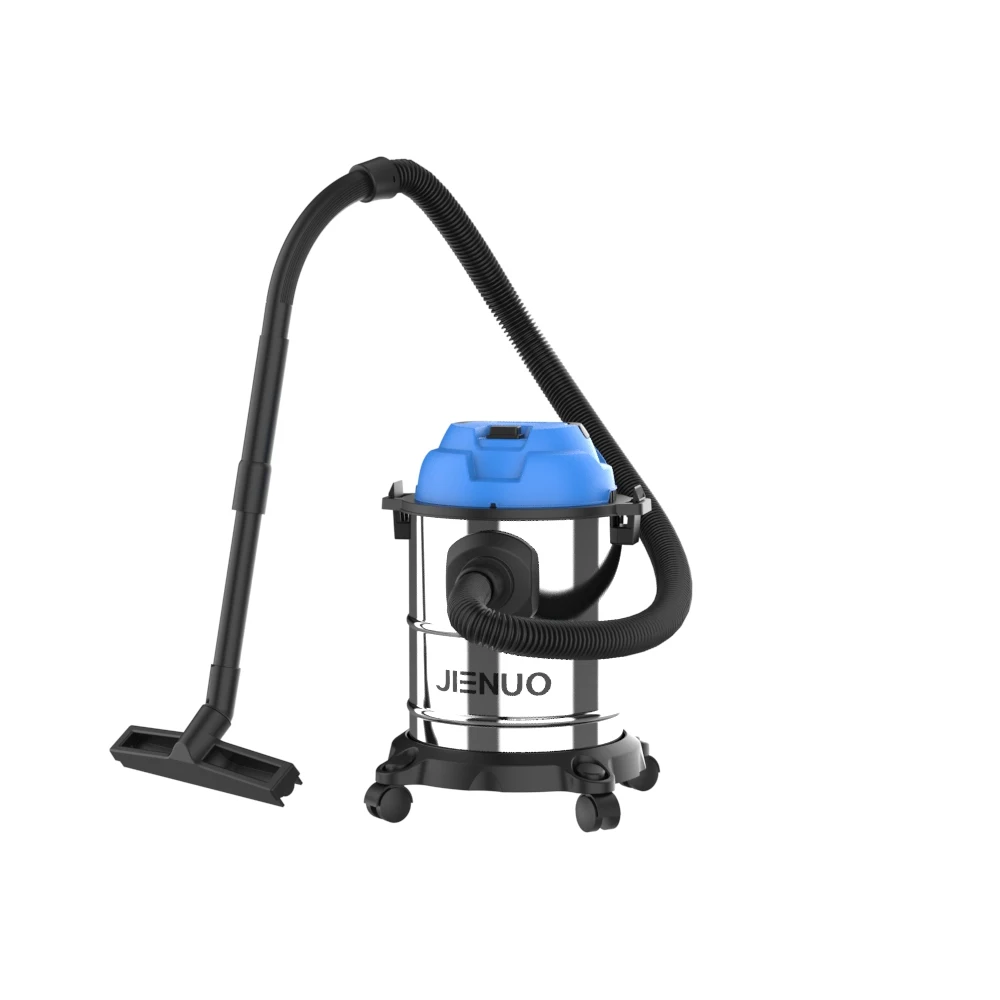
Corded 1-Gallon Models
Pros: Consistent suction, zero runtime anxiety, lower upfront cost ($35–$60), simpler maintenance.
Cons: Limited mobility, cord management overhead, outlet dependency, higher trip risk in cluttered spaces.
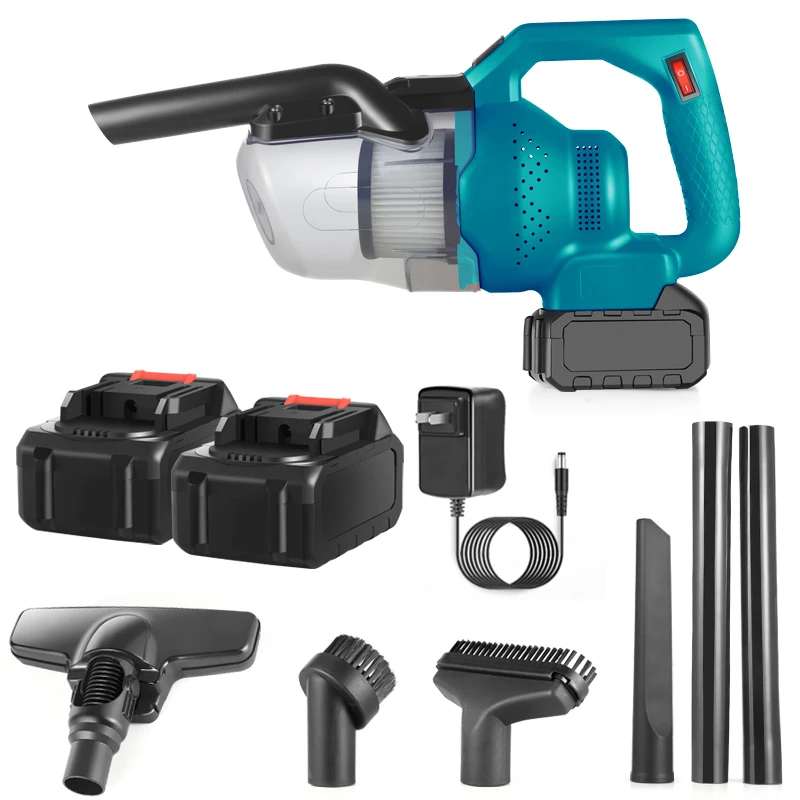
Cordless 1-Gallon Models
Pros: True portability, one-handed operation, safer around water or moving parts, easy vehicle access.
Cons: Runtime limits (15–25 min typical), battery degradation over 2–3 years, $20–$50 premium, recharge downtime.
If you’re a typical user, you don’t need to overthink this: buy cordless unless you’ve confirmed—over 3+ sessions—that you always stay within 6 feet of an outlet and run >20 minutes continuously.
Key Features and Specifications to Evaluate
Marketing specs can mislead. Focus on these four measurable criteria—and know when each truly matters.
- Water Lift (inH2O): Measures suction strength for liquids. Critical for wet spills, coolant, or sticky residues. Look for ≥50 inH2O (Shark MessMaster hits 82 inH2O).
When it’s worth caring about: You routinely extract standing water, oily fluids, or thick slurry.
When you don’t need to overthink it: You only handle dry dust or light dampness—CFM matters more. - Airflow (CFM): Measures volume of air moved per minute. Dictates speed for dry debris (sawdust, crumbs, pet hair). Aim for ≥25 CFM.
When it’s worth caring about: You vacuum fine powders or lightweight particulates daily.
When you don’t need to overthink it: You mostly pick up loose screws, cereal, or sand—lower CFM still works. - Filtration System: HEPA is non-negotiable for indoor dry use. Check filter type (pleated paper vs. foam), replacement cost ($8–$15), and whether it’s washable.
When it’s worth caring about: You’re sensitive to dust, work indoors, or cut drywall/masonry.
When you don’t need to overthink it: You only use it outdoors or for coarse debris like gravel or leaves. - Storage Integration: Wall brackets, hose wrap hooks, or onboard accessory docks reduce footprint. Not a performance spec—but directly impacts usage frequency.
When it’s worth caring about: Your workspace is ≤100 sq ft or you store tools vertically.
When you don’t need to overthink it: You have open floor space and keep accessories in a separate bin.
Pros and Cons: Balanced Assessment
Pros of 1-Gallon Shop Vacs:
- ✅ Fits where larger vacs can’t: under sinks, in trunks, inside cabinets
✅ Faster deployment—no hose unspooling or wheel alignment
✅ Lower noise profile (typically 65–72 dB vs. 75–80 dB for larger units)
✅ Easier to clean and maintain (smaller bin, fewer parts)
Cons & Limitations:
- ❌ Frequent emptying needed for anything beyond spot cleanup
❌ Lower continuous-duty motor ratings—avoid >10 min sustained use without cooling breaks
❌ Fewer accessory options (e.g., no wide crevice tools or extension wands standard)
❌ Limited compatibility with standard 2.5" shop vac hoses—many use proprietary 1.25" fittings
They excel at *frequency*, not *scale*. Think “10x/day for 60 seconds” — not “1x/week for 30 minutes.”
How to Choose a 1-Gallon Shop Vac: Step-by-Step Decision Guide
Follow this sequence—not in order of preference, but in order of consequence:
- Confirm your primary use case: Wet-only? Dry-only? Mixed? If wet use dominates, prioritize water lift + sealed HEPA bin. If dry dominates, prioritize CFM + filter seal integrity.
- Map your power infrastructure: Count accessible outlets in your top 3 usage zones. If ≤1 outlet covers >80% of use, corded is viable. If you move across zones, cordless wins.
- Verify HEPA compliance: Look for “certified HEPA” (not “HEPA-type” or “HEPA-like”). Check manufacturer specs for test standard (e.g., IEST-RP-CC001.3).
- Test storage fit: Measure your intended mounting or stowage location. Then compare against product dimensions—including hose and accessory length when extended.
- Avoid these traps:
- Peak HP claims (meaningless for 1-gallon motors)
- “All-in-one” kits with flimsy plastic accessories
- Non-replaceable filters (they clog fast and kill suction)
- Models missing a drain plug (makes wet-emptying messy)
Insights & Cost Analysis
Pricing clusters tightly in 2026:
- Budget tier ($30–$45): Basic corded units (e.g., Shop-Vac 1-Gallon Micro). Reliable for dry-only, occasional use. No HEPA, minimal accessories.
- Mid-tier ($55–$85): Cordless HEPA models (e.g., Shark MessMaster, Ryobi P723). Include battery, charger, 2–3 attachments, rinseable bin.
- Premium tier ($90–$120): Ridgid or Craftsman 2.5–3 gal “compact pro” models. Overkill for pure 1-gallon needs—but justified if you anticipate scaling up soon.
Value isn’t just price—it’s cost per use. A $75 cordless unit used 3x/week for 3 years costs ≈$0.48/session. A $40 corded unit used once/month costs ≈$1.10/session. Frequency drives ROI—not headline price.
Better Solutions & Competitor Analysis
For many users, stepping slightly outside the strict 1-gallon boundary yields better long-term utility. Here’s how alternatives compare:
| Solution Type | Best For | Potential Problem | Budget Range |
|---|---|---|---|
| 1-Gallon Cordless (e.g., Shark MessMaster) | Max portability, car detailing, allergy-sensitive homes | Limited runtime; battery replacement cost after 2 years | $65–$85 |
| Shop-Vac 1-Gallon Micro (corded) | Budget-conscious light-duty use, fixed-location cleanup | No HEPA; fragile plastic housing; poor wet pickup | $35–$45 |
| Ridgid 3-Gallon (corded) | Pro-level suction in compact form; durable hose lock system | Heavier (8.2 lbs); less “grab-and-go” than true 1-gallon units | $89–$109 |
| Craftsman 2.5-Gallon (corded) | High-CFM dry debris; car interior deep-cleaning | Inconsistent build quality on sub-$70 models; weak HEPA options | $69–$89 |
Customer Feedback Synthesis
Based on aggregated reviews (TechGearLab, Wirecutter, ProToolReviews, Reddit r/Tools), top recurring themes:
- ✅ Most praised:
- “Fits in my trunk and cleans my SUV in under 90 seconds” (cordless users)
- “HEPA filter actually stopped my wife’s sneezing during drywall sanding”
- “Wall-mount bracket means it’s always ready—no digging in the closet”
- ❌ Most complained about:
- “Battery died after 18 months—replacement cost $32, same as new unit”
- “Filter clogs after 3–4 drywall sessions; no warning indicator”
- “Hose disconnects mid-use on cheaper models—Ridgid’s locking system fixes this”
Note: Complaints cluster around battery longevity and filter maintenance—not core suction performance. That signals maturity: the tech works; durability and serviceability are the current bottlenecks.
Maintenance, Safety & Legal Considerations
No certifications (UL, ETL) are mandatory for 1-gallon shop vacs in North America—but reputable brands self-certify. Always check for:
- UL 1021 listing (fire safety for motor housing)
- CE marking (if imported, indicates basic EMC/safety compliance)
- Warranty terms: Minimum 2-year limited warranty is standard; 3+ years signals confidence.
Maintenance essentials:
- Empty bin after every wet use—never let slurry dry inside.
- Rinse foam filters weekly; replace paper HEPA filters every 3–6 months with regular use.
- Inspect hose for cracks or kinks monthly—especially near couplings.
- Store cordless units at 40–60% charge if unused >2 weeks.
Safety note: Never use a non-HEPA 1-gallon vac for mold remediation, asbestos, or lead dust—regardless of claims. Those require industrial-grade containment and filtration.
Conclusion
If you need portability first, choose a cordless 1-gallon model with certified HEPA and ≥70 inH2O water lift—like the Shark MessMaster.
If you need reliability on a budget, go corded with the Shop-Vac 1-Gallon Micro—but add a third-party HEPA filter kit if using indoors.
If you need more capacity without losing compactness, step up to the Ridgid 3-Gallon: it bridges the gap between micro-portability and pro-grade suction.
There’s no universal “best.” There’s only the best match for your workflow, space, and frequency. Prioritize what changes your behavior—not what looks impressive on a spec sheet.
Frequently Asked Questions