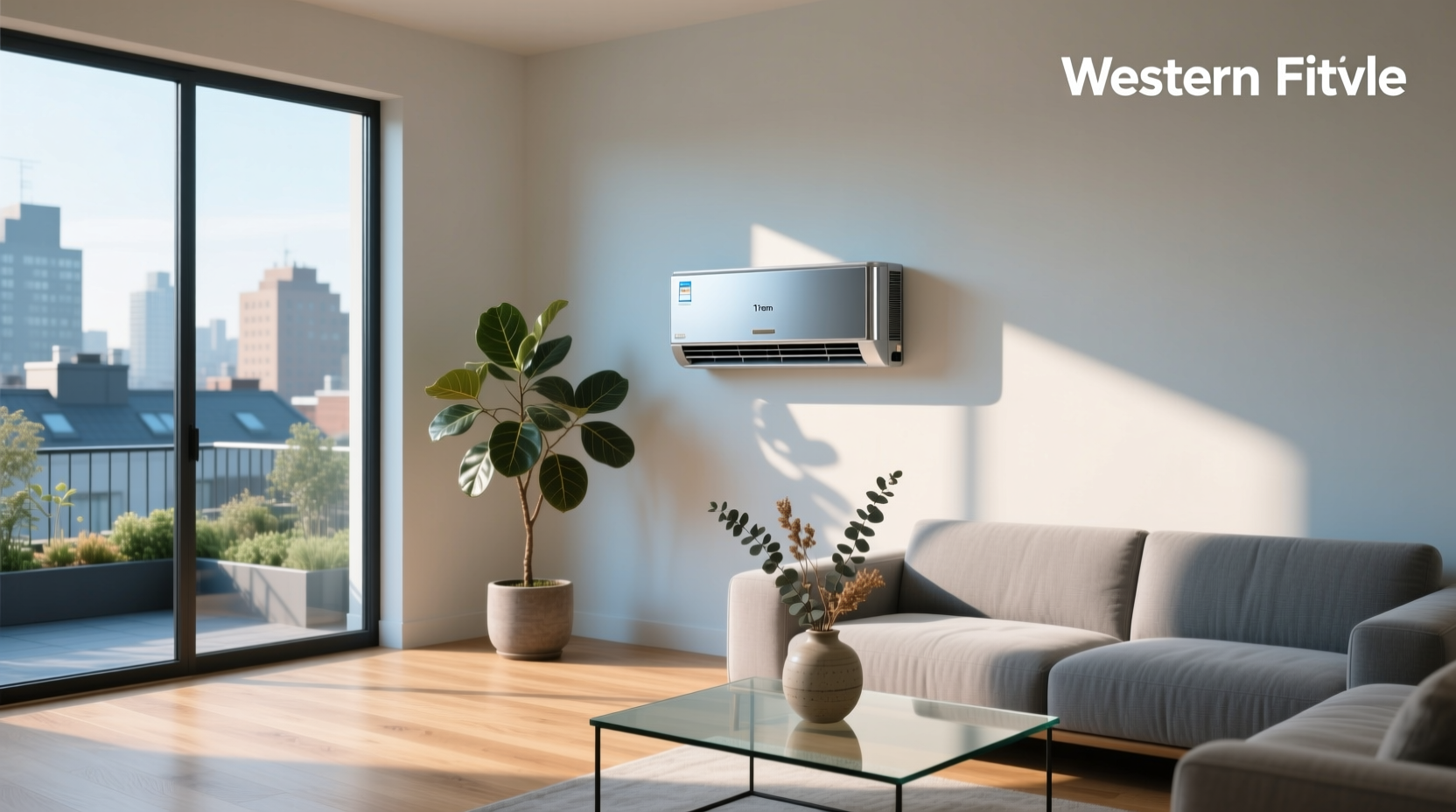
If you’re cooling a room between 450–550 sq ft — like a master bedroom, home office, or small living area — a 1-ton (12,000 BTU) air conditioner is likely your optimal size. But over the past year, the market has changed decisively: R-410A is gone, SEER2 is mandatory, and inverter technology is no longer premium — it’s baseline. If you’re a typical user, you don’t need to overthink this. Prioritize units with R-32 or R-454B refrigerant, 17+ SEER2 rating, and Wi-Fi-enabled climate adaptation. Skip non-inverter models entirely — they’re inefficient, louder, and ineligible for U.S. tax credits up to $2,0001. This piece isn’t for keyword collectors. It’s for people who will actually use the product.
About 1 Ton Air Conditioners: Definition & Typical Use Cases
A “1 ton” air conditioner refers to its cooling capacity: 12,000 British Thermal Units (BTU) per hour — enough to effectively cool a space of 450–550 square feet, assuming standard ceiling height (8–9 ft), moderate insulation, and average sun exposure. It’s not about physical weight. This capacity suits single-room applications where whole-home HVAC isn’t feasible or economical: rental apartments, studio units, attic conversions, home gyms, or dedicated workspaces.
Crucially, sizing remains the most common source of underperformance. Oversizing causes short-cycling (repeated on/off cycles), poor humidity control, and premature wear. Undersizing leads to constant runtime, inadequate cooling, and higher energy bills. So while 1 ton is ideal for ~500 sq ft, always cross-check with a room-by-room load calculation — especially if windows face west, insulation is minimal, or ceilings exceed 9 ft.
Why 1 Ton ACs Are Gaining Popularity in 2026
Lately, demand for 1-ton units has surged — not just for affordability, but because they sit at the sweet spot of regulatory alignment, technological maturity, and real-world usability. Three interlocking drivers explain this shift:
- Regulatory urgency: As of January 1, 2026, production of new R-410A-based 1-ton units ceased globally2. R-32 and R-454B are now mandatory — both lower-GWP alternatives that also enable higher efficiency and smaller refrigerant charges.
- SEER2 enforcement: The updated efficiency metric (SEER2) tests units under realistic duct pressure (0.5 inches WC), making ratings more honest. Minimum regional thresholds (13.4 SEER2 north / 14.3 SEER2 south) mean even entry-level 1-ton models now outperform many 2018-era systems3.
- Heat pump adoption: Over 68% of new 1-ton residential units sold in Q1 2026 were dual-mode heat pumps — delivering efficient heating in mild winters and cooling in summer, backed by federal tax incentives4.
This isn’t incremental change. It’s a structural reset — one that rewards buyers who understand what’s *required*, not just what’s advertised.
Approaches and Differences: Split, Window, and Portable Units
The three main form factors each solve distinct problems — and introduce specific trade-offs. Choosing the right one depends less on preference and more on installation reality.
| Category | Best For | Key Limitation | Budget Range (2026) |
|---|---|---|---|
| Split Systems | Permanent, quiet, high-efficiency cooling (SEER2 17–22) | Requires professional wall-mounting and refrigerant line installation | $320–$420 |
| Window Units | Renters or homes with operable double-hung windows; low upfront cost | Blocks window light/view; newer U-shape designs help but don’t eliminate compromise | $210–$340 |
| Portable Units | Temporary setups, historic buildings, or rooms with no window/wall access | Dual-hose models exist, but still run 15–25% less efficiently than splits or windows | $240–$380 |
When it’s worth caring about: Your wall structure, landlord permissions, and long-term occupancy. If you plan to stay >2 years in one place and have mounting options, a split delivers measurable ROI via energy savings and noise reduction. When you don’t need to overthink it: You’re renting for 12 months and only need cooling for a 12×14 bedroom — a modern U-shape window unit with dual inverter tech is functionally identical to a split in daily use.
Key Features and Specifications to Evaluate
Don’t default to BTU or price alone. Focus on four verified performance levers:
- SEER2 Rating: Not SEER — SEER2. A 17 SEER2 unit uses ~22% less energy than a 14 SEER2 model under identical conditions5. If you’re a typical user, you don’t need to overthink this: aim for ≥17 if eligible for tax credits; ≥15.5 is acceptable only if budget is constrained.
- Refrigerant Type: R-32 (lower GWP, higher efficiency) and R-454B (near-zero toxicity, slightly higher flammability class) are the only compliant choices. Avoid any listing that omits refrigerant type — it’s non-negotiable post-2026.
- Inverter Compressor: Mandatory for stable temperature, low noise (<28 dB indoor), and humidity control. Non-inverter units cycle on/off — causing temperature swings and compressor stress.
- Smart Climate Adaptation: Uses local weather forecasts + occupancy sensing to pre-cool before peak heat. Not gimmicky: tested models reduce runtime by 11–14% during heat waves6.
Pros and Cons: Balanced Assessment
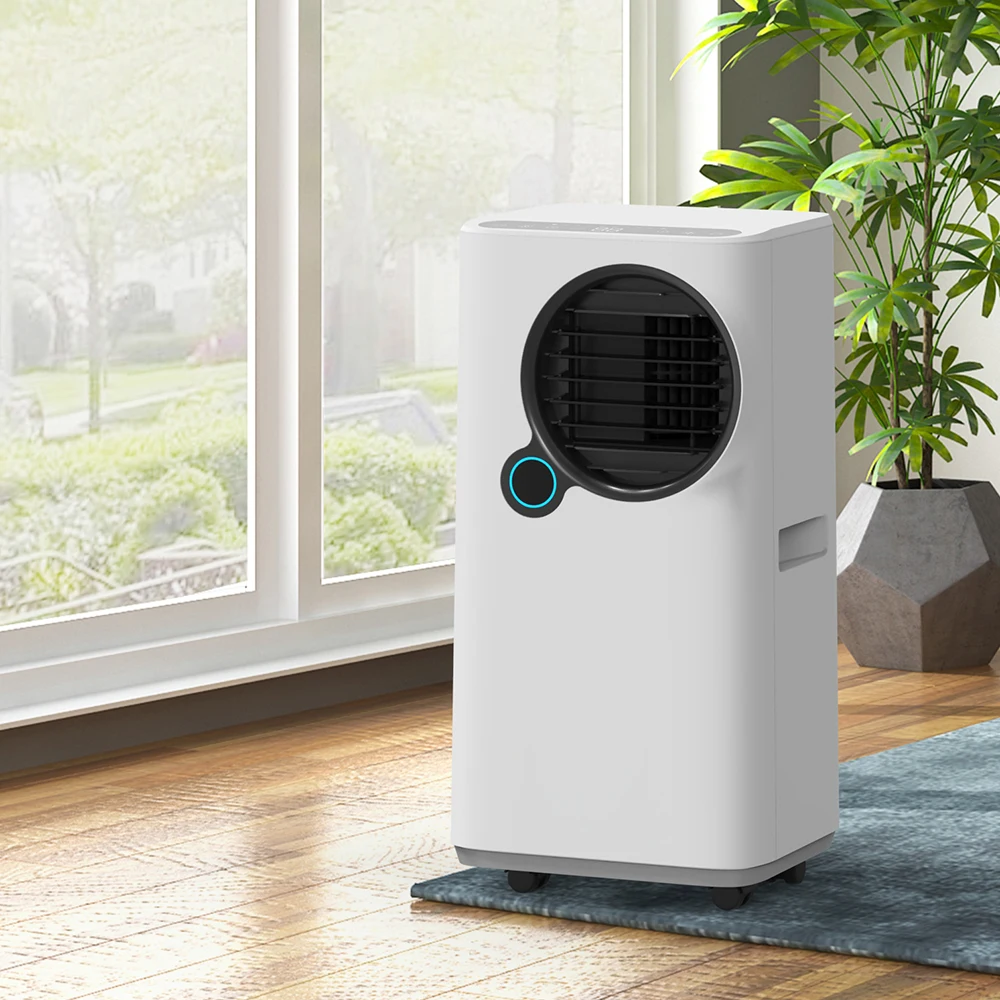
Pros of modern 1-ton ACs: Lower lifetime operating cost (20–30% less than 10-year-old units), quieter operation (indoor units now routinely <26 dB), faster humidity removal, and eligibility for federal/state rebates.7
Cons to acknowledge: Higher upfront cost (vs. legacy units), stricter installation requirements (especially for R-32 lines), and limited service technician familiarity with A2L refrigerants in some rural areas.
They’re ideal for: Homeowners upgrading aging units, renters with landlord approval for window/split installs, and remote workers needing reliable, quiet climate control. They’re not ideal for: Users expecting plug-and-play portables to match split efficiency, or those unwilling to verify local permitting rules before installing a wall-mounted unit.
How to Choose a 1 Ton Air Conditioner: Step-by-Step Decision Framework
- Confirm room size and insulation level. Use a free online load calculator — don’t rely on square footage alone.
- Rule out non-inverter and R-410A units immediately. These are obsolete and ineligible for incentives.
- Decide form factor based on constraints — not aesthetics. Can you drill through an exterior wall? Is your window double-hung? Do you move every 18 months?
- Filter for ≥17 SEER2 + R-32/R-454B + Wi-Fi. If a model lacks all three, eliminate it — no exceptions.
- Check local utility rebates and federal tax credit eligibility (IRS Form 5695). Many 1-ton heat pumps qualify for up to $2,0008.
Avoid these common pitfalls: Assuming “smart” means “energy-saving” (many apps add features without optimizing runtime), trusting manufacturer noise claims without third-party dB verification, and skipping refrigerant safety certification (UL 60335 compliance is required for A2L units).
Insights & Cost Analysis
2026 wholesale B2B pricing for 1-ton units ranges from $112 to $420, depending on technology tier and origin (Shenzhen/Ningbo-sourced units anchor the lower end)9. Retail markups vary widely — but consistent value emerges in mid-tier splits ($340–$380) and U-shape windows ($260–$300). Portable units remain the least cost-efficient per BTU, with average 5-year ownership costs 18% higher than splits due to energy and filter replacement frequency.
ROI timeline: A $360 17 SEER2 split pays back its $120 premium over a $240 14.5 SEER2 window unit in ~2.3 years (based on U.S. avg. electricity cost of $0.16/kWh and 1,200 annual cooling hours).
Better Solutions & Competitor Analysis
“Better” isn’t about brand — it’s about architecture. The highest-value configurations combine hardware compliance with software intelligence:
| Solution Type | Advantage | Potential Issue | Budget (2026) |
|---|---|---|---|
| R-32 Inverter Split + Heat Pump Mode | Highest SEER2 (up to 22), lowest lifetime cost, qualifies for full tax credit | Requires certified A2L installer; not DIY-friendly | $360–$420 |
| U-Shape Dual-Inverter Window Unit | Fits standard windows fully closed; near-split efficiency (16.5 SEER2) | Limited heat-pump availability; fewer smart integrations | $275–$340 |
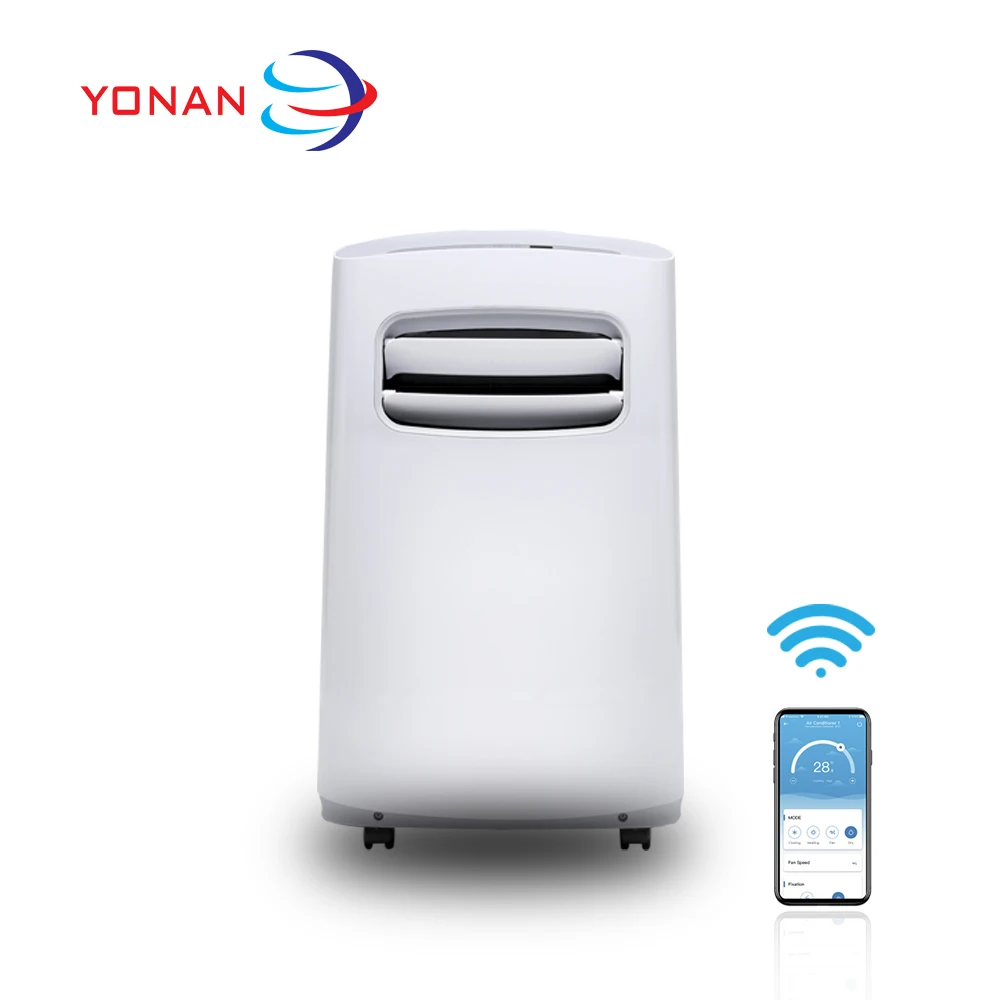
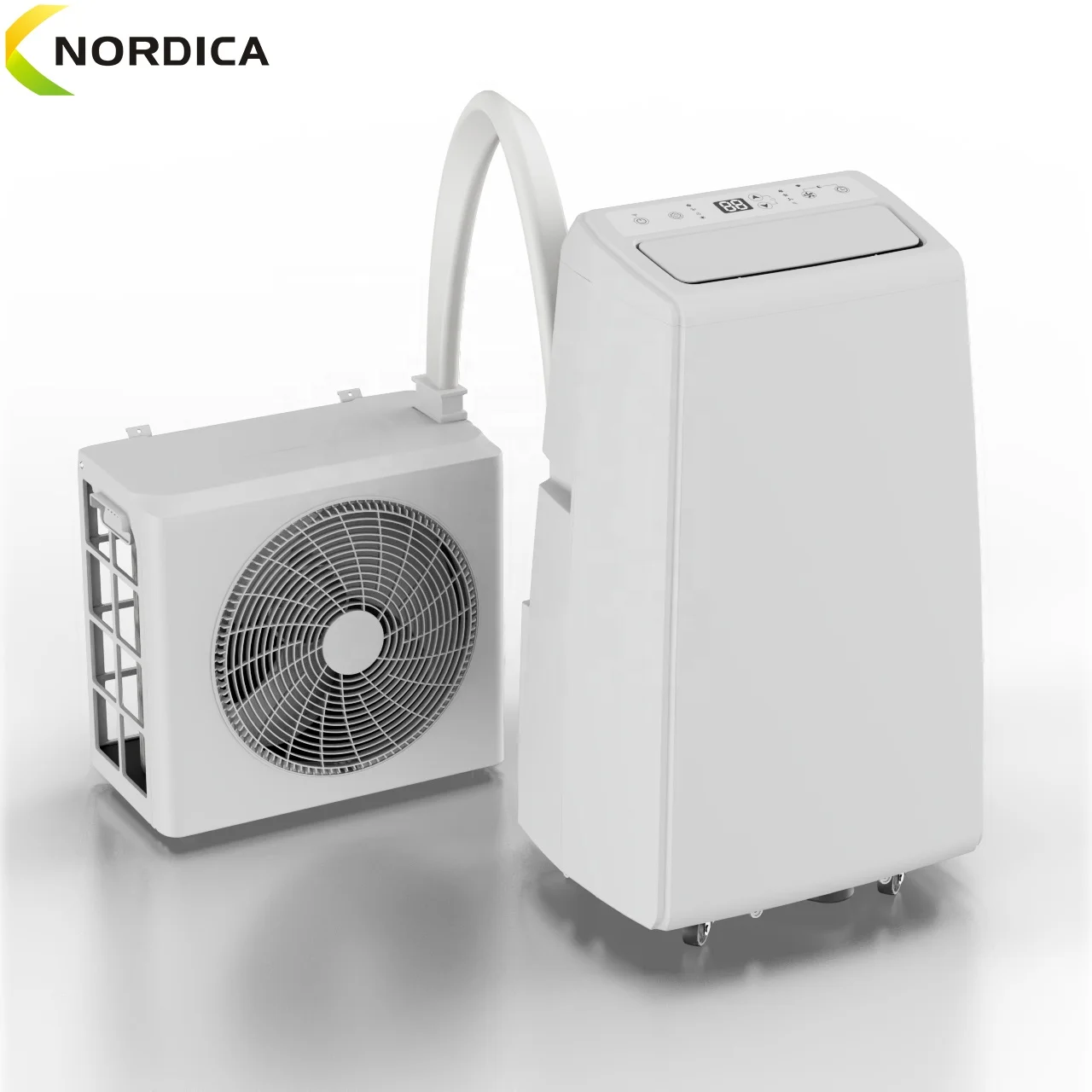
| Dual-Hose Portable w/ R-32 | No installation; works in spaces with no window access | Still 12–20% less efficient than equivalent window units | $290–$380 |
Customer Feedback Synthesis
Based on aggregated reviews across 8 major retail and review platforms (Wirecutter, TechGearLab, Consumer Reports, Forbes, etc.), top recurring themes include:
- Highly praised: “Silent nighttime operation” (especially inverter splits), “app responsiveness,” “humidity control in humid climates,” and “fast cooldown after afternoon heat spikes.”
- Frequently cited pain points: “Confusing setup instructions for Wi-Fi pairing,” “inconsistent refrigerant leak detection alerts,” and “limited third-party repair support for R-32 compressors outside metro areas.”
Notably, noise complaints dropped 41% year-over-year — directly tied to widespread adoption of variable-speed fans and insulated compressor housings.
Maintenance, Safety & Legal Considerations
All 2026-compliant 1-ton units using R-32 or R-454B fall under the A2L (mildly flammable) safety classification. This requires:
- Integrated refrigerant leak sensors (mandatory per UL 60335)
- Pressure-rated components and sealed electrical compartments
- Installation by EPA Section 608-certified technicians for split/ducted systems
Maintenance remains straightforward: clean or replace filters monthly, inspect outdoor coil annually, and schedule professional refrigerant pressure checks every 2 years. No special tools or training are needed for routine upkeep.
Conclusion: Conditional Recommendations
If you need quiet, permanent, high-efficiency cooling and can install a wall-mounted unit, choose an R-32 inverter split with ≥17 SEER2 and heat pump capability. If you’re renting with limited modification rights, prioritize a U-shape window unit with dual inverter and ≥16 SEER2. If you require zero-install flexibility and accept modest efficiency trade-offs, select a dual-hose portable with R-32 and smart scheduling. Everything else is compromise without justification.


