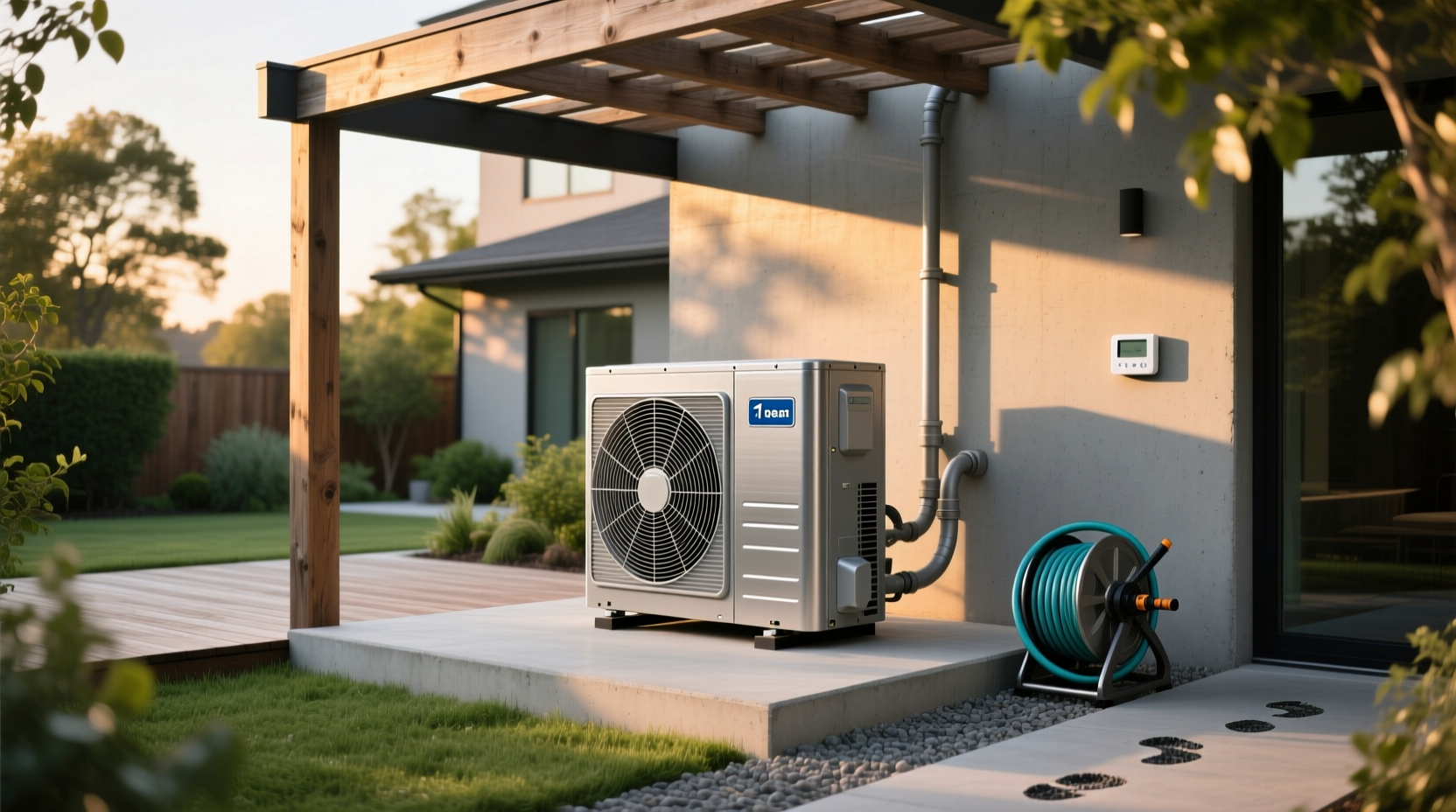
Over the past year, the 1-ton heat pump market has shifted decisively toward cold-climate inverter models with R-32 or R-454B refrigerants—and away from legacy fixed-speed units. If you’re heating or cooling a space under 800 sq. ft. (a studio, ADU, garage office, or small apartment), a 1-ton unit is likely your most efficient match. But here’s the direct answer: Prioritize HSPF2 ≥ 8.5 and cold-climate certification down to −22°F over raw BTU count alone—and verify federal tax credit eligibility before purchase. You don’t need the highest SEER2 number if your climate rarely drops below freezing; conversely, you *do* need verified low-temperature operation if winter lows regularly hit 0°F or lower. If you’re a typical user, you don’t need to overthink this.
About 1-Ton Heat Pumps: Definition & Typical Use Cases
A 1-ton heat pump delivers 12,000 BTU/h of heating or cooling capacity—enough for well-insulated spaces up to ~800 sq. ft., depending on insulation quality, window exposure, and local climate 1. Unlike whole-house systems, 1-ton units are most commonly deployed as:
- Mini-split indoor/outdoor pairs — ideal for room additions, basement apartments, or retrofits where ductwork is impractical;
- Ducted single-zone systems — used in compact homes, tiny houses, or HVAC upgrades where existing ducts can support a smaller air handler;
- Supplemental heating/cooling — paired with electric baseboards or radiant floors in high-efficiency builds.
They are not intended for open-plan 2,000-sq.-ft. homes or poorly insulated attics. Their value lies in precision zoning, reduced compressor cycling, and higher part-load efficiency than oversized multi-ton units.
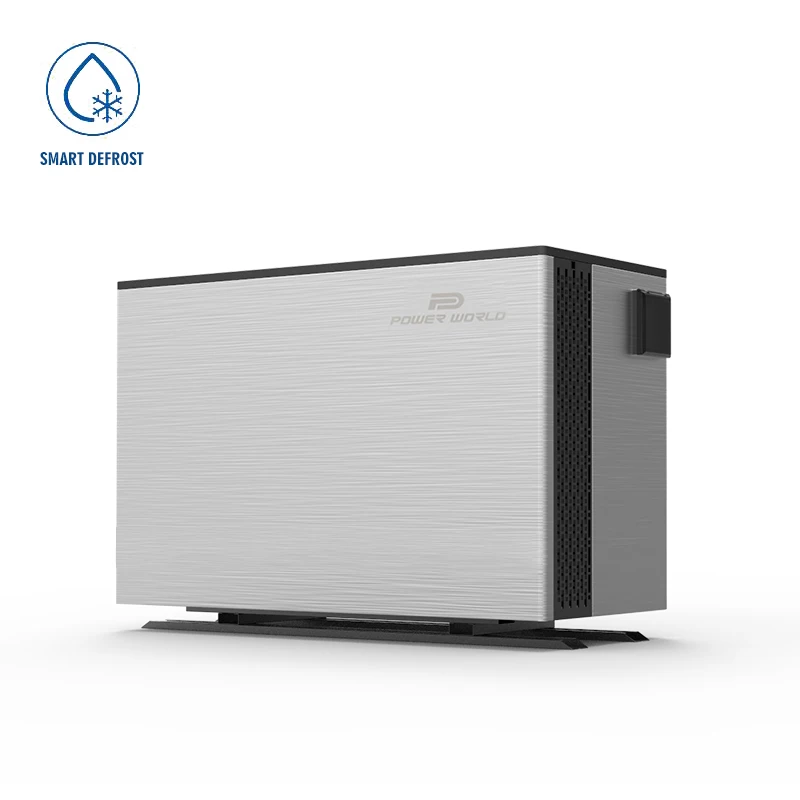
Why 1-Ton Heat Pumps Are Gaining Popularity
Lately, three converging forces have accelerated adoption: electrification policy incentives, tighter efficiency standards, and improved hardware economics. The U.S. Inflation Reduction Act offers up to $2,000 in federal tax credits for qualifying heat pumps 2, and many states add rebates that bring net installed costs under $3,500 for qualified households. At the same time, new SEER2 18+ and HSPF2 8.5+ minimums (effective 2023) pushed manufacturers to refine inverter technology—not just for large systems, but for compact 1-ton platforms 3. Finally, consumer demand for smart, grid-aware operation—like load-shifting during off-peak electricity hours—has made integrated Wi-Fi control standard, not optional.
This isn’t about chasing novelty. It’s about matching output to real-world load. Oversized units short-cycle, waste energy, and struggle with humidity control. A correctly sized 1-ton system runs longer, steadier cycles—delivering more consistent comfort and better dehumidification in summer, and stable output in sub-zero winter air.
Approaches and Differences: Mini-Split vs. Ducted vs. Packaged
Three configurations dominate the 1-ton segment—each with clear trade-offs:
- ✅ Mini-split (ductless): Highest seasonal efficiency (often HSPF2 10.0+), easiest retrofit, lowest installation disruption. Requires wall or ceiling mounting for indoor unit. Best for zone control and noise-sensitive environments.
- ✅ Ducted single-zone: Blends into existing infrastructure; quieter indoor operation; better for whole-unit airflow distribution. Requires compatible duct sizing—undersized ducts cause static pressure issues and reduce efficiency.
- ⚠️ Packaged (self-contained): Rare at 1-ton scale; typically found only in commercial applications or specialized enclosures. Lower efficiency, limited cold-climate capability, and harder to service.
If you’re a typical user, you don’t need to overthink this: choose mini-split unless you already have clean, properly sized ductwork and prefer concealed indoor airflow.
Key Features and Specifications to Evaluate
Don’t default to “BTU” or “SEER” alone. Focus on metrics that reflect real-world behavior:
- HSPF2 (Heating Seasonal Performance Factor, version 2): Measures heating efficiency across a full season. When it’s worth caring about: If you rely on the unit for >50% of winter heating, aim for ≥8.5. When you don’t need to overthink it: If you use it only for shoulder-season cooling or backup heat, HSPF2 7.5–8.2 may suffice.
- Cold-climate certification (e.g., ENERGY STAR Cold Climate or NEEP CCASHP): Verifies operation at −13°F or lower. When it’s worth caring about: If your area sees regular sub-5°F temperatures. When you don’t need to overthink it: If winter lows stay above 15°F, standard inverter models perform reliably.
- Refrigerant type (R-32 or R-454B): Lower global warming potential (GWP) than legacy R-410A. When it’s worth caring about: For future-proofing, service availability, and environmental compliance. When you don’t need to overthink it: R-410A units remain functional—but parts and technician familiarity will decline post-2027.
- Smart integration (Matter/Thread, utility demand-response readiness): Enables load management and remote diagnostics. When it’s worth caring about: If your utility offers time-of-use rates or you plan home automation. When you don’t need to overthink it: Basic Wi-Fi control is sufficient for most users—no need for full Matter ecosystem compatibility unless you’re building a smart-home stack.
Pros and Cons: Balanced Assessment
✅ Pros:
- Lower upfront cost than multi-ton systems ($2,200–$4,800 installed, depending on configuration);
- Higher part-load efficiency—especially with inverter compressors;
- Easier permitting and faster installation (no major duct modifications);
- Eligible for federal tax credits and many state/local rebates.
❌ Cons:
- Limited scalability—adding zones requires separate outdoor units or multi-head systems;
- Indoor heads require wall/ceiling space and careful placement for optimal airflow;
- Ducted variants lose 15–25% efficiency if ducts run through unconditioned spaces (attics, garages);
- Fewer service technicians trained specifically on ultra-small cold-climate units outside metro areas.
How to Choose a 1-Ton Heat Pump: Step-by-Step Decision Guide
Follow this checklist—not in order of preference, but in order of consequence:
- Confirm your load: Use a Manual J calculation (not square footage alone). If your space is <600 sq. ft. with modern insulation, 1 ton is almost always appropriate. If >750 sq. ft. with older windows or cathedral ceilings, get a professional load assessment.
- Verify climate requirements: Check NOAA 30-year average minimum temperature for your ZIP code. If it dips below −5°F, prioritize cold-climate certified units (e.g., Mitsubishi Hyper-Heat, Fujitsu RLS3H, or Viessmann Vitocal 100-S 4).
- Check rebate eligibility: Visit dsireusa.org or your utility’s website. Many programs require ENERGY STAR certification *and* specific HSPF2/SEER2 thresholds.
- Avoid these common missteps:
- Ignoring refrigerant phaseout timelines—R-410A service support will shrink rapidly after 2027;
- Prioritizing SEER2 over HSPF2 in heating-dominant climates;
- Choosing a ducted unit without verifying duct static pressure (<0.5" w.c. recommended).
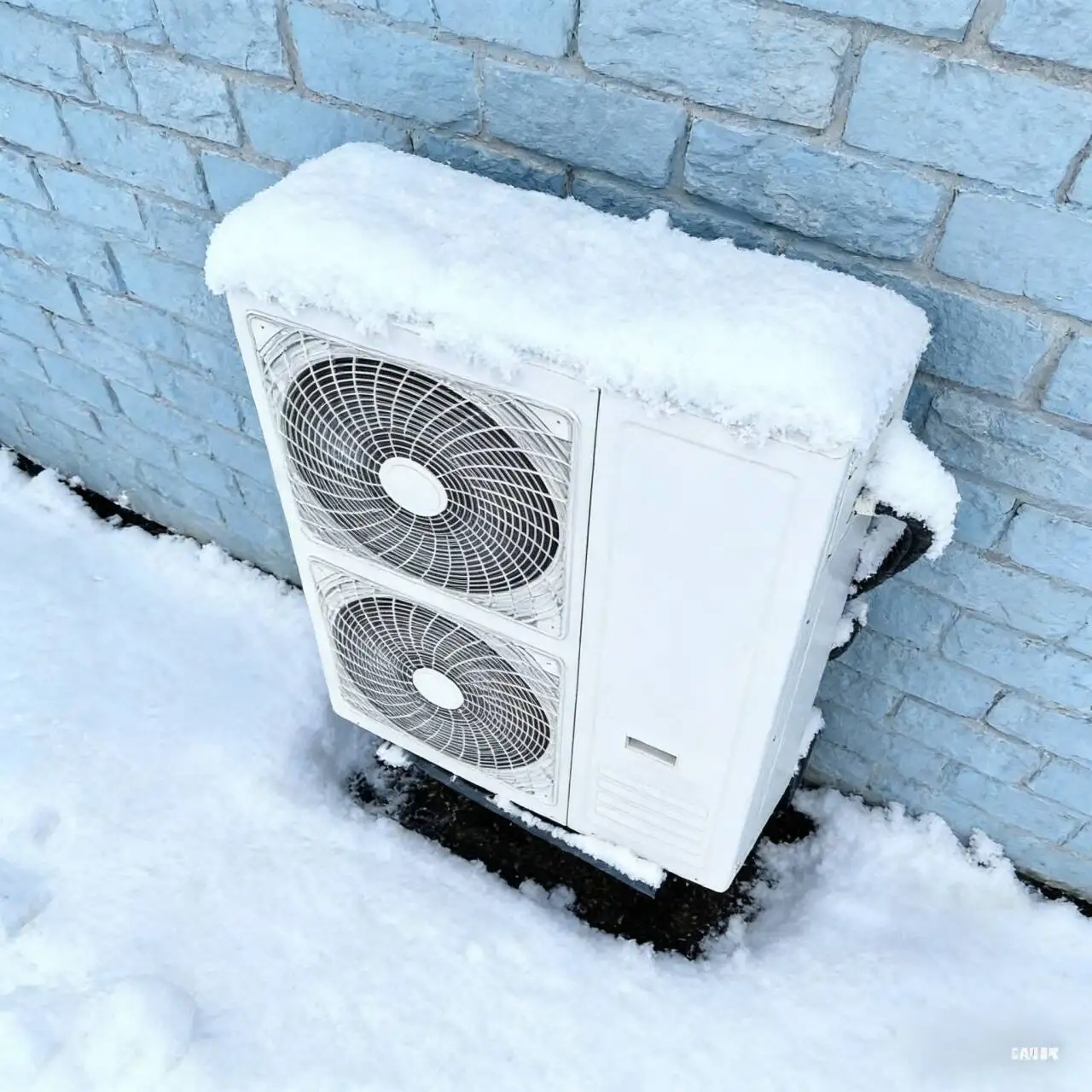
Insights & Cost Analysis
Installed costs for 1-ton systems vary widely by configuration and labor market:
- Mini-split (single-zone): $2,400–$4,200 (includes outdoor unit, indoor head, lineset, electrical, and basic wall mounting);
- Ducted (air handler + outdoor unit): $3,100–$4,800 (requires compatible ducts, condensate drain, and often a new thermostat);
- Packaged units: Not widely available at 1-ton scale; avoid unless specified for niche applications.
Post-rebate net cost typically falls between $1,500–$3,200. The biggest variable isn’t equipment price—it’s labor complexity. Retrofitting a mini-split into a finished wall with hidden wiring adds $300–$600; installing ducted units in homes with leaky, undersized ducts may require $1,000+ in duct sealing or replacement to realize rated efficiency.
| Configuration | Suitable For | Potential Issue | Budget Range (Installed) |
|---|---|---|---|
| Mini-split | Zoned heating/cooling; retrofits; tight spaces | Visible indoor head; wall penetration required | $2,400–$4,200 |
| Ducted single-zone | Existing duct systems; whole-room airflow; quiet interiors | Duct losses if unsealed or uninsulated | $3,100–$4,800 |
| Cold-climate certified | Regions with frequent sub-0°F temps | ~10–15% premium over standard inverter models | $2,900–$4,600 |
Better Solutions & Competitor Analysis
“Better” depends on your constraint—not specs. Below is a neutral comparison of representative models meeting current 2026 benchmarks:
| Model Type | Key Strength | Real-World Limitation | Notable Feature |
|---|---|---|---|
| Mitsubishi MSZ-FH12NA | Cold-climate operation to −13°F; industry-leading reliability | Premium pricing; limited U.S. distributor coverage in rural areas | Wi-Fi + utility demand-response ready |
| Fujitsu RLS3H12 | Rated to −22°F; excellent low-load modulation | Requires proprietary controller for full cold-climate mode | ENERGY STAR Cold Climate certified |
| Viessmann Vitocal 100-S | Ducted design; German engineering; quiet operation | Longer lead times; higher service cost outside Northeast | Integrated domestic hot water option (add-on) |
| Quilt Q12 | Value-focused; R-32 refrigerant; Matter-compatible | Limited field data on long-term cold-climate durability | Modular indoor unit options (wall, ceiling, floor) |
Customer Feedback Synthesis
Based on aggregated reviews (Consumer Reports, HVAC forums, retailer feedback), top recurring themes:
- ✅ Highly praised: Consistent comfort in mild-to-moderate winters; near-silent indoor operation (mini-splits); responsiveness of smart controls; noticeable reduction in supplemental heating bills.
- ⚠️ Frequently cited pain points: Difficulty finding local contractors experienced with ultra-small cold-climate units; confusion around rebate paperwork; minor noise from outdoor fan at very low ambient temps (<5°F); occasional communication lag between indoor head and app.
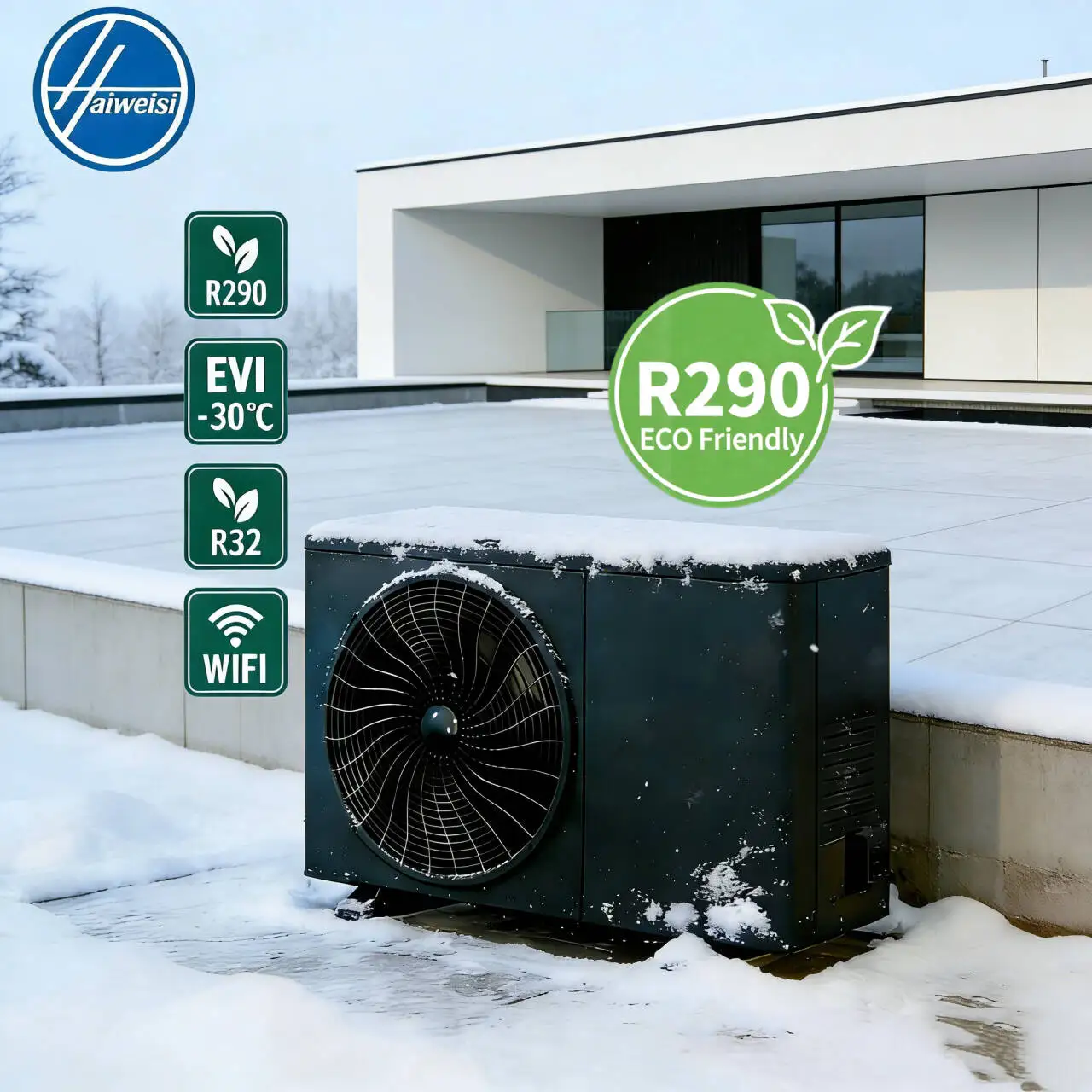
Maintenance, Safety & Legal Considerations
All 1-ton heat pumps require annual maintenance: coil cleaning, refrigerant charge verification, and drain line inspection. Cold-climate models benefit from biannual checks before winter onset. No special licensing is needed for homeowner operation—but installation must comply with local mechanical codes and NEC Article 440 (motor circuits). Refrigerant handling remains EPA Section 608-certified technician work. Importantly: this piece isn’t for keyword collectors. It’s for people who will actually use the product.
Conclusion: Conditional Recommendations
If you need precise, efficient climate control for a space under 800 sq. ft. and live in a region with winter lows below 10°F, choose a cold-climate-certified mini-split with HSPF2 ≥ 8.5 and R-32 or R-454B refrigerant. If you already have clean, sealed ductwork and prefer invisible indoor units, a ducted 1-ton system with matching air handler is viable—but confirm duct static pressure first. If your climate stays above 25°F in winter, standard inverter models deliver strong value without premium cold-climate features. If you’re a typical user, you don’t need to overthink this.


