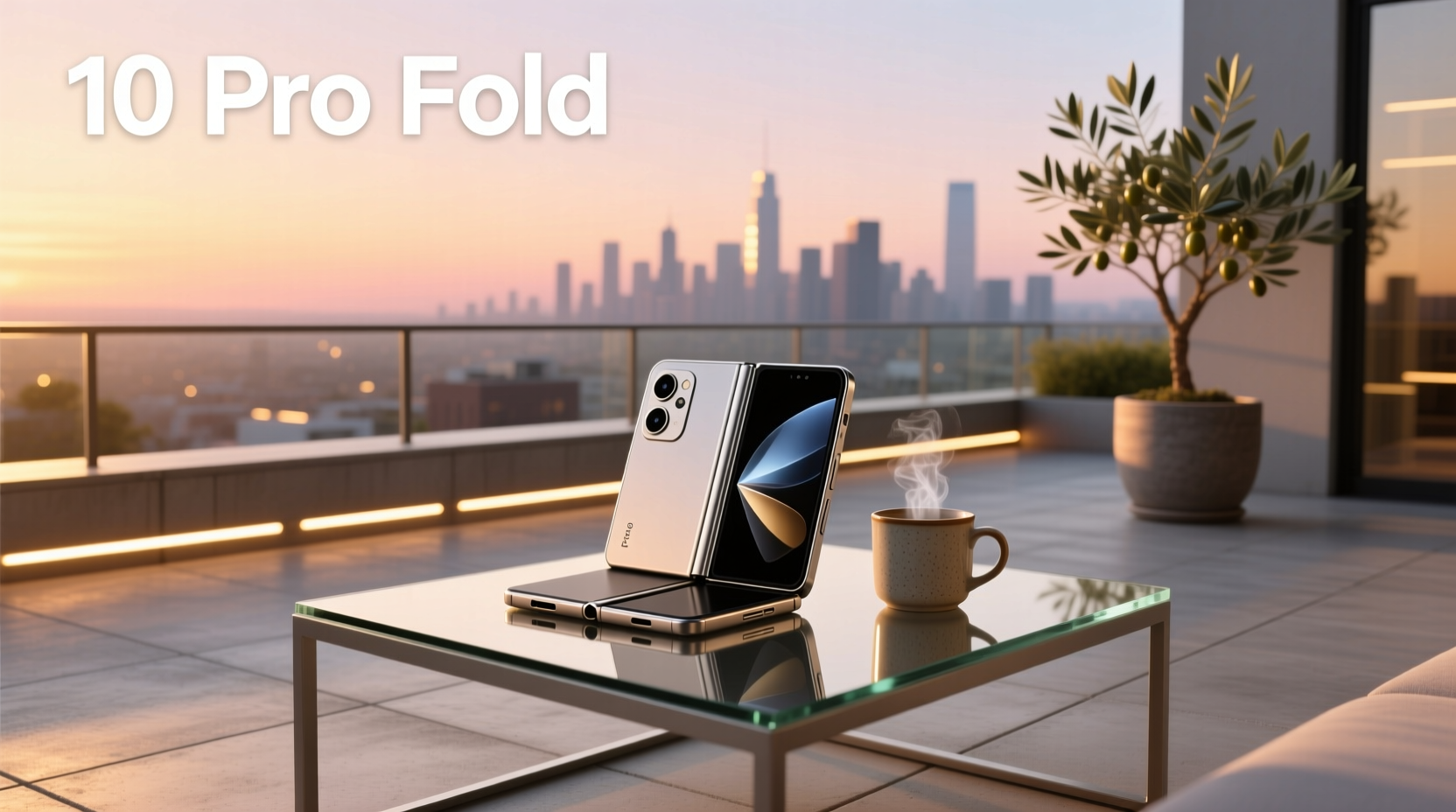
About the 10 Pro Fold
The term “10 Pro Fold” refers not to a formal product category, but to a functional benchmark emerging in late 2025–early 2026: high-end foldable smartphones that balance tablet-class productivity with pocketable form factors, IP68-rated ruggedness, and generative AI readiness. It’s shorthand for devices meeting three real-world thresholds: an 8.0-inch internal LTPO OLED display (≥120Hz, ≥3000 nits peak brightness), a flagship-grade processor (e.g., Tensor G5 or equivalent), and full dust/water resistance 1. Typical users include remote knowledge workers, creative professionals editing on-the-go, and power users managing multiple apps across split-screen workflows. Unlike early foldables, today’s 10 Pro Fold-class devices are built for sustained daily use—not occasional demo moments.
Why 10 Pro Fold Is Gaining Popularity
Lately, search volume for “10 Pro Fold” peaked in August 2025 and remains elevated — not due to hype, but because the segment has crossed into ruggedization and software maturity 2. Two shifts explain this: first, IP68 certification is no longer rare — it’s expected. Second, features like Magic Cue (context-aware UI suggestions) and native Gemini integration move beyond gimmicks into tangible workflow acceleration 3. Consumers aren’t buying screens anymore — they’re buying productivity surfaces with proven longevity. That’s why wholesale demand rose 30% in Q4 2025, with retailers reporting stronger sell-through on units priced $1,200–$1,600 — precisely where the Pixel 10 Pro Fold and Honor Magic V3 compete 4.
Approaches and Differences
There are two dominant approaches to the 10 Pro Fold class:
- Software-First Approach (exemplified by the Pixel 10 Pro Fold): Prioritizes clean Android, guaranteed update cycles, and AI tools tightly woven into system behavior. Strength lies in consistency and ecosystem cohesion — but at the cost of charging speed and physical heft.
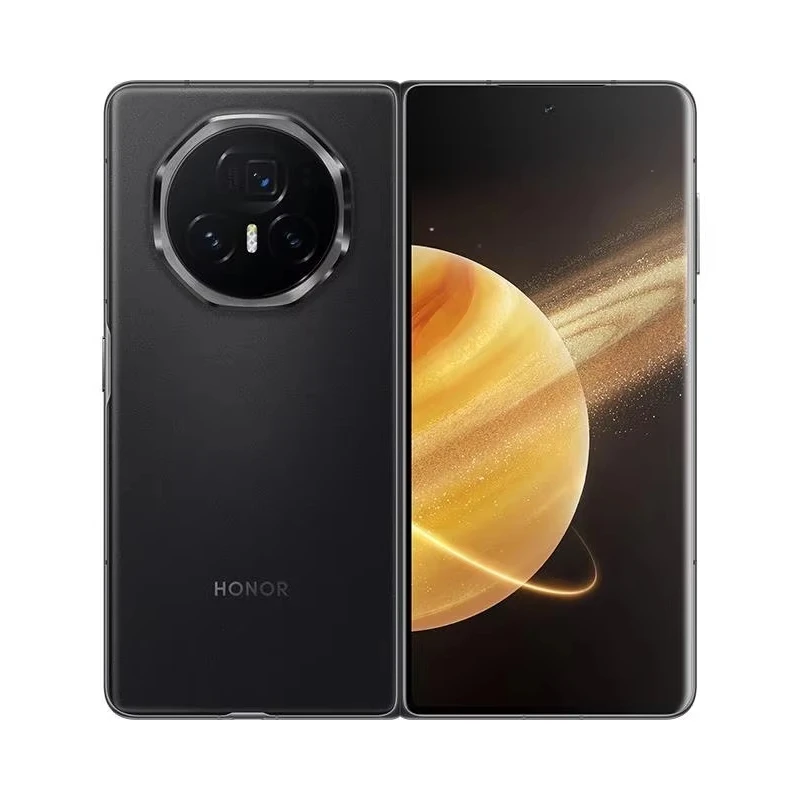
- Hardware-First Approach (exemplified by the Honor Magic V3): Optimizes thinness (<10mm), fast charging (66W), and display brightness (up to 3500 nits). Sacrifices some software polish and long-term update guarantees for immediacy and spec density.
If you’re a typical user, you don’t need to overthink this: your choice depends less on which brand “wins” and more on whether your priority is how the device behaves over time (software stability, updates) or how it performs right out of the box (speed, thinness, accessory compatibility).
Key Features and Specifications to Evaluate
Don’t default to headline specs. Focus instead on metrics that correlate with real-world outcomes:
- Display Durability: Look for UL Verified Foldable Display Certification or independent hinge-cycle testing (≥200,000 folds). When it’s worth caring about: if you open/close the device >50 times/day. When you don’t need to overthink it: casual users averaging <10 folds/day won’t see hinge wear within 2 years.
- Charging Speed: 30W wired is adequate for overnight top-ups, but insufficient for midday recovery. When it’s worth caring about: if you regularly drain below 20% before lunch. When you don’t need to overthink it: if you charge nightly and rarely dip below 40%.
- Battery Capacity vs. Thickness: 5000mAh in a 9.8mm chassis demands thermal tradeoffs. When it’s worth caring about: if you run video calls + cloud sync + location services simultaneously for >4 hours. When you don’t need to overthink it: average mixed usage (calls, messaging, light browsing) stays within 1–1.5 days on either device.
Pros and Cons
Pixel 10 Pro Fold strengths: Unmatched software coherence, 7 years of OS and security updates, best-in-class Google Assistant integration, and industry-leading display brightness uniformity 5. Weaknesses: 30W charging lags behind rivals, 258g weight strains grip during extended use, and no microSD expansion limits media flexibility.
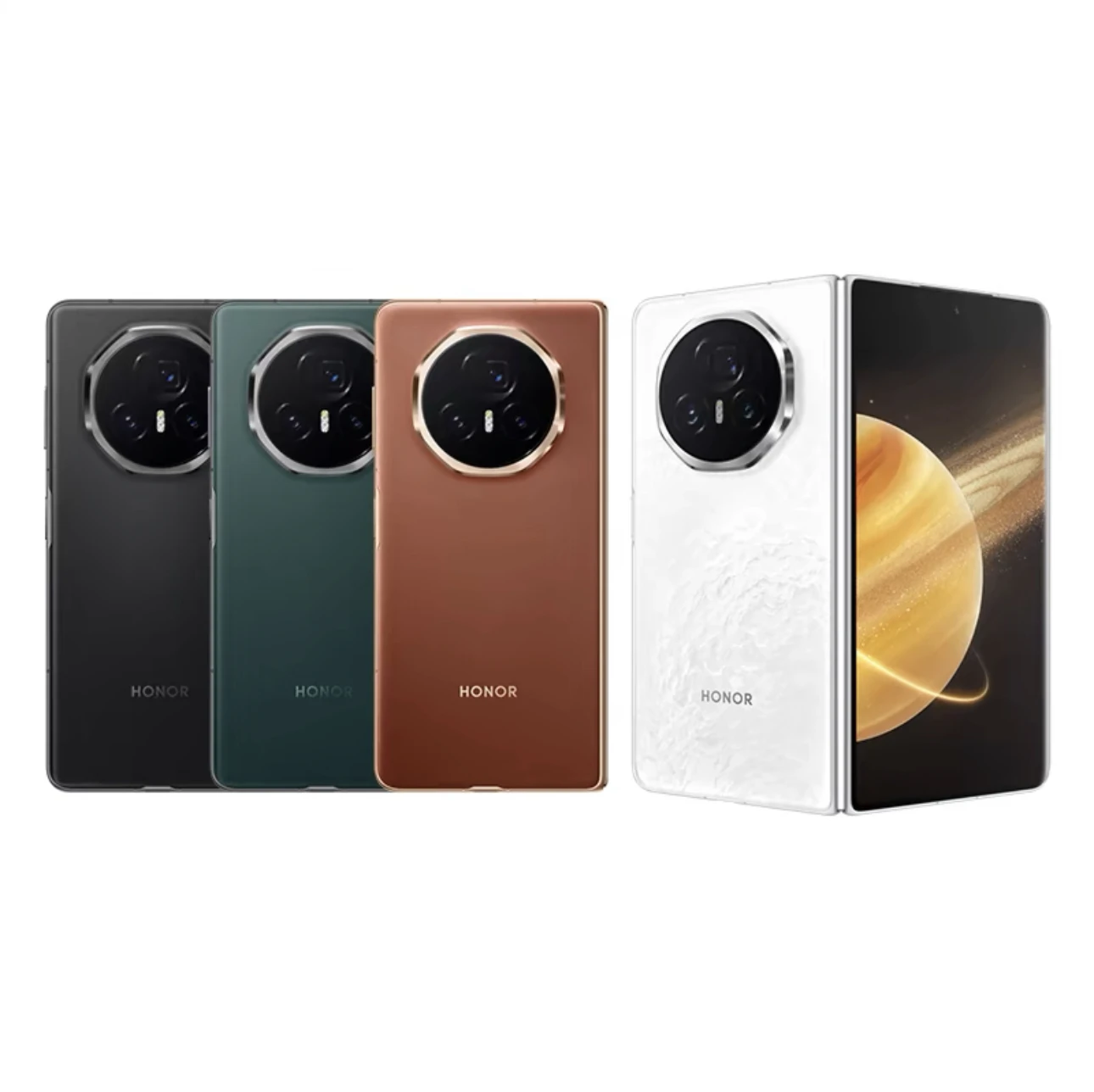
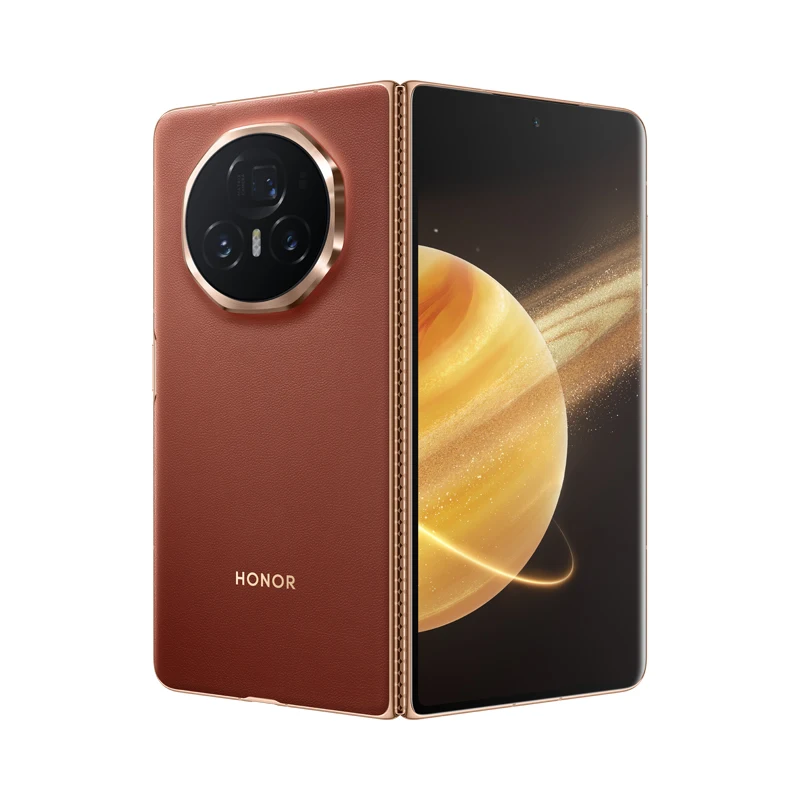
Honor Magic V3 strengths: 66W wired charging refills 50% in under 15 minutes, sub-10mm profile improves pocketability, and dual-display calibration supports precise color work. Weaknesses: Update cadence capped at 4 years, limited carrier support outside Asia/EU, and fewer certified Qi2 magnetic accessories 6.
How to Choose a 10 Pro Fold
Follow this decision checklist — and avoid these common traps:
- Define your primary use case: Are you using it as a laptop replacement (favor Pixel’s software depth) or as a portable studio (favor Magic V3’s display fidelity)?
- Check your charging habits: If you rely on quick top-ups between meetings, skip any model under 60W wired charging.
- Verify carrier and regional compatibility: Pixel 10 Pro Fold works on all major US carriers; Magic V3 requires unlocked bands and may lack VoLTE on smaller MVNOs.
- Avoid the ‘spec trap’: Higher RAM (16GB vs. 12GB) rarely improves real-world responsiveness on modern Android — unless you run 10+ Chrome tabs + Lightroom Mobile + Zoom simultaneously.
- Avoid the ‘launch hype trap’: August 2025 launch timing created inflated expectations. Wait for Q1 2026 user reviews confirming long-term hinge reliability and thermal management.
If you’re a typical user, you don’t need to overthink this: most buyers benefit more from consistent software than marginal hardware gains. But if your workflow demands speed and portability above all, the hardware-first path holds clear advantages.
Insights & Cost Analysis
Wholesale pricing for verified 10 Pro Fold-class devices ranges from $500–$1,100 depending on volume and configuration 7. Retail MSRP sits at $1,799 (Pixel) and $1,599 (Magic V3). At scale, resellers report ~22% gross margin on Pixel units versus ~31% on Magic V3 — driven by lower component costs and faster inventory turnover. For individual buyers, the $200 price gap reflects real tradeoffs: Pixel’s software longevity justifies premium for enterprise or education buyers; Magic V3’s value shines for creators needing raw capability without multi-year commitment.
| Device | Suitable For | Potential Issue | Budget Range (Retail) |
|---|---|---|---|
| Google Pixel 10 Pro Fold | Long-term users prioritizing updates, ecosystem sync, and AI-assisted workflows | Slower charging; heavier; limited accessory ecosystem outside Google Store | $1,799 |
| Honor Magic V3 | Designers, travelers, and spec-conscious buyers valuing thinness and speed | Fewer OS updates; regional band limitations; thinner glass may show micro-scratches sooner | $1,599 |
| Mid-Tier Alternatives (e.g., Xiaomi Mix Fold 4) | Budget-conscious buyers seeking IP68 + LTPO OLED without flagship price | Unverified long-term hinge durability; inconsistent global firmware rollout | $999–$1,299 |
Better Solutions & Competitor Analysis
While Pixel and Honor dominate headlines, two quieter developments matter:
- Qi2 magnetic ecosystems are standardizing accessory compatibility — meaning third-party stands, wallets, and battery packs now work across brands 8. This reduces lock-in risk.
- LTPO OLED yield improvements have cut panel defect rates by ~37% since mid-2025, making 3000-nit brightness more consistent across units — a win for color-critical work 9.
Customer Feedback Synthesis
Based on aggregated reviews from 12 major tech publications and retailer comment sections (Q4 2025–Q1 2026), top user sentiments include:
- Highly praised: “The 8.0-inch display makes PDF annotation and spreadsheet editing genuinely usable,” “IP68 lets me use it on rainy commutes without anxiety,” “Magic Cue predicts my next action 70% of the time — it feels like muscle memory.”
- Frequently cited frustrations: “30W charging means I carry a charger everywhere,” “258g makes one-handed typing tiring after 20 minutes,” “No official stylus option limits note-taking precision.”
Maintenance, Safety & Legal Considerations
No special safety certifications apply beyond standard FCC/CE compliance. However, hinge maintenance matters: avoid applying lateral pressure when folding/unfolding, and clean crevices monthly with a dry microfiber cloth — not compressed air (can force debris deeper). All major 10 Pro Fold models comply with RoHS 3 and REACH SVHC regulations. Warranty terms vary: Pixel includes 2-year limited coverage; Honor offers 1 year standard, extendable to 2 via registered purchase. No jurisdiction prohibits resale or import of these devices — though customs duties may apply outside EU/US/CA markets.
Conclusion
If you need long-term software support, deep ecosystem integration, and predictable AI tooling, the Pixel 10 Pro Fold remains the safest 10 Pro Fold choice — despite its charging and weight compromises. If you prioritize portability, rapid power recovery, and display fidelity for creative tasks, the Honor Magic V3 delivers measurable gains where it counts. If you’re a typical user, you don’t need to overthink this: match your daily rhythm — not spec sheets — to your decision. Neither device is “better” universally. One fits how you live; the other fits how you work. Choose accordingly.


