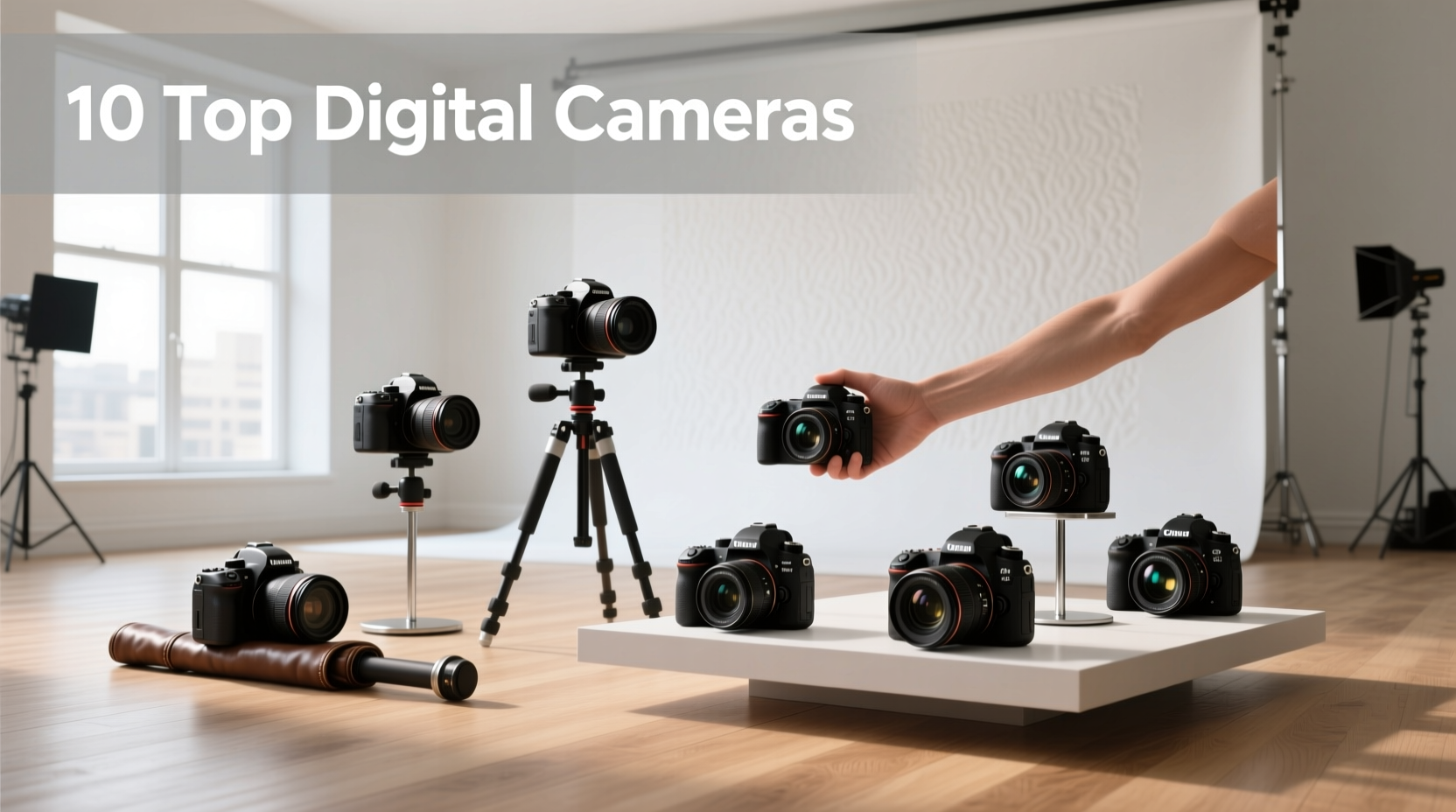
If you’re shopping for a digital camera in 2026, skip the endless comparisons: start with your primary use case—not sensor size or megapixels. Over the past year, the market has shifted decisively toward mirrorless systems with hybrid photo/video capability, and away from DSLRs and basic point-and-shoots 1. For most users, the Sony a7 V delivers the strongest all-around performance if budget allows (~$2,898), while the Canon EOS R50 remains the clearest entry point for beginners (~$569) 2. If you’re a typical user, you don’t need to overthink this: prioritize lens ecosystem longevity and real-world autofocus reliability over theoretical resolution. Avoid choosing based solely on “retro styling” unless you’ll actually carry and shoot with it daily—and don’t assume 4K120 means better video if your editing workflow can’t handle high-bitrate files. This piece isn’t for keyword collectors. It’s for people who will actually use the product.
About the 10 Top Digital Cameras of 2026
The phrase “10 top digital cameras” refers not to a universal ranking, but to a curated set of models representing distinct user archetypes in today’s market: creators needing cinema-grade video, enthusiasts valuing optical quality over convenience, students building their first system, and hobbyists drawn to tactile, retro-styled compacts. Unlike smartphone photography—which excels at immediacy and computational polish—these devices serve specific, non-negotiable functional roles: capturing uncompressed RAW files for print, maintaining consistent exposure across dynamic scenes, delivering reliable subject tracking during fast motion, or enabling manual control without menu diving. The 2026 lineup reflects three converging realities: mirrorless now holds 56% of global unit sales 3; AI-powered autofocus is standard—not optional; and lens mount commitment (e.g., Sony E-mount, Canon RF) outweighs individual body specs for long-term value.
Why the 10 Top Digital Cameras Are Gaining Popularity
Lately, demand for dedicated digital cameras has rebounded—not because smartphones regressed, but because user expectations evolved. Social media platforms increasingly reward native video quality (10-bit color, high frame rates), and audiences respond to texture, depth, and authenticity that computational imaging still struggles to replicate. At the same time, the “retro resurgence” isn’t nostalgia for its own sake: it signals a desire for intentionality—mechanical dials, optical viewfinders, and simplified interfaces that reduce cognitive load during capture 4. This trend coexists with a sharp rise in hybrid workflows: photographers shooting weddings now deliver both high-res JPEGs and ProRes 422 clips; educators record lectures with clean audio and stable framing; and travel bloggers rely on compact systems that withstand daily use without sacrificing image fidelity. If you’re a typical user, you don’t need to overthink this: popularity here reflects real utility—not marketing hype.
Approaches and Differences
Today’s top 10 aren’t just variations of one design—they represent fundamentally different approaches to image-making:
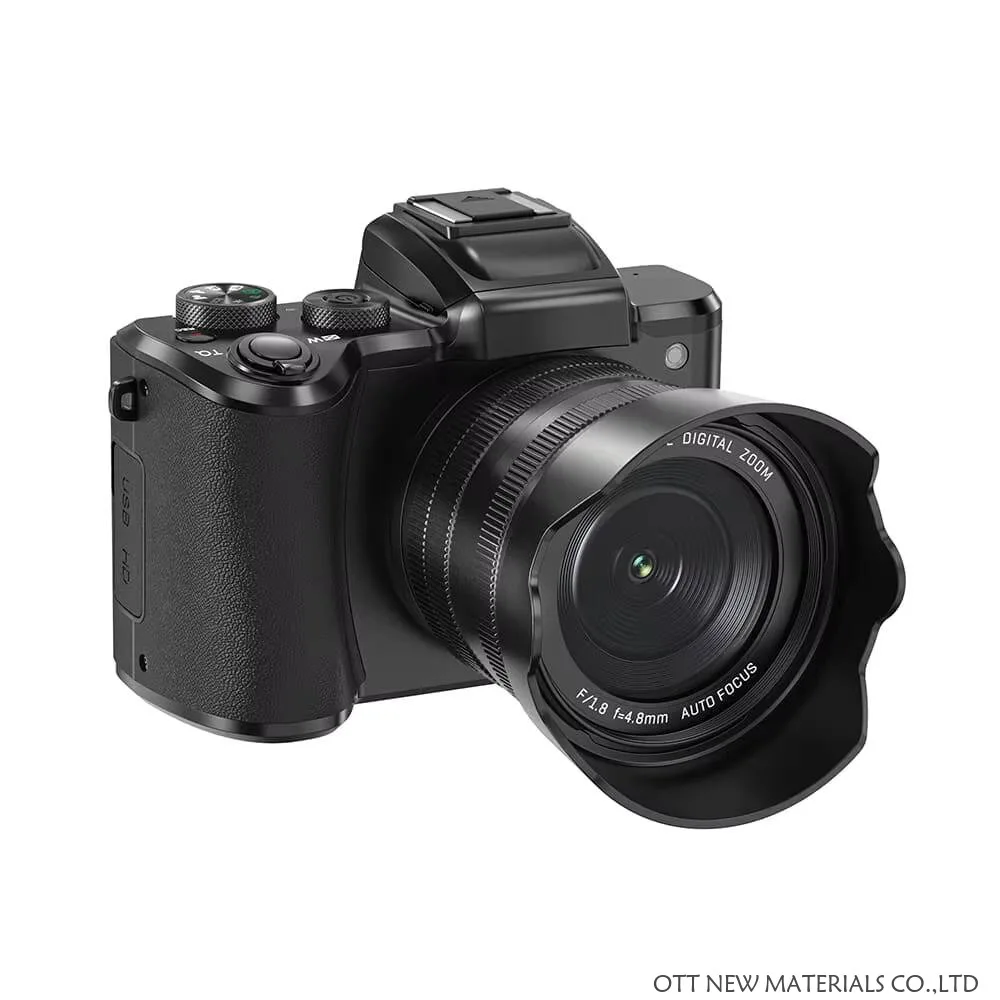
- Mirrorless Interchangeable-Lens Systems (e.g., Sony a7 V, Canon EOS R50, Fujifilm X100VI): Prioritize flexibility, lens choice, and future-proofing. Best when you plan to grow your kit over 3+ years.
- Fixed-Lens Compacts (e.g., Fujifilm X100VI, Ricoh GR IIIx): Maximize portability and immediacy. Ideal if you want “one camera, one lens, zero decisions” at street level.
- Vlogging-Specific Devices (e.g., Insta360 Luna Ultra): Integrate stabilization, dual sensors, and touchscreen controls into a single ergonomic package. Worth it only if handheld video is your dominant output.
- Medium Format & High-Resolution Tools (e.g., Hasselblad X2D II): Serve niche professional needs—large-format printing, commercial retouching, archival work. Overkill for social sharing or casual documentation.
When it’s worth caring about: whether your workflow requires lens swapping or benefits from built-in stabilization. When you don’t need to overthink it: minor differences in burst speed between mid-tier APS-C models—if you rarely shoot moving subjects.
Key Features and Specifications to Evaluate
Don’t default to megapixels or ISO range alone. Focus instead on metrics tied directly to outcomes:
- Autofocus reliability: Look for real-time eye/animal/vehicle tracking tested in low light—not just headline specs. If you shoot kids, pets, or events, this is non-negotiable.
- Video codec & bit depth: 4K60 10-bit internal recording enables smoother color grading than 8-bit—even if you don’t edit professionally.
- Lens mount maturity: Check how many native lenses exist, their price tiers, and third-party support (e.g., Sigma, Tamron). A “great body” with only two affordable lenses limits long-term value.
- Battery life & dual-slot support: Critical for travel or documentary work. A single SD card slot creates single-point failure risk.
- Build quality & weather sealing: Not just for rain—it affects longevity under daily handling and temperature shifts.
When it’s worth caring about: whether the camera supports ProRes or All-I codecs internally—if you edit natively in Final Cut or DaVinci Resolve. When you don’t need to overthink it: slight variations in EVF resolution between $1,500–$2,000 models—if you wear glasses or shoot in bright sun, physical ergonomics matter more.
Pros and Cons
✅ Pros
- Superior dynamic range vs. smartphones—especially in mixed lighting
- Consistent color science across generations (e.g., Fujifilm’s Film Simulations)
- Tactile controls reduce reliance on touchscreens during critical moments
- Longer usable lifespan: bodies often remain relevant for 5–7 years with firmware updates
❌ Cons
- Steeper learning curve for manual exposure and focus modes
- No built-in cloud sync or automatic sharing—requires intentional file management
- Accessories (batteries, cards, straps) add recurring cost
- Diminishing returns beyond ~$1,200 for non-professional use cases
How to Choose the Right Digital Camera in 2026
Follow this decision checklist—designed to eliminate common traps:
- Define your primary output: Still photos only? Hybrid? Vertical-first social clips? Match the tool to the output—not aspiration.
- Check your existing gear: Do you already own lenses? Stick with the same mount unless switching unlocks clear advantages (e.g., Canon RF’s faster AF vs. older EF).
- Test real-world battery life: Manufacturer ratings assume optimal conditions. Independent reviews show actual usage is often 30–40% lower.
- Avoid “future-proofing” anxiety: No camera lasts forever—but mirrorless systems evolve incrementally. A 2024 body with good AF and 4K30 remains highly capable in 2026.
- Ignore “best for beginners” labels if you’ve shot with manual mode before: Many “entry-level” models lack essential pro features (dual card slots, 10-bit video) you’ll miss later.
Two most common ineffective纠结 points: (1) debating full-frame vs. APS-C sensor size *before* identifying your lens needs, and (2) comparing ISO performance charts without testing noise behavior at your typical shooting settings (e.g., indoor daylight vs. concert lighting). The one reality constraint that truly impacts results? Your willingness to carry it daily. A $6,400 Hasselblad X2D II won’t improve your photography if it stays in the bag 5.
Insights & Cost Analysis
Price is no longer linear with capability. Here’s what $500–$2,500 actually buys in 2026:
| Category | What You Get | Realistic Budget Range (2026) |
|---|---|---|
| Entry-Level Hybrid | 24MP APS-C, 4K30 oversampled, 15fps burst, basic AI AF | $499–$699 (e.g., Canon EOS R50, Nikon Z30) |
| Mid-Tier Full-Frame | 24–33MP FF, 4K60 10-bit, dual SD, weather sealing | $1,497–$1,999 (e.g., Nikon Z5 II, Sony a7 IV) |
| Premium Compact | 40MP APS-C, fixed 35mm f/2, 5-axis IBIS, film simulations | $1,999–$2,299 (e.g., Fujifilm X100VI) |
| Pro-Grade Mirrorless | 33MP FF, 4K120, 30fps, advanced subject tracking, CFexpress Type A | $2,698–$2,999 (e.g., Sony a7 V) |
Note: Bulk or refurbished units on B2B platforms show discounts of 10–15% for models like the Sony a7 V ($2,336–$2,647), but warranty and calibration verification are essential 6.
Better Solutions & Competitor Analysis
For most buyers, “better” means matching capability to habit—not chasing peak specs. Consider these alternatives to mainstream picks:
| Use Case | Recommended Alternative | Key Advantage | Potential Issue |
|---|---|---|---|
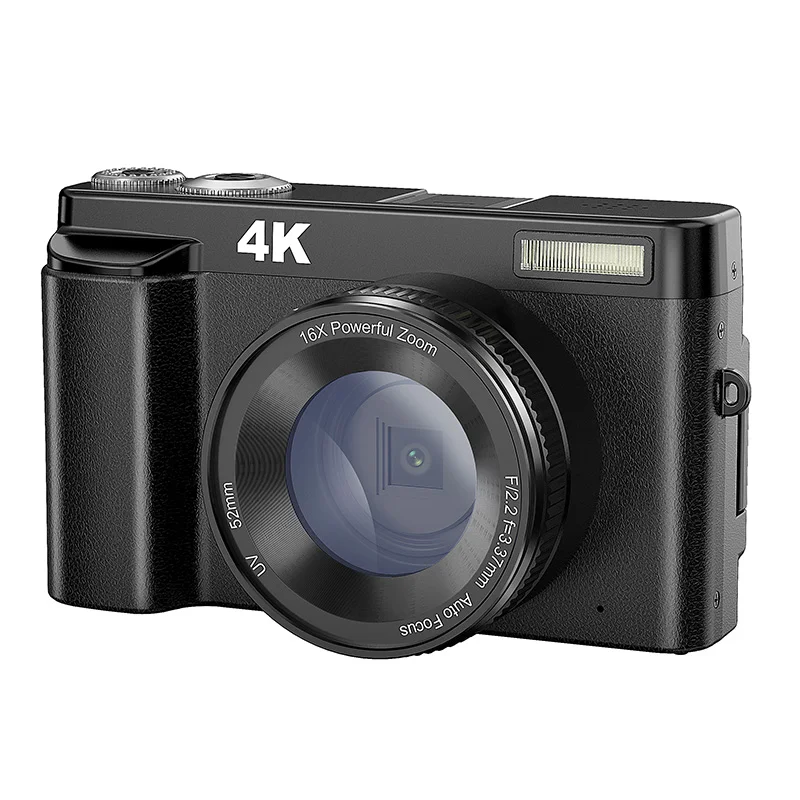
| Student / Content Creator on Tight Budget | Generic 4K vlogging mirrorless (B2B-sourced) | Starts at $108 in bulk; includes flip screen & mic input | Limited firmware updates; inconsistent AF reliability |
| Street Photography Enthusiast | Ricoh GR IIIx (APS-C, 26mm equiv, 28MP) | Smallest true APS-C body; snap-focus; optical viewfinder option | No IBIS; limited battery life; no 4K video |
| Hybrid MFT User Needing Pro Video | Lumix G9 II (25MP, 5.7K60 10-bit, ProRes) | Better video specs than many full-frame rivals at lower weight | Smaller sensor limits low-light stills vs. FF |
Customer Feedback Synthesis
Based on aggregated reviews across Wirecutter, RTINGS, and Consumer Reports 789:
- Top 3 praised features: Reliable eye-AF (especially Sony/Fujifilm), intuitive physical dials (X100VI, GR IIIx), and seamless smartphone transfer via Bluetooth/Wi-Fi.
- Top 3 complaints: Short battery life (especially on 4K-heavy models), menu complexity in entry-level Canon/Nikon bodies, and overheating during extended 4K60 recording (noted in several mid-tier models).
Maintenance, Safety & Legal Considerations
Digital cameras require minimal safety oversight—no batteries exceed UN38.3 transport limits, and no models emit regulated radiation. Key maintenance practices:
- Clean sensors only with approved tools—never compressed air or cotton swabs.
- Store in climate-controlled environments: avoid prolonged exposure to >40°C or <0°C.
- Update firmware regularly: fixes known AF bugs and improves thermal management.
- Use reputable memory cards rated for your camera’s write speeds (e.g., V90 for 4K120).
No country restricts ownership or import of these consumer-grade devices—but check local customs duties for cross-border B2B purchases.
Conclusion
If you need hybrid photo/video output with professional-grade reliability, choose the Sony a7 V. If you’re new to manual controls and want room to grow, the Canon EOS R50 offers the clearest on-ramp. If portability and joy-of-use drive your decisions, the Fujifilm X100VI delivers unmatched cohesion between design and function. If you shoot exclusively for social feeds and prioritize ease over fidelity, a modern smartphone remains objectively sufficient—and that’s fine. If you’re a typical user, you don’t need to overthink this: start with your habits, not headlines.


