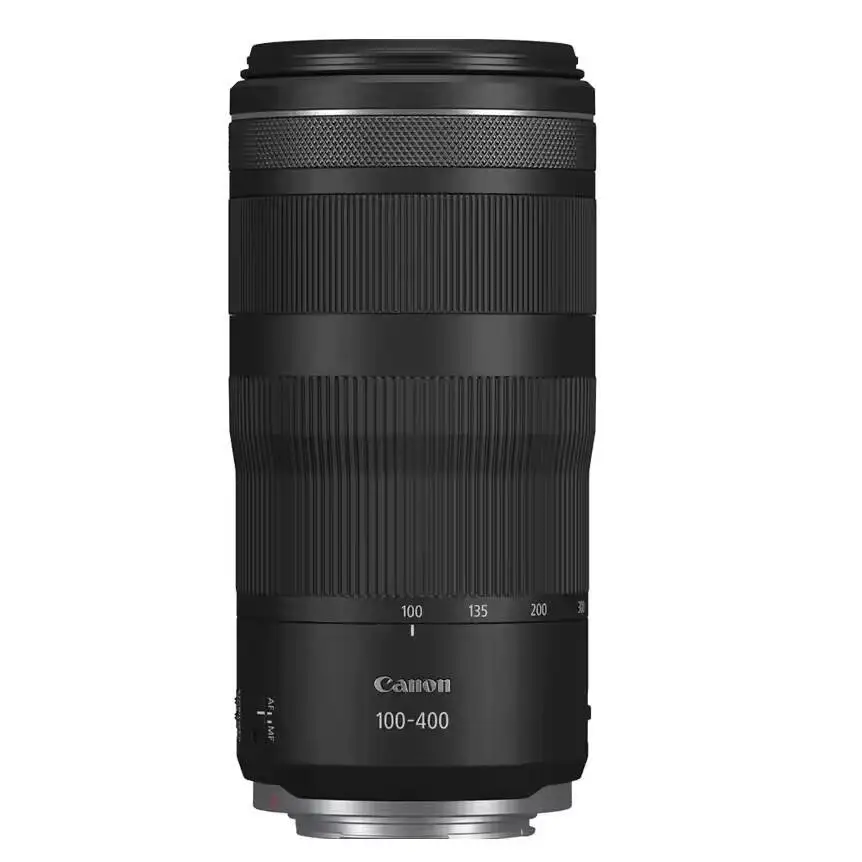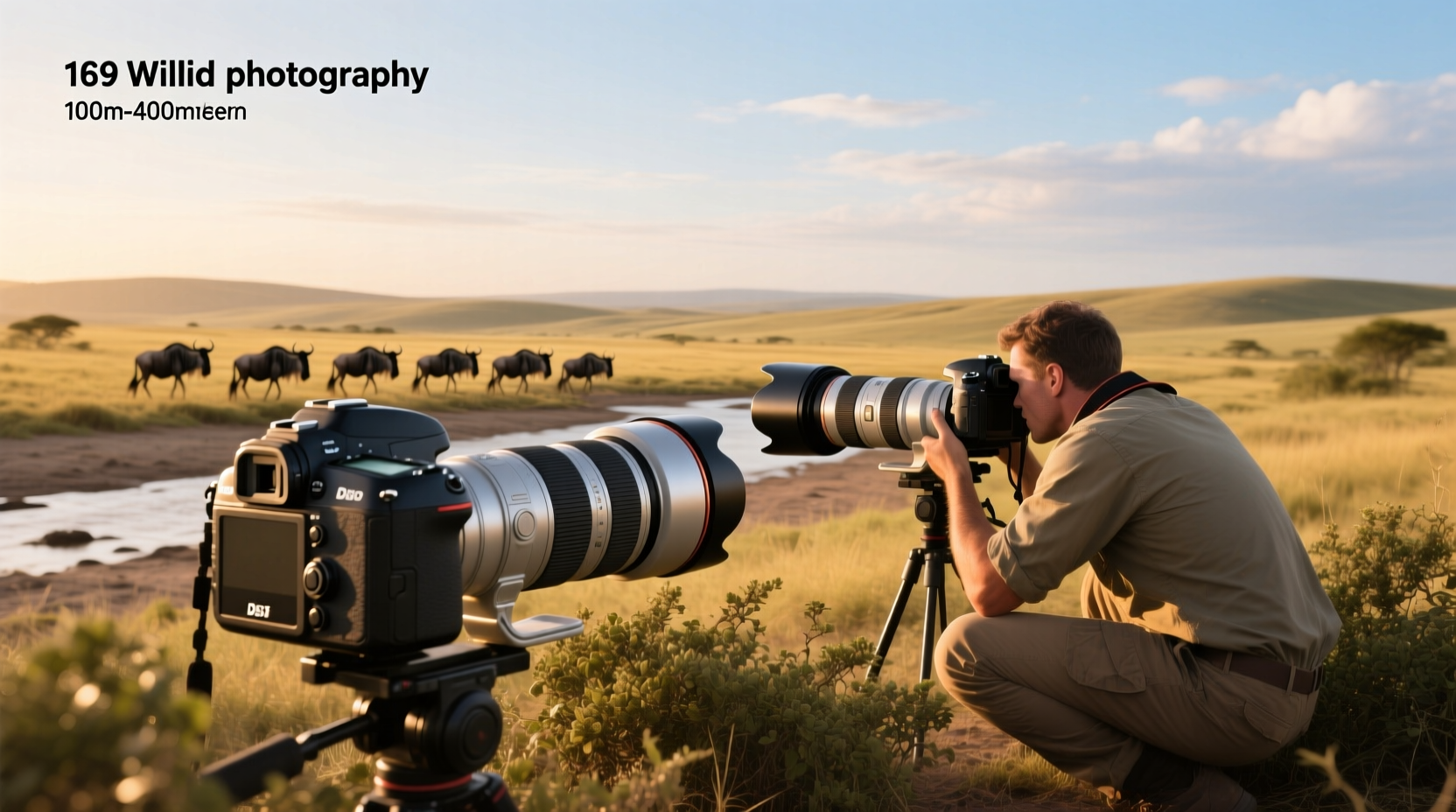
Lately, the 100–400mm lens category has shifted decisively: mirrorless-native designs now dominate, and weight—not just focal length—is the top decision driver. If you’re a typical user, you don’t need to overthink this. For most photographers who shoot wildlife, travel, or sports handheld, the Canon RF 100–400mm f/5.6–8 IS USM (635g) delivers usable reach without fatigue—especially when paired with an IBIS-equipped body like the EOS R6 Mark II 1. Professionals needing edge-to-edge sharpness and weather sealing should prioritize the Nikon Z 100–400mm f/4.5–5.6 VR S—even at 1,360g—because its dual-stabilization synergy and build quality justify the heft 1. Avoid older DSLR-era zooms unless you’re adapting them to a high-resolution mirrorless body—and even then, expect compromises in autofocus speed and corner resolution. This piece isn’t for keyword collectors. It’s for people who will actually use the product.
About 100–400mm Lenses: Definition & Typical Use Cases
A 100–400mm lens is a telephoto zoom covering a versatile super-telephoto range—from tight portraits at 100mm to distant wildlife or sports action at 400mm. Unlike prime lenses, it trades maximum aperture for flexibility across distances. Its sweet spot lies in scenarios where mobility matters but subject distance prevents close approach: safari photography, birding from observation blinds, youth sports sidelines, festival crowd shots, and travel landscapes with compressed perspective.
It’s not a studio tool. It’s not ideal for low-light indoor events without flash. And it’s rarely used for macro or street work—its minimum focus distance (typically 0.9–1.2m) and physical size make those applications impractical. What defines modern 100–400mm lenses isn’t just focal length—it’s how well they integrate with mirrorless systems: native mount design, communication speed, and stabilization handshaking.
Why 100–400mm Lenses Are Gaining Popularity
Over the past year, demand for 100–400mm lenses has grown—not because cameras got better, but because users got more mobile. Mirrorless adoption surged, and photographers realized that carrying a 1,500g DSLR telezoom plus battery grip wasn’t sustainable for full-day hikes or airport transfers. The market responded: lightweight alternatives dropped below 700g while retaining optical integrity. Simultaneously, dual-stabilization (lens + IBIS) matured, delivering up to 6 stops of compensation—making 400mm handheld shots viable in daylight 1. That’s not incremental improvement. It’s a behavior shift: from tripod-dependent to walk-and-shoot confidence.
Approaches and Differences: Native Mirrorless vs Adapted DSLR vs Third-Party
Three main approaches define today’s 100–400mm landscape:
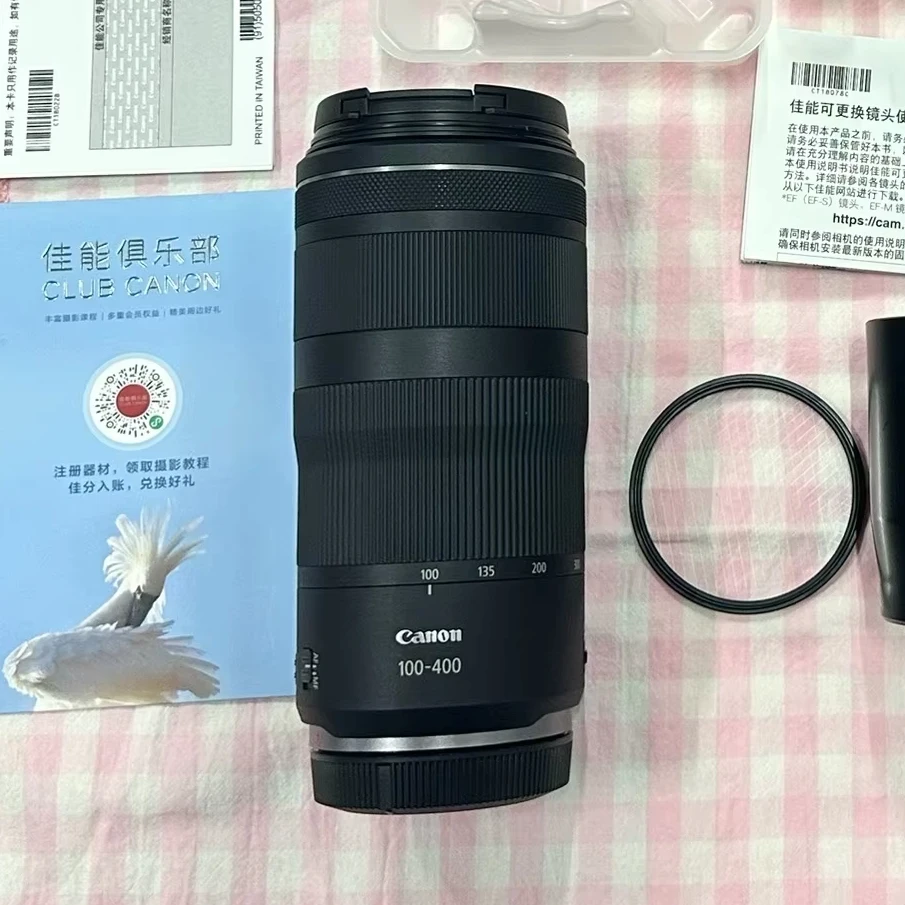
- Native mirrorless lenses (e.g., Canon RF, Nikon Z, Sony FE): Optimized for short flange distance, faster AF, tighter communication, and compact form. Best for future-proofing and system integration—but often premium-priced.
- Adapted DSLR lenses (e.g., Canon EF 100–400mm Mk II via EF-RF adapter): Still optically excellent, but bulkier, slower to focus, and lack full stabilization coordination. Worth considering only if you already own one and shoot on a newer body with strong AF assist 2.
- Third-party native lenses (e.g., Sigma 100–400mm DG DN OS for Sony E/L-mount): Deliver pro-grade optics at mid-tier pricing, with good weather sealing and reliable stabilization—but may lag behind first-party firmware updates.
When it’s worth caring about: Native mount compatibility directly affects AF reliability, stabilization sync, and EXIF data accuracy—especially critical for burst shooting or video. When you don’t need to overthink it: If you’re using a Canon R-series or Nikon Z camera, stick with native RF or Z lenses unless budget forces compromise. Third-party options are viable for Sony and L-mount users—but verify recent firmware support before buying.
Key Features and Specifications to Evaluate
Don’t default to specs alone. Prioritize features that impact real-world use:
- Weight & balance: Sub-700g models (like the Canon RF 100–400mm) let you shoot all day without shoulder strain. Over 1,200g demands a monopod or strap system—and changes your shooting rhythm.
- Stabilization synergy: Look for lenses that explicitly advertise “coordinated IS” or “dual IS” with your camera body. Without it, you lose up to 2–3 stops of effective compensation 1.
- Aperture consistency: Most 100–400mm lenses are variable (f/4.5–5.6 or f/5.6–8). The f/5.6–8 range means less light at 400mm—so pair it with a high-ISO-capable body (e.g., Sony A7 IV, Canon R6 II, Nikon Z6 II).
- Weather sealing: Not optional for safari or coastal birding. Check for gaskets at mount, zoom ring, and focus ring—not just marketing claims.
Pros and Cons: Who Is This Lens For?
Pros:
- Single-lens versatility across 4× focal range—no lens swapping mid-action.
- Lightweight native options now make super-telephoto accessible to non-professionals.
- Dual IS enables sharp 400mm shots at 1/15s or slower—vital for golden hour wildlife.
Cons:
- Variable apertures limit low-light flexibility—especially at 400mm.
- Optical compromises exist at extreme zoom: soft corners, chromatic aberration, and focus breathing in video.
- High-end models remain expensive ($1,800–$2,800), and third-party alternatives may lack long-term firmware support.
When it’s worth caring about: If you regularly shoot in rain, dust, or high-humidity environments, weather sealing isn’t optional—it’s durability insurance. When you don’t need to overthink it: For backyard birding or weekend travel, basic dust/moisture resistance suffices. Don’t pay a $500 premium for “pro-grade sealing” unless your itinerary includes Serengeti dry season or Patagonian wind.
How to Choose a 100–400mm Lens: A Practical Decision Checklist
Follow this sequence—skip steps only if criteria are clearly met:
- Confirm your camera mount: Canon RF? Nikon Z? Sony E? L-mount? No exceptions—adapters add bulk, reduce AF speed, and break stabilization handshake.
- Define your primary use case: Safari → prioritize weather sealing + 6-stop IS. Travel → prioritize sub-700g weight + compact collapsed length. Studio or tripod-based work → prioritize optical sharpness over weight.
- Check your body’s IBIS capability: If your camera lacks IBIS (e.g., Canon RP, older Sony A6xxx), lens-based IS becomes non-negotiable—and dual-IS advantages vanish.
- Test the zoom ring ergonomics: Some lightweight lenses use plastic zoom rings that slip or feel vague. Visit a store or watch hands-on videos focusing on tactile feedback.
- Avoid these common traps:
- Assuming “400mm” means “400mm on any sensor”—crop-sensor bodies deliver 600mm-equivalent FOV, but also magnify softness and noise.
- Buying based solely on MTF charts—real-world bokeh rendering and focus transition smoothness matter more for wildlife than peak center sharpness.
- Ignoring minimum focus distance—if it’s 1.2m, you can’t photograph perched songbirds from 3 feet away.
Insights & Cost Analysis
Price remains tightly coupled to engineering priorities. Here’s how tiers break down in mid-2026:
| Lens Model | Mount | Weight | Key Strength | Potential Issue | MSRP (USD) |
|---|---|---|---|---|---|
| Nikon Z 100–400mm f/4.5–5.6 VR S | Z | 1,360g | Best-in-class sharpness & weather sealing | Heaviest; premium price | $2,799 |
| Canon RF 100–400mm f/5.6–8 IS USM | RF | 635g | Lightest native option; excellent value | f/8 at 400mm limits low-light use | $999 |
| Sigma 100–400mm DG DN OS | C | Sony E / L-mount | 1,130g | Pro optics at mid-tier price; strong IS | Firmware updates lag behind Sony’s own releases | $1,399 |
| Canon EF 100–400mm f/4.5–5.6L IS II USM + Adapter | RF (via adapter) | 1,640g | Proven optics; excellent resale value | No dual IS; slower AF on R bodies | $1,999 (lens) + $200 (adapter) |
If you’re a typical user, you don’t need to overthink this. The $999 Canon RF 100–400mm hits the widest usability sweet spot—light enough for all-day use, sharp enough for web and print up to 13×19", and compatible with Canon’s strongest IBIS bodies. Save the $2,799 Nikon for clients who demand absolute optical fidelity—or when renting for a single high-stakes assignment.
Better Solutions & Competitor Analysis
For many users, pairing a 100–400mm lens with a 1.4x teleconverter (TC) offers smarter reach than chasing heavier 500mm+ primes. Modern TCs (e.g., Canon Extender RF 1.4x) retain autofocus down to f/8—and with the RF 100–400mm at f/8, that yields 140–560mm at f/11. Yes, you lose light—but gain focal length without doubling weight or cost.
Competitor analysis shows clear segmentation:
| Category | Suitable For | Potential Problem | Budget Range |
|---|---|---|---|
| Pro-Grade Native (Nikon Z, Sony G Master) | Commercial wildlife, broadcast, demanding clients | Weight and cost limit casual use | $2,200–$2,800 |
| Lightweight Native (Canon RF) | Travel, hiking, hobbyist wildlife, hybrid shooters | Slower max aperture at long end | $900–$1,100 |
| Third-Party Balanced (Sigma DG DN) | Sony/L-mount users wanting pro features without flagship price | Less frequent firmware updates | $1,300–$1,500 |
Customer Feedback Synthesis
Aggregated from forums, retailer reviews, and field reports (2025–2026):
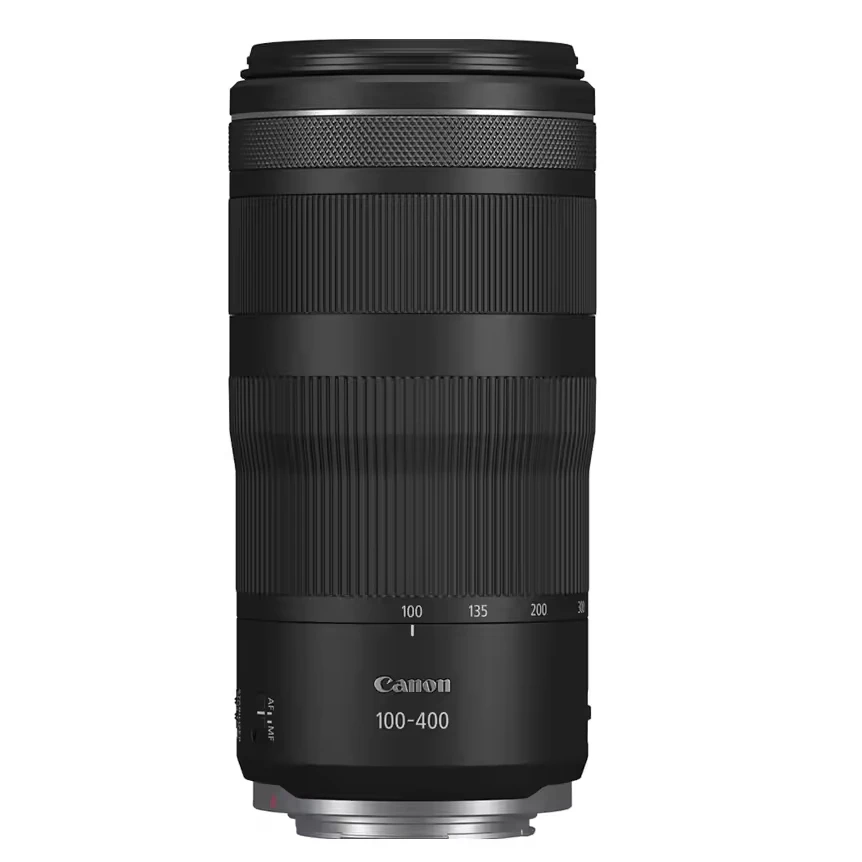
- Top praise: “Carried it 12 miles across Kruger National Park—zero fatigue.” (RF user, safari trip); “The IS lets me shoot 400mm at 1/25s in fading light—game-changing.” (Z user, birding forum).
- Most common complaint: “Soft corners at 400mm wide open—requires stopping down to f/8 or cropping.” (Across RF, Z, and Sigma models); “Zoom creep on older versions—newer RF and Z lenses fixed this with locking switches.”
- Underreported strength: Near-silent stepping motors (STM/Linear Motor) make these lenses viable for video interviews and documentary work—something older ultrasonic motors struggled with.
Maintenance, Safety & Legal Considerations
No special legal restrictions apply to owning or using 100–400mm lenses. However, practical safety and longevity practices matter:
- Transport: Always use a padded, rigid case—not just a sling bag—especially for lenses over 1kg. Vibration during travel degrades IS calibration over time.
- Cleaning: Use only lens-specific microfiber and fluid. Never wipe zoom or focus rings with solvent—it degrades rubberized coatings and internal grease.
- Storage: Store zoomed to shortest position (100mm) to reduce stress on internal elements. Include silica gel in storage cases in humid climates.
Conclusion: Conditional Recommendations
If you need maximum portability and daily usability, choose the Canon RF 100–400mm f/5.6–8 IS USM—it’s the most balanced entry point for mirrorless users prioritizing endurance over absolute optical perfection.
If you need weather-sealed reliability and edge-to-edge resolution for paid assignments, the Nikon Z 100–400mm f/4.5–5.6 VR S remains the benchmark—even with its weight.
If you shoot Sony E-mount or L-mount and want pro features without flagship pricing, the Sigma 100–400mm DG DN OS delivers measurable value—and avoids the compromises of adapted DSLR glass.
And again: If you’re a typical user, you don’t need to overthink this. Start with your body’s native mount, define your top two use cases, and match weight and stabilization to your physical workflow—not spec-sheet ideals.
Frequently Asked Questions