
If you’re a typical user—shooting wildlife on weekend hikes, birds at the local park, or high school sports under daylight—you don’t need to overthink this. Over the past year, the 100–400mm lens category has split cleanly into two functional tiers: one built for elite burst shooting and low-light action (f/4.5 constant, ~1,840g, $4,300), and another engineered for handheld portability and value (f/5.6–8 variable, ~635g, $650–$850)12. The real decision isn’t about “which is better”—it’s whether your use case demands the speed and stability of pro-grade optics, or if lightweight reach with sharp daylight performance meets your actual needs. This piece isn’t for keyword collectors. It’s for people who will actually use the product.
About 100–400mm Lenses: Definition & Typical Use Cases
A 100–400mm zoom lens covers a versatile telephoto range—from tight portraits at 100mm to distant subject isolation at 400mm. Unlike primes, it offers compositional flexibility without swapping glass. Its sweet spot lies between accessibility and reach: wide enough to include context, long enough to compress distance meaningfully. Typical users include:
- 📷 Wildlife & bird photographers working from observation decks, trails, or safari vehicles;
- ⚽ Sports shooters covering youth leagues, track meets, or amateur soccer—where mobility matters more than studio lighting;
- ✈️ Aviation and event photographers capturing aircraft flybys or festival stages from safe distances;
- 🎒 Travel and hiking enthusiasts who prioritize pack weight and battery life over maximum aperture.
It’s not a macro lens. It’s not a walk-around zoom. It’s a purpose-built tool—and its value emerges only when matched to realistic shooting conditions.
Why 100–400mm Lenses Are Gaining Popularity in 2026
Lately, adoption has surged—not because specs improved dramatically, but because usage patterns shifted. Mirrorless systems now dominate new camera sales, and their compact bodies expose the physical mismatch of legacy DSLR-era telephotos. Users no longer tolerate carrying 2kg lenses for half-day outings. At the same time, sensor resolution and AI-driven autofocus have raised the bar for usable reach: a soft 400mm image isn’t acceptable when your camera captures 61MP files. That tension—between optical capability and human ergonomics—has driven two parallel innovations:
- The weight war: New “ultra-light” designs hit sub-700g without sacrificing edge-to-edge sharpness at f/83;
- AF synergy: Lenses now communicate bidirectionally with bodies at 120 fps burst rates, enabling reliable subject tracking even during rapid focal-length changes4.
This isn’t about chasing specs—it’s about adapting optics to how people actually shoot today.
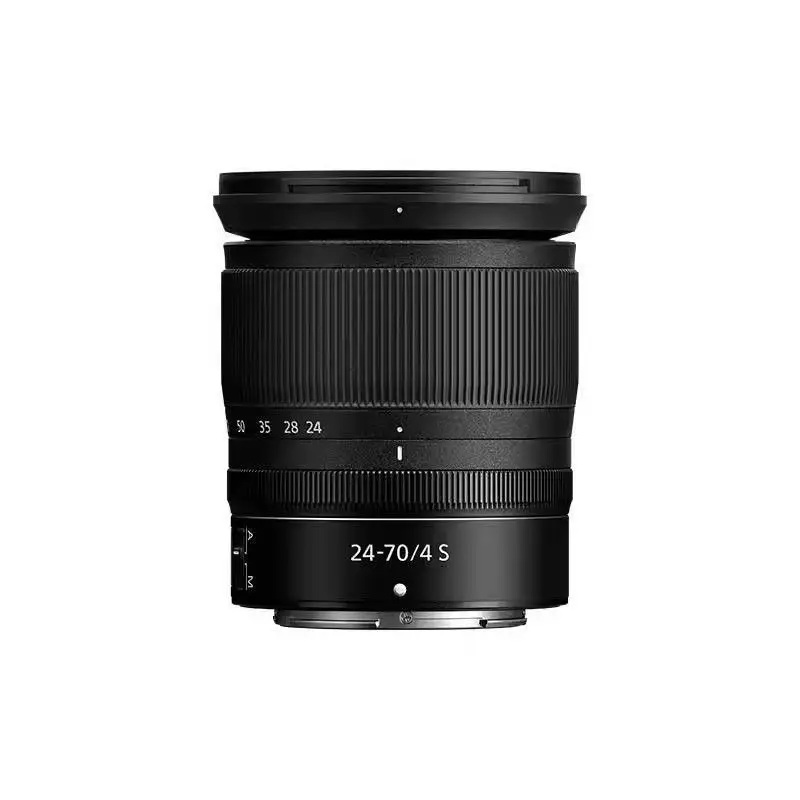
Approaches and Differences: Pro, Budget, and Third-Party Options
Three distinct approaches define the 2026 market—not by brand, but by engineering priorities.
🔹 Professional / Constant-Aperture Lenses (e.g., Sony FE 100–400mm f/4.5 GM)
- Pros: Consistent exposure across zoom range; internal zoom maintains balance and weather sealing; optimized for 120 fps tracking; minimal focus breathing.
- Cons: Heavy (~1,840g); expensive ($4,300); over-engineered for daylight-only use.
- When it’s worth caring about: You shoot fast-moving subjects in mixed light (e.g., indoor arenas, dusk football games) and rely on continuous AF tracking.
- When you don’t need to overthink it: If your longest session is 90 minutes and your subjects are static or well-lit—If you’re a typical user, you don’t need to overthink this.
🔹 Consumer / Lightweight Variable-Aperture Lenses (e.g., Canon RF 100–400mm f/5.6–8 IS USM)
- Pros: Light (~635g); compact when retracted; sharp center-to-midframe at f/8; excellent IBIS+OSS sync.
- Cons: Slower AF in low contrast; aperture narrows to f/8 at 400mm, limiting shutter speed in shade; no dust/weather sealing.
- When it’s worth caring about: You hike with gear, shoot at zoos or nature reserves, or travel internationally with carry-on limits.
- When you don’t need to overthink it: If you never shoot below ISO 1600 or rarely exceed 1/500s shutter speed—If you’re a typical user, you don’t need to overthink this.
🔹 Third-Party Value Alternatives (e.g., Tamron 100–400mm Di VC USD)
- Pros: Lower price point ($799); proven optical consistency; compatible via adapters (E-mount, RF, MFT).
- Cons: Slightly slower communication protocol—may limit burst AF reliability on latest flagships; bulkier than native mirrorless designs.
- When it’s worth caring about: You own older mirrorless or DSLR bodies and want future-proof reach without flagship pricing.
- When you don’t need to overthink it: If your camera shoots 10 fps or less and you don’t depend on eye-tracking in real time.
Key Features and Specifications to Evaluate
Don’t start with megapixels or MTF charts. Start with what moves in your hand—and what stays still in your frame.
- Weight & balance: A lens that shifts forward at 400mm fatigues your wrist faster than any spec sheet admits. If it weighs >800g and extends outward, test it handheld for 5 minutes before buying.
- Zoom mechanism: Internal zoom (fixed length) improves stability and seals better—but adds weight. Extending zoom saves grams but changes handling mid-shot.
- AF motor type: XD Linear Motors (Sony) or Nano USM (Canon) deliver near-silent, precise focus. Older USD or DC motors lag noticeably on fast subjects.
- IBIS + OSS sync: Not all lenses support full Synchro-VR. Check your camera model’s compatibility list—this feature alone can recover 3–4 stops of handheld usability5.
- Minimum focusing distance: Ranges from 1.3m (Canon RF) to 1.6m (Sony GM). Critical for close-up wildlife—like butterflies or perched birds.
Pros and Cons: Balanced Assessment
No lens excels in every condition. Here’s where trade-offs become visible:
- Sharpness: All current 100–400mm lenses deliver excellent center sharpness at f/8. Corner softness appears only at widest apertures—and only matters if you crop aggressively or print large.
- Low-light usability: f/4.5 allows 1/1000s at ISO 800 in twilight. f/8 forces ISO 3200 or slower shutter—acceptable for static subjects, risky for motion.
- Portability vs. durability: Lightweight plastic barrels resist scratches but dent easily. Magnesium alloy builds last decades—but add heft that compounds over time.
- Future-proofing: Native mirrorless mounts (RF, E, Z) receive firmware updates and AF refinements. DSLR-era lenses (EF, F-mount) won’t.
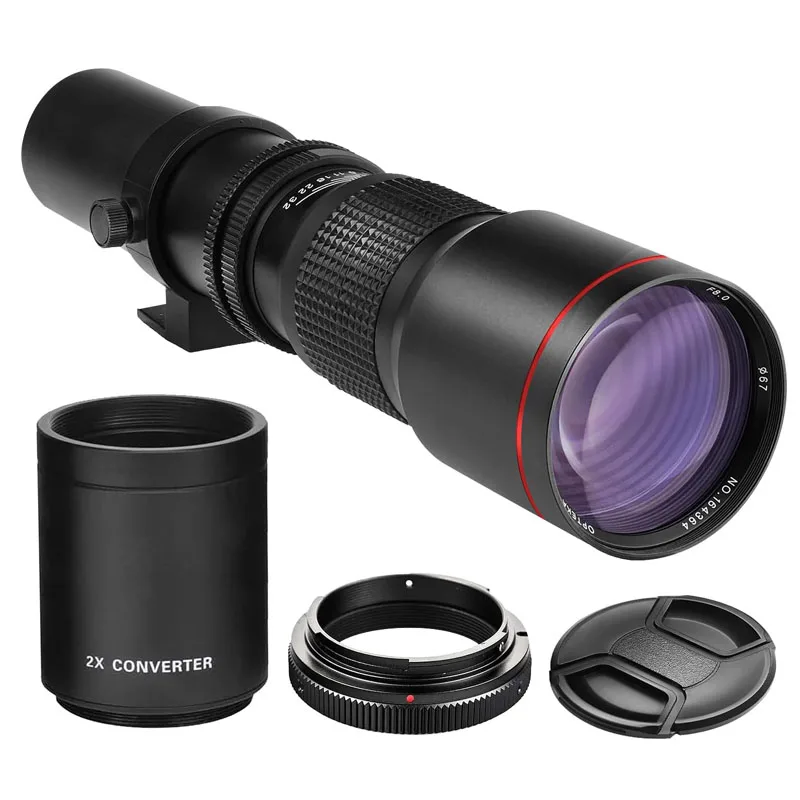
How to Choose a 100–400mm Lens: A Step-by-Step Decision Guide
Follow this sequence—not in order of preference, but in order of consequence:
- Rule out based on weight: Can you hold it at 400mm for 2 minutes without arm fatigue? If not, eliminate anything >750g.
- Rule out based on light: Do you regularly shoot before sunrise or after sunset? If yes, avoid variable f/5.6–8 unless you’ll pair it with a flash or tripod.
- Rule out based on body compatibility: Does your camera support lens-based OSS + IBIS sync? If not, prioritize lenses with stronger optical stabilization.
- Rule out based on workflow: Do you shoot JPEGs or RAW? Do you edit on mobile or desktop? If you rarely crop, corner resolution matters less.
- Avoid this common trap: Buying “just in case.” A 100–400mm lens isn’t a walk-around lens. It’s situational gear. If you won’t use it ≥12 times/year, rent first.
Insights & Cost Analysis
Price reflects engineering intent—not just quality. Here’s what $650–$4,300 actually buys you:
- $650–$850 tier: Optimized for daylight reach and travel weight. Sharpness matches pro lenses at f/8; AF is reliable up to ~10 fps. Ideal for 80% of hobbyist use cases.
- $2,200–$3,500 tier: Bridges consumer and pro needs—e.g., Sigma 100–400mm DG DN OS | Contemporary. Lighter than f/4.5 GMs, faster than budget options, strong build.
- $3,500–$4,500 tier: Built for commercial output: consistent f/4.5, sealed against dust/moisture, calibrated for AI tracking latency <12ms.
You pay for repeatability—not peak resolution. For most users, the $650–$850 tier delivers >90% of real-world benefit at <20% of the cost.
| Category | Suitable For | Potential Limitation | Budget Range (USD) |
|---|---|---|---|
| Professional f/4.5 Constant | Commercial sports, low-light wildlife, studio-to-field transitions | Overkill for daylight hiking or casual use; requires sturdy support | $3,500 – $4,500 |
| Consumer f/5.6–8 Lightweight | Zoo visits, travel, birding, daylight events | Struggles in shade or at dusk; no weather sealing | $650 – $850 |
| Third-Party Value (Tamron/Sigma) | DSLR owners upgrading to mirrorless; budget-conscious hybrid shooters | Limited burst AF sync on newest bodies; adapter adds bulk | $799 – $1,299 |
Better Solutions & Competitor Analysis
Some alternatives solve adjacent problems—but aren’t direct 100–400mm replacements:
- Tamron 50–400mm f/4.5–6.3: Wider starting point helps composition—but heavier (1,150g) and softer at 400mm corners.
- Sigma 150–600mm Contemporary: More reach, but 2,000g and poor handheld ergonomics—even with monopod.
- 1.4x Teleconverter + 70–200mm: Cheaper path to 280mm, but loses 1 stop, degrades AF speed, and cuts resolution.
The 100–400mm remains the only focal range that balances reach, portability, and optical consistency without compromise—making it the default choice for deliberate telephoto work.
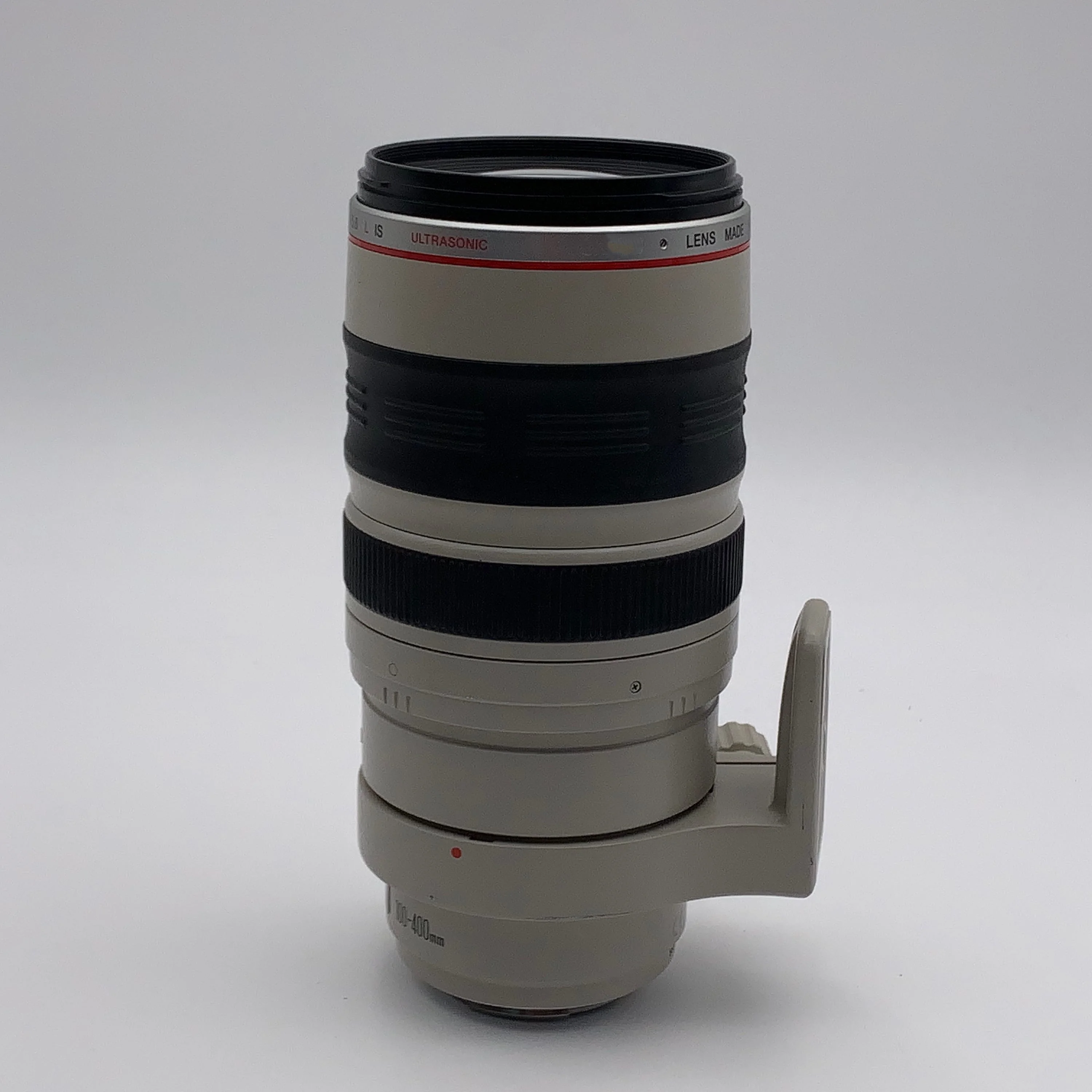
Customer Feedback Synthesis
Based on aggregated reviews (Reddit, DPReview, SLR Lounge, BCG Forums), recurring themes emerge:
- Top 3 praises: “Surprisingly sharp at f/8,” “light enough to forget I’m carrying it,” “OSS works flawlessly with IBIS.”
- Top 3 complaints: “AF hunts in backlight,” “no lens hood included,” “build feels plasticky compared to L-series.”
- Notable insight: Users who expected “pro-level speed” from budget lenses expressed disappointment—but those who adjusted expectations (e.g., shooting only in daylight, using back-button focus) reported high satisfaction.
Maintenance, Safety & Legal Considerations
These are optical tools—not regulated devices—so no certifications apply. However, practical care matters:
- Cleaning: Use lens pens for smudges; avoid alcohol-based solutions on fluorine coatings.
- Storage: Keep in dry, cool environments. Silica gel packs prevent fungal growth in humid climates.
- Safety: Never point any telephoto lens directly at the sun—even briefly. Heat buildup can damage sensors or ignite flammable materials.
- Legal note: Wildlife photography laws vary by region (e.g., minimum approach distances in national parks). Always verify local regulations before entering protected areas.
Conclusion: Conditional Recommendations
If you need reliable AF tracking in variable light and plan daily professional use, choose a constant f/4.5 lens like the Sony FE 100–400mm f/4.5 GM.
If you need sharp, handheld reach for travel, hiking, or daylight wildlife, the Canon RF 100–400mm f/5.6–8 IS USM delivers exceptional value.
If you shoot on older bodies or prioritize cross-platform flexibility, Tamron’s 100–400mm Di VC USD remains a durable, cost-effective option.
Everything else is optimization—not necessity.


