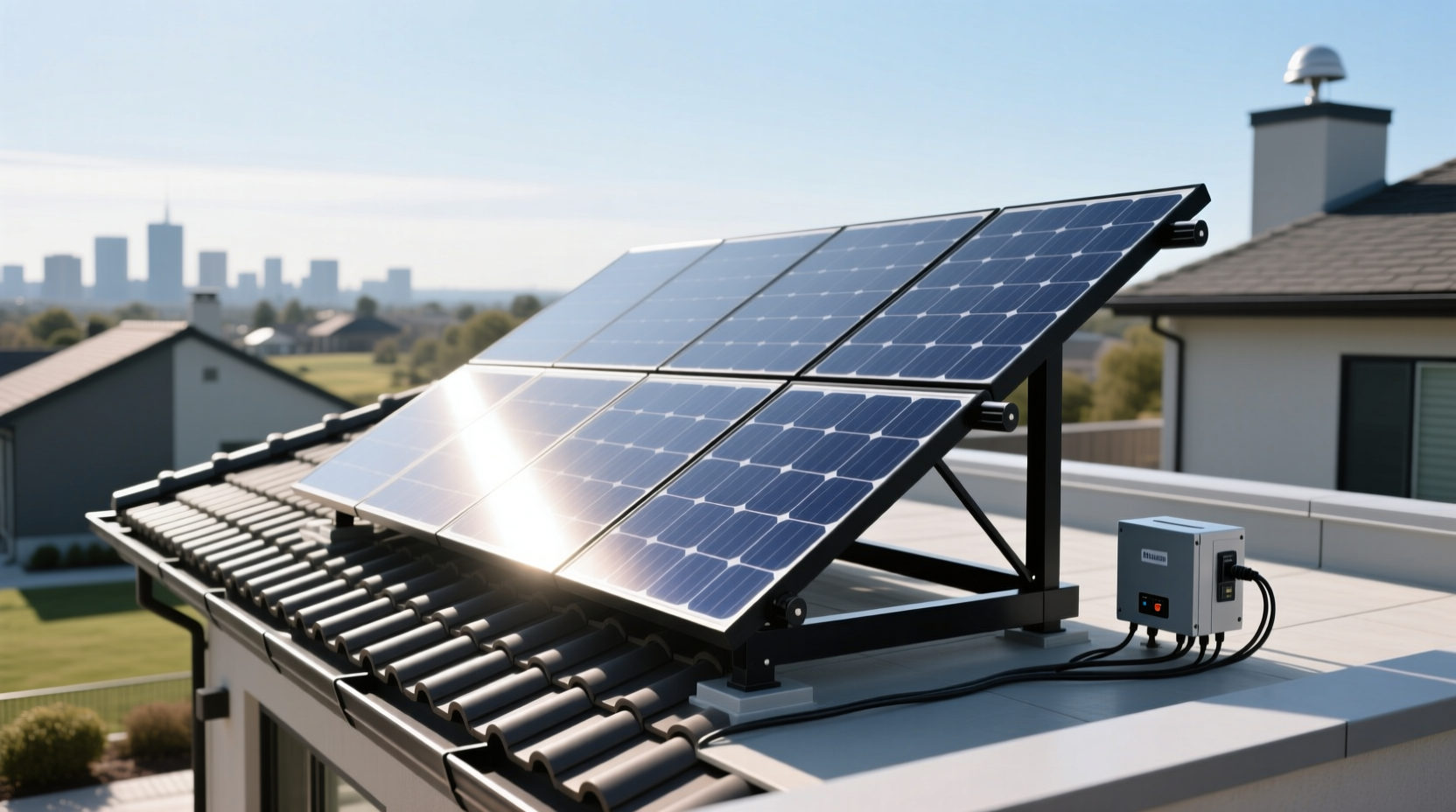
Over the past year, the 1000W solar panel market has settled into a clear two-tier structure — one for compliant, incentive-eligible residential systems, another for cost-driven off-grid or DIY use. If you’re a typical user sizing up a 1000W (1 kW) system in 2026, here’s your first decision point: choose based on purpose, not wattage alone. For grid-tied home use, expect $2,500–$2,750 before incentives — that’s $2.50–$2.75 per watt, now stable across U.S. installers1. For portable or off-grid kits? You’ll find reliable 1000W setups from $600 to $2,000 — but only if you skip non-compliant imports, avoid PWM controllers, and verify MPPT compatibility2. This piece isn’t for keyword collectors. It’s for people who will actually use the product.
About 1000W Solar Panels: Definition & Typical Use Cases
A 1000W solar panel system doesn’t mean a single 1000-watt panel — those are rare, heavy, and impractical for most users. Instead, it refers to a combined DC output of ~1,000 watts under Standard Test Conditions (STC), usually achieved with 2–3 high-efficiency monocrystalline panels (350W–550W each), plus a compatible charge controller, mounting hardware, and — optionally — batteries and inverters.
Typical applications fall into three buckets:
- 🏠 Residential supplemental generation: Rooftop arrays feeding into a grid-tied inverter, often as part of a larger 5–10 kW system.
- 🚐 Off-grid mobile use: RVs, vans, boats, or remote cabins where portability, weight, and battery charging efficiency matter more than utility interconnection.
- 🛠️ DIY backup or staging: Temporary power for job sites, outdoor events, or pre-permitting testing — where full permitting and inspection aren’t required.
If you’re a typical user building for mobility or simplicity, you don’t need to overthink this. A 1000W kit serves its purpose best when treated as a self-contained energy unit — not a scaled-down version of a utility-grade array.
Why 1000W Solar Panel Systems Are Gaining Popularity
Lately, 1000W systems have become the de facto “sweet spot” for mid-tier energy independence — large enough to meaningfully offset daily loads (e.g., refrigeration + lighting + small AC), yet small enough to avoid complex engineering reviews or structural reinforcement. Three trends converged in 2026:
- Stabilized hardware costs: Panel prices hit a floor. Labor, permitting, and sales overhead now drive 65–75% of residential system cost — making smaller, standardized kits relatively more attractive3.
- IRA compliance pressure: The Inflation Reduction Act raised the bar for domestic content — pushing premium brands toward U.S. assembly while flooding the B2B channel with lower-cost, non-compliant imports. That widened the price-performance gap — and clarified the trade-off.
- MPPT controller maturation: Affordable, field-proven MPPT units now deliver consistent 20–30% yield gains over PWM — especially critical for variable conditions (cloud, partial shade, temperature swings). That made 1000W systems far more predictable for off-grid users.
If you’re a typical user comparing quotes or browsing Alibaba listings, you don’t need to overthink this. Focus on whether your goal is credit-eligible reliability or cost-efficient autonomy — not theoretical peak efficiency numbers.
Approaches and Differences: Kit Types & Sourcing Paths
There are three main ways to acquire a functional 1000W solar setup — each with distinct risk/reward profiles:
| Approach | Pros | Cons | Budget Range (2026) |
|---|---|---|---|
| Full-service residential install | IRA tax credit eligible; permits handled; 25-year workmanship warranty; grid interconnection support | High soft costs ($0.50–$0.80/W); limited component choice; longer lead times | $2,500–$2,750 |
| Premade off-grid kit (U.S.-sold) | Pre-tested compatibility; MPPT included; UL-listed components; U.S. customer support | Fewer customization options; higher markup than B2B; may include oversized batteries | $1,800–$2,000+ |
| B2B-sourced components (DIY) | Lowest hardware cost ($0.08–$0.15/W); full spec control; fast shipping | No IRA credit; tariff risk; no unified warranty; requires technical confidence | $250–$800 |
When it’s worth caring about sourcing path: If you plan to claim the 30% federal tax credit, only the first two approaches qualify. When you don’t need to overthink it: If you’re powering a van or shed with no grid tie-in, B2B parts are functionally identical — just verify cell tech and controller specs.
Key Features and Specifications to Evaluate
Don’t optimize for wattage alone. Prioritize these four criteria — ranked by real-world impact:
- Cell technology & efficiency: Monocrystalline HJT (Heterojunction) panels now achieve 22.5–23.5% efficiency — outperforming standard PERC by 1.5–2.0% absolute in real-world heat and low-light conditions4. When it’s worth caring about: high-temperature climates or space-constrained mounts. When you don’t need to overthink it: shaded or seasonal use — where wiring layout and tilt matter more than lab-rated efficiency.
- Charge controller type: MPPT is non-negotiable for 1000W+ systems. It dynamically adjusts voltage/current to maximize harvest — delivering 20–30% more usable energy than PWM, especially below 25°C or above 60°F5. When it’s worth caring about: any off-grid application with battery storage. When you don’t need to overthink it: fixed-angle, grid-tied-only systems without batteries — though even there, MPPT extends panel lifespan via voltage regulation.
- Warranty structure: Look for a 25–30 year linear power warranty — guaranteeing ≥87% output at year 25. Avoid “step-down” warranties (e.g., 90% at year 10, then 80% at year 25). When it’s worth caring about: permanent rooftop installs. When you don’t need to overthink it: portable kits used <100 days/year — where physical durability matters more than decade-long degradation curves.
- Compliance documentation: For IRA eligibility, confirm the panel meets the “domestic content” threshold — either assembled in the U.S. or containing ≥55% U.S.-made components. When it’s worth caring about: claiming the 30% tax credit. When you don’t need to overthink it: off-grid use — where compliance adds zero functional benefit.
Pros and Cons: Who Is This Right For?
A 1000W solar system delivers tangible value — but only when matched to realistic expectations.
- ✅ Best for: Homeowners adding supplemental capacity without rewiring; RV/van lifers needing reliable 24/7 charging; remote workers requiring outage resilience; DIY builders validating designs before scaling.
- ❌ Not ideal for: Replacing full household load in winter (unless paired with large battery bank); locations with frequent snow cover or heavy tree shading; users unwilling to learn basic wiring safety or controller programming.
If you’re a typical user sizing up your first solar project, you don’t need to overthink this. Start with your primary load profile (not total wattage), then select a kit that covers 110% of that — not 1000W on paper.
How to Choose a 1000W Solar Panel System: A Step-by-Step Decision Guide
Follow this sequence — skipping steps invites cost overruns or underperformance:
- Define your use case: Grid-tied? Off-grid? Portable? This decides IRA eligibility, permitting needs, and controller requirements.
- Calculate actual daily kWh demand: Use a kill-a-watt meter or appliance label data — not online calculators. A fridge draws 1–2 kWh/day; a laptop uses ~0.15 kWh/day. Add 20% buffer.
- Select panel count & type: Two 500W HJT panels > three 350W PERC panels — fewer connections, less wiring loss, better heat tolerance.
- Lock in controller specs: MPPT only. Minimum input voltage must exceed panel Voc; max input current must exceed panel Isc × 1.25.
- Verify compliance & tariffs: If importing, ask the seller: “Do you handle Section 201/301 tariffs? Is retroactive liability covered?” If they hesitate — walk away.
Avoid these three common pitfalls: (1) buying panels without matching controller specs, (2) assuming ‘1000W’ means ‘powers everything’, and (3) ignoring local permitting thresholds — many jurisdictions waive review for sub-1kW *or* sub-10A systems, but not both.
Insights & Cost Analysis: Realistic Budgeting for 2026
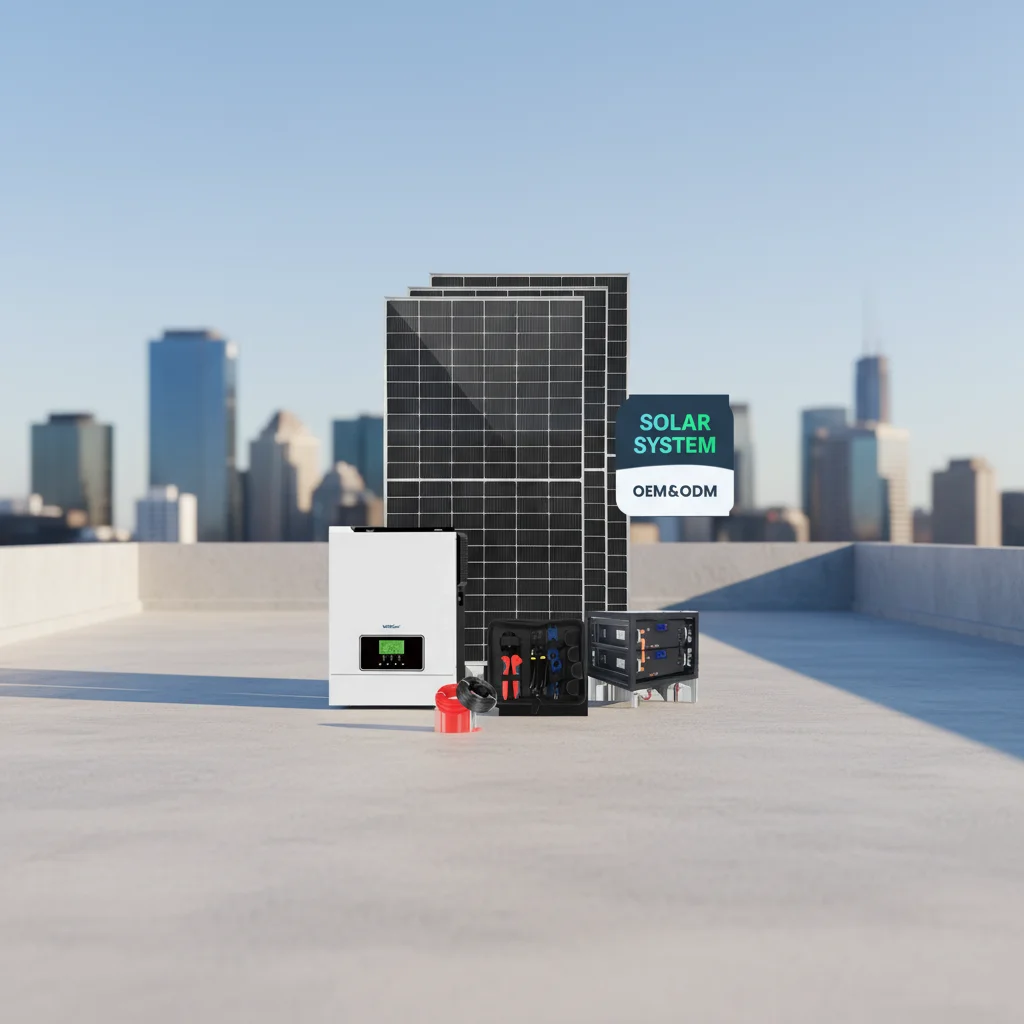
Here’s how $1,000 breaks down in practice — not theory:
- Panel cost only: $0.08–$0.15/W wholesale → $80–$150 for 1000W (B2B, non-IRA)
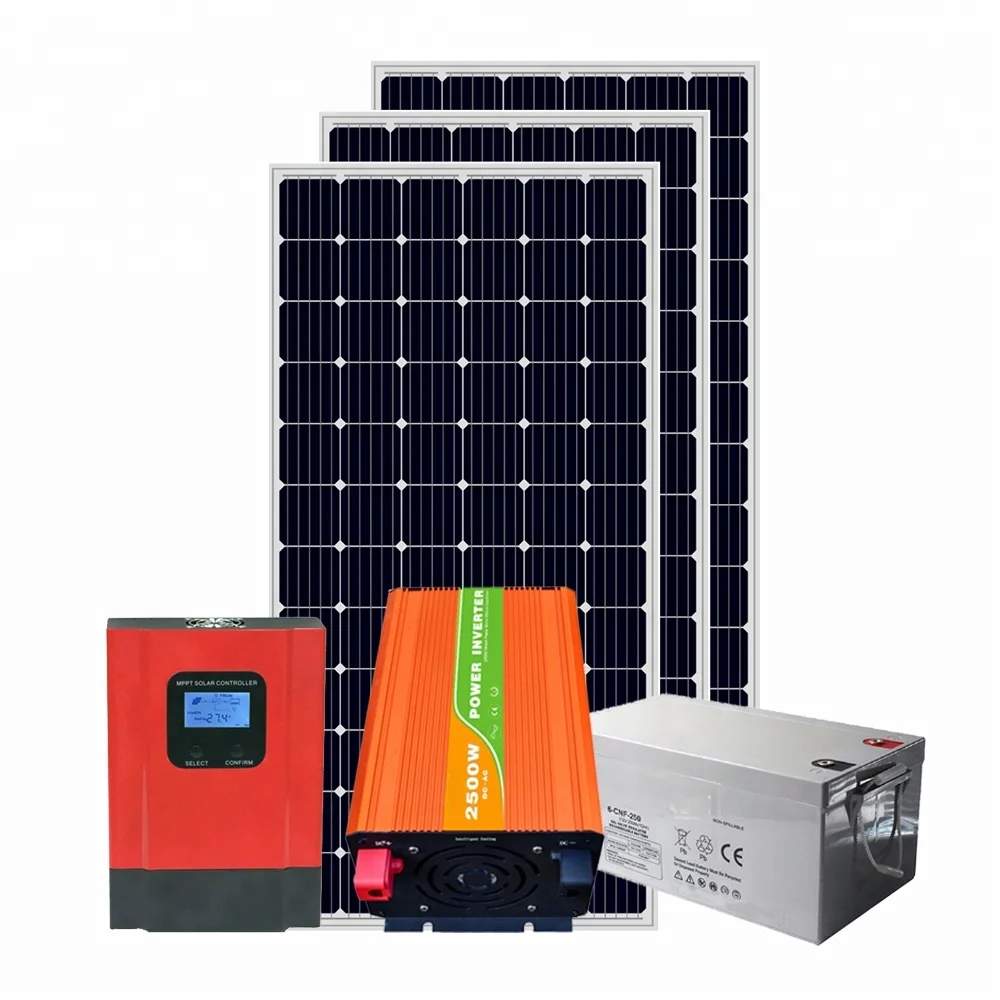
- MPPT controller: $80–$180 (Victron, EPEVER, Renogy — capacity-matched)
- Battery (200Ah LiFePO₄): $600–$900 (largest variable cost)
- Inverter (1500W pure sine): $200–$350
- Mounting, wiring, fuses: $120–$220
Total DIY-ready cost: $1,080–$1,700. Compare that to pre-built kits at $1,800+, where markup covers integration labor and support — justified only if you lack time or confidence.
Better Solutions & Competitor Analysis
While 1000W remains a strong baseline, some users benefit from stepping up or down:
| Solution | Best For | Potential Problem | Budget Shift vs. 1000W |
|---|---|---|---|
| 800W optimized kit | Weight-sensitive van builds; tight roof space | Less margin for cloudy days or battery depletion | ↓ 15–20% |
| 1200W hybrid-ready | Future battery expansion; AC-coupled backup readiness | Higher controller/inverter cost; may require dual-MPPT | ↑ 25–35% |
| Modular 2×500W HJT | Scalable design; easier fault isolation | Requires dual-input MPPT or combiner box | ↔ Neutral (slight ↑) |
Customer Feedback Synthesis
Based on aggregated reviews from SolarReviews, Reddit r/solar, and PickMySolar (2024–2026), top themes emerge:
- What users praise: “MPPT made our 1000W kit actually keep batteries full in winter”; “HJT panels stayed cooler on our RV roof — no derating”; “Kit arrived with every bolt labeled and torque specs included.”
- What users complain about: “Seller claimed ‘IRA-eligible’ but provided no documentation — lost $300 credit”; “PWM controller failed after 8 months — had to rewire everything”; “Non-compliant panels triggered customs delays and $1200 tariff bill.”
Maintenance, Safety & Legal Considerations
Maintenance: Clean panels 2–4x/year (more in dusty areas); inspect MC4 connectors annually for corrosion; verify controller firmware updates quarterly.
Safety: Always disconnect PV strings before touching terminals. Use appropriately rated DC breakers and Class II surge protection — especially for off-grid cabins near lightning-prone zones.
Legal: Most U.S. jurisdictions exempt systems under 10A or 1 kW from electrical inspection — but not both. Verify local code: some counties require permits for any roof-mounted array, regardless of size. Off-grid, ground-mounted, or portable systems typically face no permitting — but check HOA rules.
Conclusion: Conditional Recommendations
If you need tax credit eligibility and hands-off reliability, choose a certified installer offering a 1000W add-on using IRA-qualified HJT panels and a branded MPPT controller — budget $2,500–$2,750.
If you need portable, self-managed power with minimal overhead, source a 2×500W HJT kit with a 60A MPPT controller and LiFePO₄ battery — budget $1,200–$1,600 and allocate 8–12 hours for assembly.
If you’re a typical user weighing complexity against control, you don’t need to overthink this. Start with your weakest link — battery runtime or winter yield — and build backward.


