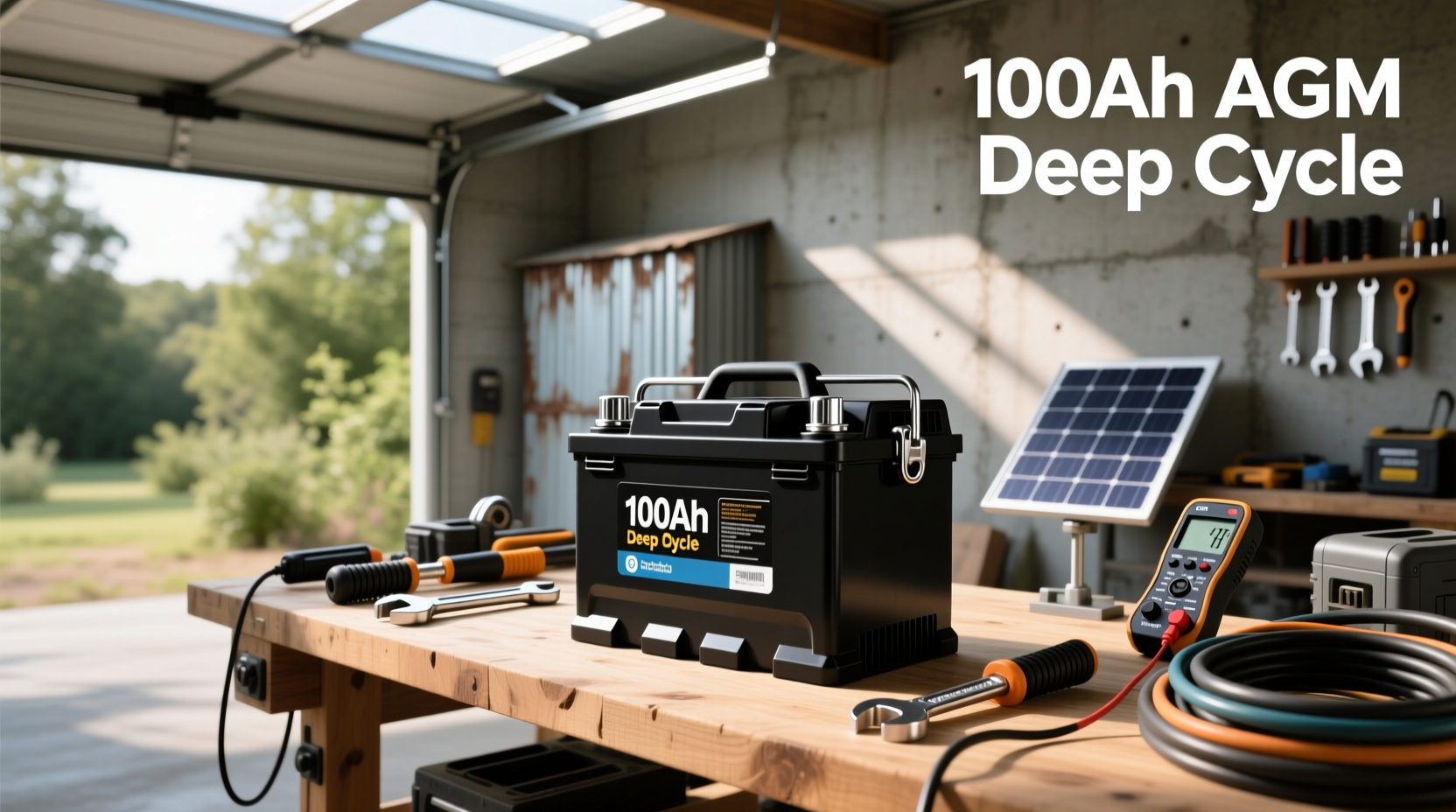
About 100Ah AGM Deep Cycle Batteries 🔋
An AGM (Absorbent Glass Mat) deep cycle battery is a sealed, maintenance-free variant of lead-acid technology. Unlike flooded batteries, AGM units suspend the electrolyte in fine fiberglass mats — making them spill-proof, leak-resistant, and safe for multi-angle mounting. The ‘100Ah’ designation refers to its nominal capacity measured at the C20 discharge rate (i.e., discharged over 20 hours). These batteries are engineered for repeated partial discharge and recharge cycles — not just starting engines. They’re commonly used in:
- 🚐 RV house banks powering lights, water pumps, and small inverters
- ⚓ Marine applications aboard sailboats and fishing vessels (especially where engine vibration is constant)
- ☀️ Off-grid solar backup systems where stationary installation allows for higher weight tolerance
- 🚛 Floor scrubbers, golf carts, and telecom backup units requiring ruggedness over energy density
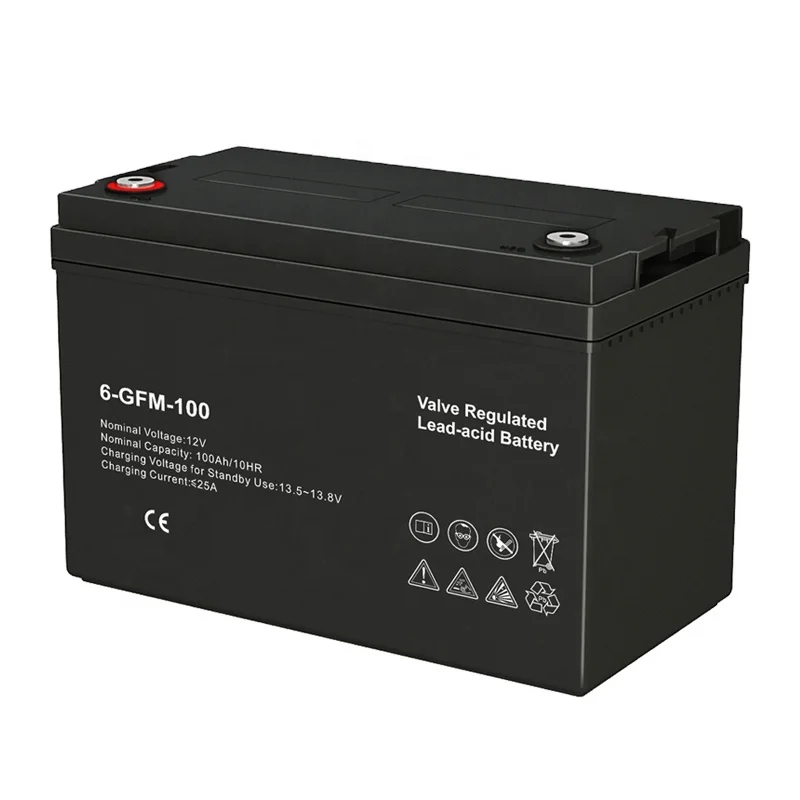
Why 100Ah AGM Deep Cycle Batteries Are Gaining Popularity 📈
Lately, demand hasn’t surged — it’s stabilized. That stability is telling. While lithium adoption is accelerating (growing 5× faster in search volume and new installations), AGM remains the default for three overlapping reasons: cost predictability, cold resilience, and regulatory simplicity. In 2026, the global deep cycle battery market is projected to reach $2.99 billion — with AGM capturing nearly half of the sealed segment2. Its 70% cost advantage over lithium equivalents makes it the go-to for budget-conscious buyers who prioritize deployment speed over lifetime optimization. More importantly, AGM batteries charge reliably down to –4°F without external heaters — a non-negotiable for users in northern US states, Canada, or mountainous regions. Lithium systems require thermal management circuits to avoid damage below freezing, adding complexity and failure points. If you’re a typical user, you don’t need to overthink this: AGM isn’t gaining popularity because it’s ‘better’ — it’s holding ground because it solves specific, persistent problems better than any alternative can right now.
Approaches and Differences: AGM vs. Lithium (LiFePO4) ⚖️
The two dominant chemistries aren’t interchangeable — they’re complementary solutions for different constraints. Here’s how they differ in practice:
- AGM: Lower upfront cost, proven safety, wide temperature charging range, vibration-tolerant, but heavier, lower usable capacity, and shorter cycle life.
- LiFePO4: Higher usable capacity (90–100Ah), lighter weight (25–30 lbs), faster charging, longer lifespan (2,000–5,000 cycles), but significantly higher initial price and sensitivity to subfreezing charging without added hardware.
When it’s worth caring about: temperature extremes, weight restrictions, and total cost of ownership over 5+ years. When you don’t need to overthink it: if your system stays indoors, runs only seasonally above 40°F, and you plan to replace batteries every 3–4 years anyway.
Key Features and Specifications to Evaluate ✅
Not all 100Ah AGM batteries perform equally. Focus on these five verified benchmarks — not marketing claims:
- Cycle Life at 50% DoD: Look for 600–1,000 cycles. Anything below 500 suggests thin plates or low-grade lead.
- C20 Rating Verification: Confirm the 100Ah rating is specified at C20 (not C10 or C5, which inflate numbers artificially).
- VRLA Compliance: Must be Valve Regulated Lead Acid — ensures no gas venting under normal use and safe inverted mounting.
- Internal Resistance: Lower = better efficiency and less voltage sag under load (often omitted from spec sheets — ask suppliers).
- Warranty Terms: Reputable brands offer 1–3 years limited warranty covering defects — not misuse or deep discharges.
Pros and Cons: Balanced Assessment 📋
✅ Pros: Excellent cold-weather charging (no heater needed); inherently safe (no thermal runaway risk); vibration- and shock-resistant; widely compatible with existing lead-acid chargers; no BMS required; recyclable infrastructure is mature.
❌ Cons: Heavy (60–75 lbs); only ~50Ah usable capacity; slower recharge (6–12 hrs); degrades faster if regularly discharged below 50%; shorter service life (3–5 years vs. 10+ for lithium); lower energy efficiency (~80% round-trip vs. ~95% for LiFePO4).
When it’s worth caring about: mobile applications where weight impacts payload or handling; off-grid setups where daily depth-of-discharge exceeds 40%. When you don’t need to overthink it: fixed-location solar backups, weekend-only RV use, or marine trolling motors with light loads.
How to Choose a 100Ah AGM Deep Cycle Battery 🛠️
Follow this 6-step decision checklist — designed to eliminate common missteps:
- Confirm your actual load profile: Use a DC clamp meter or shunt monitor for 48 hours. Don’t guess — many users overestimate consumption by 2–3×.
- Calculate usable capacity, not rated capacity: Divide Ah rating by 2. A 100Ah AGM gives ~50Ah usable — plan accordingly.
- Verify charger compatibility: AGM requires a 3-stage (bulk/absorption/float) charger with AGM-specific voltage profiles (typically 14.4–14.8V absorption).
- Avoid ‘dual-purpose’ labels: Batteries marketed as both ‘starting + deep cycle’ usually compromise on plate thickness — stick to true deep cycle designs.
- Check terminal type & orientation: Most use F1 or M6 posts — ensure clearance for your cables and enclosure layout.
- Source from manufacturers with ISO 9001-certified production: Especially important for consistency in plate alloy and glass mat density.
This piece isn’t for keyword collectors. It’s for people who will actually use the product.
Insights & Cost Analysis 💰
In 2026, the average retail price for a quality 12V 100Ah AGM deep cycle battery falls between $200–$3003. Lithium equivalents range from $700–$1,200. At first glance, AGM wins. But factor in longevity: AGM lasts ~3–5 years with proper care; lithium lasts 10+ years and retains >80% capacity after 2,000 cycles. Over 10 years, two AGM replacements ($400–$600) approach the cost of one lithium unit — while delivering less total energy and requiring more labor. So the real question isn’t ‘Which is cheaper?’ — it’s ‘What’s my acceptable failure mode?’ If downtime is unacceptable (e.g., remote cabin monitoring), lithium’s reliability justifies the premium. If budget is binding and usage is intermittent, AGM remains valid.
Better Solutions & Competitor Analysis 🆚
For users weighing AGM against alternatives, consider this functional comparison:
| Solution Type | Best For | Potential Problem | Budget Range (2026) |
|---|---|---|---|
| Standard AGM | Freezing climates, high-vibration marine/RV, tight upfront budgets | Low usable capacity; frequent replacement needed | $200–$300 |
| Enhanced AGM (e.g., TPPL) | Higher discharge rates, slightly longer life, better efficiency | Limited supplier base; harder to verify authenticity | $320–$450 |
| LiFePO4 (100Ah) | Weight-sensitive builds, daily deep cycling, long-term ownership | Requires low-temp charging cutoff or heater; BMS dependency | $700–$1,200 |
| AGM + Lithium Hybrid Bank | Phased transition; leveraging existing AGM while adding lithium headroom | Complex charging logic; risk of imbalance without smart combiner | $900–$1,500 |
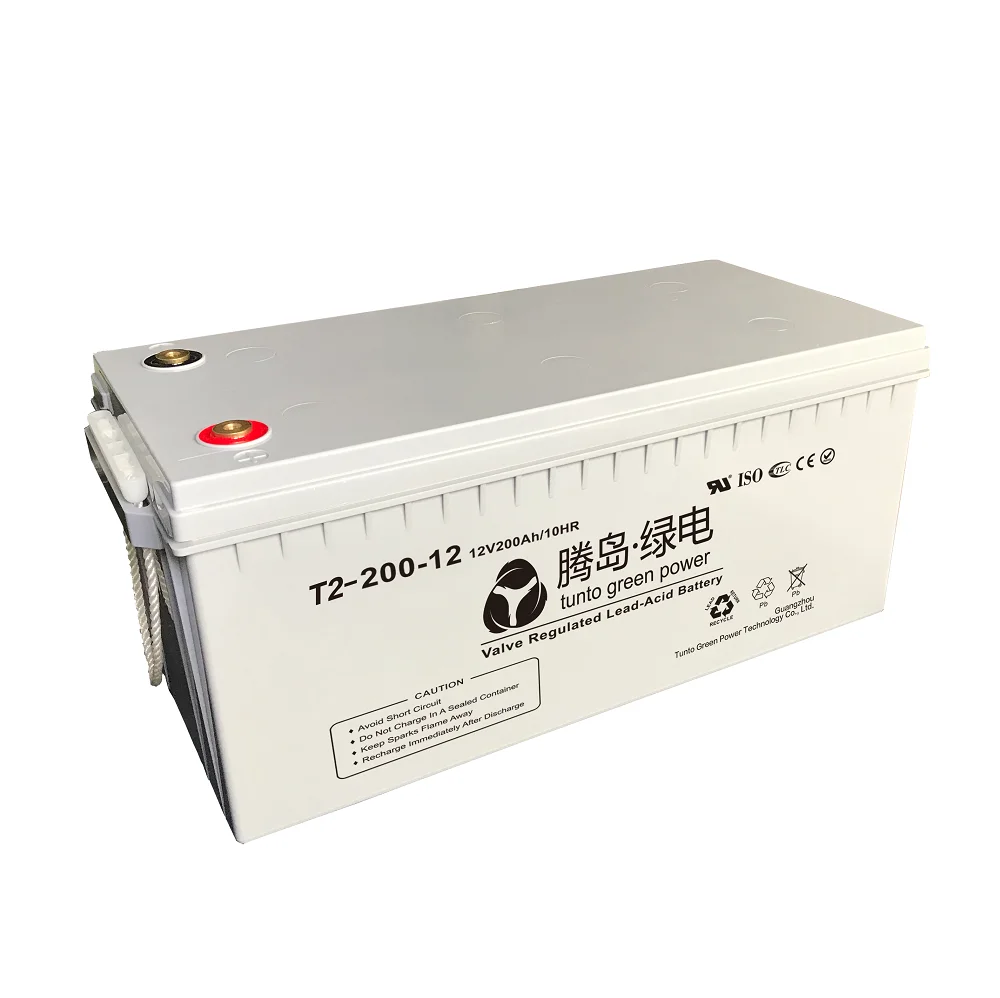
Customer Feedback Synthesis 🗣️
Based on aggregated reviews across RV forums, marine communities, and solar installer reports (2024–2026):
- Top 3 Compliments: “Charges fine at -15°C with no issues”, “Survived 3 years on my saltwater fishing boat with zero maintenance”, “Fits perfectly in my Roadtrek’s OEM battery tray.”
- Top 3 Complaints: “Only lasted 22 months — died after one deep discharge below 10%”, “Too heavy to lift alone — needed help installing”, “Voltage sagged badly under 30A load, tripping my inverter.”
The recurring theme? AGM delivers exactly what it promises — reliability within its engineering envelope. Failures almost always trace to misuse (deep discharge, wrong charger, or overheating), not inherent flaws.
Maintenance, Safety & Legal Considerations ⚠️
AGM batteries require minimal maintenance — but not zero. Key practices:
- Recharge within 24 hours of discharge to prevent sulfation.
- Store at 50–75% state of charge if unused for >30 days.
- Never open the case — it’s sealed for safety and warranty validity.
- Ensure ventilation in enclosed spaces (though no hydrogen venting occurs under normal operation).
No special certifications are required for residential use in North America or EU. UL 1796 and IEC 61056-1 compliance are standard for reputable models. Transport follows UN3496 (Class 8) shipping rules — but that applies only to commercial logistics, not end-user handling.
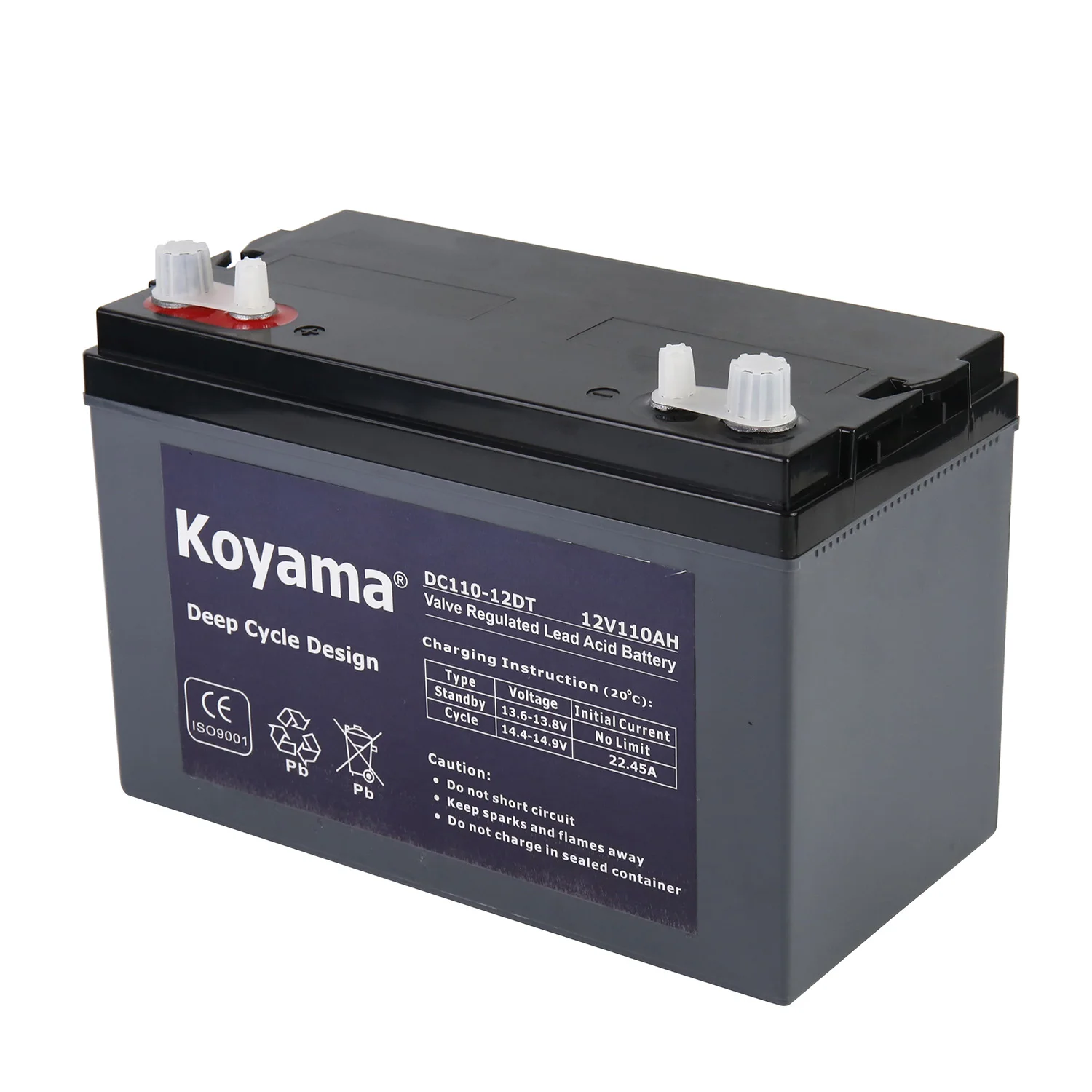
Conclusion: Conditional Recommendations 🎯
If you need dependable, low-friction power in freezing conditions or high-vibration environments — and your budget is constrained — choose a 100Ah AGM deep cycle battery. If you prioritize usable energy, weight reduction, or 10-year ownership without replacement — invest in lithium. If your application sits between those poles (e.g., four-season van life with modest loads), consider starting with AGM and upgrading one battery at a time as funds allow. There’s no universal ‘best’ — only the best fit for your constraints, climate, and timeline.


