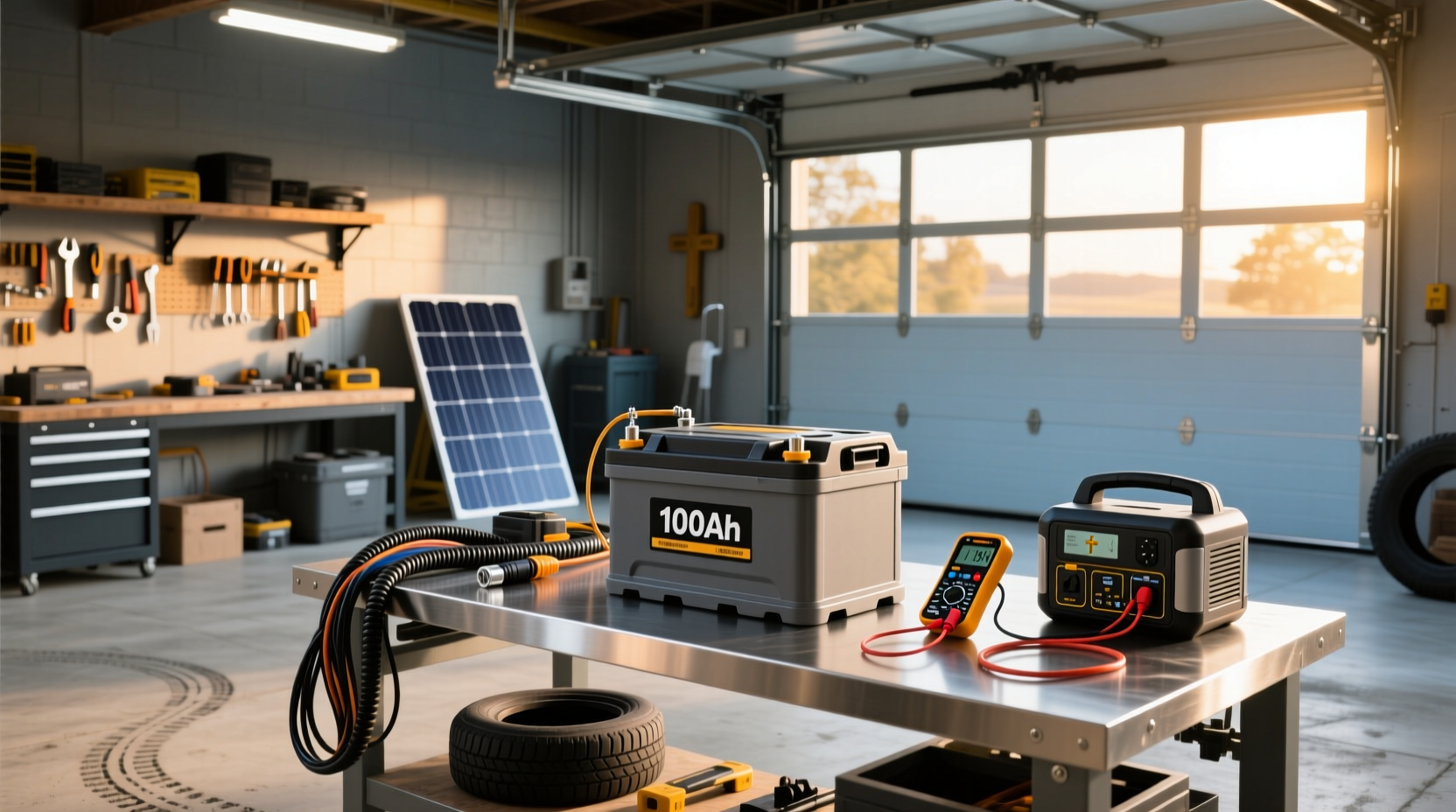
If you’re outfitting an RV, camper van, marine system, or off-grid solar setup with a single 12V battery — and you need reliable, long-term power without constant maintenance — a 100 amp hour lithium battery is now the de facto standard. Over the past year, the market has decisively shifted toward LiFePO4 chemistry, with self-heating and Bluetooth-enabled Battery Management Systems (BMS) moving from premium extras to baseline expectations 12. For most users, a Group 27 heated 100Ah LiFePO4 battery delivers the strongest balance of space compatibility, cold-weather resilience, and 5–10 year warranty-backed longevity 1. If you’re a typical user, you don’t need to overthink this: skip entry-level non-heated units under $400, avoid unbranded cells without certified BMS protection, and prioritize cycle life (4,000+ at 100% DoD) over raw Ah rating alone. This piece isn’t for keyword collectors. It’s for people who will actually use the product.
About 100Ah Lithium Batteries: Definition & Typical Use Cases 🔋
A 100 amp hour (100Ah) lithium battery stores 1,200 watt-hours (Wh) of energy at 12 volts — enough to run a residential fridge for ~24 hours, power LED lighting and a water pump for 3–5 days, or support a small inverter for essential AC loads. Unlike lead-acid batteries, modern 100Ah lithium units are almost exclusively built using Lithium Iron Phosphate (LiFePO4) cells, not NMC or LCO chemistries. That’s because LiFePO4 offers superior thermal stability, minimal voltage sag under load, and dramatically longer service life — often 4,000–6,000 full charge cycles versus 300–500 for AGM 3. These batteries serve three primary applications:
- RV & Van Life: As a drop-in replacement for Group 24/27 lead-acid house batteries — powering lights, fans, fridges, and inverters during dry camping.
- Marine: On boats where weight savings, vibration resistance, and consistent voltage delivery matter more than cost-per-Ah.
- Off-Grid Solar Storage: Paired with MPPT charge controllers and inverters in cabin, shed, or backup systems — especially where space or temperature fluctuation is a constraint.
They are not designed for engine cranking (starter duty), nor do they replace high-voltage EV traction packs. Their role is steady, deep-cycle energy delivery — and that’s where their value crystallizes.
Why 100Ah Lithium Batteries Are Gaining Popularity 📈
Lately, adoption has accelerated — not just among enthusiasts, but installers and fleet operators. Three interlocking shifts explain why:
- LiFePO4 has become the default, not the exception. Safety concerns around NMC in enclosed spaces (like motorhome compartments) have pushed manufacturers and insurers toward thermally stable LiFePO4. Its 6,000+ cycle life at 80% depth of discharge means it can outlast the vehicle itself 3.
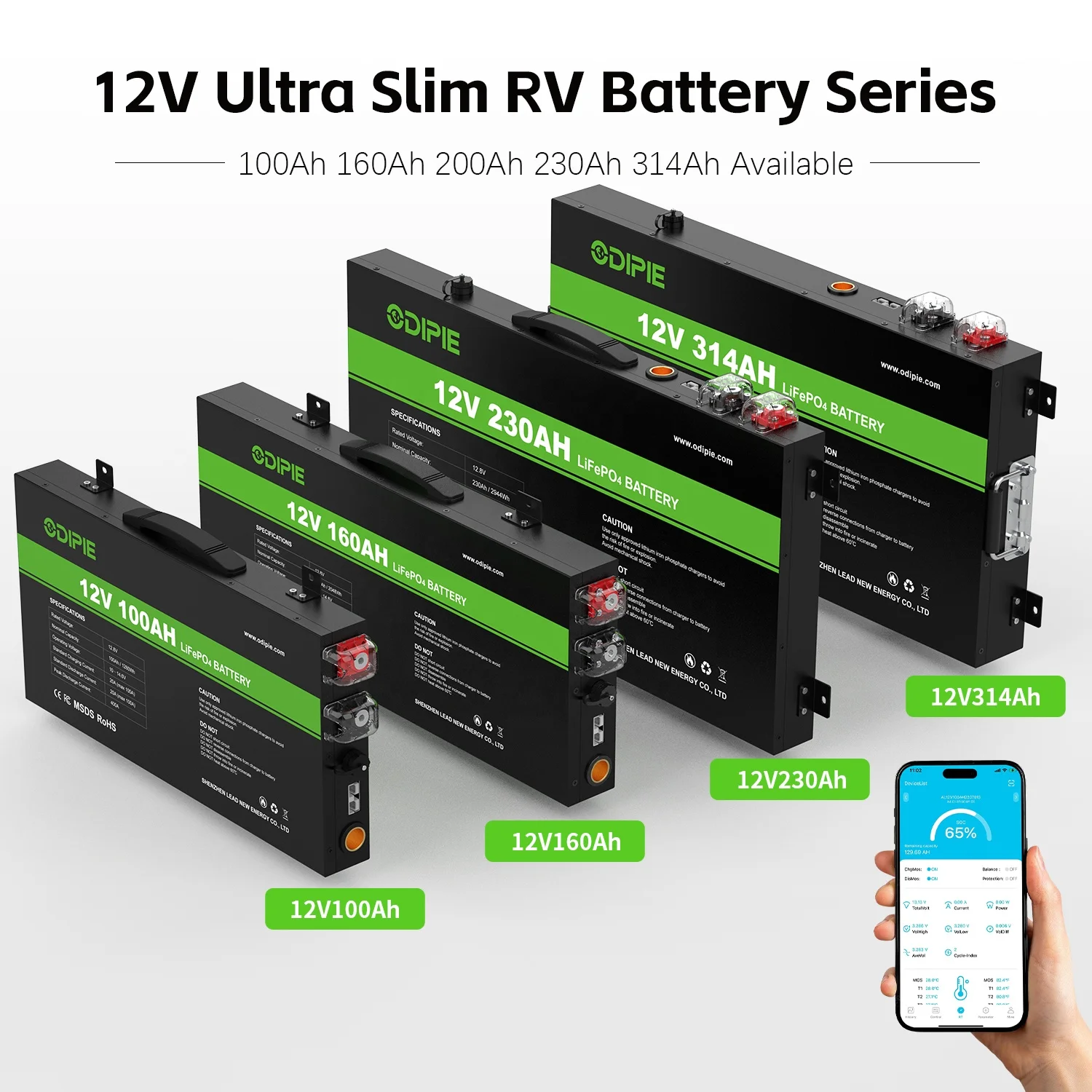
- Smart features are no longer optional. Integrated Bluetooth BMS lets users monitor state-of-charge (SoC), voltage, temperature, and historical trends via smartphone — replacing analog gauges and external shunts. Real-time diagnostics reduce guesswork and prevent premature failure 2.
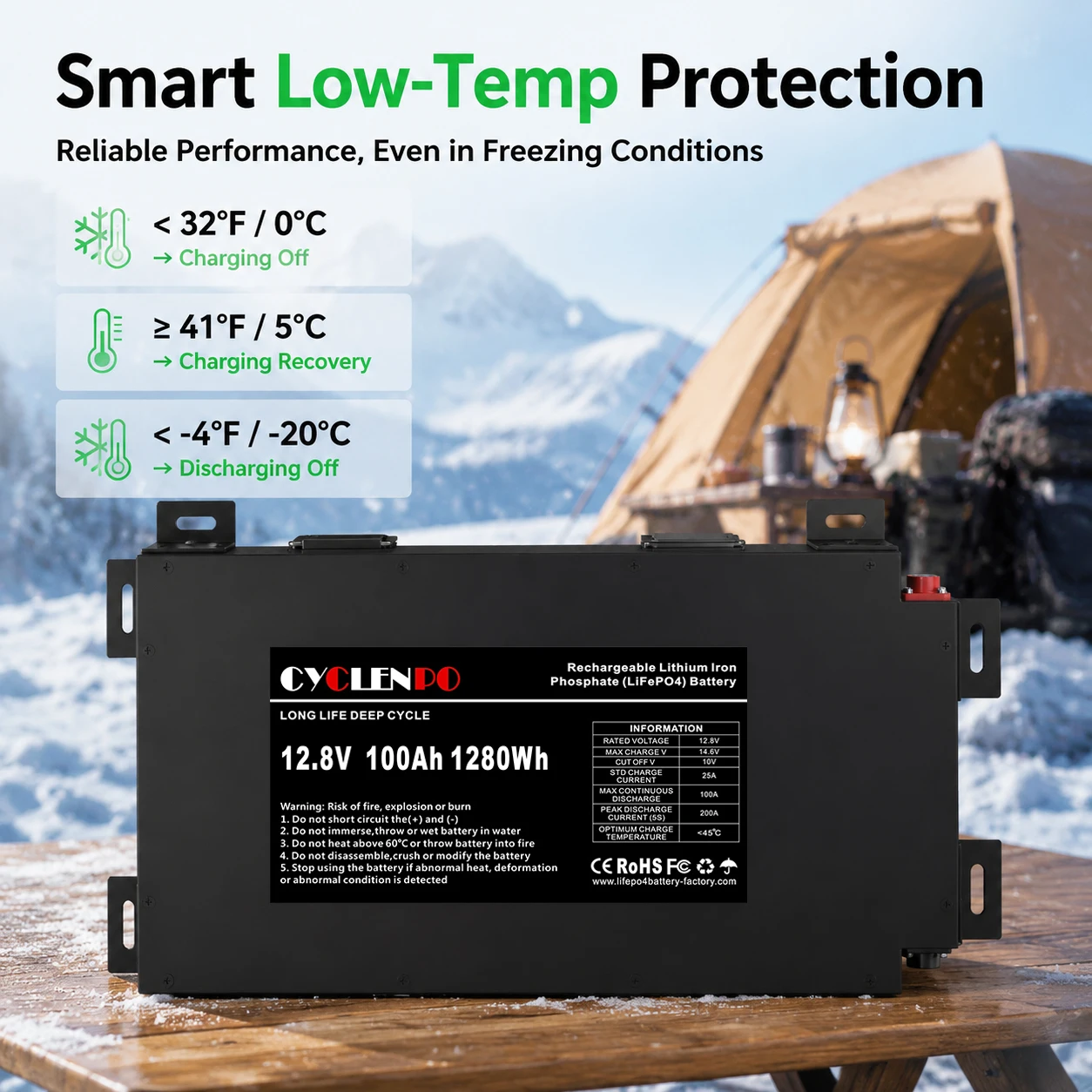
- Cold-climate usability is now table stakes. Self-heating technology — which activates only during charging below 0°C — prevents lithium plating and capacity loss. Without it, a battery charged in freezing conditions may degrade 3–5× faster 1. That’s why units without heating are increasingly excluded from serious RV and winter camping recommendations.
This isn’t hype — it’s engineering convergence. When safety, intelligence, and all-weather operation align at a predictable price point (~$600–$1,000), adoption becomes inevitable.
Approaches and Differences: What You’ll Actually Encounter 🔍
You won’t find many true alternatives to LiFePO4 in the 100Ah category today. But you will see meaningful differences in implementation. Here’s how the main approaches stack up:
| Approach | Key Advantages | Potential Drawbacks | Budget Range (USD) |
|---|---|---|---|
| Standard Group 27 LiFePO4 | Drop-in fit for most RV/marine trays; widely supported by chargers and inverters; mature supply chain | Slightly taller than Group 24; may require minor tray modification in tight spaces | $600–$950 |
| Slimline / Blade Design | Under-100mm height; fits under seats, in canopy floors, or behind panels; ideal for space-constrained builds | Fewer mounting options; sometimes lower peak current rating; less common in retail channels | $750–$1,100 |
| Non-Heated Budget LiFePO4 | Lowest entry cost; adequate for warm climates or seasonal use | Risk of permanent damage if charged below 0°C; shorter effective lifespan in variable temps; limited warranty (2–3 years) | $280–$480 |
| Bluetooth + Heating Combo | Real-time monitoring + safe cold-weather charging; future-proof for app-based diagnostics and firmware updates | Small premium ($80–$150) over non-Bluetooth equivalents; requires occasional app updates | $720–$1,050 |
Key Features and Specifications to Evaluate ✅
Don’t get lost in marketing specs. Focus on these five criteria — each with clear thresholds and context:
- Cycle Life at 100% DoD: Look for ≥4,000 cycles. This reflects real-world endurance when regularly discharging fully. When it’s worth caring about: If you plan >5 years of daily cycling (e.g., full-time van life). When you don’t need to overthink it: If used seasonally (3–4 months/year), even 2,000-cycle units hold up well — and if you’re a typical user, you don’t need to overthink this.
- Self-Heating Capability: Must activate automatically during charging below 0°C — not just “cold-tolerant.” Verify it uses internal cell heating (not ambient air), and check the minimum safe charging temp (should be ≤ –20°C). When it’s worth caring about: If you camp or store your rig where temps fall below freezing for >2 months/year. When you don’t need to overthink it: If you live in USDA zones 8–11 (e.g., Florida, Southern California), passive thermal management is sufficient.
- BMS Protection Level: Must include over-voltage, under-voltage, over-current, short-circuit, and temperature cutoffs. UL 1973 or UN38.3 certification is preferred. When it’s worth caring about: Any time the battery powers critical loads (fridge, medical devices, comms). When you don’t need to overthink it: If it’s used only for lighting or USB charging — basic protection suffices.
- Bluetooth Monitoring Depth: Does it show real-time SoC % (not just voltage), historical discharge curves, and BMS error logs? Or just a basic battery icon? When it’s worth caring about: If you troubleshoot systems yourself or want to correlate usage with weather/solar yield. When you don’t need to overthink it: If you rely on a dedicated battery monitor (e.g., Victron BMV) — then onboard Bluetooth is redundant.
- Physical Dimensions & Terminal Layout: Confirm length/width/height match your tray or enclosure. Check terminal type (M8, M10, or stud) and orientation — reversed terminals can cause wiring headaches. When it’s worth caring about: In custom builds or OEM integration. When you don’t need to overthink it: Most Group 27 units share near-identical footprints — and if you’re a typical user, you don’t need to overthink this.
Pros and Cons: Who Benefits — and Who Doesn’t 🧭
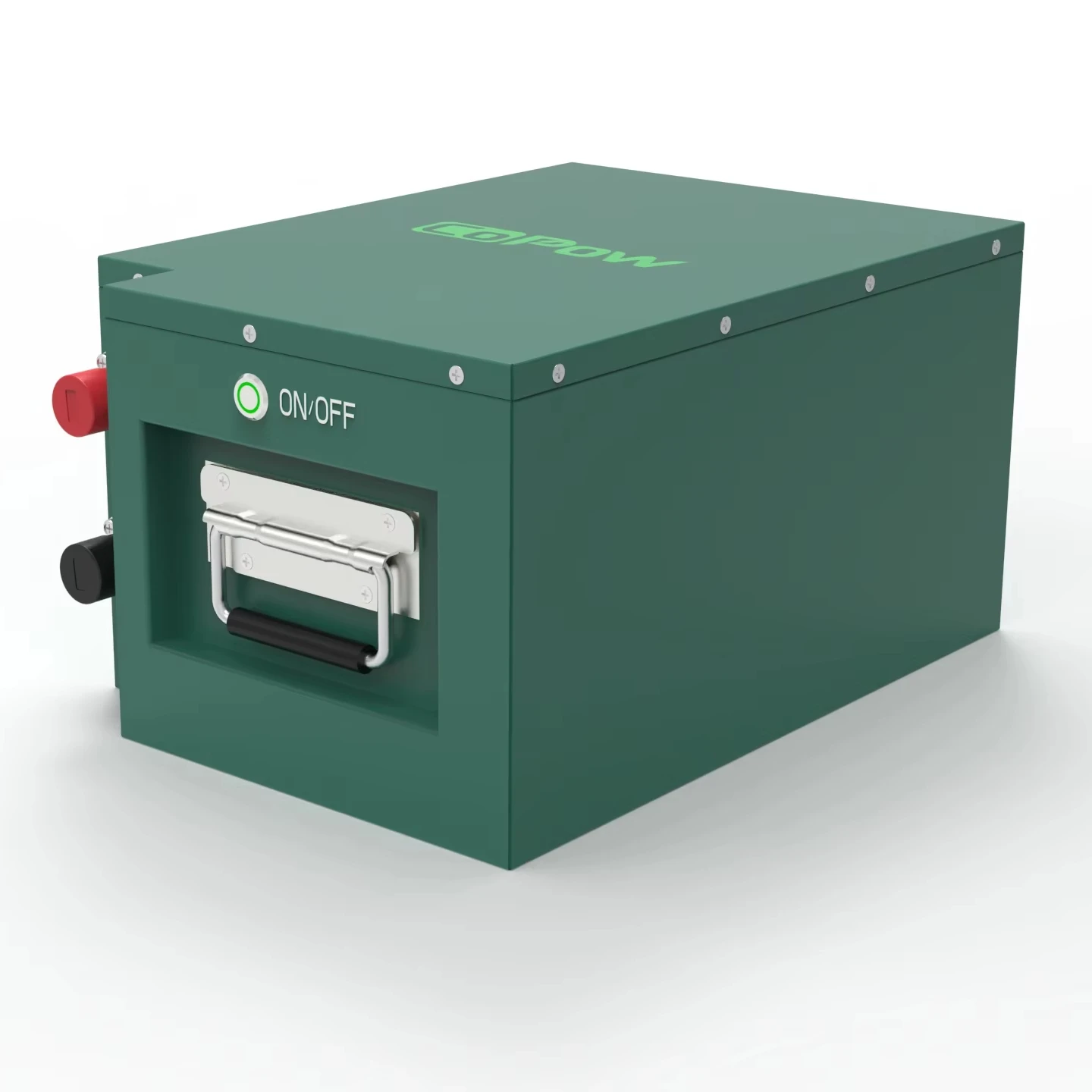
Best for: Full-time RVers, off-grid homeowners, marine users in variable climates, and solar installers seeking plug-and-play reliability. The combination of lightweight construction (~28–32 lbs vs. 65+ lbs for AGM), zero maintenance, and flat voltage curve makes daily use frictionless.
Less ideal for: Occasional weekend boaters who already own working AGMs and rarely exceed 50% discharge; budget-first DIYers unwilling to verify BMS certifications; or anyone needing >200A continuous output (most 100Ah units max out at 100–150A continuous — parallel configurations required for higher loads).
The biggest misconception? That “100Ah” means “100Ah forever.” Capacity degrades gradually — but a quality LiFePO4 unit retains ≥80% capacity after 4,000 cycles. That’s 10+ years of weekly use. Lead-acid rarely sees 3 years under the same load.
How to Choose a 100Ah Lithium Battery: A Step-by-Step Decision Guide 🛠️
Follow this checklist — in order — to eliminate noise and lock in your best-fit model:
- Confirm your climate zone. If average winter lows dip below 0°C (32°F), eliminate all non-heated models immediately. No exceptions.
- Check your physical space. Measure tray depth and clearance above terminals. If height is ≤95 mm, lean toward slimline. If you have 220+ mm, Group 27 fits easily.
- Define your monitoring needs. Do you want smartphone visibility, or is a simple voltmeter sufficient? If yes, prioritize Bluetooth + app support.
- Verify BMS certifications. Look for UL 1973, IEC 62619, or UN38.3 documentation — not just “CE” or “RoHS.”
- Compare warranty terms — not just length, but coverage. Does it cover capacity retention? Cell failure? BMS defects? Top-tier warranties (5–10 years) often include 70–80% capacity guarantee at end-of-term.
Avoid these pitfalls:
- Buying based solely on Ah rating — a 100Ah battery with poor thermal management fails faster than a 90Ah unit with robust BMS.
- Assuming “LiFePO4” guarantees quality — cell grade (A vs. B), BMS design, and manufacturing consistency vary widely.
- Skipping low-temp charging validation — some “heated” units only warm the casing, not the cells. Ask for test data.
Insights & Cost Analysis: Where Value Actually Lies 💰
Price alone misleads. Let’s break down what you pay for:
- $280–$480 tier: Typically uses Grade B or recycled cells, basic BMS (no Bluetooth), no heating, 2–3 year warranty. Acceptable only for warm-climate, low-duty-cycle use.
- $600–$850 tier: Grade A LiFePO4 cells, certified BMS, self-heating, Bluetooth, 5-year warranty. Represents the strongest value-to-reliability ratio for most users.
- $900–$1,100 tier: Adds IP67 enclosure, enhanced thermal dissipation, OEM-grade firmware, and sometimes custom app branding. Justified for commercial fleets or mission-critical backup.
Over the past year, wholesale cell costs have stabilized below $150/kWh — but retail pricing remains anchored by BMS sophistication and logistics (lithium batteries ship as hazardous goods). So while $600 units exist, they rarely include heating + Bluetooth. Paying $750–$850 gets you both — and that’s where the sweet spot lives.
Better Solutions & Competitor Analysis 📊
For most users, a single 100Ah unit is optimal. But two alternatives deserve mention:
| Solution | Best For | Potential Issue | Budget Consideration |
|---|---|---|---|
| Two 50Ah Parallel Units | Redundancy-critical setups (e.g., medical transport, remote comms) | Requires balanced cabling; adds connection points; slightly higher BMS overhead | +15–20% vs. one 100Ah |
| 100Ah with External DC-DC Charger | Vehicles with alternator-only charging (no smart converter) | Extra hardware cost ($150–$300); adds complexity and failure points | +20–35% |
| 12V 100Ah vs. 24V 50Ah | Systems already running 24V (e.g., larger inverters, industrial gear) | Not interchangeable — rewiring required; fewer consumer-grade 24V 50Ah options | Comparable per Wh |
Customer Feedback Synthesis 🗣️
Based on aggregated reviews across RV forums, Amazon, and specialty retailers (Smartrvhub, Outbax, 18650BatteryStore), top themes emerge:
- Top Praise: “No more guessing state-of-charge,” “Fits perfectly where my old AGM sat,” “Charged fine at –15°C with zero issues,” “Still at 98% capacity after 18 months.”
- Top Complaints: “Bluetooth app crashes on iOS 17,” “Heating didn’t engage until –5°C — not the advertised –20°C,” “Terminals stripped during first torque — needed Loctite.”
Notice the pattern: praise centers on core functionality (fit, safety, longevity); complaints focus on peripheral software or assembly quality — not fundamental chemistry or capacity claims.
Maintenance, Safety & Legal Considerations ⚙️
Maintenance is nearly zero: no watering, no equalization, no terminal cleaning beyond visual inspection. But safety discipline matters:
- Always use a lithium-compatible charger — AGM profiles overcharge LiFePO4 and risk thermal runaway.
- Never discharge below 10V — most BMS cut off at 11.5V, but repeated low-voltage events stress cells.
- Store at 30–50% SoC if unused >30 days — avoids both high-stress full charge and deep discharge.
- In the US/EU, shipping requires UN38.3 test reports and proper labeling. Reputable sellers handle this — but DIY importers must verify.
No regulatory body bans LiFePO4 in RVs or boats — but NFPA 1192 (RV fire safety) and ABYC E-11 (marine electrical) now explicitly reference LiFePO4 best practices, including BMS requirements and ventilation guidelines.
Conclusion: Your Conditional Recommendation 🎯
If you need reliable, long-life, low-maintenance power for an RV, marine vessel, or off-grid solar system — and operate in climates where temperatures fall below freezing — choose a 100Ah LiFePO4 battery with integrated self-heating and Bluetooth-enabled BMS, housed in a Group 27 or slimline form factor, backed by a 5+ year warranty. If space is extremely tight, prioritize slimline. If budget is constrained and winters are mild, a non-heated unit may suffice — but expect reduced calendar life. Everything else is optimization, not necessity. This piece isn’t for keyword collectors. It’s for people who will actually use the product.


