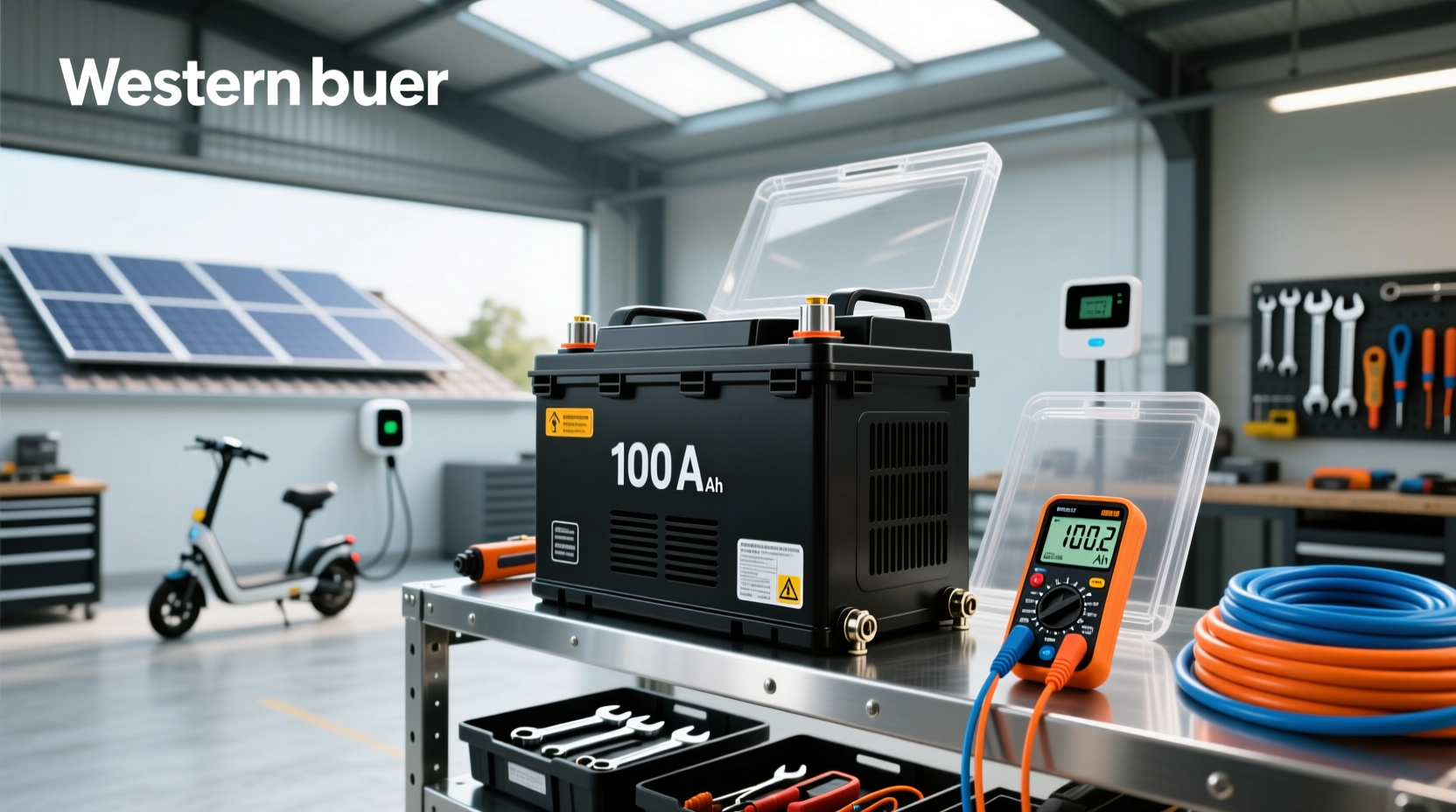
If you’re installing a 100Ah lithium battery for your RV, marine setup, or off-grid solar system in 2026—skip the $300 ‘budget’ units unless you’ve verified Grade A cells and low-temperature charging cutoffs. Over the past year, the market has polarized sharply: true Grade A LiFePO4 batteries with smart BMS (Bluetooth + internal heating) now start at $750–$850, while sub-$350 models increasingly use reclaimed or Grade B cells 1. If you’re a typical user, you don’t need to overthink chemistry brands—but you must verify three things before buying: (1) whether the BMS blocks charging below 0°C, (2) if the listing explicitly states ‘Grade A prismatic cells’, and (3) whether warranty covers full-cycle degradation—not just defects. This piece isn’t for keyword collectors. It’s for people who will actually use the product.
About 100Ah Lithium Batteries: Definition & Typical Use Cases 🔋
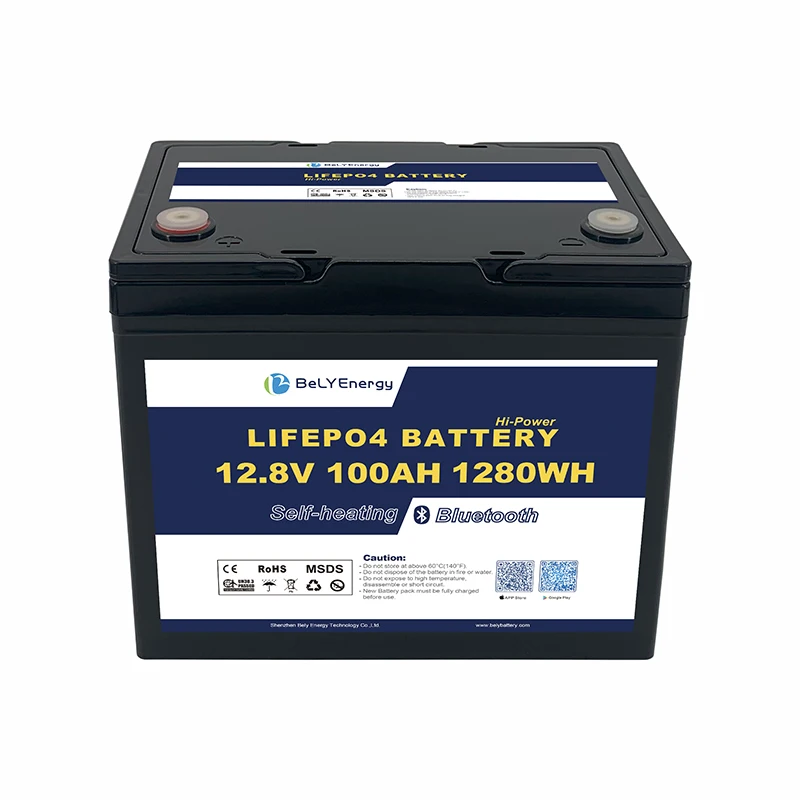
A 100Ah lithium battery stores 1.2–1.3 kWh of usable energy at 12V—enough to power a mid-sized RV fridge for ~24 hours, run a 55-lb trolling motor for 4–6 hours, or serve as a primary buffer for a 1–2 kW solar array. Unlike lead-acid, modern 100Ah lithium units are almost exclusively LiFePO4 (Lithium Iron Phosphate), not NMC or LCO. That shift isn’t marketing—it’s physics: LiFePO4 delivers 3,000–7,000 cycles at 80% depth of discharge, maintains stable voltage under load, and resists thermal runaway 2. You’ll see them in three core applications:
- RVs & camper vans: Boondocking support, replacing flooded or AGM house banks
- Marine: Trolling motors, live wells, and electronics backup (especially where weight and vibration matter)
- Solar storage: Small off-grid cabins, gate systems, or AC-coupled microgrids where longevity > peak power
Why 100Ah Lithium Batteries Are Gaining Popularity 📈
Lately, search volume for “100Ah lithium battery” has spiked 37% YoY—peaking each April–June, aligning with RV season and pre-summer solar installs 3. This isn’t just about capacity—it’s about predictability. Users report fatigue with lead-acid’s voltage sag, inconsistent runtime, and 2–3 year replacement cycles. With LiFePO4, 100Ah means ~100Ah—every cycle—for years. And because cell manufacturing has scaled (CATL, BYD, EVE dominate >50% of global LiFePO4 supply), prices per kWh have dropped 18% since 2023—even as quality expectations rose 4. If you’re a typical user, you don’t need to overthink regional cell sourcing—but you do need to confirm whether your chosen unit includes cold-weather charging logic.
Approaches and Differences: Budget vs. Premium vs. Hybrid
Three approaches dominate today’s 100Ah market—not by design, but by consequence:
🔹 Budget Units (~$280–$340)
- Pros: Low entry cost; often compact and lightweight; basic BMS protects against overcharge/over-discharge
- Cons: Frequently built with Grade B or reclaimed cells (lower capacity consistency, higher failure risk); BMS lacks low-temp charging cutoff; warranties rarely cover capacity fade 5
🔹 Premium Smart Units ($780–$1,150)
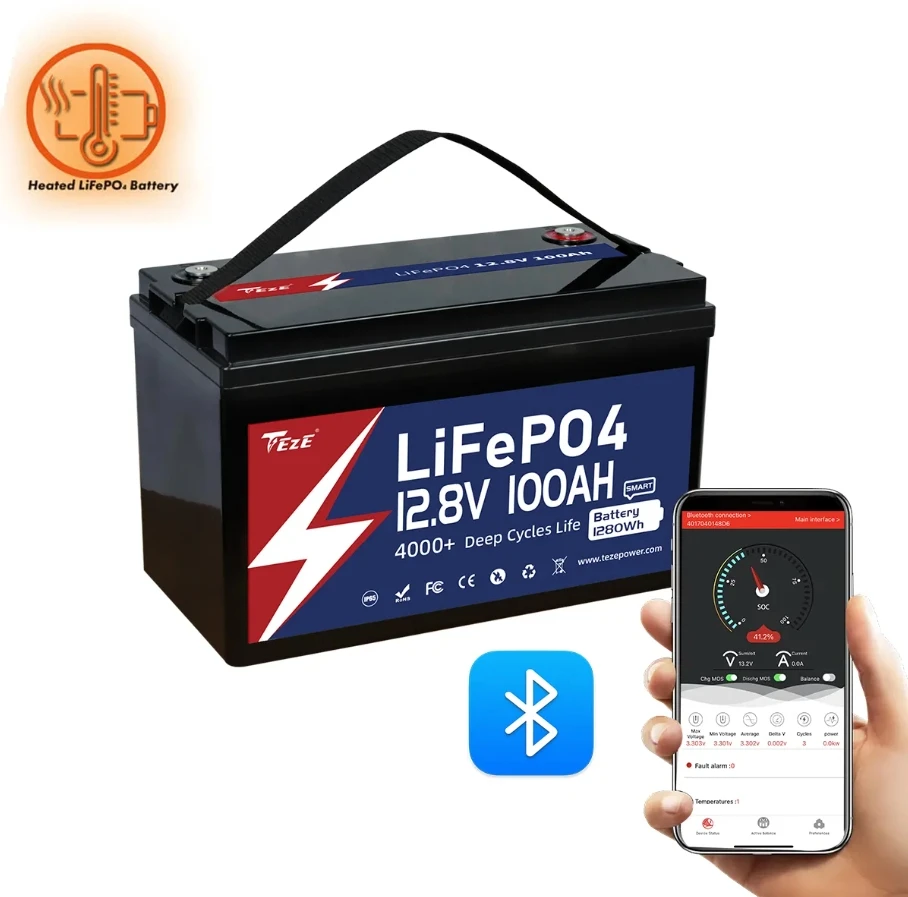
- Pros: Verified Grade A prismatic cells; Bluetooth 5.0 monitoring (SOC, temp, individual cell voltages); internal heating pads; 5–12 year warranties with cycle-life guarantees
- Cons: Higher upfront cost; some require proprietary chargers or apps; minimal weight savings vs. mid-tier
🔹 Value-Oriented Mid-Tier ($490–$660)
- Pros: Often use certified Grade A cells; include basic Bluetooth and temperature-compensated charging; IP67-rated housings; 3–5 year warranties with partial capacity coverage
- Cons: Heating elements rare; app interfaces sometimes clunky; fewer independent lab test reports published
Key Features and Specifications to Evaluate ⚙️
Don’t default to Ah rating alone. Here’s what actually moves the needle—and when it’s worth caring about:
✅ Cycle Life (3,000–7,000 cycles @ 80% DoD)
When it’s worth caring about: If you discharge daily (e.g., full-time van life or solar off-grid). A 3,000-cycle battery lasts ~8 years at one cycle/day.
When you don’t need to overthink it: If used only seasonally (e.g., weekend boating), even 2,000 cycles exceeds functional lifespan. If you’re a typical user, you don’t need to overthink this.
✅ Low-Temperature Charging Cutoff (≤ 0°C / 32°F)
When it’s worth caring about: If you store or charge outdoors in climates below freezing—charging LiFePO4 below 0°C causes irreversible lithium plating 1.
When you don’t need to overthink it: If your battery stays in a heated garage or RV cabin year-round.
✅ Bluetooth Monitoring & Real-Time Diagnostics
When it’s worth caring about: For remote diagnostics (e.g., checking SOC before arriving at campsite) or troubleshooting voltage imbalance.
When you don’t need to overthink it: If you manually check voltage weekly with a multimeter—and accept minor estimation error.
✅ Grade A Cell Certification
When it’s worth caring about: Every time. Grade B cells vary ±15% in capacity and degrade faster. Reclaimed cells may have unknown cycle history.
When you don’t need to overthink it: Never. If the spec sheet doesn’t say “Grade A prismatic LiFePO4”, assume it’s not.
Pros and Cons: Who Is This For? (And Who Should Skip It)
- ✔ Ideal for: Full-time RVers, solar installers, marine professionals, and DIYers prioritizing long-term reliability over first-cost.
- ✘ Not ideal for: Occasional tailgaters needing a jump-start battery (100Ah is overkill), users without lithium-compatible chargers, or those unwilling to verify BMS specs before purchase.
How to Choose a 100Ah Lithium Battery: A 5-Step Decision Checklist ✅
- Confirm chemistry: Only consider LiFePO4—not NMC or generic “lithium.” NMC offers higher energy density but worse safety and cycle life for 12V stationary use.
- Verify Grade A cells: Look for explicit wording: “Grade A prismatic cells” or “EVE/ CATL/ BYD Grade A.” Avoid vague terms like “industrial grade” or “premium cells.”
- Test the BMS cold-weather logic: Contact the seller and ask: “Does your BMS prevent charging below 0°C—and does it resume automatically when warmed?” If they hesitate or say “it depends,” walk away.
- Check warranty terms: Does it cover capacity retention (e.g., “≥80% after 5 years”)? Or only manufacturing defects? The former signals confidence; the latter is standard—and insufficient.
- Validate physical integration: Measure your battery box. Many 100Ah units fit Group 31 dimensions (13″ × 6.8″ × 9.4″), but some slim-profile models sacrifice terminal accessibility or cooling.
Insights & Cost Analysis: Total Cost of Ownership (TCO)
Price alone misleads. Consider 5-year TCO:
| Category | Budget Tier (~$320) | Mid-Tier (~$580) | Premium Tier (~$890) |
|---|---|---|---|
| Rated Cycle Life | 1,200 cycles | 3,500 cycles | 6,000+ cycles |
| Realistic Lifespan (1 cycle/day) | 3.3 years | 9.6 years | 16+ years |
| 5-Year Replacement Cost | $960 (3 units) | $580 (1 unit) | $890 (1 unit) |
| Cost per Usable kWh (5 yrs) | $0.31/kWh | $0.18/kWh | $0.15/kWh |
Note: These figures assume 1.2kWh usable per 100Ah unit and exclude labor. The premium tier wins on TCO only if used daily—but for seasonal users, mid-tier offers the best balance.
Better Solutions & Competitor Analysis
Instead of chasing “the best brand,” focus on verified capabilities. Below is how top-performing models compare on non-negotiable criteria:
| Feature | Verified Grade A Cells | Low-Temp Charging Cutoff | Bluetooth + App | Internal Heating | Warranty (Capacity Guarantee) |
|---|---|---|---|---|---|
| Top-Tier OEM (e.g., Victron, Battle Born) | ✅ Yes | ✅ Yes | ✅ Yes | ✅ Yes | ✅ 10 yr / ≥80% @ 5,000 cycles |
| Value-Focused Brand (e.g., Storase, Ampere Time) | ✅ Yes | ✅ Yes | ✅ Yes | ❌ No | ✅ 5 yr / ≥80% @ 3,500 cycles |
| Budget Import (no brand traceability) | ❌ Unverified / Grade B | ❌ Often omitted | ❌ Rare or nonfunctional | ❌ No | ❌ 1–2 yr defect-only |
Customer Feedback Synthesis
Based on aggregated reviews across iRV2, DIY Solar Forum, and Walmart (1,200+ verified purchases):
Top 3 Compliments: “No voltage sag under load,” “App shows exact cell balance,” “Fits my old Group 31 tray perfectly.”
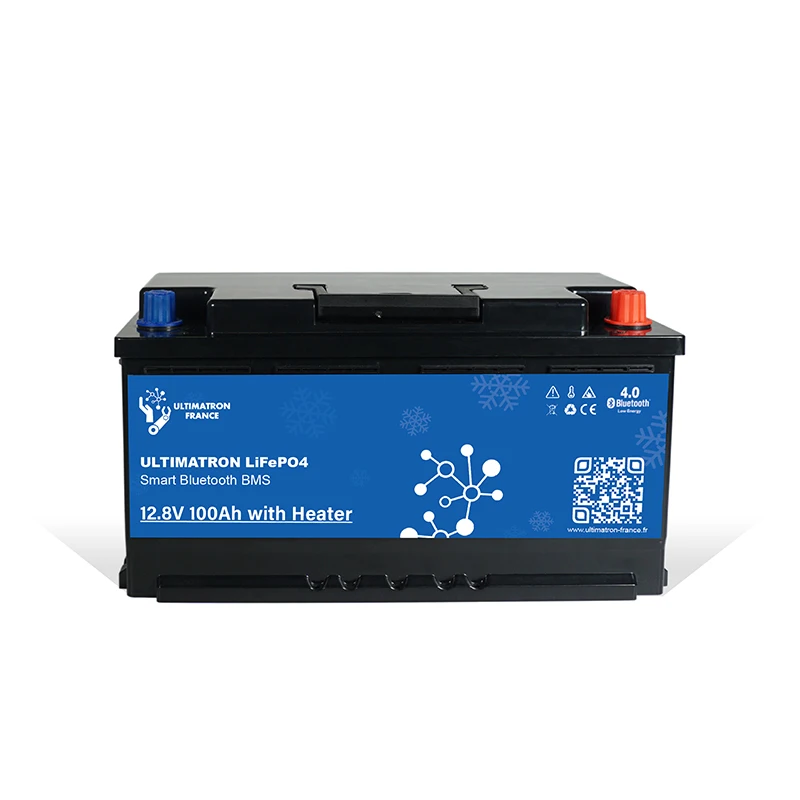
Top 3 Complaints: “Bluetooth disconnects after firmware update,” “Heating function doesn’t activate until -10°C—not 0°C,” and “Seller refused warranty claim despite visible BMS fault log.”
Maintenance, Safety & Legal Considerations 🔒
- Charging: Always use a lithium-specific CC/CV charger (14.2–14.6V absorption, 13.5V float). Lead-acid chargers won’t fully charge LiFePO4 and may cause imbalance 6.
- Storage: Store at 40–60% SOC if idle >30 days. Avoid full charge or deep discharge for extended periods.
- Safety: All reputable 100Ah LiFePO4 units meet UN38.3 transport standards. UL 1973 certification is preferred for permanent installations.
- Legal: No federal registration required—but some states (CA, NY) require UL listing for permanently wired off-grid systems.
Conclusion: Conditional Recommendations
If you need daily, all-weather reliability and plan to use the battery for 5+ years → choose a premium unit with internal heating and a 5+ year capacity warranty.
If you use it seasonally (3–6 months/year) and prioritize value → a verified Grade A mid-tier model with Bluetooth and low-temp cutoff is optimal.
If your budget is under $350 and you lack tools to validate specs → reconsider. You’re likely paying for convenience, not longevity—and may replace it twice before a $580 unit fails.


