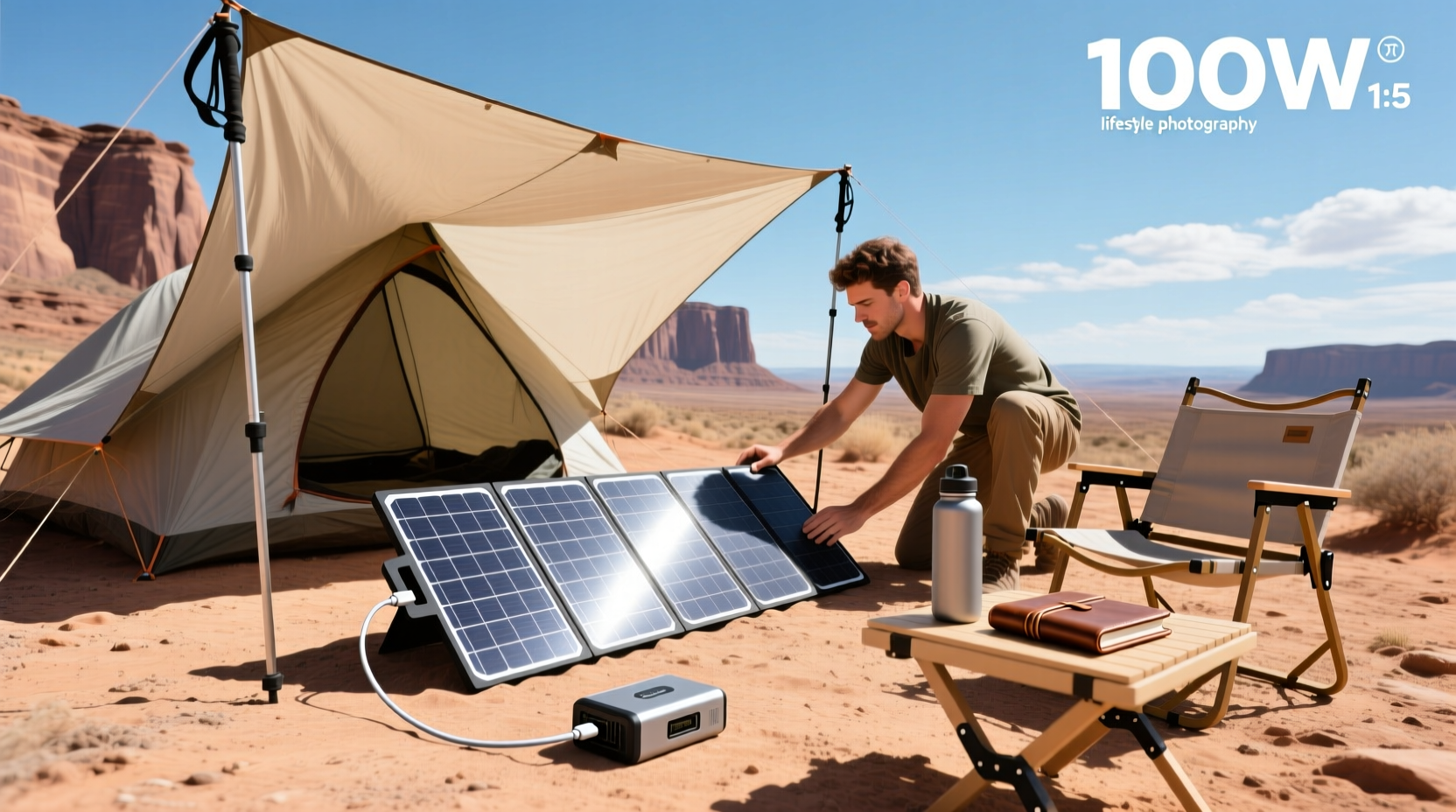
If you’re a typical user—a camper, overlander, or emergency prepper—you don’t need to overthink this: Choose a 100W foldable panel with N-type TOPCon cells, ETFE coating, IP67 rating, and MC4/XT60 connectors matching your power station. Over the past year, efficiency gains (up to 25%), smarter ecosystem integration, and stricter durability standards have made older PERC-based or PET-coated models objectively less future-proof—even if they’re cheaper. This isn’t about chasing specs; it’s about avoiding mismatched connectors, overheating losses, or premature delamination in real conditions.
About 100W Portable Solar Panels
A 100W portable solar panel is a lightweight, foldable or suitcase-style photovoltaic unit designed to generate up to ~100 watts of peak DC power under ideal lab conditions (STC). In practice, it delivers 70–85W in typical daylight—enough to recharge a 20,000mAh power bank in 3–5 hours, top off a 1,000Wh portable power station in 8–12 sun-hours, or sustain low-draw devices (LED lights, fans, small fridges) during multi-day trips. It’s not meant for whole-home backup—but it is the most widely adopted capacity tier for mobile energy independence, accounting for 39% of the global portable solar market in 2026 1.
Typical use cases include:
- Solo or duo camping/hiking: Paired with a 300–600Wh power station for phones, cameras, headlamps, and portable stoves.
- RV & overlanding: Mounted on roofs or deployed on the ground beside vehicles—especially effective when used with bifacial designs that capture reflected light.
- Emergency home readiness: Stored flat in garages or basements, rapidly deployed during outages to keep comms, medical devices, or refrigeration running.
Why 100W Portable Solar Panels Are Gaining Popularity
Lately, demand has surged—not just because of rising electricity costs or climate awareness, but because technical constraints that once limited portability are collapsing. The shift from PERC to N-type TOPCon cells has pushed conversion efficiency from ~21% to 24–25%, meaning more power per square inch 2. That makes 100W panels significantly lighter and more compact than their 2022 equivalents. Simultaneously, ETFE surface coatings now resist UV degradation and abrasion far better than older PET layers, extending usable life in desert or coastal environments 3. And IoT-enabled monitoring—via Bluetooth-linked apps—lets users verify actual yield, detect shading issues, and adjust panel angles in real time. If you’re a typical user, you don’t need to overthink this: these aren’t incremental upgrades. They’re measurable reliability improvements that reduce guesswork and field failure.
Approaches and Differences
Three structural approaches dominate the 100W segment—each optimized for different priorities:
| Design Type | Key Advantages | Potential Drawbacks | Budget Range (USD) |
|---|---|---|---|
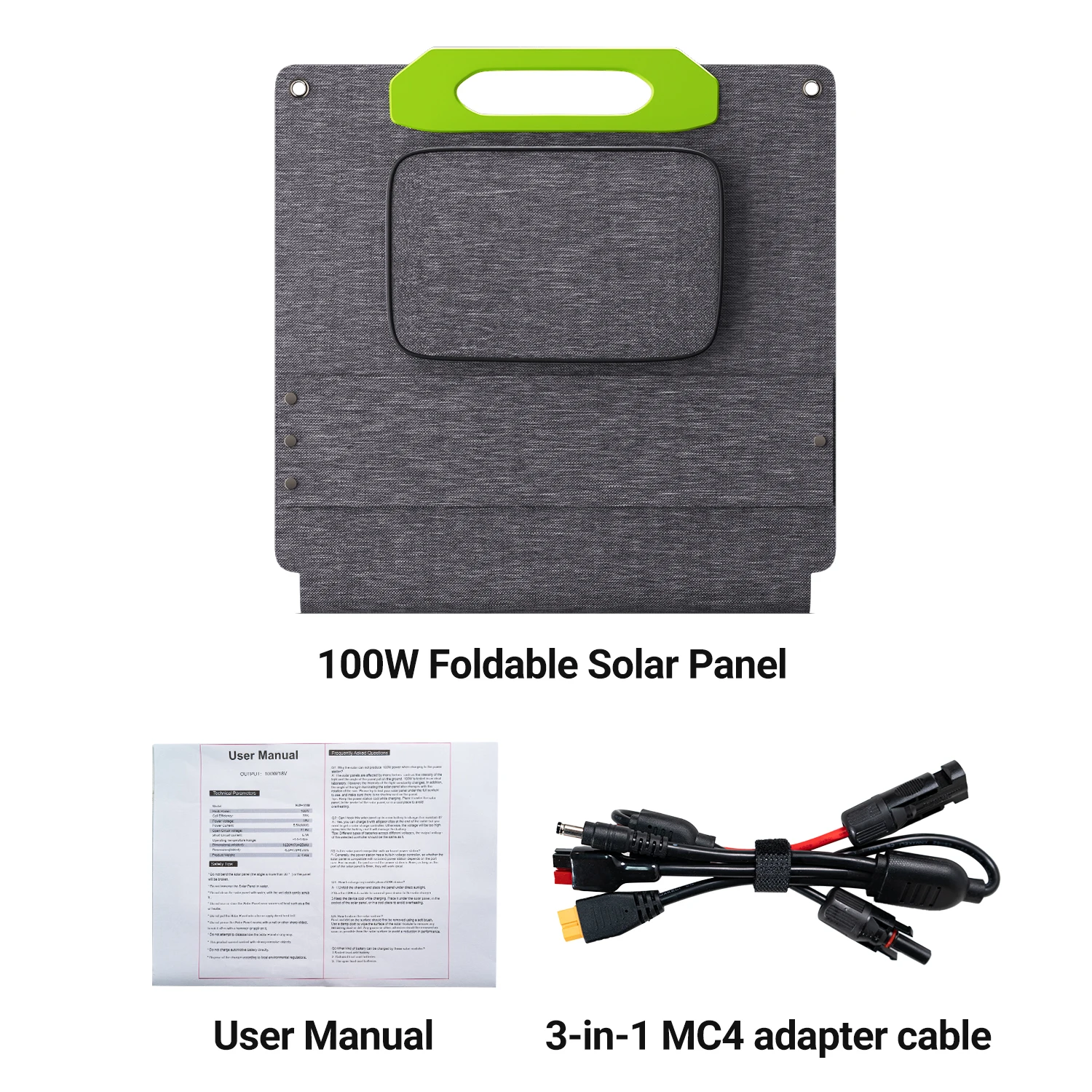
| Foldable (2–4 panel) | Lightest (<4.5 kg), easiest to pack, fastest setup | Fewer mounting options; hinge points may wear with heavy use | $129–$249 |
| Suitcase (rigid frame + kickstand) | Most durable, weather-sealed, stable on uneven ground | Heavier (~8–10 kg), bulkier to store | $199–$329 |
| Bifacial (front + rear cells) | ~10% extra yield from ground reflection (snow, sand, light pavement) | Requires reflective surface; no gain on grass or dark soil; often slightly pricier | $229–$399 |
When it’s worth caring about: You camp on snow or desert dunes, own an RV with a white roof, or frequently deploy on concrete. When you don’t need to overthink it: You hike forest trails, store panels in tight spaces, or prioritize weight over marginal yield gains.
Key Features and Specifications to Evaluate
Don’t default to wattage alone. Here’s what actually moves the needle—and when each matters:
- Cell type (N-type vs. PERC): N-type TOPCon cells deliver higher voltage at high temperatures and maintain output longer in partial shade. When it’s worth caring about: You use panels in summer heat (>35°C) or shaded campgrounds. When you don’t need to overthink it: You only charge in cool, full-sun conditions and replace panels every 2 years.
- Efficiency (≥22%): Higher efficiency means smaller physical size for the same wattage. A 24% panel may be 20% smaller than a 21% one. When it’s worth caring about: You backpack or have limited roof space. When you don’t need to overthink it: You’re storing in an RV garage and size isn’t constrained.
- IP67/IP68 rating: IP67 = dust-tight + submersible for 30 min at 1m depth. IP68 adds continuous immersion. When it’s worth caring about: You camp in rain, near oceans, or leave panels outdoors overnight. When you don’t need to overthink it: You always pack them away after use and avoid wet terrain.
- ETFE vs. PET coating: ETFE resists yellowing, cracking, and hydrophobic loss over 5+ years; PET degrades visibly after ~2 years in direct UV. When it’s worth caring about: You plan to use the panel for 3+ years or live in high-UV zones (Arizona, Australia, Mediterranean). When you don’t need to overthink it: You’re testing solar for one season and won’t reuse long-term.
Pros and Cons
Pros:
- ✅ Ideal balance of power and portability for most off-grid users
- ✅ Compatible with >90% of mainstream power stations (Jackery, EcoFlow, Bluetti, Anker)
- ✅ Real-world output covers essential loads: phones, lights, GPS, mini-fridges, CPAP machines
- ✅ Rapid ROI when replacing disposable batteries or gas generators for weekend use
Cons:
- ❌ Not suitable for powering AC appliances (microwaves, air conditioners, power tools) without large battery banks
- ❌ Output drops sharply in cloudy, hazy, or low-angle winter light—don’t expect full 100W outside peak sun hours
- ❌ Connector mismatches remain the #1 cause of buyer frustration—MC4 ≠ XT60 ≠ Anderson ≠ DC7909
How to Choose a 100W Portable Solar Panel
Follow this step-by-step checklist—prioritizing what affects real-world performance:
- Match your power station first. Check its input specs: max PV input voltage (Voc), current (A), and required connector type. A panel with 22V Voc won’t work with a station requiring ≥30V. If you’re a typical user, you don’t need to overthink this: write down your station’s model number before searching.
- Verify cell technology. Look for “N-type”, “TOPCon”, or “HJT” in the spec sheet—not just “monocrystalline”. Avoid “amorphous” or “polycrystalline” at this wattage; they’re too bulky or inefficient.
- Confirm waterproofing and coating. IP67 minimum. ETFE preferred. Skip any panel listing only “water-resistant” or “PET laminated”.
- Weigh and fold count. Under 10 lbs (4.5 kg) and ≤4 folds for backpacking; ≥8 lbs with rigid frame if mounting permanently on an RV.
- Avoid the two most common traps:
- Assuming “100W” equals 100W output. Expect 70–85W average in field conditions—account for that in runtime calculations.
- Buying based on price alone. A $89 panel with no warranty, no IP rating, and unknown cell tech will likely fail within 12 months—and cost more in replacement labor and downtime.
Insights & Cost Analysis
Price has stabilized across quality tiers. As of mid-2026, you’ll pay:
- Entry-tier (PERC + PET + IP54): $89–$139 — acceptable for occasional use, but lacks longevity or heat resilience.
- Mainstream-tier (N-type + ETFE + IP67): $169–$249 — where 80% of verified buyers land. Best value for 3–5 year ownership.
- Premium-tier (bifacial + smart monitoring + 10-yr warranty): $279–$399 — justified only if you need reflected-light gains or enterprise-grade support.
This piece isn’t for keyword collectors. It’s for people who will actually use the product.
Better Solutions & Competitor Analysis
While many brands compete, four models consistently meet the technical benchmarks above:
| Brand & Model | Strengths | Real-World Limitation | Best For |
|---|---|---|---|
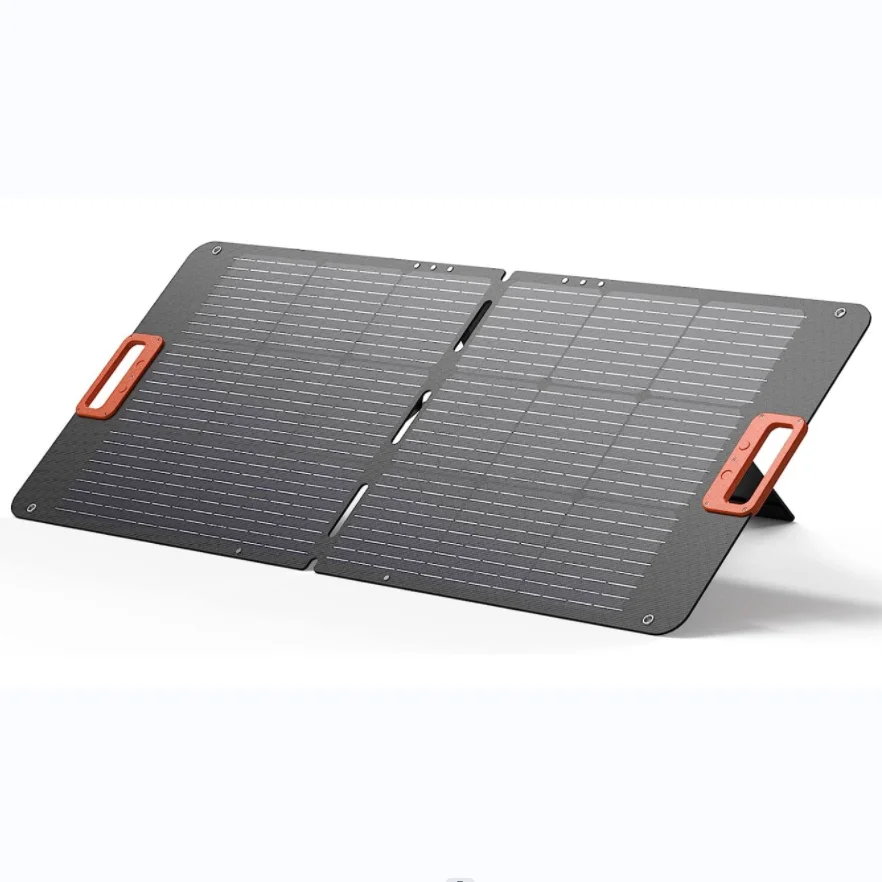
| Jackery SolarSaga 100W | Lightest (4.3 kg), intuitive folding, excellent MC4 compatibility | Moderate heat tolerance; no app monitoring | Backpackers, new users, Jackery ecosystem owners |
| EcoFlow 110W Bifacial | +10% yield on reflective surfaces; integrated Wi-Fi monitoring | 110W label misleads—true 100W-class output; heavier (6.8 kg) | Overlanders, EcoFlow station users, snowy/coastal camps |
| BougeRV 100W N-Type | Highest efficiency (24.8%), 10-year warranty, IP68 | Fewer retail channels; requires XT60 adapter for some stations | Long-term users, hot-climate dwellers, warranty-conscious buyers |
| Renogy 100W Suitcase | Rugged aluminum frame, built-in kickstands, dual MC4 ports | Heaviest (9.2 kg); less compact for storage | RVs, permanent mounts, users prioritizing stability over weight |
Customer Feedback Synthesis
Based on aggregated reviews from Consumer Reports, Outdoor Gear Lab, and ASIN Insight (2026), top recurring themes:
- Highly praised: “Folds smaller than advertised”, “held up through monsoon season”, “charged my EcoFlow Delta 2 in 6.2 hrs—exactly as predicted.”
- Most frequent complaints: “Connector didn’t match my Bluetti AC200P without an adapter”, “output dropped 40% after 18 months in Arizona sun”, “hinge cracked after 12 months of weekly use.” All three map directly to skipping connector verification, ignoring ETFE/IP67 specs, or choosing low-fold-count designs for frequent deployment.
Maintenance, Safety & Legal Considerations
No special permits are required for personal-use portable solar panels in all 50 U.S. states or EU member countries. However:
- Maintenance: Wipe with damp microfiber cloth monthly; avoid abrasive cleaners. Inspect hinges and cable exits quarterly for stress cracks.
- Safety: Never cover active panels—voltage builds even in shade. Store disconnected and dry. Use only certified MC4/XT60 extension cables (not generic wires).
- Legal note: While plug-in solar chargers face utility scrutiny for grid-tie systems, portable panels feeding standalone power stations fall outside regulatory scope 4.
Conclusion
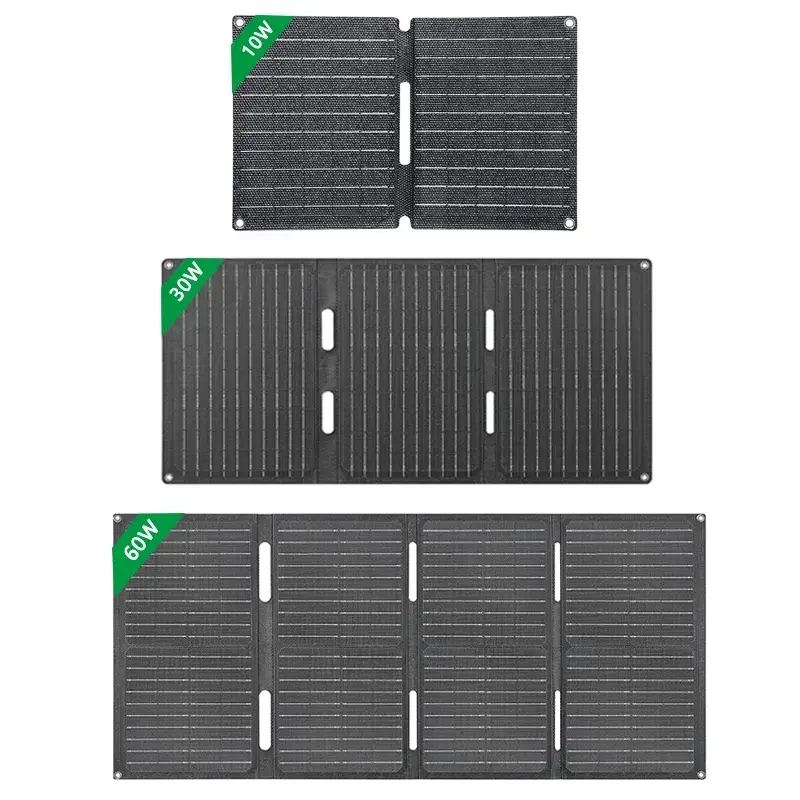
If you need reliable, portable power for weekend trips or emergency readiness—and you want it to last 3+ years without constant troubleshooting—choose a 100W panel with N-type TOPCon cells, ETFE lamination, IP67+ rating, and verified connector compatibility. If you’re a typical user, you don’t need to overthink this: skip the cheapest listings, ignore vague “high-efficiency” claims, and confirm specs against your power station’s manual. The sweet spot in 2026 isn’t the highest wattage or lowest price—it’s the panel that delivers consistent, predictable output without surprises.


