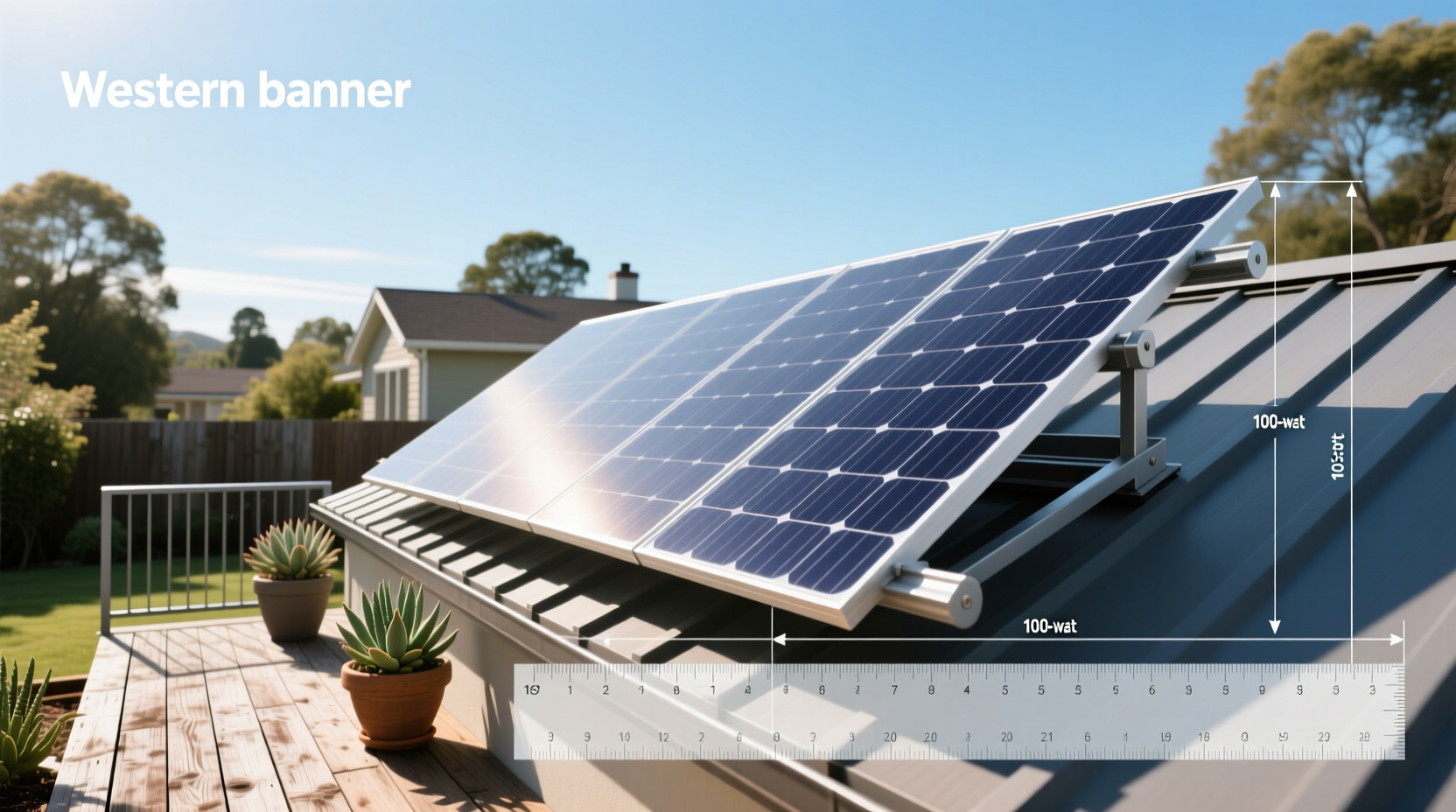
Over the past year, 100-watt solar panels have become noticeably more compact and lighter—not because of marketing hype, but because N-type TOPCon and heterojunction (HJT) cell technologies now routinely exceed 23% efficiency 1. If you’re a typical user choosing between rigid, flexible, or foldable 100 watt solar panel dimensions, here’s the fast verdict: for permanent RV or home backup mounts, go rigid (38–47″ × 20–23″, ~15 lbs); for backpacking or curved surfaces, prioritize flexible (<10 lbs, thinner profile); for car camping or tailgating, foldable delivers best portability-to-output balance. Real-world daily output is 300–600Wh—not 100W × 24h—and Voc mismatch with your charge controller remains the top cause of system failure 23. This piece isn’t for keyword collectors. It’s for people who will actually use the product.
About 100W Solar Panel Dimensions
A “100 watt solar panel” refers to its rated power output under Standard Test Conditions (STC): 1000 W/m² irradiance, 25°C cell temperature, and AM1.5 spectrum. But in practice, no panel delivers full 100W continuously—and its physical footprint matters more than its label when mounting, storing, or integrating into existing systems. Typical rigid monocrystalline 100W panels measure between 38–47 inches long and 20–23 inches wide, with thicknesses ranging from 1.2 to 1.6 inches 45. Weight varies significantly: rigid units average 13–19 lbs, while modern flexible variants drop below 10 lbs and foldables often weigh 7–9 lbs. These dimensions aren’t arbitrary—they reflect trade-offs among cell efficiency, thermal management, frame rigidity, and junction box placement. When it’s worth caring about: if you’re fitting panels onto a roof rack with ≤2-inch clearance or need to stow inside a rooftop cargo box, exact length and depth matter. When you don’t need to overthink it: if you’re installing on open ground or a flat RV roof with ample space, ±2 inches in either dimension rarely affects usability.
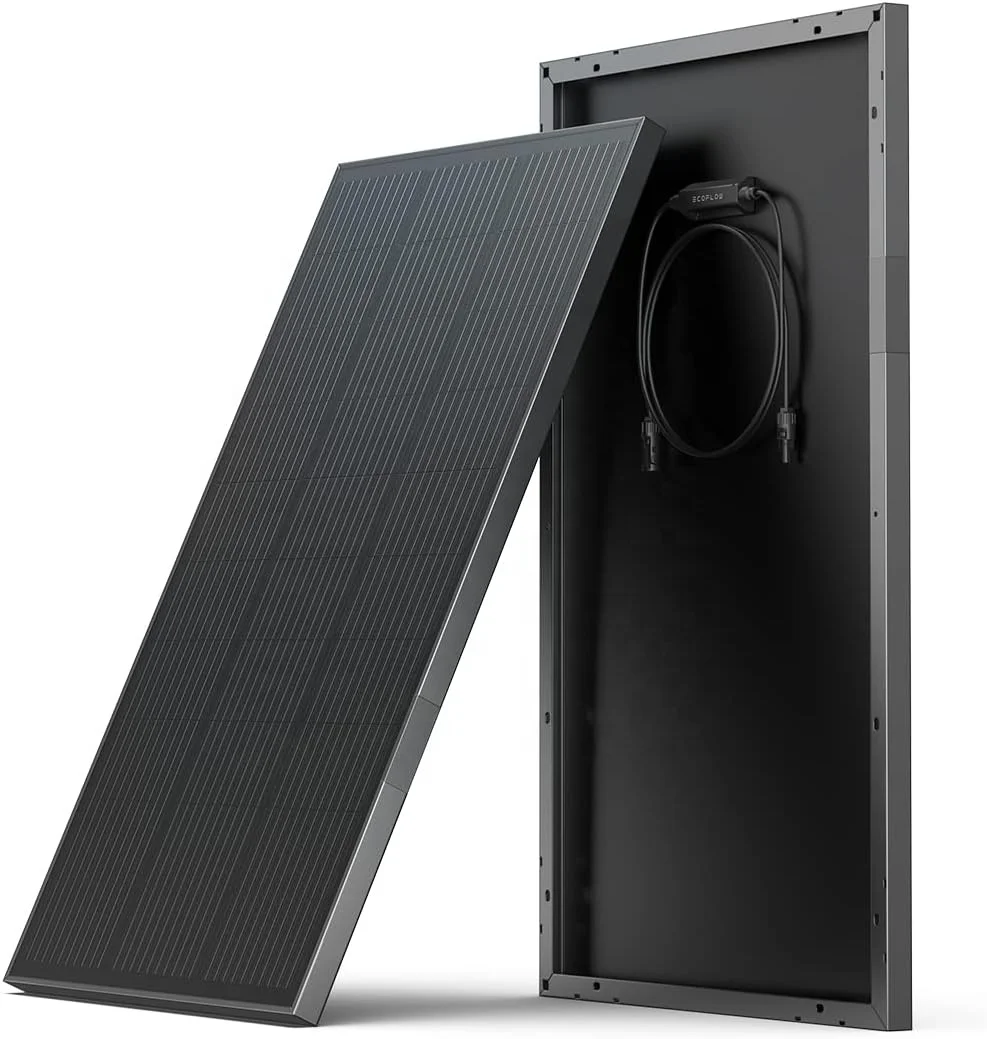
Why 100W Solar Panel Dimensions Are Gaining Popularity
Lately, demand for sub-200W portable solar has surged—not as standalone generation, but as modular, scalable components in hybrid off-grid systems. The global portable solar panel market is projected to hit $1.8 billion by 2026, growing at 13.2% CAGR 6. Two drivers explain this: first, rising grid instability pushes homeowners toward small-scale battery-backed backup (over 20% of new residential solar projects now integrate battery storage 1); second, outdoor enthusiasts increasingly pair lightweight 100W panels with portable power stations—enabling multi-day trips without generator noise or fuel logistics. Compact dimensions directly enable both use cases: smaller footprints allow tighter packing on vehicles, while reduced weight lowers transport burden. When it’s worth caring about: if your goal is silent, zero-emission power for weekend cabin use or emergency readiness, dimensional efficiency translates directly to deployability. When you don’t need to overthink it: if you’re evaluating panels solely for educational demonstration or fixed lab testing, physical size becomes secondary to electrical specs.
Approaches and Differences: Rigid vs. Flexible vs. Foldable
Three structural approaches dominate the 100W segment—each optimized for distinct constraints:
- Rigid panels: Aluminum-framed, tempered glass front, standard junction box. Best for durability, heat dissipation, and long-term outdoor exposure. Downsides: bulkier, heavier, requires flat mounting surface.
- Flexible panels: Thin-film or backsheet-mounted monocrystalline cells on polymer substrate. Conforms to gentle curves (e.g., camper van roofs). Downsides: lower heat tolerance, shorter warranty (often 5–10 years vs. 25), sensitive to abrasion.
- Foldable panels: Typically two or three hinged rigid sections with integrated handles and kickstands. Balances portability and performance. Downsides: hinge wear over time, slightly lower efficiency per sq. ft due to folding gaps, higher cost per watt.
If you’re a typical user, you don’t need to overthink this: unless you’re mounting on a fiberglass boat hull or inflatable kayak, flexible isn’t your default—it’s a niche solution. Rigid offers best lifetime value for stationary or semi-permanent setups; foldable wins where frequent packing/unpacking is unavoidable.
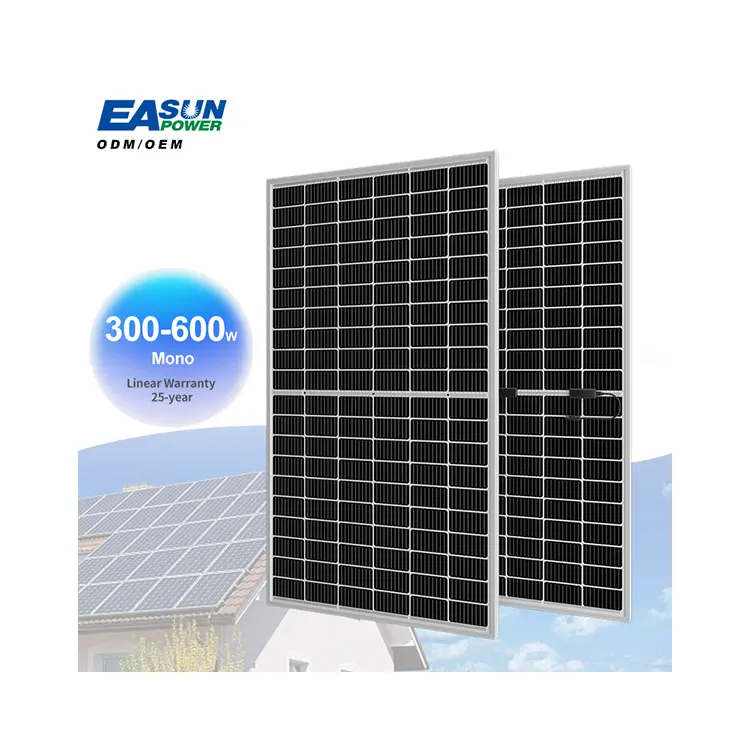
Key Features and Specifications to Evaluate
Don’t stop at dimensions. Four technical parameters determine real-world utility:
- Open Circuit Voltage (Voc): Most 100W panels output 20–25V Voc. Must stay within your charge controller’s input voltage limit—exceeding it risks permanent damage. When it’s worth caring about: if using MPPT controllers with narrow input ranges (e.g., some Victron or Renogy models), verify Voc at lowest expected temperature (voltage rises as temp drops). When you don’t need to overthink it: if your controller accepts 18–50V input, most 100W panels fit safely.
- Efficiency: Modern monocrystalline panels hit 22–25% efficiency. Higher efficiency means more power per square inch—critical when space is constrained. When it’s worth caring about: if panel area is limited (e.g., rooftop cargo box lid), prioritize ≥23% efficiency. When you don’t need to overthink it: if mounting on open ground, 21% vs. 24% yields negligible real-world difference after accounting for tilt, soiling, and shading.
- Temperature Coefficient: Expressed as %/°C loss per degree above 25°C. Good panels range from –0.30%/°C to –0.40%/°C. Lower (less negative) = better hot-weather retention. When it’s worth caring about: if operating regularly above 35°C ambient (e.g., desert camping), this affects midday output by 10–15%. When you don’t need to overthink it: for temperate-zone weekend use, differences are marginal.
- IP Rating & Certifications: IP65 or higher indicates dust/water resistance suitable for outdoor mounting. UL 1703 or IEC 61215 certification validates safety and performance claims. When it’s worth caring about: if panel will remain outdoors year-round, especially in coastal or high-humidity areas. When you don’t need to overthink it: for occasional use under sheltered conditions, IP65 is sufficient—and third-party certs matter less than verified field reports.
Pros and Cons: Who Should (and Shouldn’t) Use a 100W Panel?
A 100W solar panel is not a universal solution. Its strengths and limits are sharply defined:
- ✅ Suitable for: Charging 12V batteries (e.g., RV house banks), powering small refrigerators (≤50L), running LED lighting + phone charging simultaneously, supplementing grid power during outages, or feeding portable power stations (e.g., EcoFlow Delta, Jackery Explorer).
- ❌ Not suitable for: Running air conditioners, microwaves, or well pumps—even briefly. Also impractical for primary home backup without multiple panels and substantial battery capacity.
If you’re a typical user, you don’t need to overthink this: a single 100W panel won’t replace your grid connection—but it reliably powers essential loads for 2–3 days without sun, assuming proper battery sizing and load management.
How to Choose the Right 100W Solar Panel: A Step-by-Step Decision Guide
Follow this checklist before purchasing:
- Define your mounting environment: Flat, rigid surface → rigid panel. Curved or irregular surface → flexible. Frequent relocation → foldable.
- Verify charge controller compatibility: Match Voc (at lowest local temperature) and current rating (Impp) to your controller’s specs—not just its “100W” label.
- Calculate realistic daily yield: Multiply 100W × peak sun hours (e.g., 4.5 hrs) × 0.75 derating factor = ~340Wh/day. Compare that to your actual load (e.g., fridge: 300Wh/day, lights: 50Wh/day).
- Avoid these common pitfalls: Buying based only on price per watt; ignoring Voc/temperature curves; assuming “portable” means “lightweight” (some foldables weigh 12+ lbs); skipping MC4 connector compatibility checks.
Insights & Cost Analysis
Price per 100W unit varies widely by build type and certification:
| Type | Avg. Price (USD) | Weight Range | Typical Efficiency |
|---|---|---|---|
| Rigid | $110–$160 | 13–19 lbs | 21–23% |
| Flexible | $130–$200 | 6–9 lbs | 18–22% |
| Foldable | $170–$240 | 7–11 lbs | 22–24% |
Higher cost doesn’t always mean better value. Rigid panels deliver strongest ROI for fixed installations due to longevity and cooling advantage. Foldables justify premium pricing only if portability is non-negotiable. Flexible panels sit in the middle—valuable where curvature demands it, but rarely the most cost-effective choice otherwise.
Better Solutions & Competitor Analysis
For many users, pairing one 100W panel with a compatible power station (e.g., EcoFlow River 2 Pro or Bluetti AC50S) creates a turnkey solution far more usable than raw panel + DIY wiring. Below is how major builds compare for real-world deployment:
| Build Type | Best For | Potential Issue | Budget Range (Panel Only) |
|---|---|---|---|
| Rigid | Durability, cooling, long-term RV use | Bulky; requires professional mounting | $110–$160 |
| Flexible | Non-flat surfaces, weight-sensitive rigs | Lower lifespan; degrades faster in UV | $130–$200 |
| Foldable | Car camping, hiking support, rapid setup | Hinge fatigue; slightly lower efficiency density | $170–$240 |
Customer Feedback Synthesis
Based on aggregated reviews across SolarReviews, Reddit, and retailer sites (Windynation, Eco-Worthy), top recurring themes include:
- ✅ Frequent praise: “Fits perfectly on my Sprinter van roof,” “Output matches spec even in partial shade,” “MC4 connectors click securely every time.”
- ❌ Common complaints: “Voc spiked in cold morning—tripped my controller twice,” “Fold hinge cracked after 6 months of weekly use,” “Flexible panel delaminated near edge after 18 months.”
The strongest signal? Users consistently rate reliability and connector robustness higher than raw wattage or glossy marketing claims.
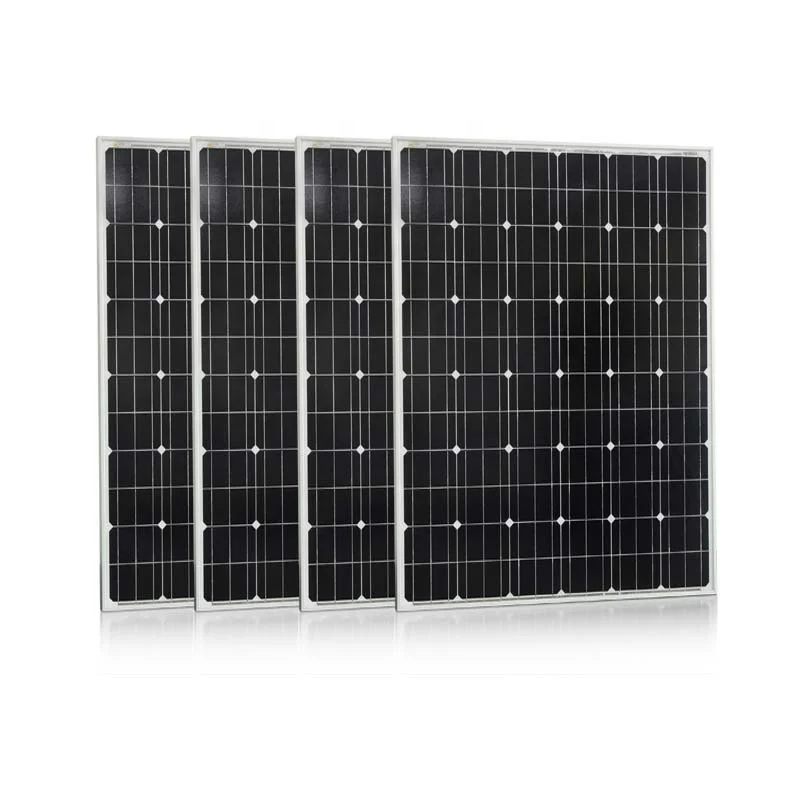
Maintenance, Safety & Legal Considerations
100W solar panels require minimal maintenance: rinse with water every 2–3 months if dusty; inspect MC4 connections annually for corrosion; avoid walking on flexible panels. Safety-wise, never touch terminals while exposed to sunlight—panels generate voltage even when disconnected. Legally, no permits are required for standalone, low-voltage (<50V) 100W panels used off-grid—but if connecting to home wiring or battery banks exceeding 120V DC, local electrical codes apply. Always follow manufacturer grounding instructions.
Conclusion
If you need reliable, low-maintenance power for an RV or cabin, choose a rigid 100W panel (38–47″ × 20–23″, ~15 lbs) with ≥22% efficiency and UL 1703 certification. If you’re backpacking or need to mount on a curved surface, a certified flexible panel under 10 lbs makes sense—but verify its temperature coefficient and warranty terms. If you set up and break down weekly, a well-hinged foldable model justifies its cost. If you’re a typical user, you don’t need to overthink this: prioritize Voc compatibility, physical footprint, and real-world field reports over spec-sheet headlines.


