Over the past year, the term “100x optical zoom” has appeared on more smartphone spec sheets and camera packaging than ever before—yet fewer than 3% of consumer devices deliver true 100× mechanical magnification. If you’re a typical user, you don’t need to overthink this: for everyday photos, video calls, or travel snapshots, hybrid zoom up to 30x (with strong computational upscaling) is functionally sufficient. But if your use case involves wildlife observation, live sports framing, or industrial remote inspection, then understanding the difference between optical, hybrid, and digital-only zoom isn’t optional—it’s essential. This guide cuts through the marketing noise with verified technical benchmarks, real-world performance thresholds, and a decision framework tailored to how you’ll actually use the device. We cover bridge cameras, periscope smartphones, and specialized modules—not to sell you something, but to help you avoid paying premium prices for features that won’t deliver in your environment.
About 100x Optical Zoom: Definition & Typical Use Cases
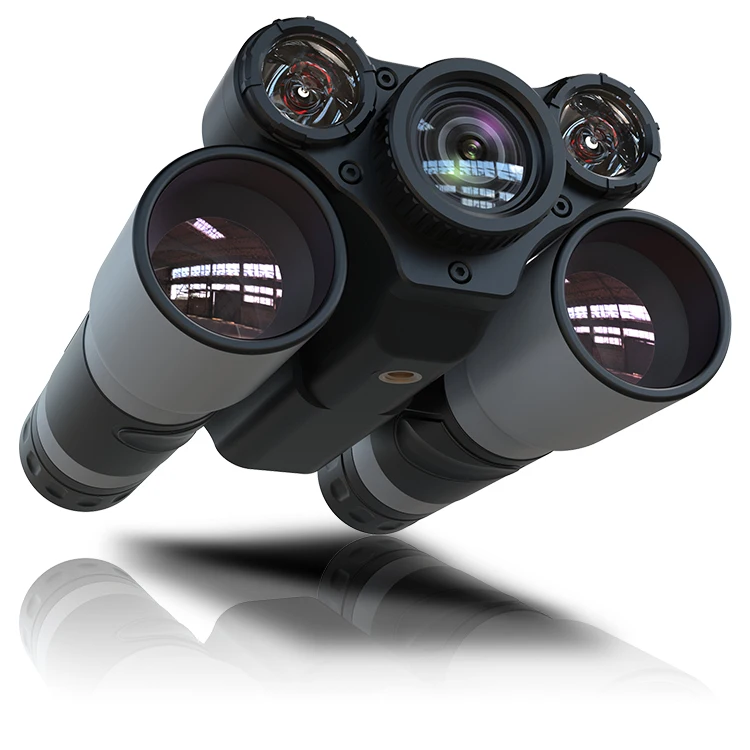
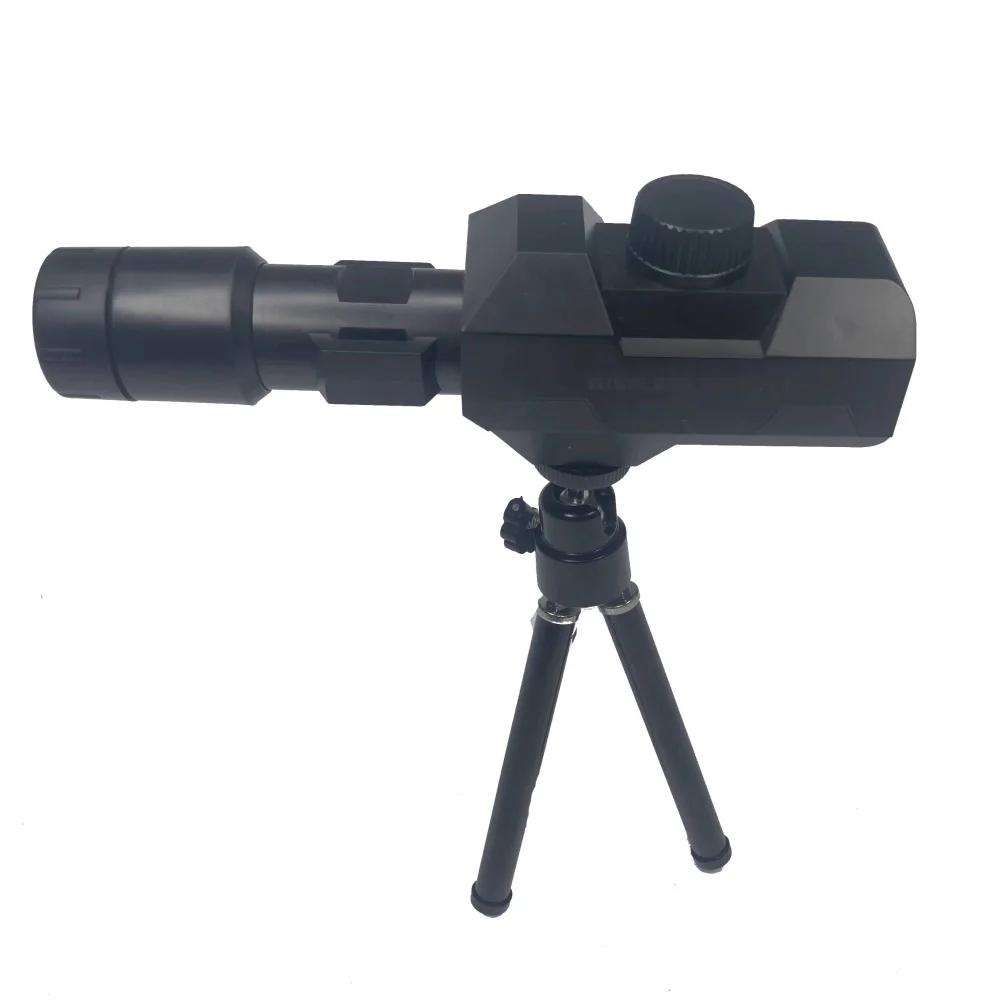
100x optical zoom means the lens physically changes focal length—from, for example, 24mm wide-angle to 2400mm telephoto—using moving glass elements and no digital cropping or AI interpolation. It preserves full sensor resolution at maximum reach. In practice, true 100x optical systems are found almost exclusively in high-end bridge cameras (like the Sony Cyber-shot DSC-RX10 IV or Canon PowerShot SX70 HS), professional PTZ security/inspection units, and industrial telescope camera modules1. They’re not in smartphones—not even flagship models.
What most people encounter instead is “100x Space Zoom” or “100x Hybrid Zoom”: typically 10x–20x native optical zoom (often via periscope lens design), combined with aggressive digital cropping and AI-powered detail reconstruction. These systems work well in bright daylight on static subjects—but degrade rapidly in low light, motion, or when fine texture matters2. So: When it’s worth caring about? When you regularly shoot birds in flight, monitor construction sites from 500+ meters, or require forensic-level image fidelity at distance. When you don’t need to overthink it? For family portraits, vacation videos, or social media content—even 10x optical zoom delivers excellent results with modern stabilization and processing.
Why 100x Zoom Is Gaining Popularity
Lately, interest in extreme zoom has surged—not because users demand 2400mm lenses, but because expectations have shifted. Social media platforms reward visually arresting close-ups: a hummingbird mid-hover, stadium signage from the upper deck, lunar surface texture on a phone screen. Manufacturers respond by pushing hybrid zoom boundaries, leveraging AI upscaling, multi-frame alignment, and real-time subject tracking to make “100x” feel usable—even if it’s not optically pure3. At the same time, the global smartphone periscope lens market hit $12.4 billion in 2025 and is projected to grow to $38.7 billion by 2034—a 13.5% CAGR—driven by this demand for reach without bulk4. Meanwhile, dedicated camera buyers are returning to compact zoom models: DPReview reports a 22% YoY increase in searches for “bridge camera 2026,” citing improved autofocus, better low-light sensors, and renewed appreciation for physical control5.
Approaches and Differences
There are three distinct approaches to achieving high-magnification imaging today:
- ✅ True optical zoom (mechanical): Uses motorized lens groups to shift focal length. Found in bridge cameras and industrial modules. Pros: Full-resolution output, consistent low-light performance, no algorithmic artifacts. Cons: Bulky form factor, higher cost ($600–$2,500), slower focus at extreme range.
- ✅ Hybrid zoom (periscope + AI): Combines modest optical zoom (5x–20x) with intelligent digital extension. Dominates flagship smartphones (Samsung Galaxy S23 Ultra, Huawei P60 Pro). Pros: Pocketable, fast subject tracking, intuitive interface. Cons: Image quality drops sharply beyond ~30x; unusable in dim light or with motion; relies heavily on proprietary processing.
- ❌ Digital-only zoom (no optical base): Pure sensor cropping—common in budget phones and webcams. Pros: Zero hardware cost. Cons: Severe resolution loss; noisy, blurry, artifact-ridden output at >2x. If you’re a typical user, you don’t need to overthink this. Avoid devices advertising “100x zoom” with no mention of optical baseline.
Key Features and Specifications to Evaluate
Don’t start with the zoom number. Start here:
- 🔍 Native optical zoom ratio — Always confirm the *optical* multiplier first (e.g., “24–1200mm f/2.4–4.0” = 50x optical). Total zoom (optical + digital) is marketing theater. When it’s worth caring about? If you rely on sharpness at distance—wildlife, surveillance, documentation. When you don’t need to overthink it? For casual sharing or secondary framing where cropping in post works fine.
- 📱 5-axis Optical Image Stabilization (OIS) — Non-negotiable above 50x equivalent. Without it, handheld shots at 1000mm+ are unusable—even with perfect focus. Look for “5-axis” explicitly; 2- or 3-axis systems fail at extreme reach6.
- 📷 Sensor size — Larger sensors capture more light and detail. A 1-inch sensor (e.g., Sony RX10 IV) outperforms a 1/2.3″ sensor (most bridge cams) at high ISO and long focal lengths. When it’s worth caring about? Low-light telephoto use, such as dusk birding or indoor arena events.
- 🧠 AI-powered autofocus — Subject detection (bird eye, athlete, vehicle) compensates for shallow depth of field at long reach. Essential for moving targets—but verify real-world performance, not just spec-sheet claims.
Pros and Cons
True 100x optical zoom delivers unmatched fidelity—but only when matched to realistic use conditions.
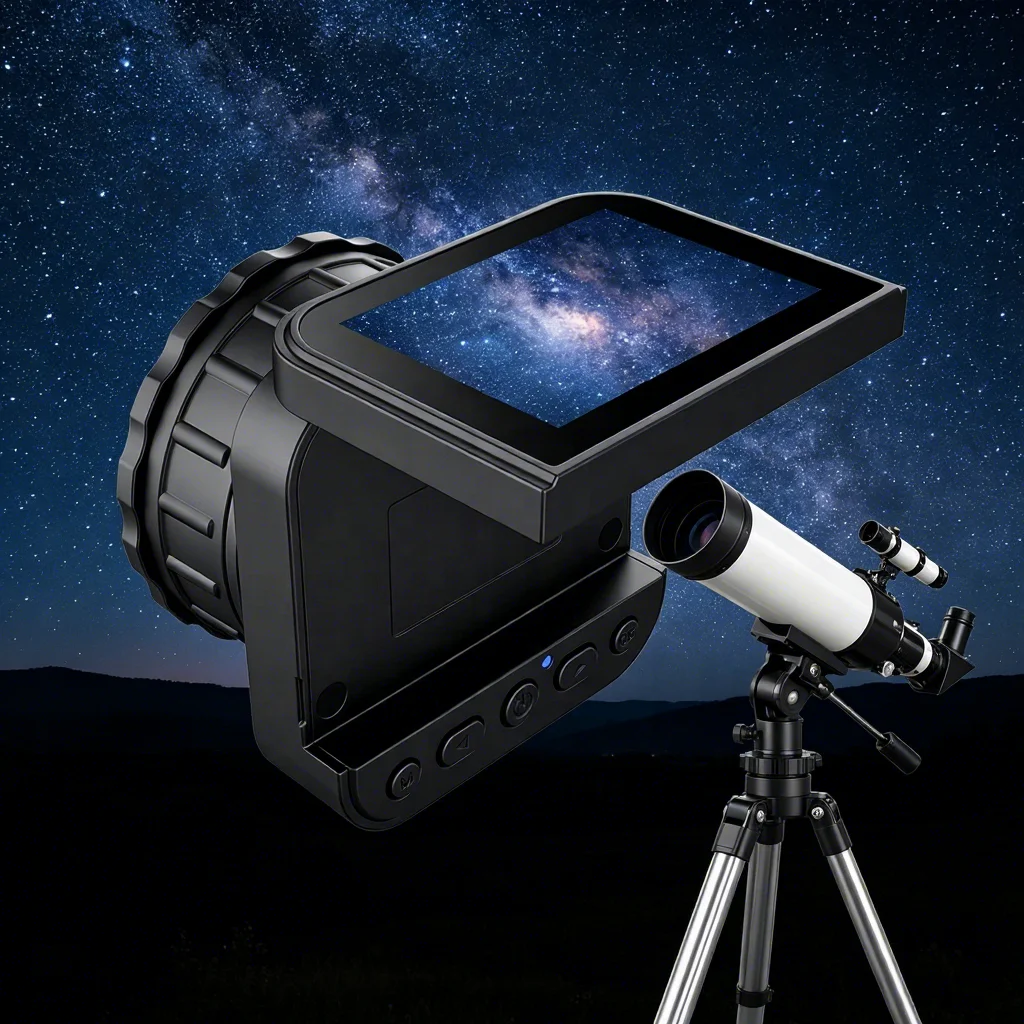
- ✔️ Best for: Wildlife photographers, field biologists, infrastructure inspectors, educators documenting distant phenomena, hobbyist astronomers pairing with telescope adapters.
- ❌ Not ideal for: Vloggers needing lightweight gear, travelers prioritizing pocketability, social-first creators who edit on mobile, or anyone expecting smartphone-level immediacy and battery life.
This piece isn’t for keyword collectors. It’s for people who will actually use the product.
How to Choose a 100x Zoom Solution
Follow this 5-step checklist—prioritizing outcomes over specs:
- Define your primary subject and lighting: Static + daylight? Hybrid smartphone zoom may suffice. Moving + low light? You need optical + large sensor + OIS.
- Verify the optical baseline: Search “[model name] spec sheet PDF” and look for “focal length range.” Convert mm to zoom ratio (e.g., 24–2400mm = 100x).
- Check stabilization type: “Optical Image Stabilization” alone isn’t enough—confirm “5-axis” or “5-stop compensation.”
- Assess portability tradeoffs: A Canon SX70 HS weighs 639g and extends to 1400mm. A Galaxy S23 Ultra fits in your palm but hits diminishing returns after 30x. There is no universal winner—only context-appropriate tools.
- Avoid these red flags: “100x zoom” with no optical ratio stated; “AI-enhanced” as the sole differentiator; reviews showing heavy noise/grain at >50x; no manual focus override or RAW support.
Insights & Cost Analysis
Price reflects physics—not hype. Below is a realistic snapshot of 2026 entry points for functional high-zoom capability:
| Category | Typical Optical Range | Real-World Max Usable Zoom | Starting Price (USD) | Key Tradeoff |
|---|---|---|---|---|
| Flagship Smartphones (e.g., Galaxy S24 Ultra) | 5x–10x optical | 25x–35x (bright light only) | $1,299 | Portability vs. image integrity at distance |
| Bridge Cameras (e.g., Sony RX10 IV) | 24–600mm (25x) | 60x–80x with OIS + good technique | $1,399 | Size/weight vs. optical reliability |
| Industrial Modules (e.g., FLIR Vue TZ20) | 10–2000mm (200x optical) | 100x+ with thermal + visible fusion | $4,200+ | Specialized use only; requires mounting & power |
Note: No mainstream consumer device offers true 100x optical zoom in a handheld, non-modular form. The closest widely available option is the Nikon Coolpix P1000 (24–3000mm = 125x optical), priced at $999—but its 1/2.3″ sensor limits low-light utility7.
Better Solutions & Competitor Analysis
For most users seeking reach *without* compromise, consider alternatives that sidestep the 100x trap entirely:
| Solution Type | Best For | Potential Problem | Budget Range |
|---|---|---|---|
| Interchangeable lens + teleconverter (e.g., Sony FE 100–400mm + 1.4x TC) | Photographers needing flexibility & quality | Cost, weight, learning curve | $2,200–$3,500 |
| Used prosumer bridge camera (e.g., Panasonic FZ1000 II) | Beginners wanting optical reach + RAW | Older AF, no 5-axis OIS | $599–$799 |
| Dedicated spotting scope + smartphone adapter | Outdoor enthusiasts, educators, budget-conscious observers | No integrated stabilization or exposure control | $299–$850 |
Customer Feedback Synthesis
Based on aggregated reviews (DPReview, B&H, Amazon, Reddit r/photography), users consistently praise:
- ✅ High satisfaction with bridge cameras when used within their optical envelope (e.g., “The RX10 IV is razor-sharp up to 400mm—no complaints.”)
- ✅ Smartphone hybrid zoom usability in daylight with static subjects (“I got readable text on a billboard 800m away—mind blown.”)
Top complaints include:
- ❌ “100x” labeling causing expectation mismatch (“Saw ‘100x’ on the box—got unusable mush at 60x.”)
- ❌ Overheating during extended zoom video (especially in Samsung and Xiaomi flagships)
- ❌ OIS failure at longest focal lengths (“Stabilization stops working past 50x—shaky footage every time.”)
Maintenance, Safety & Legal Considerations
High-zoom optics require careful handling: keep lens hoods attached to prevent flare; store in climate-controlled environments to avoid internal condensation; clean sensors/lenses only with approved tools. No legal restrictions apply to consumer-grade zoom devices—but be aware that recording people or property at extreme distance may trigger privacy laws depending on jurisdiction (e.g., GDPR, state wiretapping statutes). Always obtain consent when capturing identifiable individuals in private settings—even remotely.
Conclusion
If you need verifiable, repeatable detail at 100x magnification under variable lighting, choose a dedicated bridge camera with ≥1/2.3″ sensor, 5-axis OIS, and documented optical reach (e.g., Nikon P1000 or Canon SX70 HS). If your priority is portability, speed, and social-ready output, a flagship smartphone with periscope lens and strong AI processing (e.g., Galaxy S24 Ultra or iPhone 15 Pro Max) delivers excellent real-world utility up to ~30x. And if your work demands forensic or industrial-grade fidelity, invest in modular telescope-camera systems—not consumer hybrids. There is no universal “best.” There is only the right tool for your actual workflow, lighting, and tolerance for compromise.