If you’re installing your first outdoor security camera—or upgrading from an older model—start with a 1080p resolution unit that offers Color Night Vision, AI-powered human detection, and hybrid (microSD + cloud) storage. Over the past year, 61% of U.S. households adopted at least one security camera1, and the shift toward DIY, battery-powered, and proactive-deterrence models has accelerated—not because specs improved dramatically, but because real-world usability did. This isn’t about chasing 4K. It’s about choosing a system that reliably records, deters, and works without constant troubleshooting. If you’re a typical user, you don’t need to overthink this.
About 1080p Outdoor Security Cameras
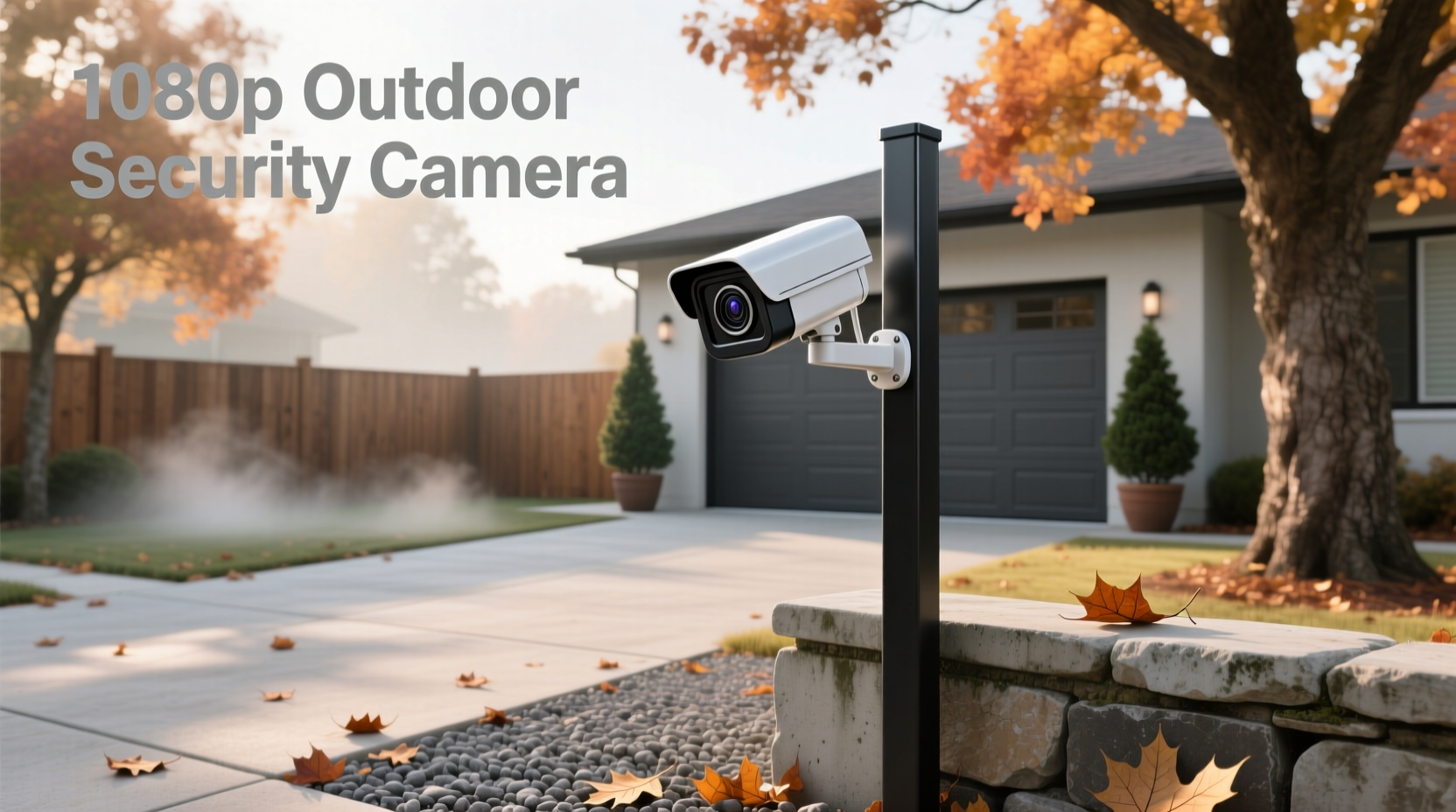
A 📷 1080p outdoor security camera is a weather-resistant surveillance device capable of capturing video at 1920 × 1080 pixel resolution, designed for continuous operation in rain, snow, dust, and temperature extremes. Unlike indoor models, it includes IP65 or higher ingress protection, wide dynamic range (WDR) for high-contrast scenes, and robust mounting hardware. Typical use cases include monitoring front doors, driveways, backyard perimeters, rental property entrances, and small business exteriors. These cameras connect via Wi-Fi, Power over Ethernet (PoE), or battery/solar power—and increasingly support local processing for privacy-focused motion analysis.
Why 1080p Outdoor Security Cameras Are Gaining Popularity
Lately, demand has surged—not due to novelty, but necessity. Urban crime reports rose 7–12% across major metro areas in 20252, and renters now make up nearly half of new adopters. Why? Because portable, battery-powered 1080p models let tenants install deterrents without landlord approval or drilling. Simultaneously, manufacturers shifted from passive recording to proactive intervention: when AI detects a person near your porch, it triggers a spotlight and siren—not just an alert. That behavior change (not resolution bump) drives adoption. If you’re a typical user, you don’t need to overthink this.
Approaches and Differences
Three primary deployment approaches dominate the market—each solving distinct constraints:
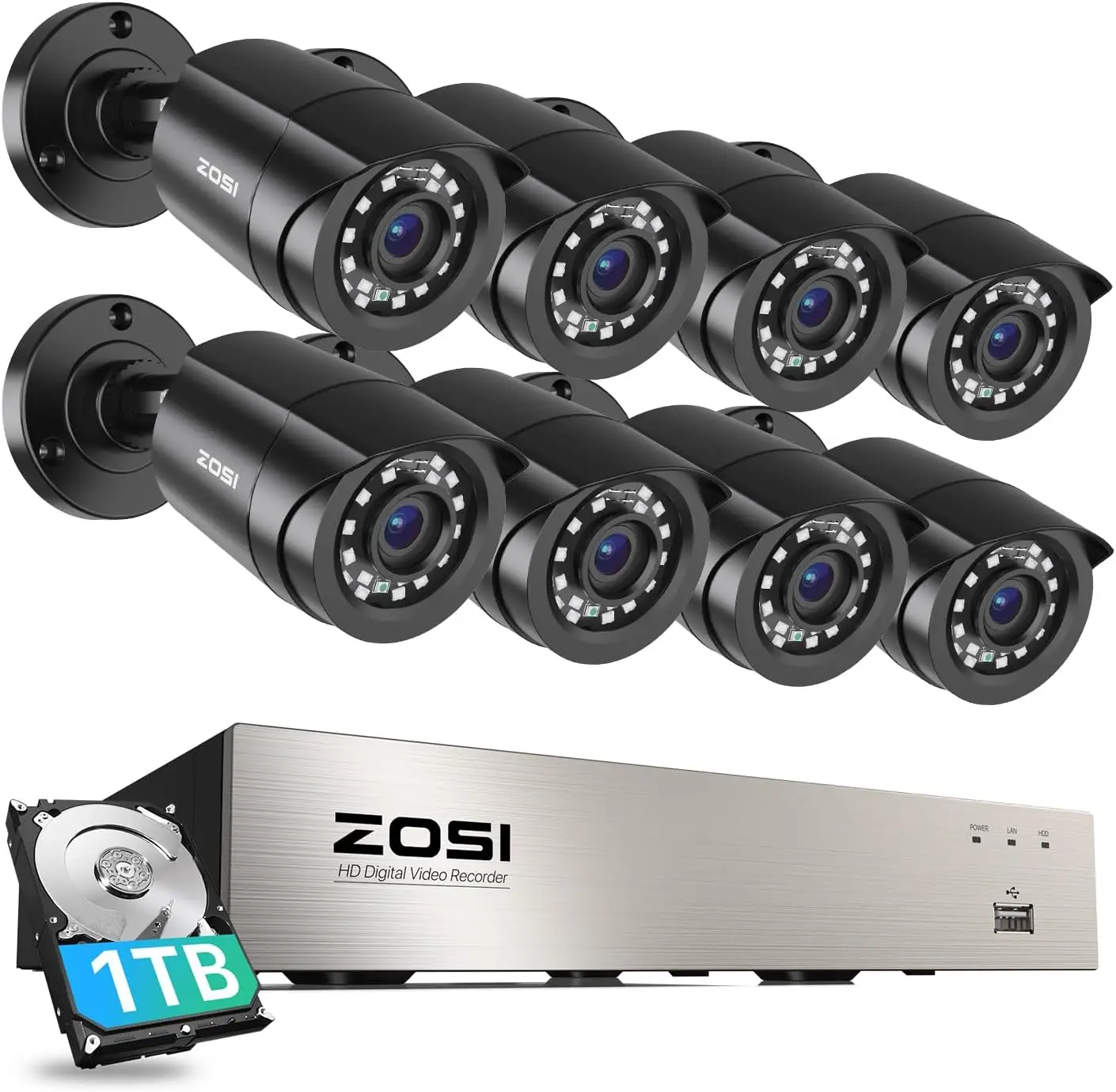
- 🔋 Battery/Solar-Powered Cameras: Wireless, renter-friendly, easy to reposition. Trade-offs: limited battery life (3–12 months depending on usage), lower frame rate in low-light, and occasional sync delays.
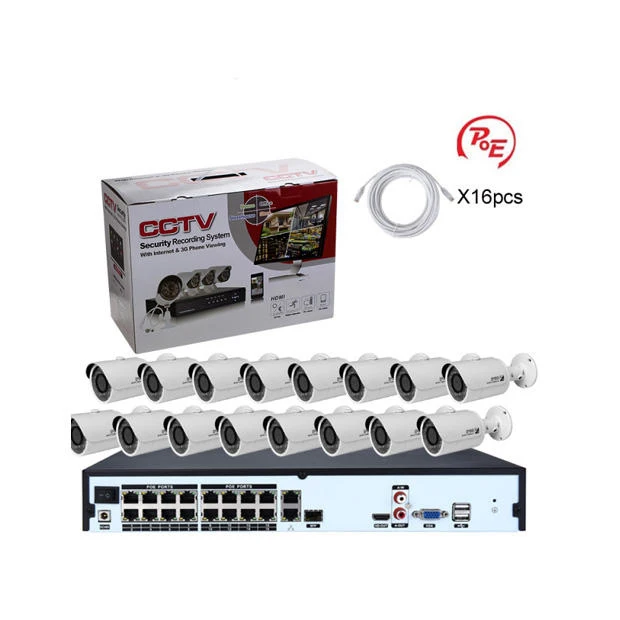
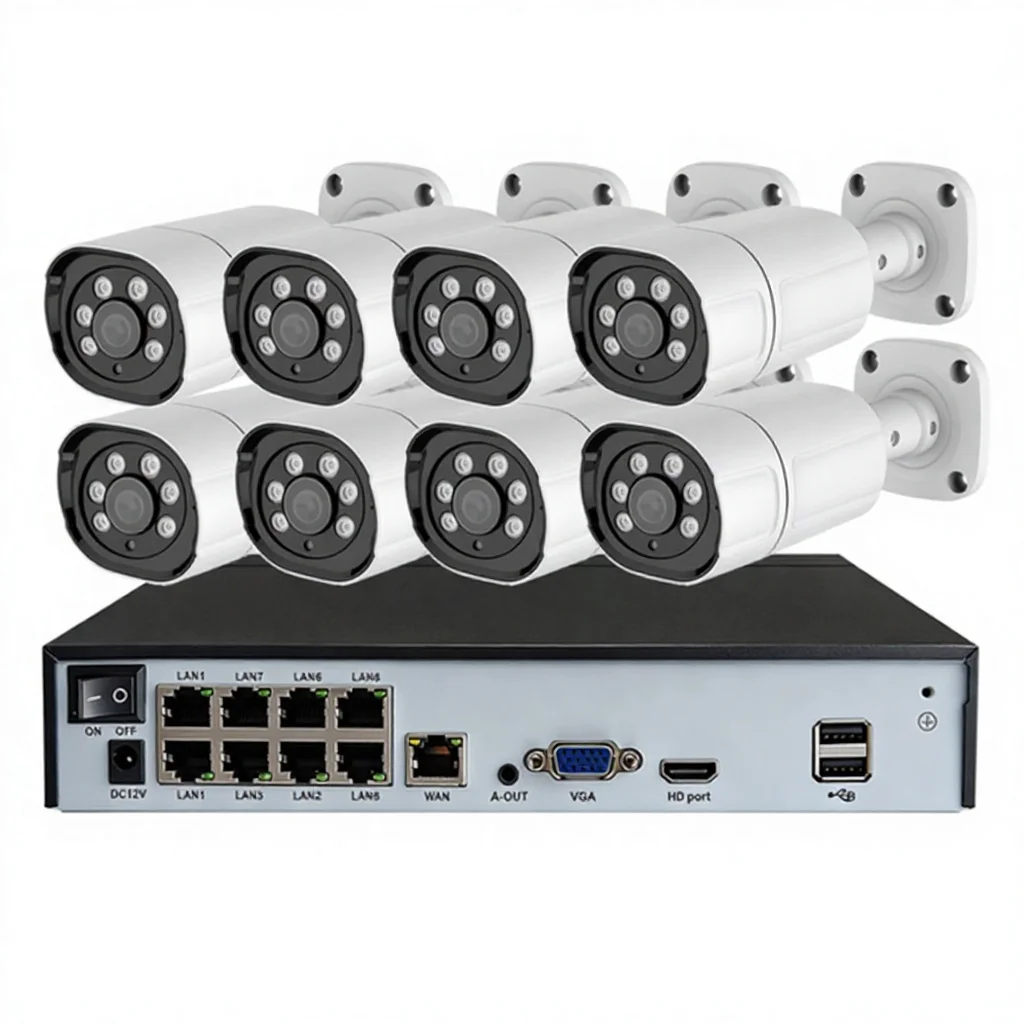
- 🔌 Power over Ethernet (PoE): Delivers power and data over one cable. Ideal for permanent installations where reliability and continuous recording matter most. Requires network switch or NVR with PoE ports—less flexible for single-cam setups.
- 🌐 Wi-Fi-Only Plug-In Models: Balanced option—no wiring complexity, no battery anxiety. But vulnerable to Wi-Fi congestion and signal drop-off beyond 30 ft from router.
When it’s worth caring about: Do you move frequently? Rent? Have no outdoor outlets nearby? → Prioritize battery/solar.
When you don’t need to overthink it: You own your home, have Ethernet access, and want plug-and-play stability → PoE or Wi-Fi plug-in is functionally equivalent for 1080p.
Key Features and Specifications to Evaluate
Don’t optimize for specs—optimize for outcomes. Here’s what moves the needle in 2026:
- 🌙 Color Night Vision: Uses integrated spotlights (not IR-only) to preserve skin tone, clothing color, and vehicle details after dark. When it’s worth caring about: You need to identify visitors—not just detect movement. When you don’t need to overthink it: If your yard is fully lit by streetlights or porch lights, basic IR may suffice.
- 🧠 AI-Based Human Detection: Filters out false alerts from trees, pets, and passing cars. Accuracy now exceeds 94% in top-tier models3. When it’s worth caring about: You live on a busy street or have wildlife nearby. When you don’t need to overthink it: A quiet cul-de-sac with minimal ambient motion? Even mid-tier detection works well.
- 📡 Field of View (FOV): Aim for 110°–140°. Wider than 160° introduces distortion; narrower than 90° creates blind spots. When it’s worth caring about: Covering a garage door + side gate in one shot. When you don’t need to overthink it: Single-entry-point monitoring (e.g., front door only)? 110° is more than enough.
- 🔒 Weatherproofing Rating: IP65 is minimum acceptable; IP66 or IP67 preferred for coastal or heavy-rain zones. When it’s worth caring about: You’ve had cameras fail after one winter storm. When you don’t need to overthink it: Most certified 1080p outdoor units meet IP65—just verify before purchase.
- 💾 Hybrid Storage: Local microSD (up to 256GB) + optional cloud backup. Ensures footage survives internet outages or subscription lapses. When it’s worth caring about: You’ve lost critical clips during past connectivity drops. When you don’t need to overthink it: Cloud-only plans are fine if you pay annually and monitor uptime—but never rely solely on them.
Pros and Cons
1080p remains the pragmatic sweet spot—not outdated, not over-engineered.
- ✅ Pros: Lower bandwidth use (under 4 Mbps upload), affordable hardware ($40–$120), mature ecosystem support (Alexa, Google Home, Home Assistant), and sufficient detail for license plate or facial recognition at 15 ft.
- ⚠️ Cons: Not ideal for identifying faces beyond 30 ft; struggles in extreme backlight (e.g., sunset behind subject); lacks the forensic zoom capability of 2K/4K in commercial forensics.
This piece isn’t for keyword collectors. It’s for people who will actually use the product.
How to Choose a 1080p Outdoor Security Camera
Follow this 5-step decision checklist—designed to cut through noise:
- Define your primary trigger: Is it deterrence (siren + light), verification (clear ID), or documentation (timestamped archive)? Don’t default to “all three.” Pick one priority.
- Map your power reality: No outdoor outlet? No Ethernet run? Then battery/solar is your only viable path—even if specs look slightly weaker.
- Test detection logic: Read verified user reviews mentioning “false alerts.” If >15% of reviewers complain about wind-triggered alarms, skip that model—even if resolution is perfect.
- Verify storage continuity: Does it record locally *during* cloud outages? Does microSD playback work reliably in the app? Skip brands with inconsistent firmware updates.
- Avoid two common traps: (1) Assuming “cloud subscription required” means better security—it doesn’t; local storage is more resilient. (2) Prioritizing ultra-wide FOV over lens quality—distortion ruins identification value.
Insights & Cost Analysis
Entry-level 1080p outdoor cameras now start at $39 (basic Wi-Fi, IR night vision). Mid-tier models with Color Night Vision, AI detection, and solar compatibility average $79–$119. High-end PoE units with 24/7 recording and enterprise-grade encryption land at $149–$199. Bulk B2B pricing for 5+ units typically reduces per-unit cost by 18–25%—especially for solar-PTZ or PoE NVR bundles.
What hasn’t changed: Resolution alone doesn’t justify paying 2× more. A $79 Wyze Cam v4 delivers comparable daytime clarity and smarter detection than a $159 legacy brand—because software and sensor tuning matter more than megapixels.
Better Solutions & Competitor Analysis
| Solution Type | Best For | Potential Issue | Budget Range (per unit) |
|---|---|---|---|
| Battery + Solar Hybrid | Renters, remote sheds, temporary sites | Lower frame rate at night; requires seasonal panel cleaning | $59–$109 |
| PoE + NVR Kit | Homeowners, small businesses, multi-camera coverage | Requires network infrastructure; less portable | $129–$249 (kit) |
| Wi-Fi Plug-In w/ Spotlights | Front door, garage, porch—single-point focus | Vulnerable to Wi-Fi congestion; no continuous power backup | $49–$89 |
Customer Feedback Synthesis
Based on aggregated reviews across CNET, Wirecutter, SafeWise, and Security.org (2025–2026):
✅ Top 3 praised features: (1) Reliable person detection with zero pet false alarms, (2) Easy mobile app setup (<5 min), (3) MicroSD playback without subscription.
❌ Top 3 recurring complaints: (1) Cloud subscription forced after 30-day trial, (2) Spotlight brightness too harsh for neighbors, (3) Firmware update failures causing offline status.
Maintenance, Safety & Legal Considerations
Outdoor cameras require minimal maintenance—but neglect accelerates failure. Clean lenses quarterly; check seal integrity around cable ports annually; replace lithium batteries every 2–3 years (even if still holding charge). Legally, most U.S. states permit recording in public-facing areas (driveways, sidewalks) without consent—but avoid pointing directly into neighbor windows or private yards. Always post visible signage if recording audio (required in 12 states). Never assume “cloud storage = secure”—encrypt SD cards and enable two-factor authentication on accounts.
Conclusion
If you need reliable, low-friction outdoor surveillance without professional installation—choose a 1080p camera with Color Night Vision, AI human detection, and hybrid storage. If you rent or lack wiring, go battery/solar. If you own your home and want long-term stability, PoE is objectively superior. If you’re a typical user, you don’t need to overthink this. Resolution hype peaked in 2023; 2026 is about intelligence, resilience, and integration—not pixels.
Frequently Asked Questions