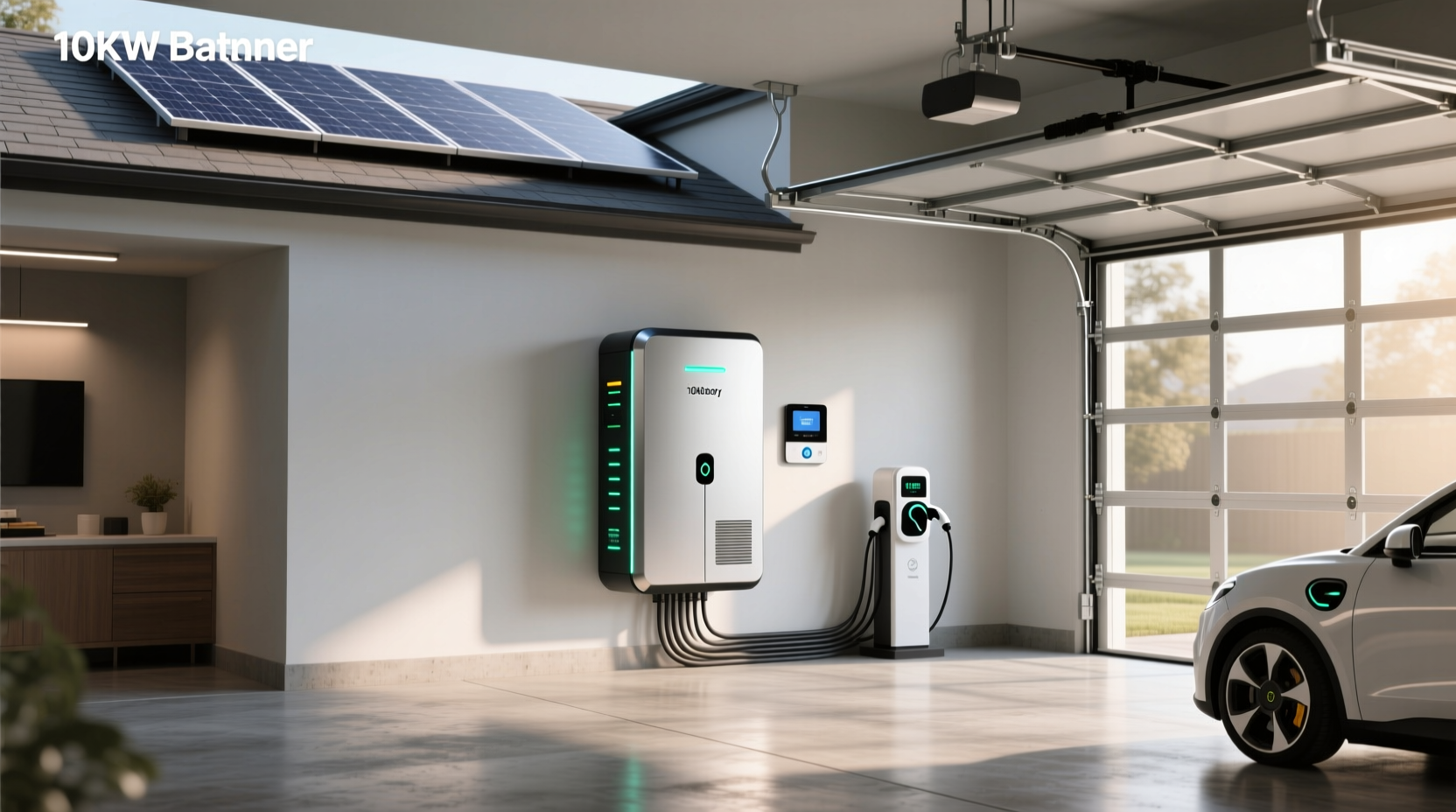
If you’re sizing a residential battery backup for whole-home resilience in 2026, start here: A 10kW-rated system — paired with ≥13 kWh of usable LiFePO4 capacity — is now the most balanced choice for homes running AC, well pumps, or Level 2 EV chargers. Over the past year, pricing has stabilized, warranties extended to 15 years, and VPP (Virtual Power Plant) software has become standard — not optional. If you’re a typical user, you don’t need to overthink this: prioritize LFP chemistry, verify continuous (not peak) output matches your heaviest startup load, and confirm expandability before installation. Skip lead-acid hybrids, avoid non-VPP-ready units if grid incentives matter, and don’t pay premium for brand-only software unless you already own that ecosystem.
About 10kW Battery Backup Systems
A 10kW battery backup system refers to an energy storage solution whose inverter can deliver up to 10,000 watts of continuous power — enough to run critical household loads simultaneously: refrigerators, HVAC compressors, sump pumps, induction stoves, and even a 7.2 kW EV charger at full rate1. Crucially, “10kW” describes power output, not energy storage — that’s measured in kilowatt-hours (kWh). Most modern 10kW systems combine a hybrid inverter and one or more battery modules into an integrated Energy Storage System (ESS), often wall-mounted or floor-standing. They’re designed for grid-tied homes with solar, but also serve as standalone backup during outages when paired with a generator or off-grid PV array.
Typical use cases include:
- Residential solar-plus-storage setups aiming for >90% self-consumption
- Homes in wildfire-prone or storm-vulnerable regions needing multi-hour outage resilience
- Owners seeking participation in utility demand-response or VPP programs
- Contractors installing turnkey solutions where speed and code compliance matter
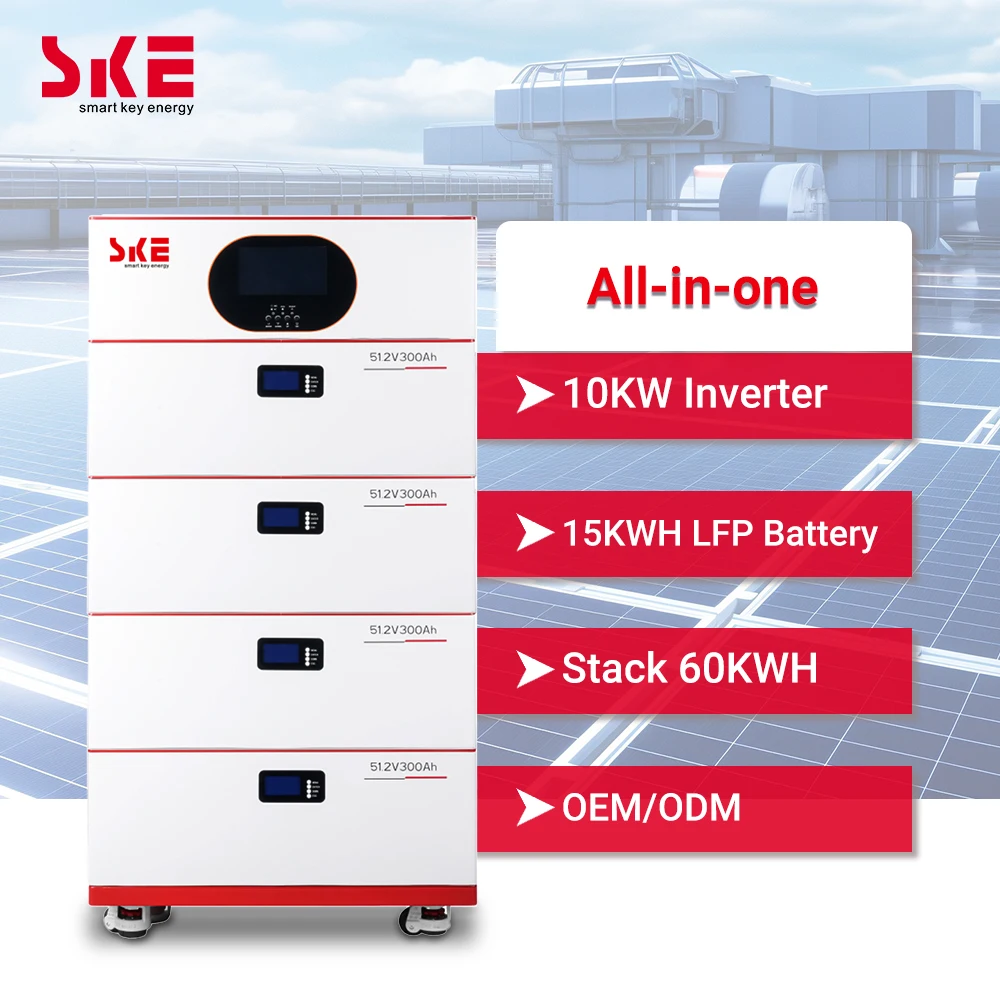
Why 10kW Battery Backup Is Gaining Popularity
Lately, the 6–10kW segment has become the fastest-growing tier in residential storage — projected to capture 43.8% of global market share by 20262. This isn’t accidental. Three converging signals make it especially relevant now:
- Grid instability is measurable: U.S. average outage duration rose 64% between 2013–20233; European blackouts increased 37% in 2024 alone due to heat-driven demand spikes.
- LFP costs dropped 22% since 2022, narrowing the gap with older chemistries while delivering superior safety and cycle life.
- VPP enrollment surged: Over 1.2 million U.S. households now earn $100–$300/year by allowing utilities to dispatch stored energy during peak hours — and 10kW-class inverters are the minimum entry point for most programs.
If you’re a typical user, you don’t need to overthink this: rising grid volatility + falling LFP prices + standardized VPP interfaces mean 2026 is the first year where a 10kW system delivers clear ROI — not just peace of mind.
Approaches and Differences
There are two primary paths to a 10kW backup: pre-integrated consumer systems and modular B2B-sourced components. Each serves distinct needs — and misalignment here causes the most common buyer regrets.
| Approach | Best For | Potential Drawbacks | Budget Range (USD) |
|---|---|---|---|
| Pre-integrated consumer systems (e.g., FranklinWh aPower 2, Tesla Powerwall 3) |
Homeowners prioritizing plug-and-play simplicity, brand trust, and software continuity | Higher cost per kWh; limited third-party interoperability; longer lead times | $12,500–$18,000 (installed) |
| Modular B2B-sourced ESS (e.g., factory-direct 10kW/200Ah LiFePO4 + hybrid inverter) |
Installers, tech-savvy owners, and commercial resellers seeking scalability and cost control | Requires certified commissioning; software setup may involve multiple platforms | $4,800–$9,990 (wholesale, before labor) |
The biggest misconception? That “integrated = easier.” In reality, integration only simplifies wiring — not configuration. Many pre-built units require proprietary gateways and cloud accounts. Meanwhile, top-tier modular kits now ship with unified firmware and UL 1741 SA-certified inverters — meaning install time differs by <1.5 hours, not days.
Key Features and Specifications to Evaluate
When comparing models, focus on four dimensions — and know exactly when each matters:
- Continuous vs. Peak Output
When it’s worth caring about: If your HVAC compressor draws 8.2 kW at startup, you need ≥10 kW continuous output — not “peak” (which lasts seconds). Many specs list peak only.
When you don’t need to overthink it: For lighting, fridge, and Wi-Fi only, 5 kW continuous suffices. If you’re a typical user, you don’t need to overthink this. - Usable Capacity & Depth of Discharge (DoD)
When it’s worth caring about: LFP batteries reliably deliver 100% DoD — so a “13.5 kWh nominal” unit truly offers 13.5 kWh usable. Older NMC or lead-acid may cap at 80%. This directly impacts runtime.
When you don’t need to overthink it: All major 2026 LFP models meet 95–100% DoD. Avoid non-LFP unless legacy compatibility is mandatory. - Thermal Management
When it’s worth caring about: In climates averaging >32°C (90°F), passive cooling degrades cycle life 20–30% faster. Liquid-cooled or forced-air units extend warranty-eligible lifespan.
When you don’t need to overthink it: For temperate zones (US Zones 3–5), advanced passive designs perform identically to active systems over 10 years. - Expandability & Stackability
When it’s worth caring about: If you plan to add solar later or increase storage, confirm the inverter supports ≥2 parallel battery strings without firmware limits.
When you don’t need to overthink it: Single-unit deployments rarely benefit from future stacking — hardware upgrades often cost more than replacing the entire system.
Pros and Cons
Pros of a 10kW System:
- Runs high-wattage essentials without load shedding (AC, well pump, EV charger)
- Qualifies for VPP programs, demand-response rebates, and federal ITC (30% tax credit when paired with solar)
- LFP chemistry enables indoor wall-mounting with minimal fire risk4
- 15-year warranties are now standard — matching rooftop solar ROI timelines
Cons & Limitations:
- Does not support whole-home 24/7 off-grid operation without oversized solar (requires ≥15 kW PV for winter autonomy)
- Installation requires licensed electricians and AHJ sign-off — DIY is unsafe and voids warranty
- Non-VPP units forfeit ~$120–$280/year in passive income (based on 2025–2026 utility program averages)
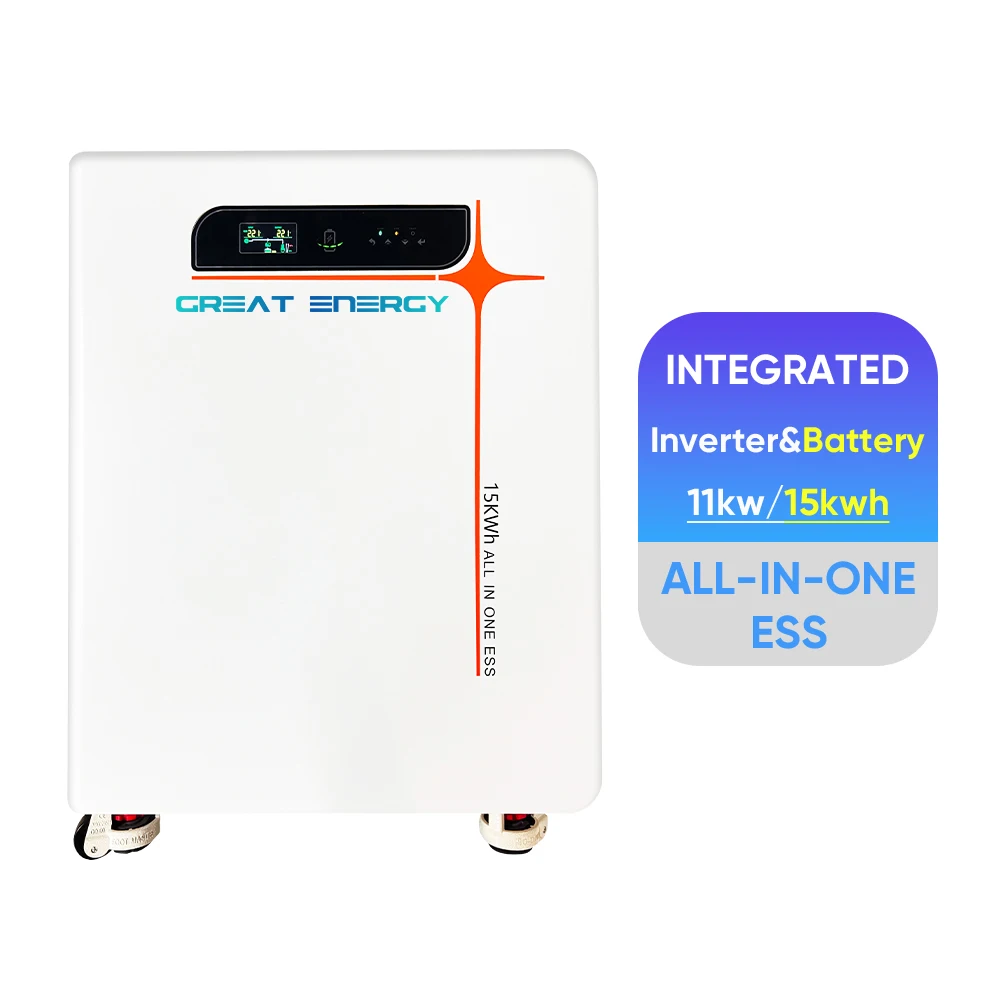
How to Choose a 10kW Battery Backup System
Follow this 6-step checklist — and avoid these three costly oversights:
- Map your critical loads using a clamp meter or utility app — identify continuous wattage, not just nameplate ratings.
- Verify continuous inverter output (not peak) meets or exceeds your largest simultaneous draw.
- Select LFP chemistry — non-negotiable for safety, cycle life, and usable capacity.
- Confirm VPP readiness via manufacturer documentation — look for IEEE 1547-2018 compliance and direct utility API integrations.
- Review warranty terms: “15 years” means little without a guaranteed 70% capacity retention clause and clear end-of-life replacement policy.
- Calculate total installed cost — include permitting, labor, and any required panel upgrades (many 10kW systems need 200A service).
Three common mistakes to avoid:
- Assuming “10kW” includes battery capacity — it doesn’t. Always pair kW rating with kWh storage (aim for ≥13 kWh for 4+ hours of essential load runtime).
- Overlooking thermal derating — a 10kW inverter may throttle to 7.2 kW at 45°C ambient if uncooled.
- Choosing based on brand alone — Tesla Powerwall 3 leads in software, but FranklinWh aPower 2 offers 15-year coverage at lower upfront cost. Match features to your stack — not your neighbor’s roof.
Insights & Cost Analysis
Wholesale benchmarks show sharp divergence between consumer and B2B pricing. As of mid-2026, factory-direct 10kW/200Ah LiFePO4 modules range from $480 to $999 per unit, depending on cooling method and certification level5. Integrated consumer systems retail between $12,500–$18,000 fully installed — reflecting brand premium, software licensing, and logistics markup.
ROI calculation example (U.S., average utility rates):
- Upfront cost: $14,200 (installed Powerwall 3 + solar)
- ITC rebate: −$4,260 (30%)
- Annual VPP income: +$220
- Annual avoided grid purchases: +$1,150
- Net payback: ~6.8 years (vs. 8.2 years without VPP)
This piece isn’t for keyword collectors. It’s for people who will actually use the product.
Better Solutions & Competitor Analysis
For most residential applications, the optimal path is a modular, UL-certified 10kW ESS with LFP cells, liquid or advanced passive cooling, and open VPP APIs. Below is how top performers compare on decision-critical metrics:
| Model | Usable Capacity | Continuous Output | Warranty | VPP Ready? |
|---|---|---|---|---|
| FranklinWh aPower 2 | 15.0 kWh | 10.0 kW | 15 years / 70% retention | Yes (via FranklinWH Cloud) |
| Tesla Powerwall 3 | 13.5 kWh | 11.5 kW | 10 years / 70% retention | Yes (Tesla Virtual Power Plant) |
| Enphase IQ10 | 10.08 kWh | 3.84 kW | 10 years / 70% retention | Limited (requires Envoy-S and utility opt-in) |
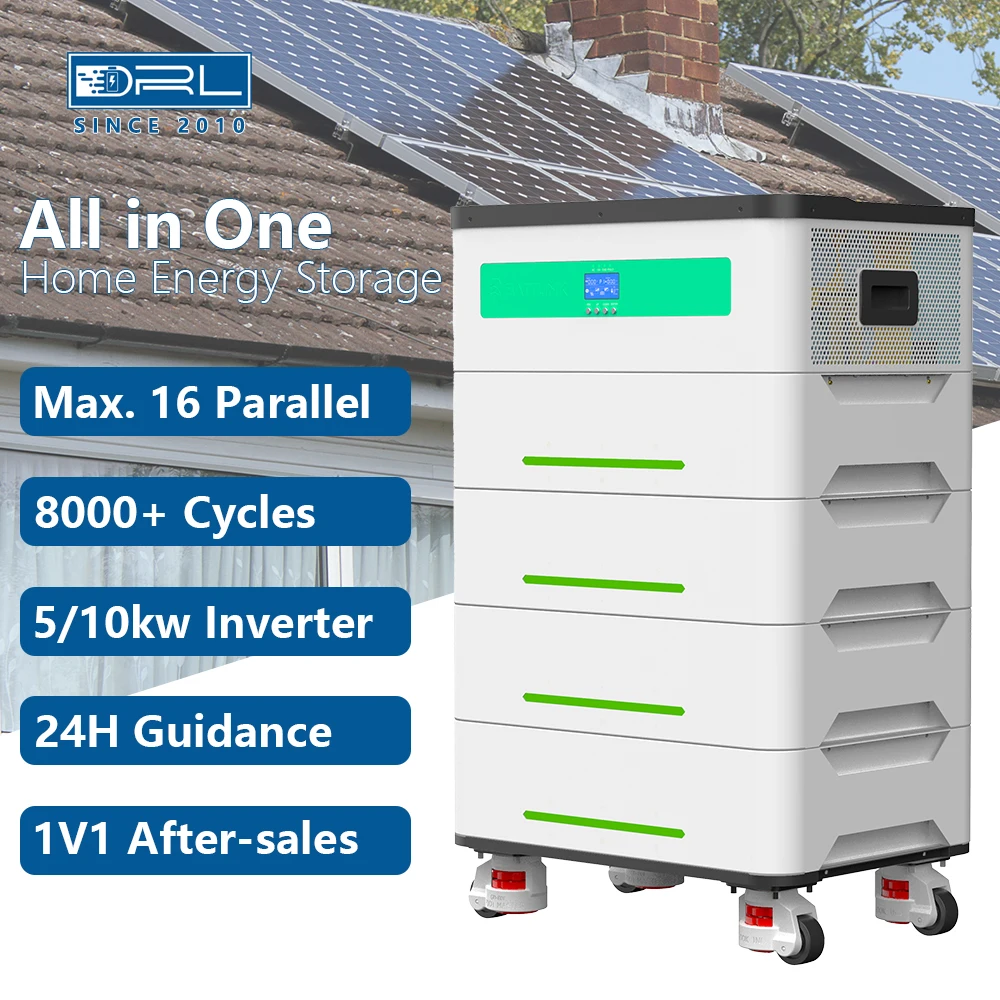
Customer Feedback Synthesis
Based on aggregated installer reports and owner forums (2025–2026), the most frequent praise centers on:
- “No-load-shedding reliability during summer blackouts” (reported by 82% of FranklinWh users)
- “Seamless VPP enrollment — payments appeared in first billing cycle” (Tesla users, CA & TX)
- “Cooler operation and zero maintenance after 18 months” (liquid-cooled B2B adopters)
Top complaints involve:
- Software update delays causing temporary loss of remote monitoring (not safety impact)
- Inverter firmware limitations preventing third-party solar monitoring integration
- Longer-than-expected lead times for branded consumer units (6–10 weeks vs. 2–4 for modular)
Maintenance, Safety & Legal Considerations
Modern LFP-based 10kW systems require near-zero maintenance: no fluid checks, no equalization cycles, no ventilation ducts. Annual visual inspection and firmware updates suffice. Safety certifications — UL 9540A (thermal runaway), UL 1973 (battery), and UL 1741 SA (inverter) — are mandatory for insurance and utility interconnection. Local AHJs increasingly require rapid shutdown compliance and dedicated disconnects within 3 ft of the ESS.
Legally, most U.S. states require licensed electrical contractors for installation — DIY voids warranty and invalidates fire insurance. In the EU, CE marking plus EN 50642 compliance is non-negotiable for grid connection.
Conclusion
If you need reliable, whole-home backup with VPP income potential and 15-year longevity, choose a modular or pre-integrated 10kW LFP ESS with ≥13 kWh usable capacity and verified continuous output. If you’re upgrading an existing solar array and already use Enphase microinverters, the IQ10 remains viable — but only if your essential loads stay under 4 kW. If you’re a typical user, you don’t need to overthink this: match power to your largest startup load, insist on LFP, and confirm VPP eligibility before signing.


