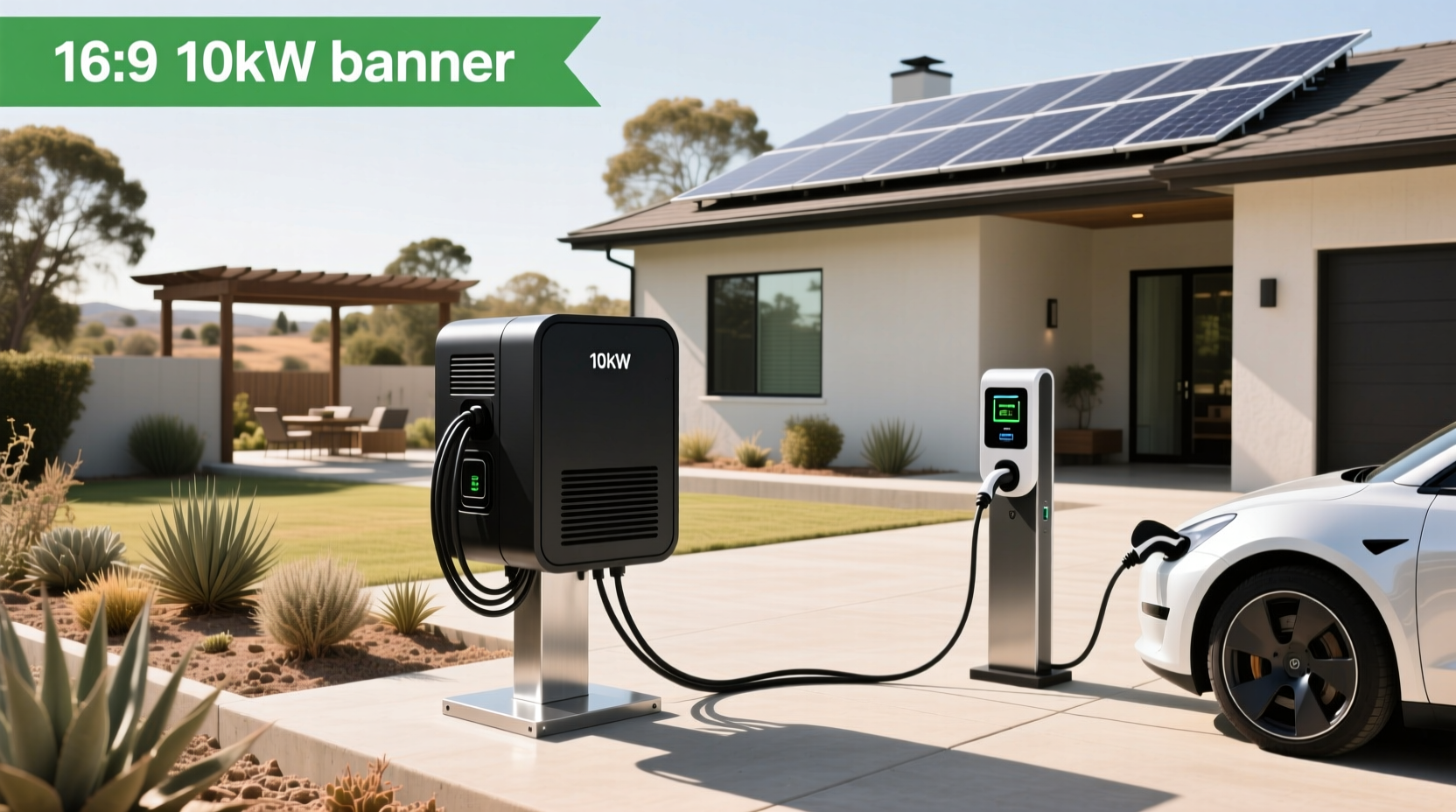
If you need whole-home backup or permanent off-grid power, a 10kW solar generator is no longer niche—it’s functional infrastructure. Over the past year, LiFePO4 battery adoption has become universal across credible 10kW-capable systems, and modular expansion (e.g., stacking two 5kW units) now delivers better long-term value than monolithic 10kW stations. For typical residential users, start with a 5–7kW inverter + scalable LFP batteries—it cuts upfront cost by 30–40% while preserving upgrade paths. Avoid non-UL-certified kits priced under $1,300: they often omit transfer switch compliance, risking router resets or appliance damage during grid failure. If you’re a typical user, you don’t need to overthink this.
About 10kW Solar Generators: Definition & Real-World Use Cases
A “10kW solar generator” refers to a system capable of delivering continuous power output up to 10,000 watts, not just peak surge. This distinction matters: many products advertise “10kW peak” but sustain only 5–6kW continuously—insufficient for running central air conditioning, well pumps, and refrigeration simultaneously. True 10kW output supports full-house operation during outages or off-grid living, especially when paired with ≥15kWh of usable LiFePO4 storage.
Typical use cases include:
- 🏠 Whole-home backup: Powering HVAC, lighting, sump pumps, and home offices without generator noise or fumes;
- 🏕️ Off-grid cabins or tiny homes: Serving as primary power source where grid connection is unavailable or prohibitively expensive;
- 🏭 Small commercial resilience: Supporting retail kiosks, remote workshops, or telecom repeater sites with intermittent sun access.
It is not designed for portable camping—the weight (100–200 kg), size, and installation requirements make mobility impractical. If you’re a typical user, you don’t need to overthink this.
Why 10kW Solar Generators Are Gaining Popularity
Lately, three converging shifts have accelerated demand for 10kW-class systems: rising utility outage frequency (U.S. average up 63% since 2019 1), falling LiFePO4 cell costs, and smarter energy management via IoT integration. Unlike gas generators, modern 10kW solar systems operate silently, require no fuel logistics, and integrate cleanly with rooftop PV—making them viable for suburban neighborhoods with HOA restrictions.
More importantly, the market has matured beyond “portable power station” thinking. Buyers now evaluate these as energy infrastructure, not gadgets. That means warranties extend to 10 years, cycle life exceeds 4,000 cycles, and firmware updates actively optimize self-consumption—not just monitor battery level. This piece isn’t for keyword collectors. It’s for people who will actually use the product.
Approaches and Differences: Modular vs. Integrated vs. Full Kit
There are three dominant approaches to achieving 10kW capability—each with distinct trade-offs:
| Approach | How It Works | Key Advantage | Key Limitation |
|---|---|---|---|
| Modular Stackable | Start with a 5kW base unit (e.g., Bluetti AC500) and add battery modules (EP900) to scale output and capacity | Lower entry cost; field-upgradable; redundancy—if one module fails, others keep running | Requires compatible ecosystem; not all brands support cross-model stacking |
| Integrated Single Unit | One chassis houses inverter, battery, and charge controller (e.g., EcoFlow Delta Pro Ultra) | Plug-and-play simplicity; compact footprint; best-in-class charging speed (≤2.5 hrs from 0–100% with 4,000W PV input) | Higher upfront cost; no partial replacement—entire unit must be serviced if inverter fails |
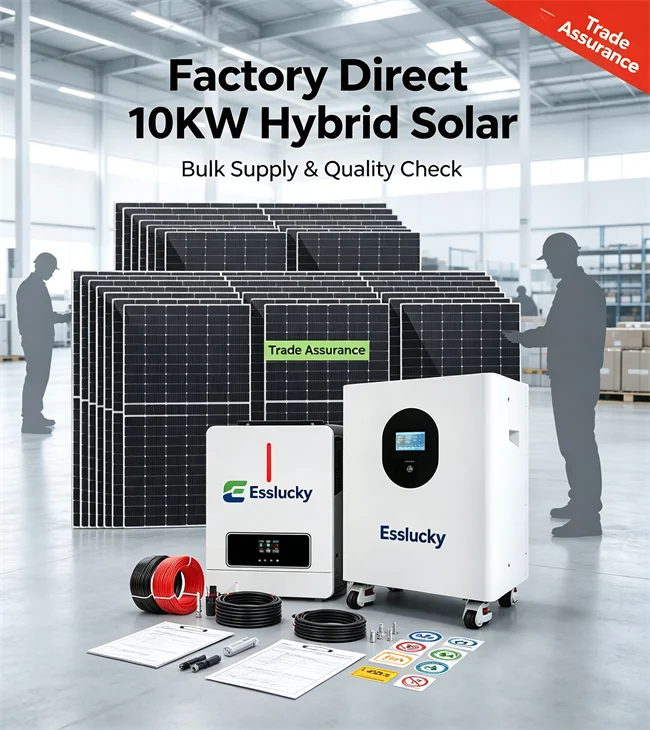
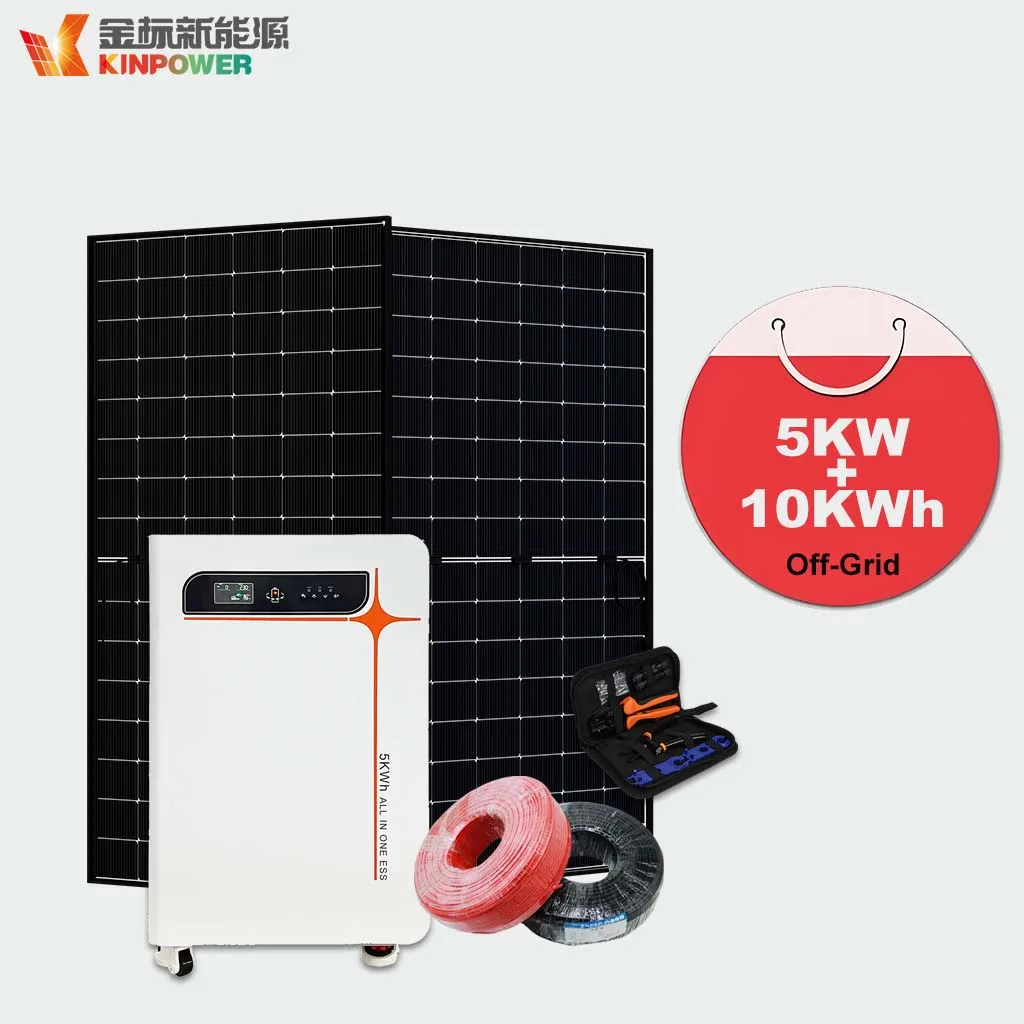
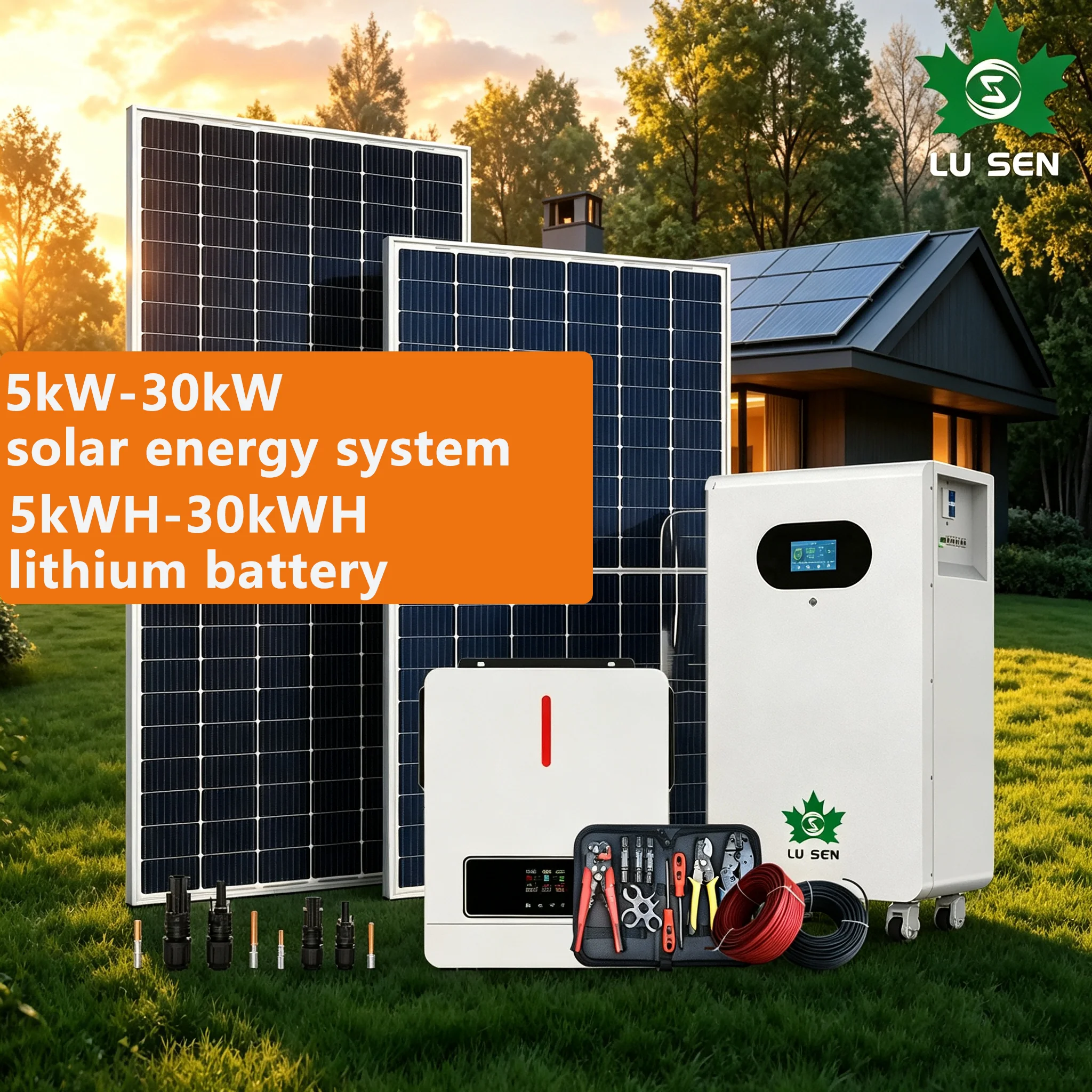
| Full Off-Grid Kit | Bundled system: inverter/charger, LFP batteries, MPPT controllers, solar panels, mounting hardware, and wiring (e.g., Sunchees 10kW cabin kit) | Best value per watt; pre-engineered compatibility; optimized for permanent install | Longer lead times; requires basic electrical knowledge for commissioning |
Key Features and Specifications to Evaluate
Don’t default to headline wattage. Focus on four measurable specs that determine real-world performance:
- ⚡ Pure sine wave inverter: Required for sensitive electronics (medical devices, laptops, variable-speed motors). When it’s worth caring about: If powering home office gear or HVAC inverters. When you don’t need to overthink it: All reputable 10kW systems now include this—no exceptions.
- ☀️ Solar input capacity ≥2,400W: Ensures the battery recharges fully within 4–5 peak sun hours. Below 2,000W means multi-day recharge in cloudy conditions. When it’s worth caring about: In northern latitudes or shaded roof installations. When you don’t need to overthink it: If your site gets >6 peak sun hours daily and panel space is abundant.
- 🔄 Transfer switch transition time ≤20ms: Critical for maintaining network uptime and preventing data loss. UL 9540-compliant systems meet this. When it’s worth caring about: For home offices, security systems, or NAS servers. When you don’t need to overthink it: If you only power lights and refrigeration—brief interruptions won’t damage those loads.
- 🔋 Usable battery capacity (kWh), not nominal: LiFePO4 systems typically deliver 90–95% of rated capacity. A “10kWh” battery yields ~9.2kWh usable. When it’s worth caring about: When sizing for overnight autonomy. When you don’t need to overthink it: If you’re grid-tied with net metering and only need short-duration backup.
Pros and Cons: Who Should (and Shouldn’t) Consider a 10kW System
✅ Best for:
- Homeowners in wildfire-prone or hurricane-affected regions needing >24-hour autonomous operation;
- Remote property owners installing permanent off-grid power without diesel dependency;
- Contractors specifying resilient power for accessory dwelling units (ADUs) or small rental properties.
❌ Not ideal for:
- Campers or RV users—weight and form factor defeat portability;
- Renters or urban apartments—installation requires structural assessment and utility coordination;
- Users expecting “set-and-forget” operation without monitoring apps or basic energy literacy.
How to Choose a 10kW Solar Generator: A Step-by-Step Decision Framework
- Confirm actual load profile: Use a Kill-A-Watt meter for 72 hours. Total your simultaneous wattage—not just nameplate ratings. Most homes need only 6–8kW continuous for essentials. If you’re a typical user, you don’t need to overthink this.
- Verify UL certification: UL 2743 covers portable stations; UL 9540 applies to fixed ESS. Non-certified units may void homeowner insurance.
- Calculate total landed cost: Add sea freight (for China-sourced kits), import duties (U.S. Section 301 tariffs still apply), and local permitting fees—these can add 25–40% to base price 2.
- Rule out NMC or LTO batteries: They degrade faster and lack thermal stability. Stick with LiFePO4—even at 15% higher initial cost.
- Avoid “all-in-one” marketing claims: No single device handles PV input, battery storage, inverter output, and grid-tie functions flawlessly. Modular or kit-based designs distribute risk.
Insights & Cost Analysis
Price varies sharply by architecture—not just brand:
- Modular starter (5kW + 1x battery): $2,499–$3,299 (scalable to 10kW for +$1,800–$2,300)
- Integrated 10kW unit: $5,999–$7,499 (e.g., EcoFlow Delta Pro Ultra)
- Complete off-grid kit (10kW inverter + 20kWh LFP + 8kW PV): $1,499–$1,999 (B2B OEM pricing; requires self-install)
The lowest-cost path to true 10kW functionality remains a certified off-grid kit sourced from Guangdong or Shandong manufacturers—provided you handle installation. But if labor or permitting complexity is high, modular consumer-grade systems offer predictable timelines and warranty support.
Better Solutions & Competitor Analysis
| Brand/System | Best For | Potential Issue | Budget Range |
|---|---|---|---|
| EcoFlow Delta Pro Ultra | Fastest recharge; smart home integration (Matter/Thread) | Proprietary battery modules limit third-party upgrades | $7,499 |
| Bluetti AC500 + EP900 x2 | Maximum cycle life (6,000+ cycles); proven stackability | Larger physical footprint; slower app responsiveness | $6,199 |
| Sunchees 10kW Cabin Kit | Turnkey off-grid deployment; includes mounting hardware & PV | Requires DIY commissioning; limited U.S. service network | $1,799 |
| Jackery Explorer 2000 Plus (with expansion) | Familiar UX; strong warranty for consumer-tier reliability | Max continuous output capped at 4.8kW—cannot reach true 10kW | $3,299 |
Customer Feedback Synthesis
Based on aggregated reviews across PopSci, Popular Mechanics, and Ecowatch 34:
- Top praise: “Silent operation during storms,” “app-based scheduling cut my grid dependence by 70%,” “battery held charge for 3 days during Texas freeze.”
- Top complaint: “Firmware updates occasionally reset custom settings,” “customer support response time averages 72+ hours,” “no built-in surge protection—added external SPD required.”
Maintenance, Safety & Legal Considerations
Maintenance: LiFePO4 batteries require no watering or equalization. Annual visual inspection of terminals and cable integrity suffices. Keep ambient temperature between 0°C–35°C for optimal lifespan.
Safety: All units must include overcurrent, overtemperature, and arc-fault protection. UL 9540 certification confirms thermal runaway containment—non-negotiable for indoor or attached-garage installs.
Legal: Most U.S. jurisdictions require interconnection agreements for grid-tied operation and permit review for battery placement (especially indoors). Check with your AHJ before purchase—some counties ban lithium storage within 3 ft of living spaces.
Conclusion
If you need silent, zero-emission whole-home backup for >24 hours, choose a UL 9540-certified modular system (Bluetti AC500 or EcoFlow Delta Pro Ultra) with ≥15kWh LiFePO4 storage. If you’re building off-grid from scratch and have installation capability, a pre-engineered kit (e.g., Sunchees) delivers superior $/watt value. If your priority is speed-to-deployment and smart home integration, prioritize integrated units—but confirm local code acceptance first. Avoid “10kW peak” claims without continuous rating verification. And remember: this piece isn’t for keyword collectors. It’s for people who will actually use the product.


