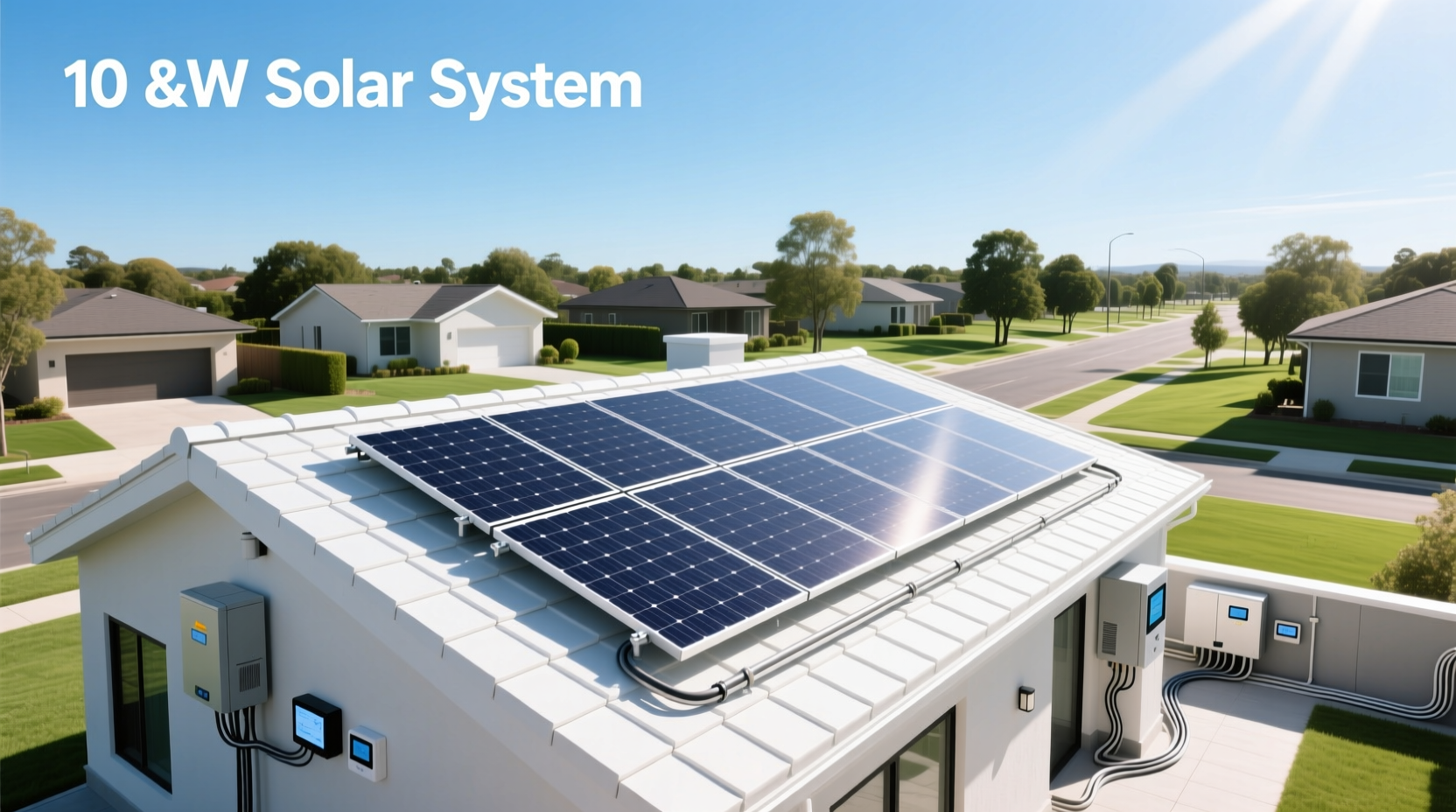
If you’re sizing up a 10 kilowatt (10kW) solar panel system in 2026 — especially for a high-consumption home or small commercial site — here’s your immediate verdict: choose an N-type TOPCon-based kit with a hybrid inverter and LiFePO4 battery readiness. Over the past year, installed pricing has stabilized at $2.75 per watt, and the industry-wide shift toward TOPCon (not PERC or generic monocrystalline) means better long-term yield per square foot — especially critical when roof space is limited. If you’re a typical user, you don’t need to overthink cell architecture debates like HJT vs. TOPCon unless you live in a consistently hot, low-wind climate. Skip wholesale-only kits unless you have certified electrical oversight — soft costs (permits, labor, engineering) still make up ~67% of total price, and cutting corners there risks underperformance or non-compliance. This piece isn’t for keyword collectors. It’s for people who will actually use the product.
About 10kW Solar Panel Systems
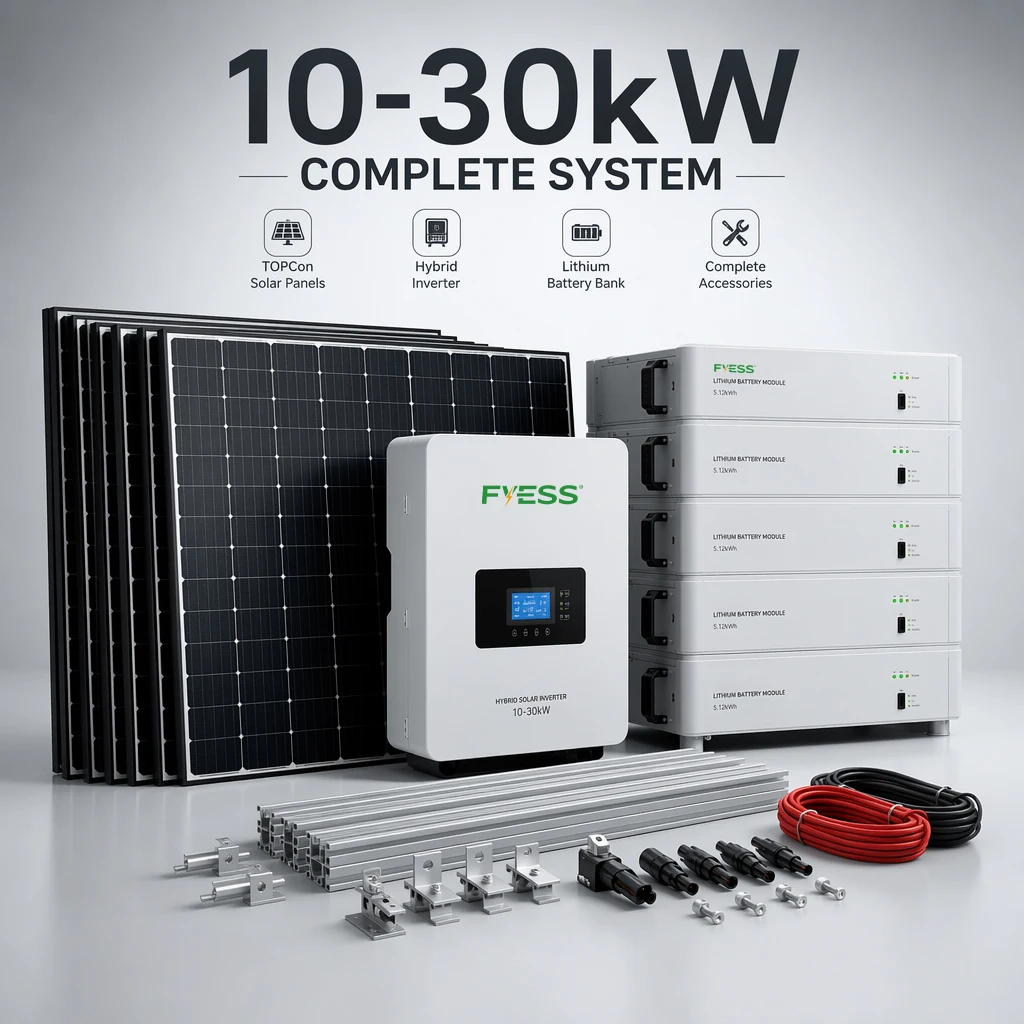
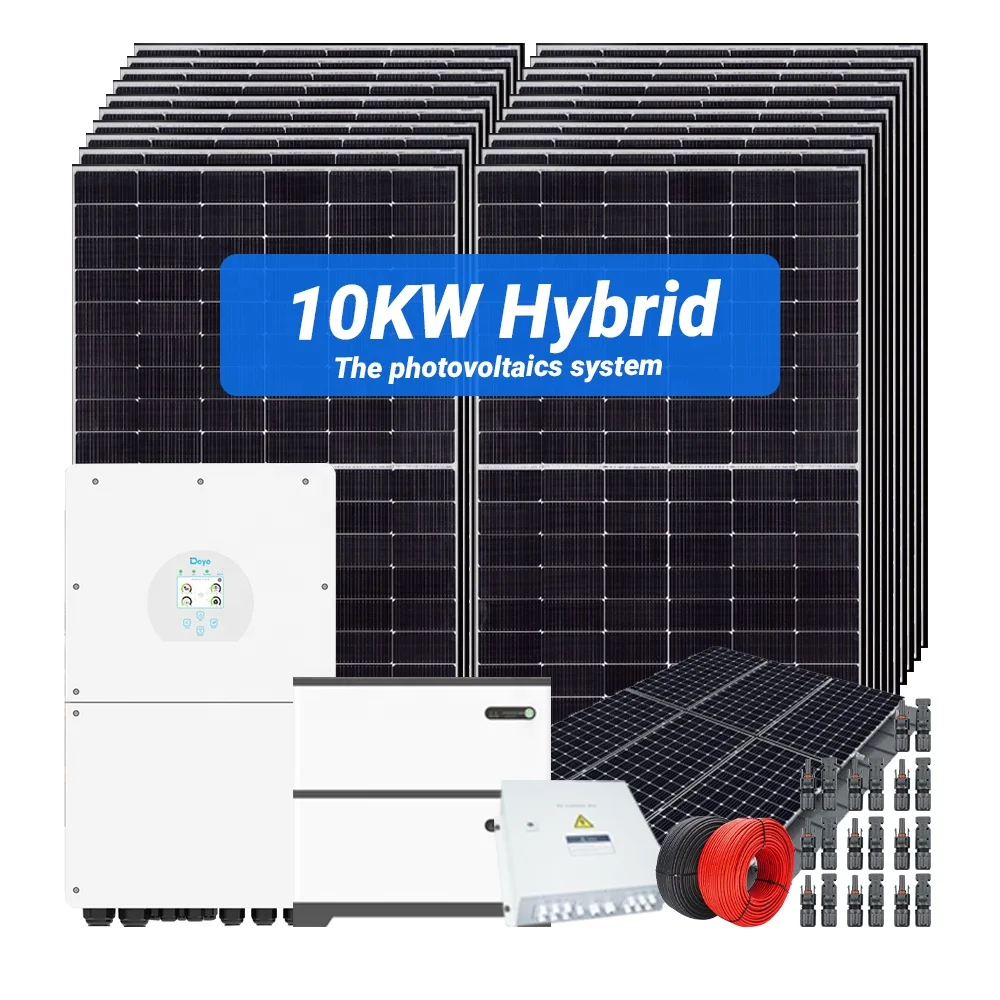
A 10kW solar panel system is a residential- and light-commercial-scale photovoltaic installation designed to generate approximately 12,000–16,000 kWh annually, depending on geographic location, roof tilt, shading, and local weather patterns 1. It typically comprises 24–32 high-efficiency solar modules (each 370–440W), a hybrid or string inverter rated for 10kW DC input, mounting racking, wiring, disconnects, and often — increasingly — integrated battery readiness. Unlike smaller 5–7kW systems, a 10kW setup is explicitly engineered to offset full household loads *plus* additional demand from electric vehicles (EVs) or heat pumps 2. It’s not “overkill” — it’s the current sweet spot for energy independence in markets where grid reliability is variable or time-of-use rates penalize peak consumption.
Why 10kW Solar Systems Are Gaining Popularity
Lately, 10kW installations have become the fastest-growing residential tier — not because they’re trendy, but because household electricity demand is rising predictably. EV adoption, heat pump HVAC, and home office loads have pushed average U.S. household consumption above 1,000 kWh/month in many regions 3. A 10kW system meets that baseline *and* leaves headroom for future expansion — unlike a 6kW system that hits its ceiling quickly. Equally important: the 2026 market has matured. Prices per watt have stopped falling sharply, but system-level efficiency has risen meaningfully — thanks to N-type cell technology and smarter inverters. That means fewer panels, less racking, and lower labor hours for the same output. When it’s worth caring about? When your roof area is constrained (<700 sq ft) or your utility imposes export limits. When you don’t need to overthink it? If your monthly bill is consistently below 800 kWh — a 10kW system will almost certainly overproduce without storage, leading to low-value feed-in tariffs or curtailment.
Approaches and Differences
There are three main procurement paths for a 10kW solar system — each with distinct trade-offs:
- Turnkey residential install: Full-service package including design, permitting, equipment, labor, and interconnection. Highest upfront cost ($27,500 pre-incentive 4), but lowest risk and strongest warranty alignment.
- Wholesale DIY kit: Equipment-only bundles (panels, inverter, racking) sold at industrial margins ($3,000–$7,000). Requires licensed electrical oversight, structural review, and utility coordination. Only viable if you already have a certified installer or contractor on retainer.
- Commercial-grade modular system: Pre-engineered, UL-listed sub-assemblies shipped as plug-and-play units. Faster deployment than custom builds, but less flexible for complex roofs. Often used by property managers or multi-unit landlords.
If you’re a typical user, you don’t need to overthink whether to go fully DIY. Unless you hold an electrical contractor license *and* have experience with NEC Article 705 interconnection, the turnkey route delivers better long-term value — not just in safety, but in avoided rework, inspection delays, and insurance compliance.
Key Features and Specifications to Evaluate
Don’t default to panel wattage alone. For a 10kW system, these five specs determine real-world performance and longevity:
- 🔋 Cell technology: Prioritize N-type TOPCon (≥22% efficiency, <0.35%/°C temperature coefficient). Avoid legacy P-type PERC unless priced >25% lower *and* you’re installing in mild climates 5.
- ⚡ Inverter type: Hybrid (AC-coupled or DC-coupled) is mandatory if you plan battery storage within 3 years — even if you start with zero batteries. String inverters lock you into AC coupling later, adding $1,200+ in hardware and labor.
- 📏 Racking compatibility: Confirm the kit supports your roof type (tile, metal, shingle) and includes wind/snow load certifications for your region. Generic “universal” rails often fail local building codes.
- 🛡️ Warranty structure: Look for 25-year linear power output warranty (not just “25-year coverage”) and 12+ years on materials. Tier-1 manufacturers now offer separate product and workmanship warranties — verify both are transferable.
- 📊 Monitoring & communication: Built-in Wi-Fi or cellular telemetry is standard. Ensure the platform allows granular per-string monitoring — essential for diagnosing shading or degradation early.
Pros and Cons
A 10kW solar system delivers strong value — but only when matched to realistic usage and site conditions.
- ✅ Pros: Delivers full or near-full energy offset for large homes; enables EV charging and backup power with storage; qualifies for federal ITC (30%) and most state incentives; reduces exposure to rising utility rates; increases home resale value (studies show +3–4% premium 6).
- ❌ Cons: Requires ≥500–700 sq ft of unshaded roof space; soft costs dominate total price (permits, labor, engineering); ROI drops sharply if net metering policies change or export compensation falls below $0.05/kWh; not cost-effective for renters or homes with heavy tree cover.
When it’s worth caring about roof orientation? South-facing is ideal, but modern MPPT algorithms allow east-west splits to capture morning and evening sun — especially valuable under time-of-use billing. When you don’t need to overthink azimuth? If your roof has >15° pitch and faces within 45° of true south, yield loss is <5% versus perfect south.
How to Choose a 10kW Solar Panel System
Follow this six-step checklist — designed to eliminate common missteps:
- Verify your actual load: Pull 12 months of utility bills. Don’t rely on “average kWh” — look for seasonal peaks (summer AC, winter heating). If your highest month is <1,100 kWh, a 10kW system may be oversized without storage.
- Assess roof suitability: Use Google Project Sunroof or a drone survey. Rule out chimneys, vents, and shading from nearby structures or trees. Remember: 10kW requires ~28–32 panels — each ~1.7m × 1.0m.
- Require N-type TOPCon panels: Not “monocrystalline” — specify TOPCon. Ask for datasheets showing NOCT (Nominal Operating Cell Temperature) and bifacial gain (if using ground-mount or reflective surfaces).
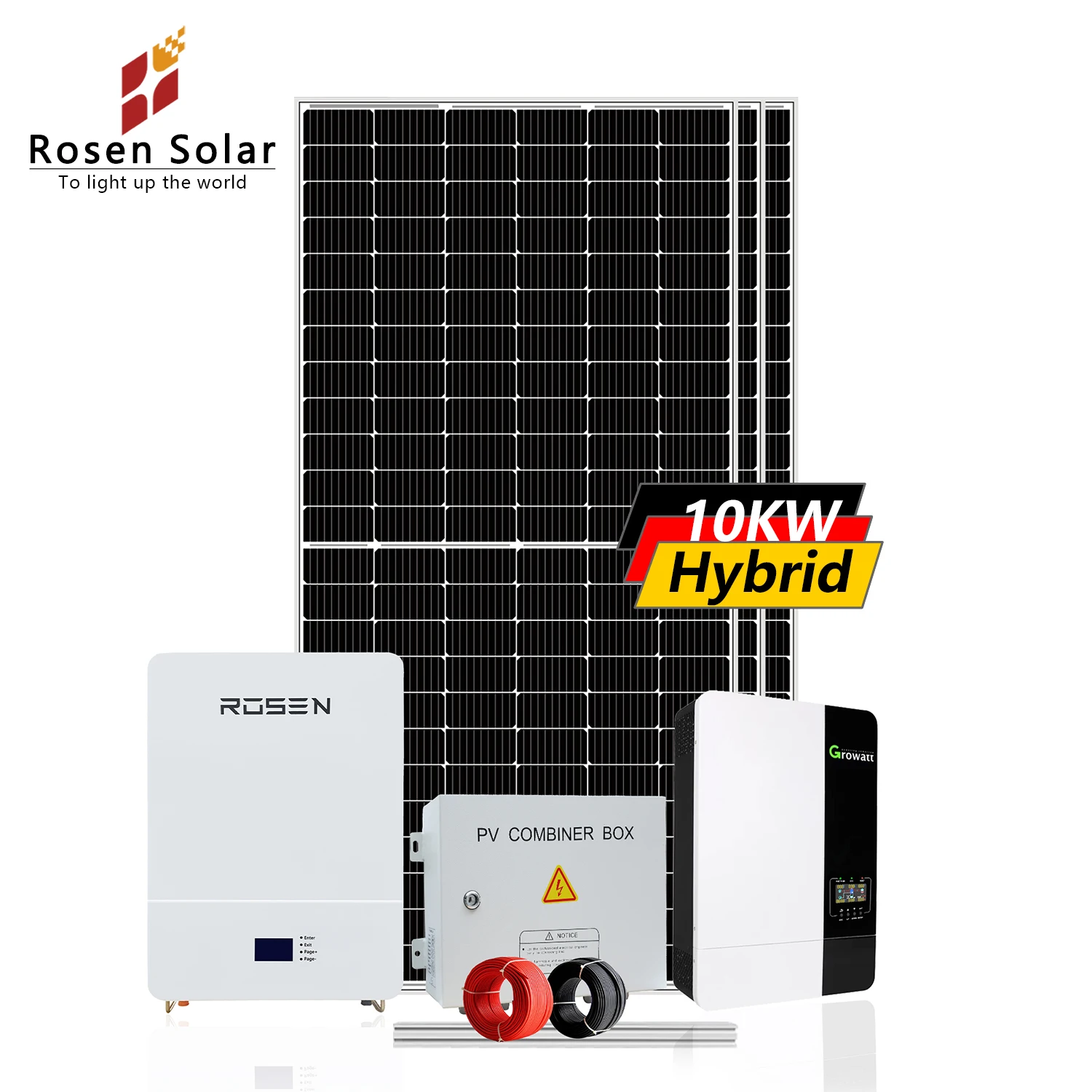
- Insist on hybrid inverter + battery-ready architecture: Even if you delay battery purchase, ensure the inverter supports DC-coupled LiFePO4 with built-in EMS (Energy Management System).
- Confirm certification stack: UL 1703 (panels), UL 1741 SA (inverters), IEEE 1547-2018 (grid interconnection), and local AHJ acceptance letters. No exceptions.
- Avoid “price-only” comparisons: Two $27,500 quotes aren’t equal. Compare labor hours quoted, warranty terms, and whether engineering sign-off is included — not just equipment brands.
Insights & Cost Analysis
The $27,500 pre-incentive average reflects a stable, mature market — not inflation. Here’s how that breaks down in 2026:
| Component | Estimated Cost | Notes |
|---|---|---|
| Solar modules (N-type TOPCon) | $4,000 | ~28 panels @ $143/W; excludes shipping & import duties |
| Hybrid inverter (10kW) | $1,500 | Includes dual-MPPT, battery port, and grid-forming capability |
| Balance of system (racking, conduit, breakers) | $3,500 | Aluminum racking, Type USE-2 wiring, rapid shutdown compliance |
| Soft costs (permitting, labor, engineering, margin) | $18,500 | Accounts for ~67% of total — the largest variable across installers |
| Total (pre-ITC) | $27,500 | Post-ITC (30%) = $19,250 net |
Wholesale kits ($3,000–$7,000) omit soft costs entirely — but those costs *must* be paid separately, and often exceed expectations. If you’re a typical user, you don’t need to overthink whether to chase the lowest equipment price. Focus instead on reducing soft cost uncertainty: get three fixed-price quotes with itemized labor hours and permit timelines.
Better Solutions & Competitor Analysis
Not all 10kW systems deliver equal value. Below is a functional comparison of configuration priorities — not brand rankings:
| Category | Recommended Approach | Potential Problem | Budget Implication |
|---|---|---|---|
| Panel Technology | N-type TOPCon (22%+ efficiency) | P-type PERC degrades faster in heat; lower bifacial gain | +8–12% vs. PERC, but pays back in 3–4 years via higher kWh/kW |
| Inverter Architecture | DC-coupled hybrid inverter | AC-coupled adds conversion loss and complexity for future batteries | +15% vs. basic string inverter, but avoids $1,200+ retrofit |
| Battery Readiness | Integrated EMS with LiFePO4 support | Generic inverters require third-party gateways for battery control | No added cost if selected upfront; +$2,000+ if retrofitted |
Customer Feedback Synthesis
Based on aggregated installer reports and verified owner reviews (2025–2026), top recurring themes include:
- ✅ Most praised: “Yield exceeded projections by 7% in Year 1,” “Installer handled all permits — zero paperwork on my end,” “Battery integration was plug-and-play at Year 2.”
- ⚠️ Most complained about: “Racking didn’t match my clay tile roof — had to pay extra for custom flashings,” “Monitoring app crashed weekly until firmware update,” “No clear path to add second battery bank.”
Crucially, complaints rarely involved panel or inverter failure — they centered on integration gaps, documentation quality, and installer responsiveness. That reinforces why choosing a certified, locally backed installer matters more than chasing marginal equipment savings.
Maintenance, Safety & Legal Considerations
A 10kW system requires minimal maintenance — but skipping key checks invites risk:
- Annual visual inspection: Check for microcracks, discoloration, or corrosion on frames/connectors. Thermal imaging is optional but recommended every 3 years.
- Cleaning: Rain usually suffices in humid climates. In arid/dusty areas, gentle low-pressure rinse twice yearly improves yield by 3–5%.
- Safety: Never walk on panels. Shut down via rapid shutdown before any roof work. Verify arc-fault protection is enabled in the inverter.
- Legal: Interconnection agreements vary by utility. Some require dedicated metering or demand charges. Confirm your contract language *before* signing — especially if you plan EV charging during peak hours.
Conclusion
If you need to power a large home with EVs or heat pumps — and your roof offers ≥500 sq ft of unshaded space — a 10kW solar panel system is objectively the most balanced investment in 2026. Choose N-type TOPCon panels paired with a DC-coupled hybrid inverter. Skip HJT unless you’re in Arizona or Texas with sustained >35°C ambient temps — the efficiency premium rarely offsets the cost delta outside those conditions. And never sacrifice certified installation for a lower quote: soft costs are fixed, but poor execution multiplies long-term risk. If you’re a typical user, you don’t need to overthink panel brand wars or inverter firmware versions — focus on warranty enforceability, local installer track record, and whether the system scales cleanly to storage. That’s where real ROI lives.


