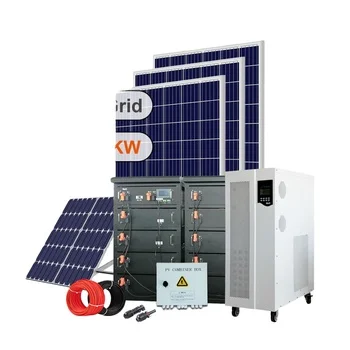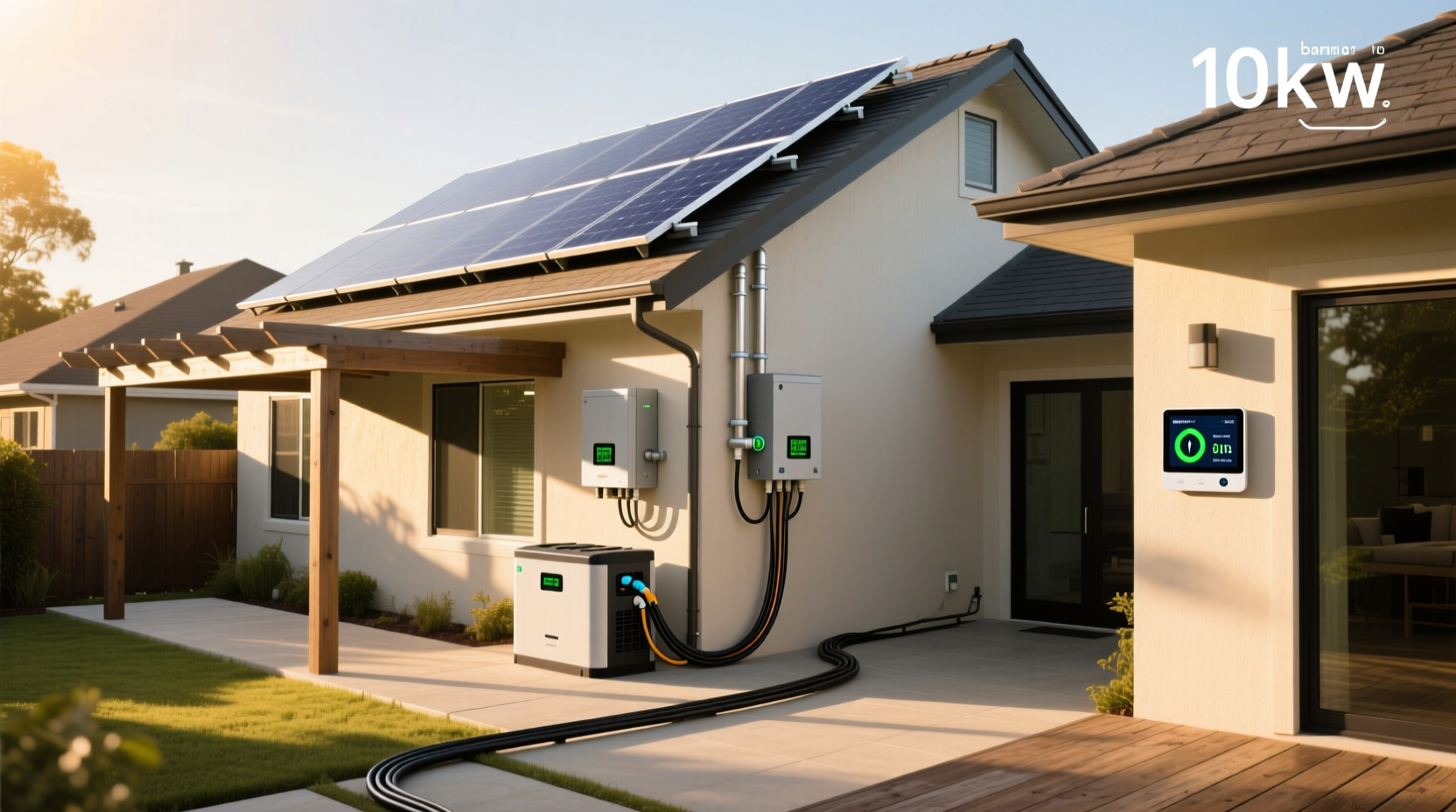
If you’re a typical homeowner evaluating energy independence in 2026, a 10kW solar system is the most balanced choice—offering strong daily yield (38–50 kWh), space efficiency (just 16–18 high-wattage panels), and a realistic 3–5 year payback on-grid. Over the past year, N-Type TOPCon panels have become the de facto standard, cutting degradation rates by 40% versus older P-Type modules—and that shift directly lowers lifetime LCOE. If you’re a typical user, you don’t need to overthink panel brand wars or microinverter vs string debates: prioritize certified N-Type TOPCon panels, a UL-1741-SA-compliant hybrid inverter, and LiFePO4 storage only if your utility’s TOU rates justify it.
About 10kW Solar Systems: Definition & Typical Use Cases
A 10kW solar photovoltaic (PV) system refers to a grid-tied or hybrid-capable installation with a nominal DC capacity of 10 kilowatts. It’s not a fixed physical size—but rather an engineered output target. In practice, modern 10kW systems use 16–18 monocrystalline panels rated at 550W or higher, occupying roughly 30–38 m² (320–410 ft²) of unshaded roof space. This scale suits medium-to-large single-family homes consuming 1,200–2,000 kWh monthly—especially those with electric vehicles, heat pumps, or home offices.
It’s not designed for tiny apartments or off-grid cabins (where 3–5kW suffices), nor for commercial warehouses (which typically start at 50kW+). Its sweet spot is households seeking meaningful bill reduction without over-engineering. And unlike smaller systems, a 10kW build allows headroom for future load growth—like adding an EV charger or second heat pump—without rewiring or inverter replacement.
Why 10kW Solar Systems Are Gaining Popularity
Lately, adoption has accelerated—not because of hype, but because three structural shifts converged in 2025–2026:
- ✅ N-Type TOPCon dominance: Now accounting for >65% of residential panel shipments in the US and Australia, these cells deliver 0.4% annual degradation (vs. 0.55% for PERC), meaning ~5% more output after 25 years1.
- ✅ Hybrid inverter maturity: Single-unit inverters now reliably manage PV input, battery charge/discharge, and grid interaction—with firmware supporting dynamic load shifting and V2H readiness2.
- ✅ Policy tailwinds: The US federal ITC remains at 30% through 2032; Australia’s STC rebate continues to shave AUD 2,500–4,000 off installed cost3.
This isn’t about chasing ‘green prestige’. It’s about economics tightening: rising grid electricity costs (+8.2% avg. US annual increase since 2022) now make solar ROI less speculative and more predictable.
Approaches and Differences
There are three mainstream configurations—each serving distinct priorities:
| Configuration | Key Advantages | Potential Drawbacks | Budget Range (US, pre-incentives) |
|---|---|---|---|
| Grid-Tied Only | No battery cost; fastest ROI (3–5 yrs); simple maintenance | No backup during outages; zero export control flexibility | $18,000–$22,000 |
| Hybrid (PV + LiFePO4) | Backup power; peak shaving; future V2H compatibility | Longer payback (4–6 yrs); added complexity; battery replacement (~15 yrs) | $24,000–$28,000 |
| DC-Coupled Storage | Higher round-trip efficiency (>92%); better for large batteries | Higher install cost; limited retrofit flexibility; fewer installer partners | $26,000–$31,000 |
When it’s worth caring about: Choose hybrid only if your utility imposes high demand charges, offers poor net metering (e.g., non-1:1 export credit), or experiences frequent multi-hour outages.
When you don’t need to overthink it: If your grid is stable and your rate plan is straightforward time-of-use (TOU), go grid-tied first. You can add battery later—most modern hybrid inverters support staged upgrades.
Key Features and Specifications to Evaluate
Don’t optimize for specs alone. Focus on what moves the needle on lifetime value:
- 🔋 Panel Technology: Prioritize N-Type TOPCon (≥550W, ≥23% efficiency, ≤0.4%/yr degradation). Avoid legacy P-Type PERC unless priced >15% lower and backed by 30-year linear warranty.
- ⚡ Inverter Type: For 10kW, hybrid string inverters (e.g., Fronius GEN24, Sungrow SH10RT) offer better value than microinverters—unless your roof has complex shading.
- 📡 Battery Chemistry: LiFePO4 is now baseline. Avoid NMC for residential backup—it degrades faster under partial state-of-charge cycling.
- 📊 Monitoring & Firmware: Verify real-time consumption/production/export tracking and over-the-air (OTA) update capability. If the app doesn’t show per-circuit loads, assume limited granularity.
If you’re a typical user, you don’t need to overthink panel brand rankings—focus instead on warranty terms (product + performance), local installer certification (NABCEP preferred), and whether the inverter supports your future needs (e.g., EV charging integration).
Pros and Cons
✅ Pros: Delivers 38–50 kWh/day (location-dependent); fits most suburban roofs; qualifies for full federal tax credit; enables 70–90% annual bill offset with smart usage; supports EV charging without grid strain.
❌ Cons: Requires structural roof assessment (older homes may need reinforcement); interconnection approval takes 2–8 weeks depending on utility; battery adds complexity without universal ROI; oversizing beyond household load yields diminishing returns under most net metering rules.
Best for: Homeowners with south/west-facing unshaded roofs, stable income to absorb upfront cost, and 5+ year occupancy plans.
Not ideal for: Renters, historic district properties with strict HOA restrictions, or those planning to move within 2 years (ROI won’t materialize before resale).
How to Choose a 10kW Solar System: A Step-by-Step Decision Guide
- Start with your last 12 months of electricity bills. Confirm average monthly kWh use—and check if demand charges apply. If demand exceeds 10 kW for >15 min/month, hybrid makes economic sense.
- Get a shade analysis. Use tools like Google Project Sunroof or hire a drone survey. Shading on >15% of array area erodes yield more than panel efficiency gains compensate for.
- Compare quotes using identical assumptions: Same panel model (N-Type TOPCon), same inverter, same mounting hardware. Reject any quote omitting labor, permitting, and interconnection fees.
- Avoid these three pitfalls:
- “Free solar” leases with escalators >3.5%/year;
- Battery-only proposals without PV re-evaluation (many “add-on” batteries mismatch existing inverters);
- Quotes using 2023 panel specs (e.g., 450W PERC) priced as 2026 equivalents.
Insights & Cost Analysis
Costs vary significantly by region—but underlying drivers are consistent:
- US Market (2026): $18,000–$28,000 pre-incentives. Median is $22,500 for grid-tied, $26,200 for hybrid. After 30% federal ITC, net range is $12,600–$19,6004. Labor accounts for ~35% of total; panels ~30%; inverter + balance-of-system ~25%; permits/interconnection ~10%.
- Australia (2026): AUD 9,000–$14,000 post-STC rebates. Lower labor costs and mature installer competition drive savings3. Payback remains tight at 4–5 years due to high retail electricity rates (~AUD 0.35/kWh).
Value tip: A $2,000 premium for N-Type TOPCon panels pays back in ~2.5 years via higher yield—making it objectively superior to budget PERC in nearly all cases.
Better Solutions & Competitor Analysis
“Better” means better fit—not higher specs. Here’s how top-tier configurations compare on real-world criteria:
| Solution Type | Best For | Potential Issue | 2026 Readiness |
|---|---|---|---|
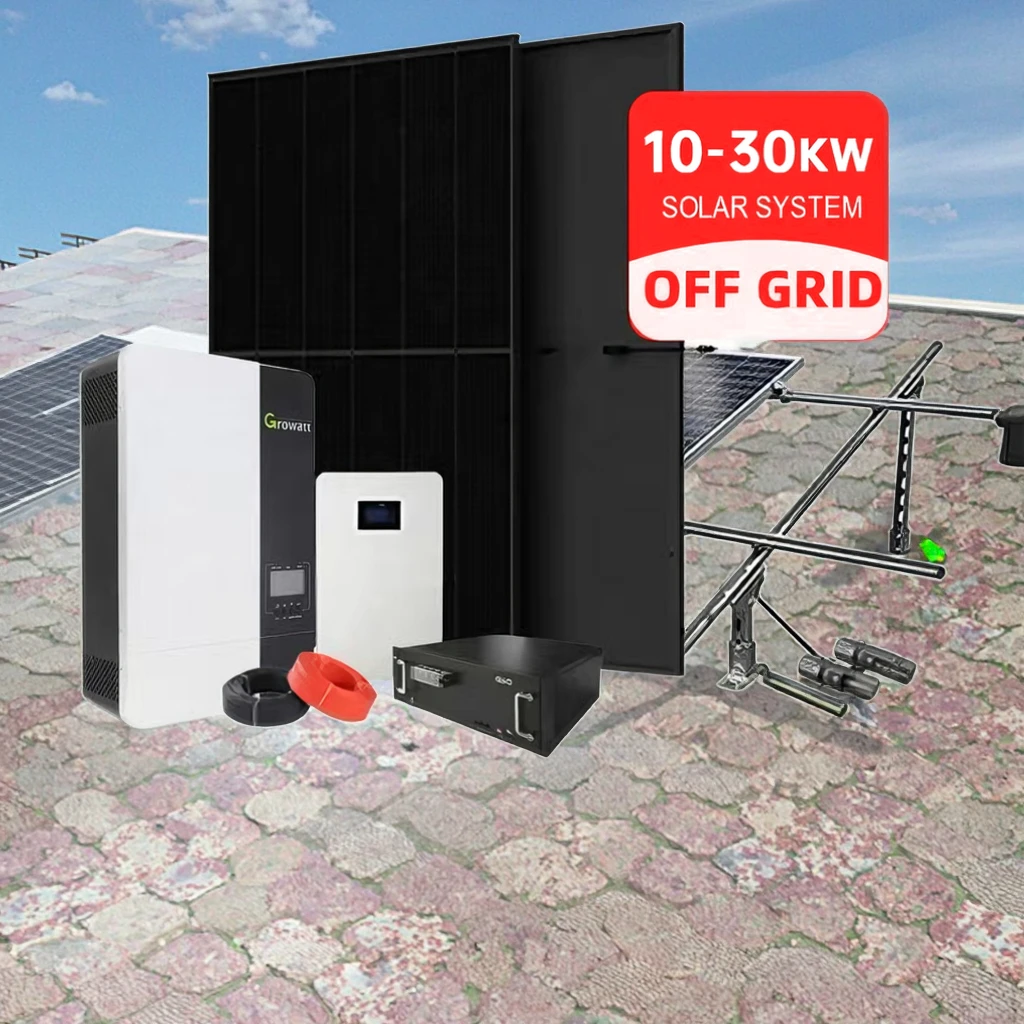
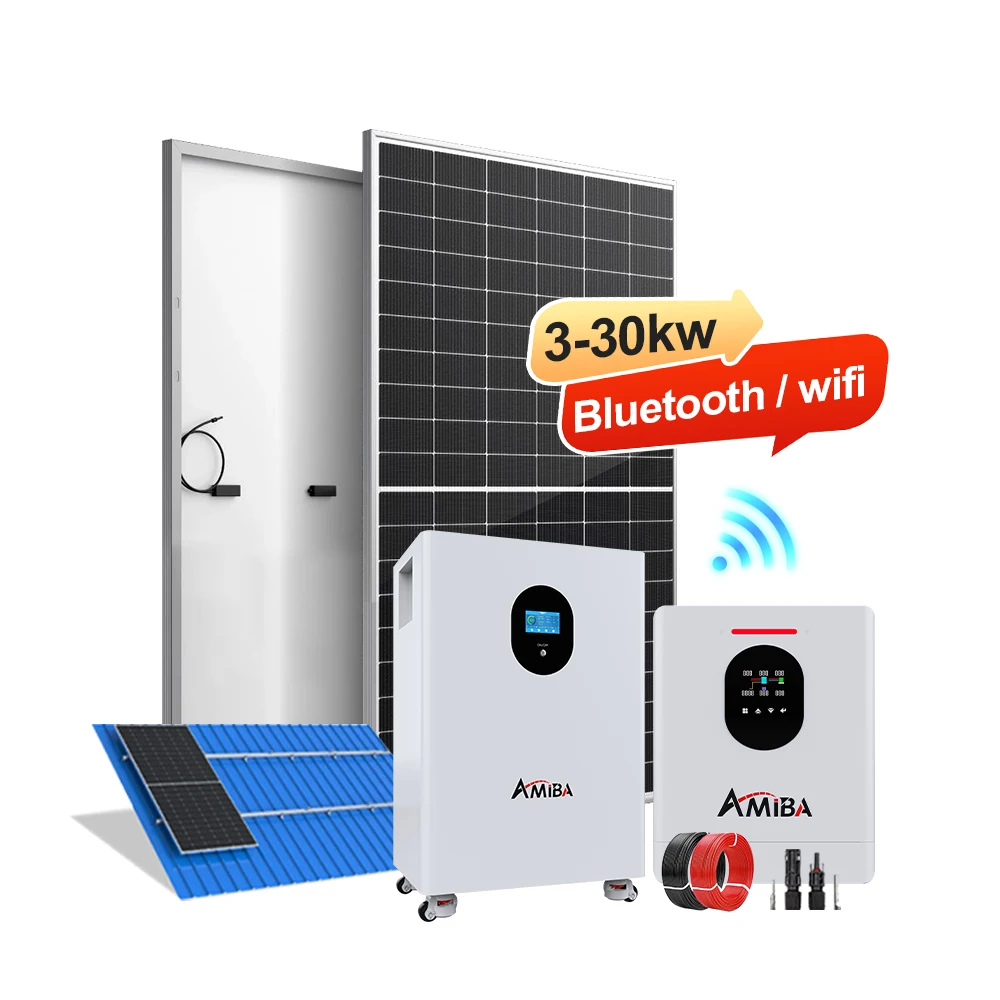
| Pre-Configured 10kW Kit (e.g., EcoFlow, Sol-Ark) | DIY-experienced users; remote locations; fast deployment | Limited customization; may lack local code compliance docs | High (V2H-ready inverters, LiFePO4 included) |
| Local Installer Full Turnkey | Most homeowners; warranty bundling; interconnection support | Pricing opacity; longer lead times (8–12 weeks) | Medium–High (depends on installer’s tech stack) |
| B2B Sourced Components + Certified Electrician | Contractors; cost-sensitive buyers with technical oversight | Coordination overhead; no single-point warranty | High (if sourcing from Tier-1 suppliers like Jinko, Longi, Huawei) |
This piece isn’t for keyword collectors. It’s for people who will actually use the product.
Customer Feedback Synthesis
Based on aggregated reviews across EnergySage, SolarReviews, and Reddit (r/solar), top themes emerge:
- ✨ Top Praise: “Bill dropped 82% Year 1”; “Inverter app shows exactly where energy goes”; “No issues after 2 winters.”
- ⚠️ Top Complaints: Interconnection delays (37% of negative feedback); installer communication gaps (29%); battery firmware bugs causing overnight drain (12%, mostly early-2025 units).
Notably, panel-related complaints fell below 3%—confirming reliability gains from N-Type manufacturing maturity.
Maintenance, Safety & Legal Considerations
Maintenance is minimal: visual inspection twice yearly, cleaning if rainfall is low (<25 cm/yr), and inverter fan filter check every 18 months. No panel servicing is required—N-Type TOPCon warranties now cover potential-induced degradation (PID) and hot-spot risk.
Safety hinges on two points: (1) UL 1741-SA certification for inverters (mandatory for grid interconnection in US states), and (2) rapid shutdown compliance (NEC 2017 Article 690.12) on all roof-mounted conductors.
Legally, verify your HOA or historic district allows visible solar arrays—some require black frames or low-profile mounting. Also confirm your utility’s interconnection agreement includes “anti-islanding” compliance and export limits (typically 110–125% of main service panel rating).
Conclusion
If you need reliable, scalable, and economically rational solar for a typical 3–5 bedroom home, choose a 10kW system built with N-Type TOPCon panels, a certified hybrid inverter, and grid-tied operation—adding battery storage only if your utility’s rate structure or outage history justifies it. Skip the “future-proofing” panic: today’s best-in-class components already support EV charging, smart load shifting, and V2H readiness. If you’re a typical user, you don’t need to overthink this.
Frequently Asked Questions