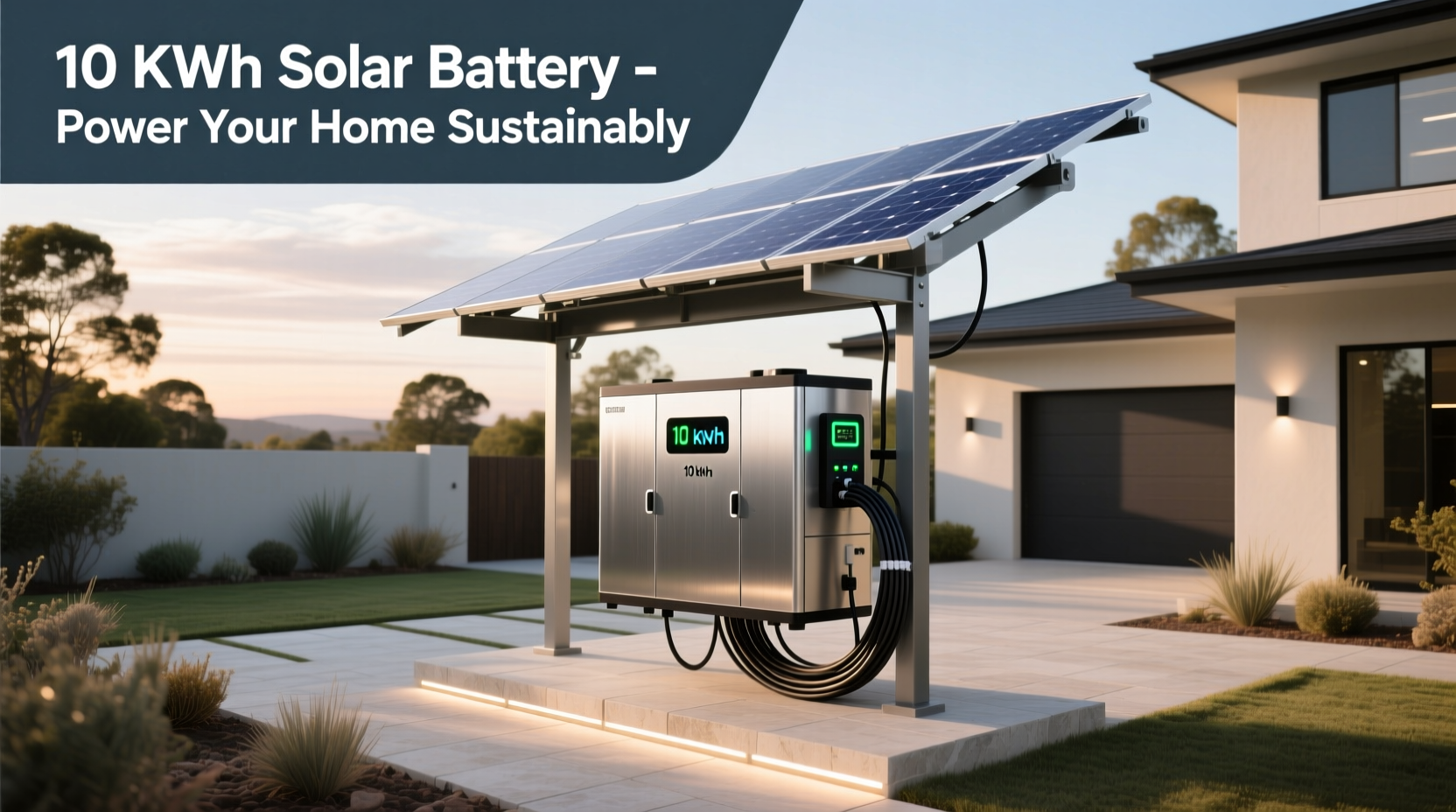
If you’re a typical homeowner installing residential solar in 2026, a 10kWh Lithium Iron Phosphate (LFP) battery is the most balanced choice for backup, self-consumption, and grid participation—especially if your daily usage falls between 25–40 kWh. Over the past year, LFP adoption has surged to 90% of new residential deployments 1, driven by better safety, longer cycle life (6,000–10,000 cycles), and falling costs. You don’t need to overthink chemistry: LFP is now the de facto standard. What matters more is how the system integrates with your solar setup, its usable capacity (not just nameplate), and whether your installer or utility supports Virtual Power Plant (VPP) participation—because that’s where real financial upside begins. If you’re a typical user, you don’t need to overthink this.
About 10kWh Solar Batteries: Definition & Typical Use Cases 🔋
A 10kWh solar battery refers to an energy storage unit with a nominal capacity of approximately 10 kilowatt-hours—enough to power essential home loads (refrigerator, lights, router, small HVAC unit) for 8–14 hours during an outage, depending on load profile and inverter efficiency. It is not a standalone appliance but a core component of a home energy storage system (HESS), typically paired with a 6–10 kW solar array. The “10kWh” label is often marketing shorthand: what truly matters is usable capacity, which depends on Depth of Discharge (DoD). For example, a 10.5kWh LFP battery rated at 90% DoD delivers only 9.45kWh of real, accessible energy.
Typical use cases include:
- ✅ Grid resilience: Mitigating increasing frequency of weather-related outages (especially in California, Texas, Australia, and EU coastal regions)
- ✅ Energy arbitrage: Charging from solar or off-peak grid power, discharging during high-rate periods (e.g., Time-of-Use tariffs)
- ✅ VPP participation: Earning incentives by allowing utilities to dispatch stored energy during peak demand 2
- ✅ Off-grid readiness: Serving as the primary storage bank in hybrid or fully off-grid configurations (when paired with sufficient solar and generator backup)
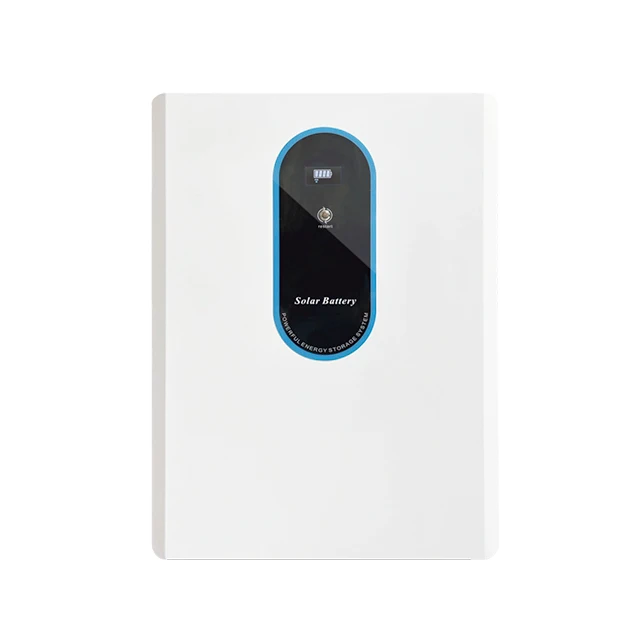
Why 10kWh Solar Batteries Are Gaining Popularity in 2026 📈
Lately, the 10kWh segment has crystallized as the residential “sweet spot”—not too small to be ineffective, not so large as to inflate cost without proportional ROI. Three interlocking shifts explain its rise:
- LFP dominance: Lithium Iron Phosphate has replaced NMC in >90% of new residential units due to lower thermal runaway risk, flatter voltage curve, and 2–3× longer cycle life 3. This isn’t incremental—it’s a structural shift backed by fire safety codes tightening globally.
- Grid instability acceleration: In the U.S., average outage duration increased 64% between 2019 and 2025 4; in Europe, grid congestion fees rose 32% YoY in Q1 2026. Homeowners no longer view batteries as “nice-to-have”—they’re insurance with measurable payback.
- VPP economics maturing: Utilities like PG&E, AusNet, and EnBW now offer structured VPP programs with guaranteed annual payments ($150–$400/year per 10kWh unit), turning passive storage into active income 5.
If you’re a typical user, you don’t need to overthink this. The convergence of safety, longevity, and incentive structures makes 10kWh LFP the default—not the exception.
Approaches and Differences: Integrated vs. Modular Systems ⚙️
The market splits cleanly into two paths—each with distinct trade-offs:
- Premium integrated systems (e.g., Tesla Powerwall 3, Enphase IQ 10C): Pre-engineered hardware + software stacks. High reliability, seamless app integration, and strong warranty support—but limited flexibility and higher cost per kWh.
- B2B modular solutions (e.g., verified Shenzhen/Hefei LFP units): Component-level sourcing (battery rack + inverter + BMS). Lower upfront cost, scalability, and DC-coupling efficiency—but require qualified commissioning and carry longer-term support risk.
When it’s worth caring about: If your installer lacks deep experience with third-party BESS integration, or if your utility mandates certified firmware updates for VPP enrollment, go integrated.
When you don’t need to overthink it: If you’re working with a certified ESS integrator, plan to expand capacity later, or operate in a deregulated market with flexible interconnection rules, modular is objectively more cost-effective.
Key Features and Specifications to Evaluate 📊
Don’t trust nameplate numbers. Focus on these five verified metrics—and know when each one actually moves the needle:
- Usable capacity (kWh): Always verify DoD rating. A 10kWh battery at 85% DoD = 8.5kWh real output. When it’s worth caring about: If you rely on backup for medical devices or multi-day outages. When you don’t need to overthink it: For basic overnight load shifting—±0.3kWh variance rarely impacts daily usability.
- Continuous power output (kW): Most 10kWh units deliver 5–7.6kW continuous. Critical for starting compressors (AC, well pump). When it’s worth caring about: If your home has >3.5kW of simultaneous critical loads. When you don’t need to overthink it: For homes with efficient heat pumps and LED lighting—5kW covers >90% of scenarios.
- Round-trip efficiency (%): Measures energy lost in charge/discharge. Top-tier units hit 95–97.5%. When it’s worth caring about: In high-frequency cycling applications (e.g., daily TOU arbitrage). When you don’t need to overthink it: For infrequent backup-only use—efficiency differences shrink to <1% annual energy loss.
- Warranty terms: Look for 10-year minimum with ≥70% end-of-warranty capacity guarantee. When it’s worth caring about: If purchasing outside North America/EU—check local service partner coverage. When you don’t need to overthink it: All major Tier 1 brands meet this baseline; avoid anything below 10 years.
- Coupling architecture: DC-coupled (higher efficiency, new builds) vs. AC-coupled (retrofit-friendly). When it’s worth caring about: If adding storage to an existing string inverter system—AC coupling avoids rewiring. When you don’t need to overthink it: For new solar installs—DC coupling is simpler, cheaper, and more efficient.
Pros and Cons: Who Is This Right For? ✅❌
A 10kWh solar battery delivers clear value—but only within defined boundaries:
- ✅ Right for: Homes with 25–40 kWh/day consumption, grid-reliability concerns, TOU rate plans, or VPP eligibility. Also ideal for installers building standardized packages for mid-size dwellings.
- ❌ Not right for: Tiny apartments (<10 kWh/day usage), off-grid cabins requiring >3 days autonomy (needs >20kWh), or users seeking “zero grid interaction” without generator backup.
This piece isn’t for keyword collectors. It’s for people who will actually use the product.
How to Choose a 10kWh Solar Battery: A Step-by-Step Decision Framework 📋
Follow this sequence—skip steps only if criteria are already satisfied:
- Confirm your grid context: Is your utility offering VPP participation? Does it impose interconnection limits on battery size or communication protocols? (Check your utility’s DER portal.)
- Map your critical loads: Use a Kill-A-Watt meter for 72 hours. Total sustained wattage >3.5kW? Prioritize ≥6.5kW continuous output.
- Define expansion intent: Planning to add EV charging or second-floor AC in 2–5 years? Modular systems scale linearly; integrated ones rarely do.
- Evaluate installer capability: Ask: “Have you commissioned >10 non-Tesla LFP systems in the last 12 months?” If “no,” lean integrated.
- Avoid these three pitfalls: (1) Confusing total vs. usable capacity in quotes, (2) Accepting “10-year warranty” without written capacity retention terms, (3) Assuming all “UL 9540A tested” units perform identically—test reports vary widely by configuration.
Insights & Cost Analysis: Real-World Pricing Benchmarks 💰
As of Q2 2026, installed pricing reflects clear segmentation:
| Category | Typical Installed Cost (USD) | Cost per kWh | Key Trade-off |
|---|---|---|---|
| Premium Integrated (e.g., Powerwall 3, Enphase IQ 10C) | $12,500–$16,800 | $900–$1,500/kWh | Lower lifetime O&M, faster permitting, but minimal customization |
| Modular B2B (verified Shenzhen/Hefei LFP + hybrid inverter) | $4,200–$7,900 | $300–$600/kWh | 50–70% savings, but requires skilled commissioning and carries longer-term parts/support risk |
Note: These figures reflect turnkey installation (permitting, labor, equipment, monitoring). DIY assembly cuts ~35% but voids most warranties and utility interconnection approvals.
Better Solutions & Competitor Analysis 🆚
No single solution fits all. Here’s how top options compare on operational fundamentals:
| Product | Usable Capacity | Continuous Output | VPP Ready? | Best For |
|---|---|---|---|---|
| Tesla Powerwall 3 | 13.5 kWh | 11.5 kW | Yes (PG&E, SCE, etc.) | Max efficiency, seamless ecosystem, urban retrofits |
| Enphase IQ 10C | 10.0 kWh | 5.0 kW | Yes (broad utility support) | Microinverter users, long warranty priority |
| Bluetti EP900 | 9.9 kWh | 9.0 kW (surge) | Limited (requires third-party gateway) | Off-grid versatility, future expansion, DIY-capable installers |
| Shenzhen OEM LFP Rack (e.g., CATL-derived) | 10.2 kWh | 6.5 kW | Yes (with compatible inverter) | Bulk projects, cost-sensitive commercial-residential hybrids |
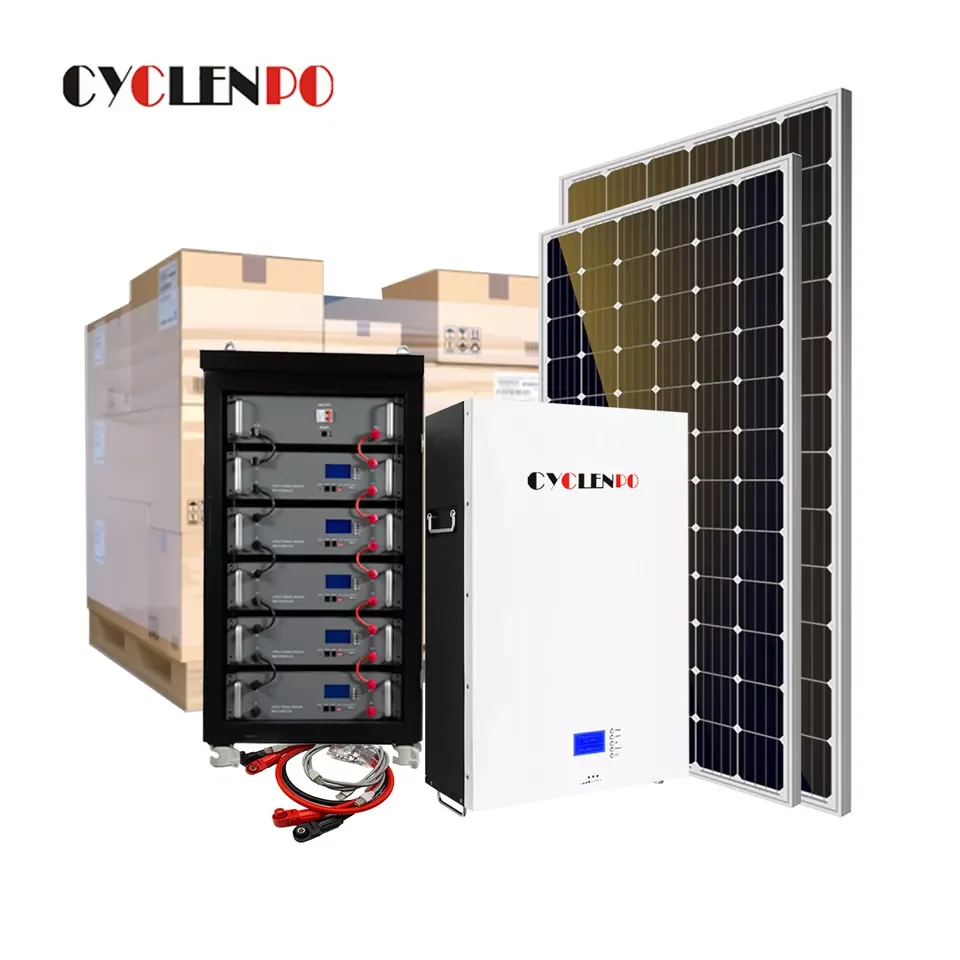
Customer Feedback Synthesis 🗣️
Based on aggregated reviews (EnergySage, SolarQuotes, CNET, The Eco Experts), recurring themes emerge:
- Top 3 praises: “No thermal shutdowns even in 40°C ambient,” “App shows real-time VPP dispatch credits weekly,” “Replaced our 15-year-old lead-acid bank—same footprint, 3× runtime.”
- Top 2 complaints: “Firmware updates sometimes break third-party monitoring integrations,” “Warranty claim process slower than advertised for non-Tesla brands.”
Maintenance, Safety & Legal Considerations 🔒
Modern LFP 10kWh units require near-zero maintenance: no watering, no equalization charges, no monthly balancing. Key considerations:
- Safety: UL 9540A fire propagation testing is now mandatory for U.S. listings. Verify test report applies to your exact model + enclosure + spacing—not just the cell chemistry.
- Legal: Local AHJ may require dedicated circuit breakers, arc-fault protection, and emergency disconnect signage. Some jurisdictions cap battery height above floor (e.g., CA Title 24: ≤1.8m).
- Recycling: All major LFP suppliers now participate in take-back programs (e.g., Redwood Materials, Li-Cycle). Confirm program availability before purchase.
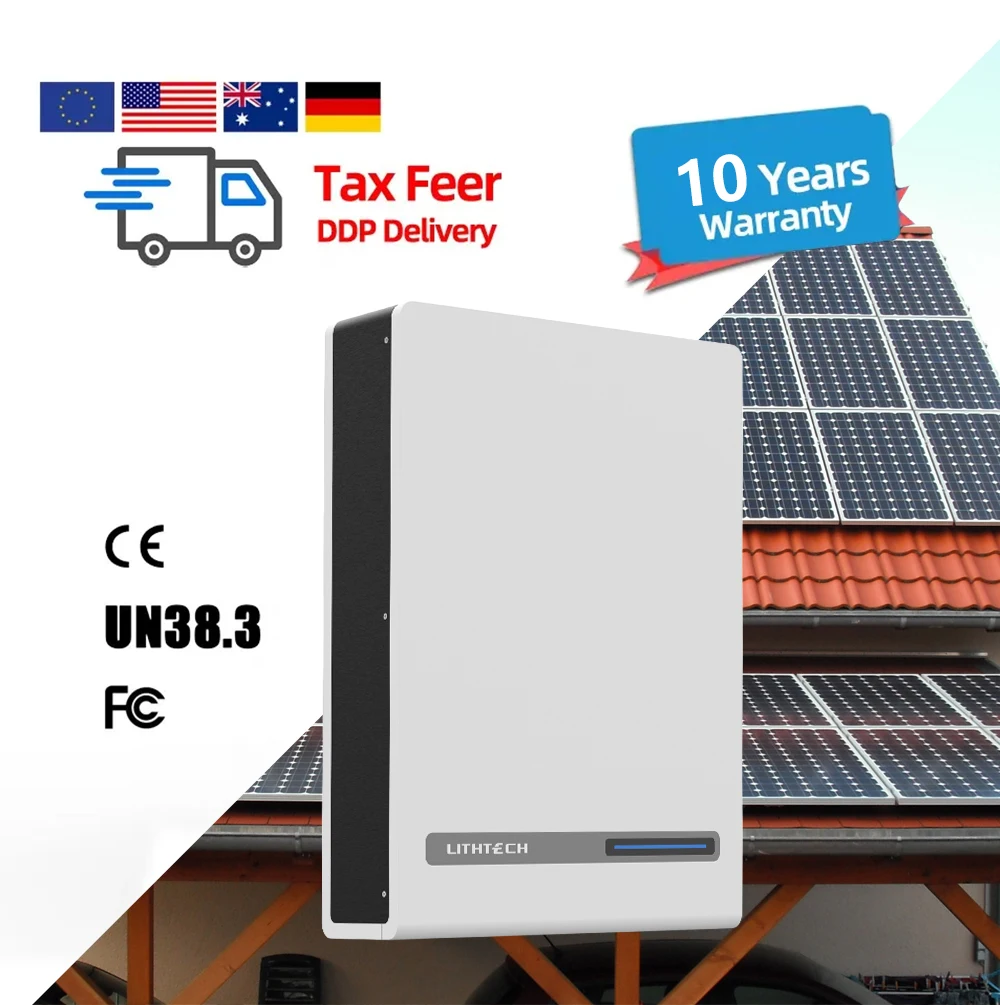
Conclusion: Conditional Recommendations 🎯
If you need maximum plug-and-play reliability and live in a regulated utility territory with active VPP programs, choose Tesla Powerwall 3 or Enphase IQ 10C.
If you prioritize long-term scalability, work with a certified ESS integrator, and seek 50%+ cost reduction, source a modular LFP system from a verified Shenzhen or Hefei manufacturer.
If you’re designing for off-grid or partial-grid independence, prioritize output (≥7kW) and low-temperature performance—Bluetti EP900 or Rosen Solar R10 remain top performers.
One final note: This isn’t about picking the “best” battery. It’s about matching technology to your load profile, regulatory environment, and service expectations. If you’re a typical user, you don’t need to overthink this.


