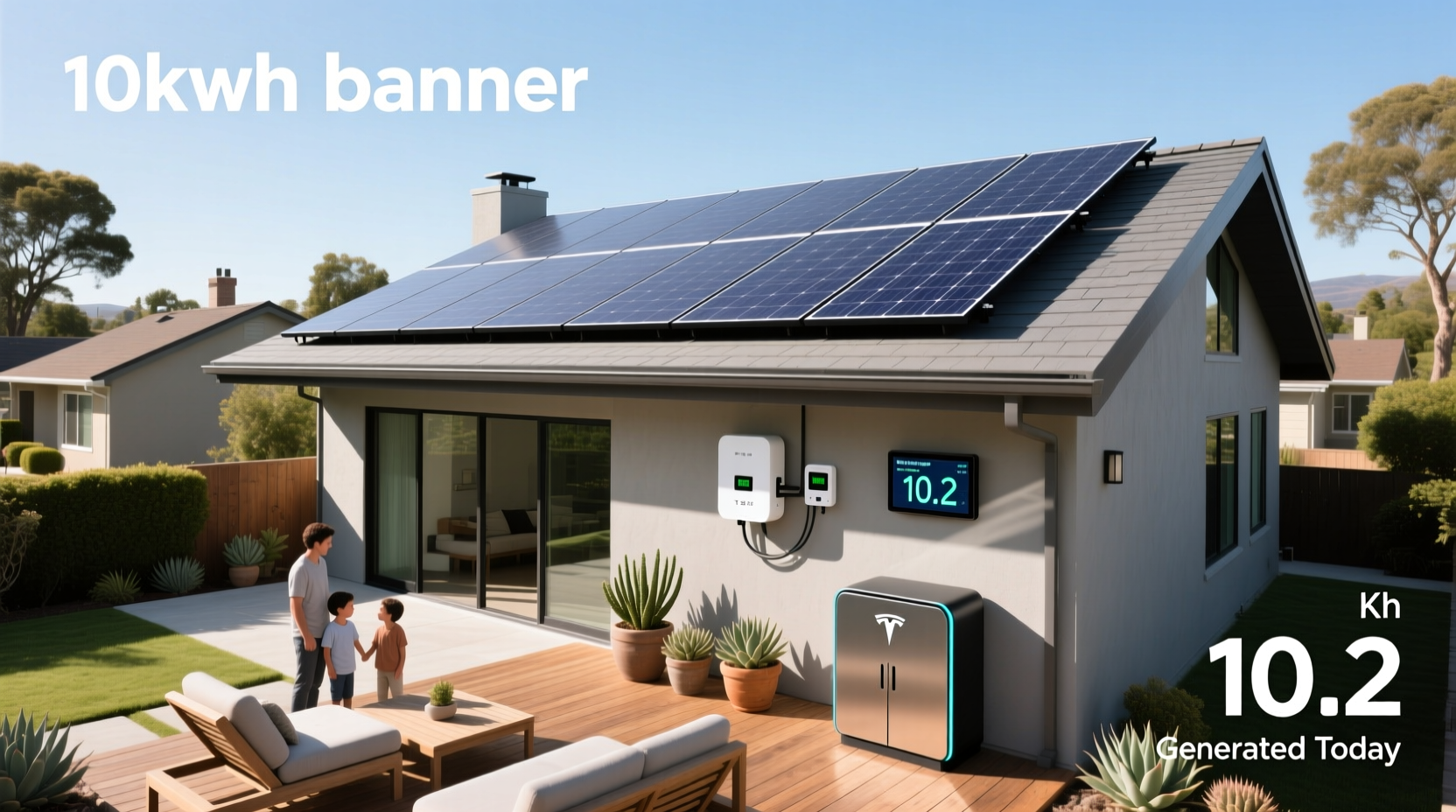
If you’re a typical homeowner evaluating a 10kWh solar system in 2026, skip the NMC battery hype and the ‘wait-for-lower-prices’ myth: go with a modular LiFePO4 (LFP) system priced between $8,000–$11,000 pre-incentive — especially if your goal is self-consumption (not just backup), EV readiness, or participation in a Virtual Power Plant (VPP). Over the past year, LFP has become the de facto residential standard, not because it’s trendy, but because it delivers double the cycle life (6,000–10,000 cycles), inherent thermal stability, and better long-term ROI than legacy chemistries1. If you’re a typical user, you don’t need to overthink this.
About 10kWh Solar Systems: Definition & Typical Use Cases
A 10kWh solar system refers to an energy storage solution capable of holding and delivering 10 kilowatt-hours of usable electricity — typically paired with an existing or new rooftop PV array. It is not a standalone solar panel setup; rather, it’s a battery-based add-on (or hybrid-integrated unit) designed to store surplus daytime solar generation for use at night, during outages, or during peak utility rate windows.
Typical users include:
- Homeowners with 6–10 kW solar arrays who want to raise self-consumption from ~30% to >70% — reducing reliance on grid power and avoiding shrinking net metering credits (e.g., California’s NEM 3.0)2.
- EV owners charging at home overnight — using stored solar instead of drawing from the grid during high-rate periods.
- Grid-interactive households enrolled in utility VPP programs, where their 10kWh system discharges during regional demand peaks for bill credits or direct payments3.
This piece isn’t for keyword collectors. It’s for people who will actually use the product.
Why 10kWh Solar Systems Are Gaining Popularity
Lately, adoption has shifted from emergency-only thinking to strategic energy management — and that shift explains the surge in 10kWh deployments. Three converging signals make 2026 the most actionable year yet:
- Price stabilization: After a decade of steep declines, 10kWh system costs have settled into a predictable band ($8,000–$11,000 pre-incentive), with post-ITC net prices as low as $6,3004. That predictability reduces buyer anxiety — no more guessing whether waiting six months yields meaningful savings.
- Self-consumption economics: With export rates falling globally, storing and using your own solar power now delivers higher financial return than selling it back. A 10kWh LFP system can increase local solar utilization by up to 40 percentage points — turning idle generation into real bill reduction5.
- VPP monetization: More utilities and third-party aggregators now offer participation incentives — meaning your 10kWh system can earn $50–$150/year simply by allowing controlled discharge during peak hours. This transforms storage from a cost center into a modest revenue stream.
Approaches and Differences: Common Configurations
There are two primary ways to deploy a 10kWh capacity — and they reflect different priorities:
✅ All-in-One Hybrid Systems
Pre-integrated units (e.g., Tesla Powerwall 3, Generac PWRcell, Enphase IQ Battery 5P) combine battery, inverter, and BMS in one enclosure.
- Pros: Simplified installation, single-warranty coverage, optimized firmware communication, compact footprint.
- Cons: Less flexibility in component upgrades, vendor lock-in, limited expansion paths beyond manufacturer-defined modules.
- When it’s worth caring about: If you value speed, simplicity, and certified interoperability — especially with existing Enphase or SolarEdge PV systems.
- When you don’t need to overthink it: If your roof space, load profile, and future EV plans are stable and well-understood. If you’re a typical user, you don’t need to overthink this.
✅ Modular Stackable Batteries + Separate Hybrid Inverter
Systems like the BYD Battery-Box Premium LVS, EG4 LifePower4, or SOK 10.2kWh use standardized LFP cells in scalable cabinets, paired with a compatible hybrid inverter (e.g., Victron MultiPlus-II, Sol-Ark 12K).
- Pros: True scalability (add 5kWh later), component-level replacement, broader inverter choice, easier service access.
- Cons: Requires deeper technical coordination, slightly longer commissioning, soft-cost premiums for design integration.
- When it’s worth caring about: If you anticipate adding an EV charger, heat pump, or second-story addition within 3–5 years — or if you prefer vendor-agnostic serviceability.
- When you don’t need to overthink it: If your installer offers both options at comparable installed cost and warranty terms. The performance delta is negligible for average usage.
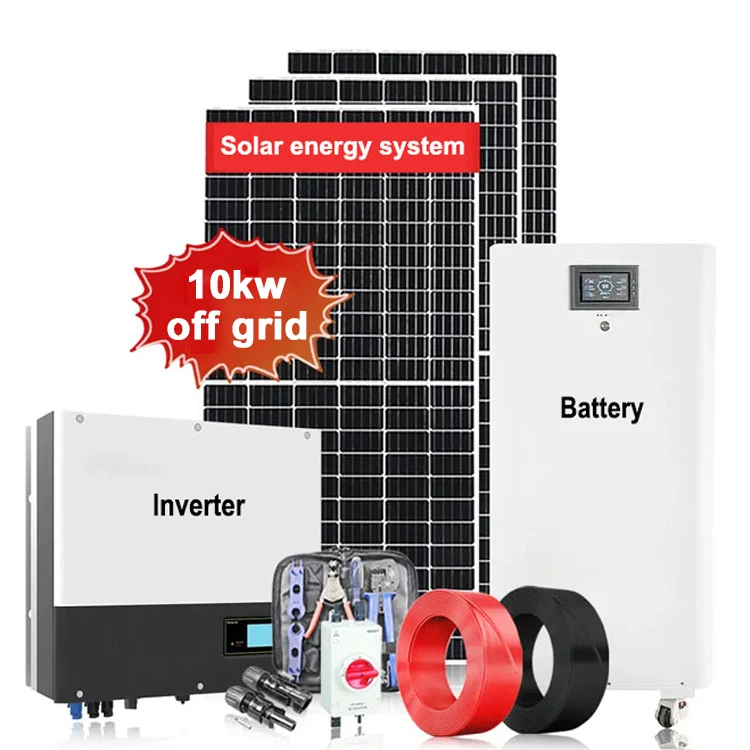
Key Features and Specifications to Evaluate
Don’t default to headline capacity (10kWh). Focus on metrics that define real-world usability and longevity:
- Round-trip efficiency (93–96%): Measures how much energy you get back vs. what you put in. A 95% efficient system loses only 5% per charge/discharge cycle — versus 12–15% for older lead-acid or low-tier lithium. When it’s worth caring about: If your daily cycling is frequent (e.g., solar → store → EV charge → overnight use). When you don’t need to overthink it: For occasional backup-only use — even 90% efficiency yields acceptable results.
- Depth of Discharge (DoD): Modern LFP supports 100% DoD without accelerated degradation. Avoid systems advertising “10kWh” but only guaranteeing 80% usable capacity — that’s effectively an 8kWh system. When it’s worth caring about: Always. Anything below 95% DoD requires oversizing to meet actual needs.
- Cycle life & warranty terms: Look for ≥6,000 cycles to 80% remaining capacity, backed by a 10-year warranty with ≥70% end-of-warranty capacity guarantee. When it’s worth caring about: If you plan >7 years of ownership. When you don’t need to overthink it: If resale within 5 years is likely — focus more on installer reputation and service response time.
- BMS intelligence: Does it support scheduled charging/discharging, VPP integration, and real-time SoH (State of Health) reporting? Not all do — check firmware logs and API documentation.
Pros and Cons: Balanced Assessment
A 10kWh solar system delivers tangible benefits — but it’s not universally optimal. Consider fit before committing:
- ✅ Pros: Reduces grid dependence by up to 70%, lowers annual electricity bills ($800–$1,400 typical), enables VPP income, improves resilience during outages (with proper panel/inverter configuration), future-proofs for EVs and electrification.
- ❌ Cons: Upfront cost remains significant (even post-ITC), requires qualified electrical design and permitting, adds complexity to system monitoring, offers diminishing returns if household consumption is highly variable or very low (<15 kWh/day).
Best suited for: Homeowners with stable, moderate-to-high daily consumption (25–40 kWh), rooftop solar already installed or planned, and a 5+ year ownership horizon.
Less ideal for: Renters, those in rapidly depreciating homes, or households with irregular occupancy (e.g., vacation properties used <3 months/year).
How to Choose a 10kWh Solar System: Decision Checklist
Follow this sequence — not in order of preference, but in order of consequence:
- Confirm your goal: Backup only? Self-consumption boost? VPP participation? Each prioritizes different features (e.g., backup demands rapid AC switchover; VPP requires open API access).
- Verify compatibility: Match battery voltage (48V nominal is standard), inverter input specs, and communication protocols (CAN, RS485, Modbus) — don’t assume ‘works with SolarEdge’ means plug-and-play.
- Calculate true usable capacity: Subtract inverter losses (~3–5%), round-trip loss (~5%), and derating for temperature (up to 10% in hot attics). A ‘10kWh’ nameplate may deliver only 8.2–8.7kWh in real operation.
- Evaluate labor & soft costs: These often equal or exceed hardware cost. Get itemized quotes — avoid ‘all-in’ packages hiding $2,500+ in permitting, interconnection fees, or engineering reviews.
- Avoid these three common missteps: (1) Choosing NMC over LFP for cost savings — its shorter lifespan and safety trade-offs negate upfront discounts; (2) Ignoring BMS firmware update history — stagnant software = missed feature rollouts and security patches; (3) Skipping third-party inspection — DIY or uncertified installs void warranties and risk fire code violations.
| Configuration Type | Suitable For | Potential Issues | Budget Range (Pre-Incentive) |
|---|---|---|---|
| All-in-One Hybrid | First-time buyers, tight spaces, Enphase/SolarEdge PV owners | Vendor lock-in, limited expansion beyond model line | $8,500–$10,800 |
| Modular LFP + Hybrid Inverter | Future expanders, tech-savvy users, EV-ready homes | Higher soft-cost variability, installer expertise dependency | $8,000–$11,000 |
| DC-Coupled Add-on (to existing string inverter) | Legacy solar owners avoiding inverter replacement | Lower round-trip efficiency, complex balancing, limited VPP support | $7,200–$9,500 |
Insights & Cost Analysis
Mid-2026 pricing reflects maturity — not volatility. Here’s a realistic, component-level breakdown for a fully installed 10kWh LFP system:
- Battery hardware (10kWh LFP): $4,500–$7,000 — price driven by cell grade, thermal management, and BMS sophistication.
- Hybrid inverter (5–10 kW): $1,500–$3,000 — higher-end models (e.g., Sol-Ark, OutBack) include VPP-ready firmware and generator integration.
- Labor & soft costs: $1,000–$3,000 — varies sharply by region, utility interconnection complexity, and panel-mounting challenges.
The 30% U.S. Federal Investment Tax Credit (ITC) applies to the full installed cost — bringing net out-of-pocket down to $6,300–$9,100. State/local incentives (e.g., CA SGIP, NY Megawatt Block) can further reduce net cost by $500–$2,500.
ROI calculation: At $0.22/kWh average retail rate and 70% self-consumption uplift, annual savings range $800–$1,400. Payback (pre-tax) falls between 6–11 years — shorter if VPP income or avoided outage losses are factored in.
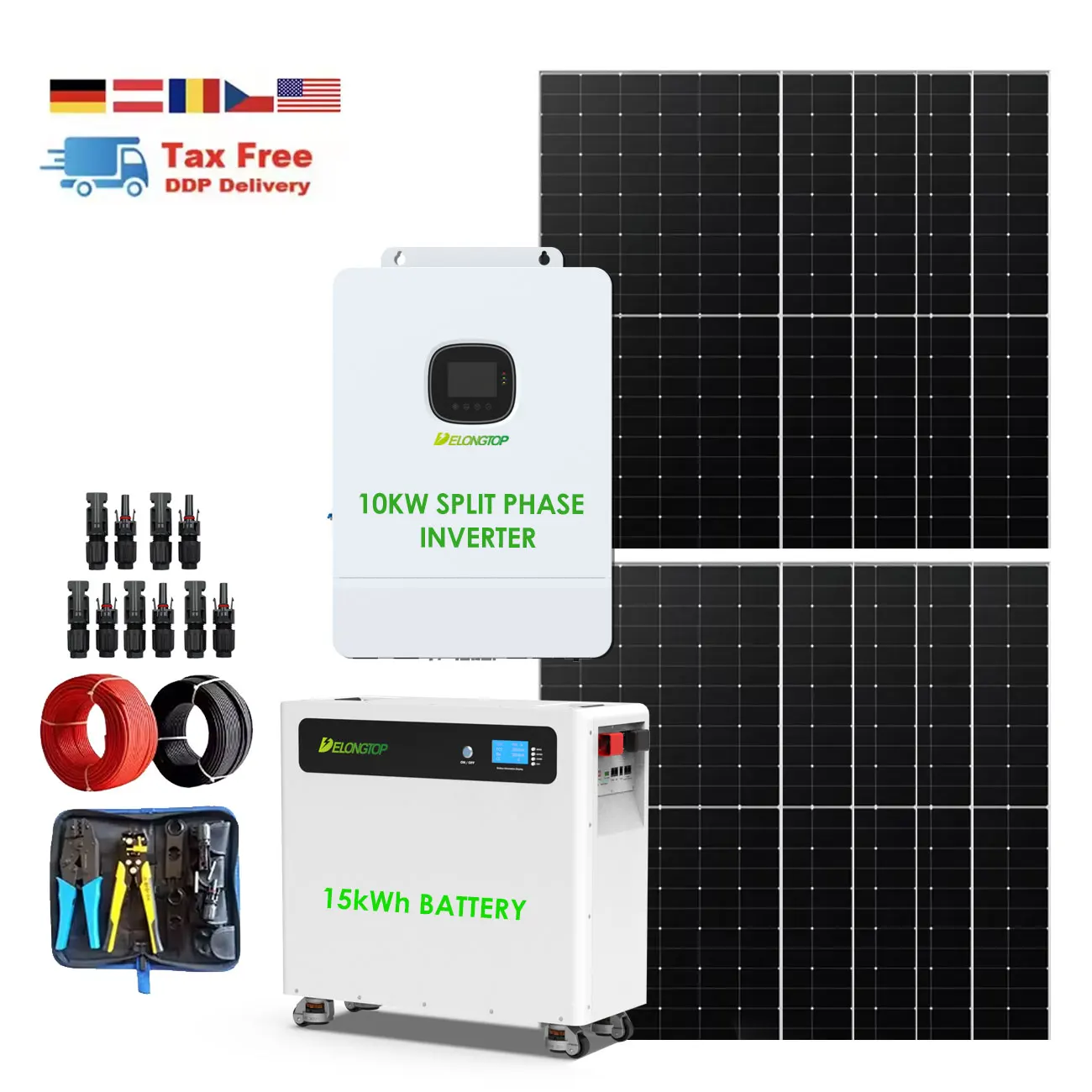
Better Solutions & Competitor Analysis
No single ‘best’ 10kWh system exists — but some architectures consistently outperform on reliability, transparency, and upgrade path:
- Top-tier modular LFP: BYD Battery-Box Premium LVS (UL 9540A certified, 10,000-cycle rating, CAN/Modbus open protocol) — ideal for professional installers prioritizing safety and interoperability.
- Value-focused stackable: SOK 10.2kWh (100% DoD, built-in EMS, 7,000-cycle warranty) — strong balance of spec sheet and real-world field reports6.
- All-in-one leader: Tesla Powerwall 3 (integrated 13.5kW inverter, seamless app experience, broad VPP enrollment) — best for simplicity and ecosystem cohesion.
What matters more than brand is verification: demand UL 9540A test reports, independent cycle-life validation (not just manufacturer claims), and evidence of firmware update cadence (quarterly updates signal active development).
Customer Feedback Synthesis
Based on aggregated installer reports and owner forums (r/solar, EnergySage reviews):
- Top 3 praised attributes: (1) Peace of mind during multi-day outages, (2) Visible drop in monthly utility bills (especially summer months), (3) Smooth integration with EV chargers via scheduled charging.
- Top 3 recurring complaints: (1) Delays in utility interconnection approval (not product-related, but impacts perceived value), (2) Confusing mobile app metrics (e.g., ‘available capacity’ vs ‘usable capacity’), (3) Underwhelming VPP payouts in low-demand regions — manage expectations early.
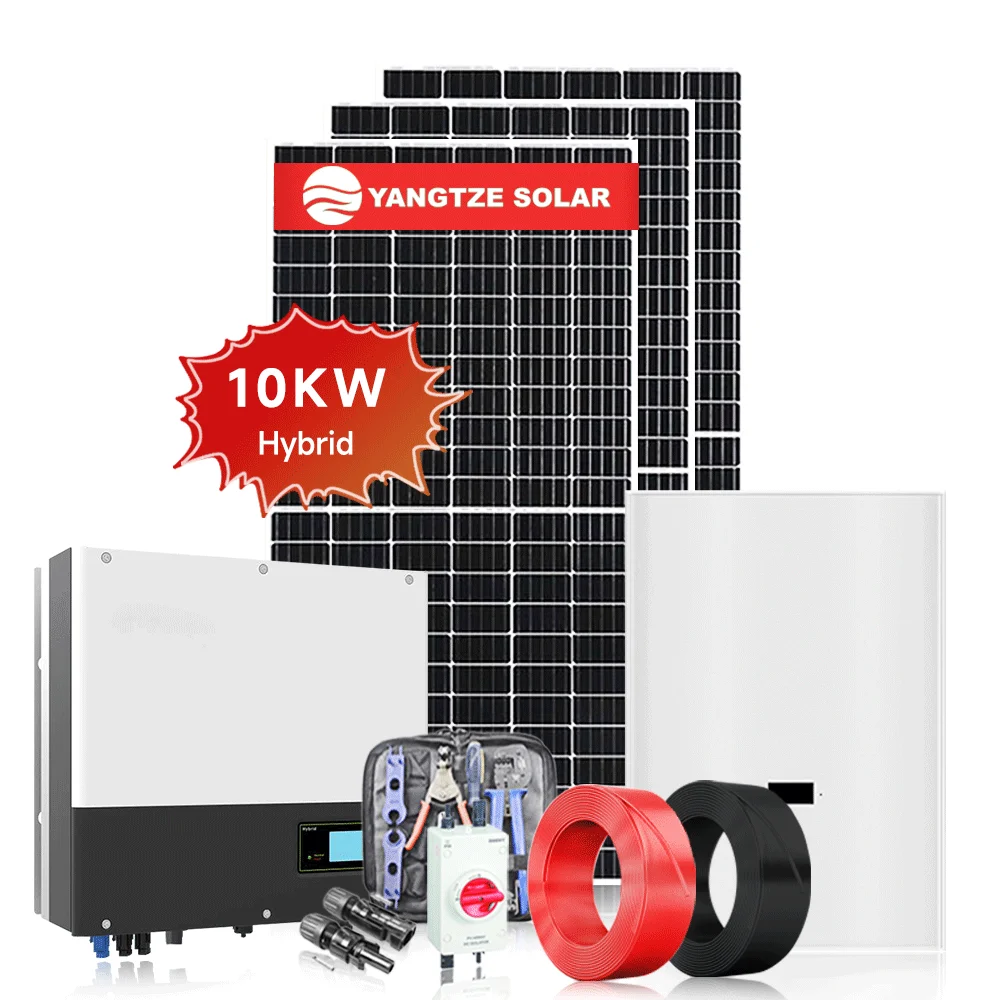
Maintenance, Safety & Legal Considerations
Modern LFP 10kWh systems require minimal maintenance — but oversight is non-negotiable:
- Safety: All units must carry UL 9540A certification (thermal runaway propagation testing). Never install in confined, unventilated spaces — LFP still generates heat during high-current discharge.
- Maintenance: Annual visual inspection of terminals and cooling fans; firmware updates every 3–6 months; no electrolyte checks or cell balancing required.
- Legal: Permitting is mandatory in all U.S. jurisdictions. Most states require a licensed electrician and AHJ sign-off. Interconnection agreements with your utility are legally binding — read fine print on export limitations and VPP opt-in clauses.
Conclusion: Conditional Recommendations
If you need reliable, long-term self-consumption with room to grow — choose a modular LFP system with open-protocol BMS and a 10-year, 70% capacity warranty. If you prioritize plug-and-play simplicity and deep ecosystem integration — choose a certified all-in-one like Powerwall 3 or Enphase IQ Battery 5P. If your budget is constrained and your goals are strictly backup-oriented — a DC-coupled add-on may suffice, but expect lower efficiency and fewer smart features. Waiting for major price drops is no longer rational: annual energy savings outweigh projected 2026–2027 price erosion. Act now — with clarity, not urgency.


