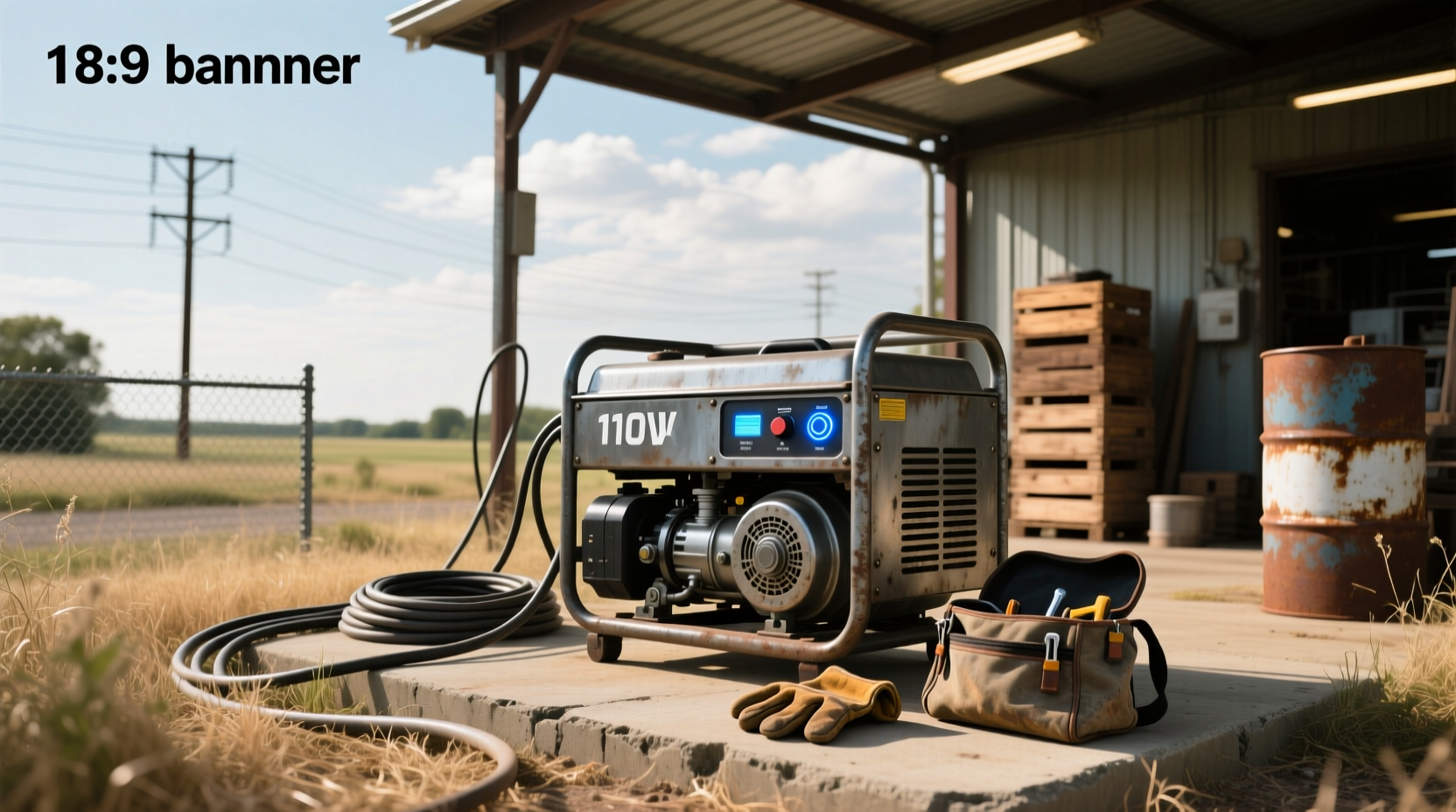
If you’re a typical user, you don’t need to overthink this. For most home backup, RV, or camping needs, a quiet 2,000–3,500W inverter generator with CO shut-off, electric start, and dual-fuel capability is the optimal balance of safety, runtime, and electronics compatibility. Skip oversized standard portables—they’re loud, inefficient, and risky indoors. Avoid cheap solar “power stations” under 1,000Wh if you need to run refrigerators or microwaves. And never use a non-inverter unit for laptops, routers, or medical devices—voltage spikes can damage them. Lately, stricter EPA and CARB regulations, rising outage frequency, and improved inverter efficiency have made this decision sharper—and more consequential.
About 110V Generators: What They Are & Where They’re Used
“110V generator” is a colloquial term for standard North American portable and standby units rated at 120V nominal output—the same voltage delivered by household wall outlets. These are not low-voltage DC devices; they produce alternating current (AC) compatible with common appliances, tools, and electronics. Unlike industrial 240V/480V systems, 110V/120V generators serve three primary scenarios:
- Home backup: Powering essentials during outages—refrigerators, sump pumps, Wi-Fi routers, lights, and small HVAC components (via transfer switch or manual outlet connection).
- Camping & RV use: Running lights, fans, coffee makers, phone chargers, and small AC units without grid access—where noise, weight, and emissions matter.
- Job site support: Supplying power for corded tools, lighting, and temporary offices—often requiring durability, high surge capacity, and fuel flexibility.
Why 110V Generators Are Gaining Popularity
Over the past year, demand for reliable 110V power has surged—not because grids are failing more often, but because expectations for resilience have risen. According to MarketsandMarkets, the global generator market is projected to reach $26.79 billion by 2026, driven largely by residential adoption 1. This isn’t just about storms: aging infrastructure, wildfire-related Public Safety Power Shutoffs (PSPS), and remote work dependencies mean users now treat backup power as infrastructure—not contingency gear.
The shift reflects three converging realities:
- Grid instability is localized but persistent—not just hurricane season, but summer heatwaves tripping substations in Texas or California PSPS events lasting 48+ hours.
- Consumer electronics are more sensitive—and more essential. A voltage fluctuation that once only glitched a CRT TV can now brick a smart thermostat or corrupt NAS storage.
- Safety standards have tightened meaningfully. Mandatory CO shut-off sensors, CARB-compliant emissions, and UL 2201 certification are now baseline—not premium features.
If you’re a typical user, you don’t need to overthink this: these shifts mean older, non-inverter, non-CO-sensored units are functionally obsolete for indoor or near-home use.
Approaches and Differences: Inverter vs Solar vs Dual-Fuel
Three architectures dominate the 110V market today. Each solves distinct problems—and introduces specific trade-offs.
✅ Portable Solar Generators (Battery-Based Power Stations)
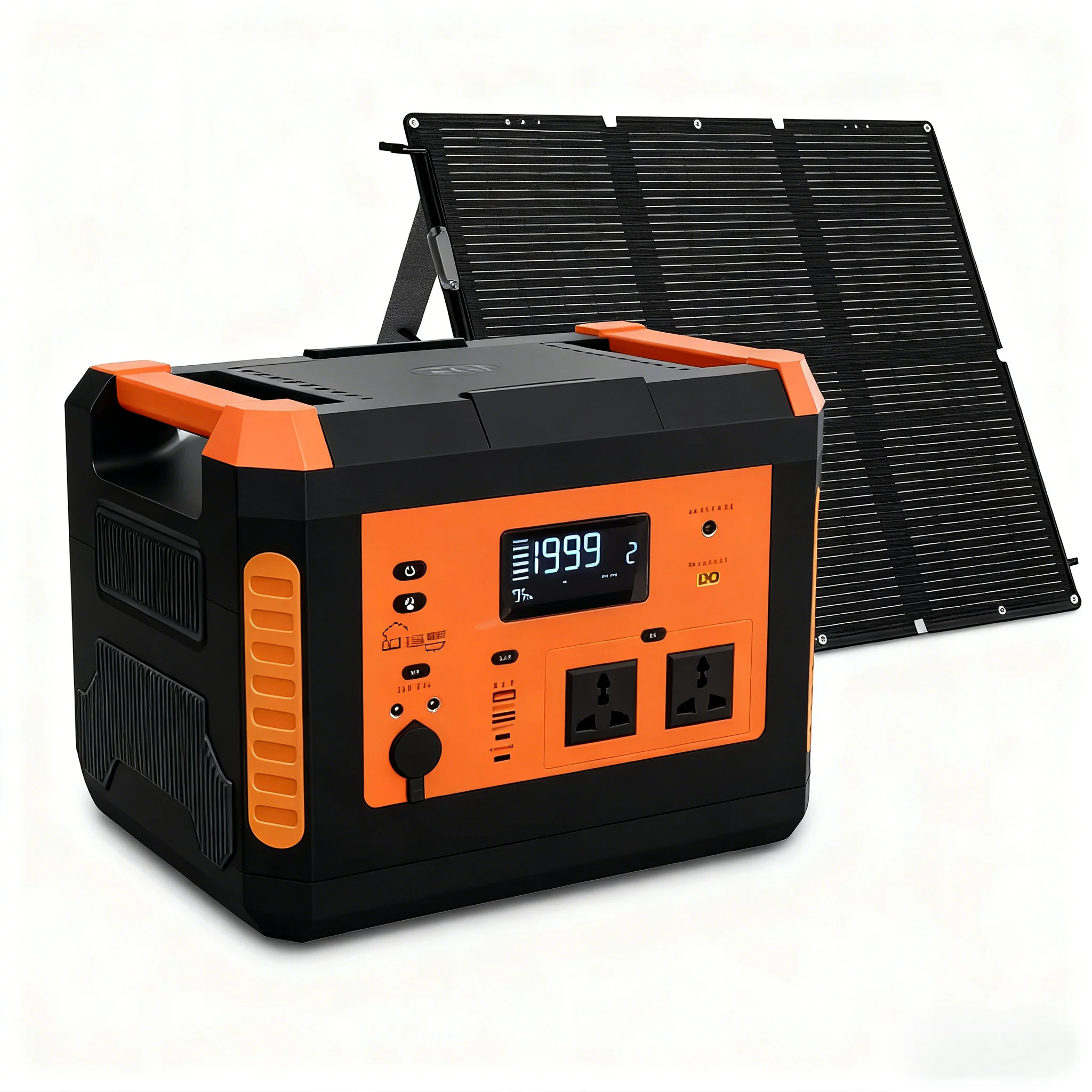
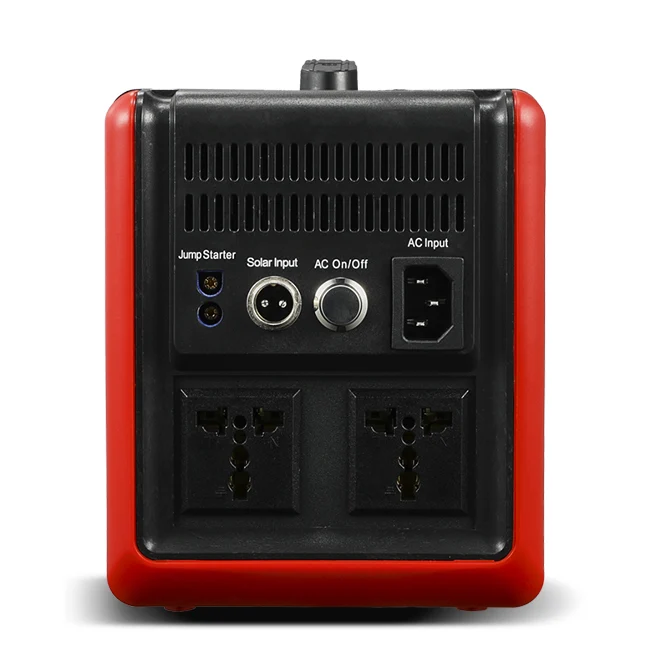
- How it works: Lithium battery pack + pure sine wave inverter + optional solar input (typically 100–400W). No engine, no fuel, no noise.
- Best for: Indoor use, short-duration outages (<12 hrs), camping with low-wattage loads (LED lights, phones, fans, CPAPs), and noise-sensitive environments.
- Limitation: Runtime scales directly with battery capacity (Wh), not fuel volume. Recharging via AC takes 4–8 hrs; solar adds unpredictability.
✅ Portable Inverter Generators
- How it works: Gasoline or propane engine drives a high-efficiency alternator, with built-in inverter converting raw AC to stable 120V pure sine wave.
- Best for: Home backup (with proper transfer setup), RVs, tailgating, and job sites needing clean, quiet, fuel-efficient power for mixed loads.
- Limitation: Requires fuel storage and periodic maintenance (oil changes, carburetor cleaning). Not zero-emission.
✅ Dual-Fuel Portable Generators
- How it works: Engine configured to run on gasoline or propane—switched manually or automatically. Propane offers longer shelf life and cleaner combustion.
- Best for: Extended emergency preparedness (72+ hr outages), rural users with propane tanks, and those prioritizing fuel availability over absolute quiet.
- Limitation: Typically louder and heavier than pure inverter models. Lower fuel efficiency on propane vs gasoline.
Key Features and Specifications to Evaluate
Not all specs carry equal weight. Here’s how to prioritize—based on real-world impact:
🔹 Continuous Wattage (Not Peak)
When it’s worth caring about: If powering a refrigerator (700W running, 2,200W startup) + router (15W) + LED lights (40W), you need ≥1,000W continuous—and headroom for surges. Undersizing causes brownouts or shutdowns.
When you don’t need to overthink it: For phone charging or LED lighting alone, even 300W suffices. Don’t chase 10,000W unless you’re running well pumps or central AC.
🔹 CO Shut-Off Sensor (UL 2201 Certified)
When it’s worth caring about: Any use within 20 ft of windows, doors, or garages—or any indoor use (e.g., solar station recharging in basement). CO poisoning remains the top cause of generator-related fatalities 2.
When you don’t need to overthink it: If using outdoors >25 ft from structures, with constant airflow—still wise, but less urgent.
🔹 Pure Sine Wave Output
When it’s worth caring about: Laptops, gaming consoles, medical devices, variable-speed tools, and modern inverters (e.g., mini-split ACs). Modified sine wave risks overheating or malfunction.
When you don’t need to overthink it: Incandescent bulbs, basic power tools, or resistive heaters—these tolerate modified wave.
🔹 Noise Level (dB at 25 ft)
When it’s worth caring about: Residential neighborhoods, campgrounds, or shared spaces. Units >65 dB disrupt conversation; >72 dB require ear protection for prolonged exposure.
When you don’t need to overthink it: Remote job sites or rural land—noise matters less than runtime and durability.
Pros and Cons: Realistic Trade-Offs
This piece isn’t for keyword collectors. It’s for people who will actually use the product.
Every architecture has legitimate strengths—and hard constraints. Honesty matters more than hype.
| Category | Key Advantages | Potential Problems | Budget Range (2026) |
|---|---|---|---|
| Solar Power Stations | Zero emissions, silent, indoor-safe, minimal maintenance | Low runtime per Wh, slow recharge, limited surge capacity, poor cold-weather performance | $500–$3,500 |
| Inverter Generators | Clean power, quiet (50–62 dB), fuel-efficient, lightweight, CO-safe models widely available | Fuel dependency, engine maintenance, not truly silent, propane kits sometimes aftermarket | $700–$2,200 |
| Dual-Fuel Generators | Fuel redundancy, longer-term reliability, higher wattage options (up to 12kW), easier long-term storage | Louder (65–75 dB), heavier, lower efficiency on propane, fewer true inverter-grade dual-fuel models | $900–$2,800 |
How to Choose a 110V Generator: A Step-by-Step Decision Framework
Forget “best overall.” Start here:
- Define your critical load: List devices you *must* power—and their running (not peak) wattage. Add 20% buffer. Use a Kill-A-Watt meter if unsure.
- Assign your primary environment: Home backyard? Campsite? Job trailer? This determines noise, portability, and safety priorities.
- Identify your fuel reality: Do you store gasoline (stabilizer required)? Have a 20-lb propane tank? Or prefer zero-fuel logistics?
- Eliminate non-starters: No CO sensor? Cross off. Modified sine wave? Cross off if using sensitive electronics. No electric start? Cross off if age, mobility, or cold weather is a factor.
- Validate portability: If you’ll move it weekly, prioritize ≤120 lbs and wheels/handle. If stationary, weight matters less than durability.
Avoid these two common, costly mistakes:
- Mistake #1: Buying based on “peak wattage” alone. A 10,000W peak / 7,500W continuous unit may still brown out a fridge + furnace blower if both cycle simultaneously. Focus on continuous rating—and match to your actual load profile.
- Mistake #2: Assuming “portable” means “easy to store.” Many 3,000W+ inverters exceed 150 lbs and require two people to lift. Measure your garage shelf or trunk first.
The one constraint that truly changes outcomes? Your longest expected outage duration. If it’s <48 hours, inverter + fuel cans suffice. If it’s 5+ days, dual-fuel + 20-lb propane tanks become necessary—and solar stations quickly fall short without massive (and expensive) battery banks.
Insights & Cost Analysis
Price isn’t linear with capability—but value clusters around specific tiers:
- $700–$1,100: Entry-level inverters (2,000–2,800W). Reliable for essentials + 1–2 medium loads. Expect 50–58 dB, ~10–12 hrs runtime at 25% load. Brands like Honda EU2200i (discontinued but widely resold) and newer WEN, Champion, and Westinghouse models fit here.
- $1,200–$1,800: Mid-tier inverters (3,000–3,800W) with electric start, parallel capability, and advanced CO monitoring. Runtime extends to 14–18 hrs. Ideal for whole-home light loads or RV full-time use.
- $1,900–$2,800: High-output inverters (4,000–5,000W) or true dual-fuel inverters. Includes integrated transfer switch readiness, smartphone monitoring, and extended warranty. Best for homes with sump pumps, well pumps, or mini-splits.
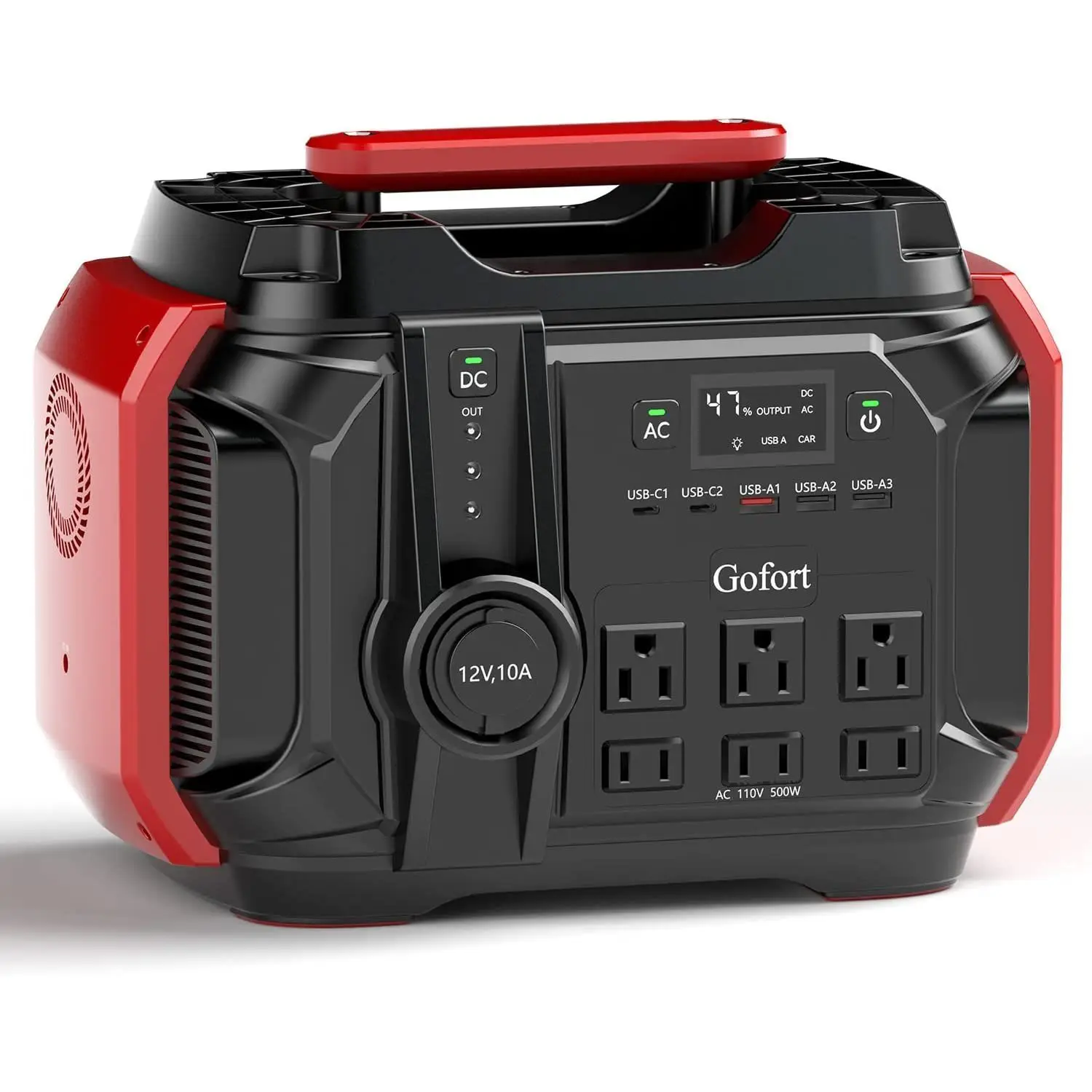
Solar stations follow different economics: $1,200 buys ~1,500Wh (enough for 8–12 hrs of lights + phone + fan); $2,500 gets ~3,000Wh (adds fridge cycling). But add $400–$800 for quality 200W solar panels—and you’re no longer “plug-and-play.”
Customer Feedback Synthesis
Based on aggregated reviews across Consumer Reports, Wirecutter, PowerEquipmentForum, and Outdoor Life (2025–2026):
- Top 3 praises: “Quiet enough for neighborhood use,” “CO sensor prevented panic during garage test,” “Electric start works every time—even at 15°F.”
- Top 3 complaints: “Propane hose fitting leaked after 3 months,” “Battery degraded noticeably after 2 winters,” “Manual is vague on parallel operation.”
Consistent pattern: satisfaction correlates strongly with real-world reliability under stress—not spec-sheet perfection. Units that start consistently in cold/damp conditions, hold voltage steady under load swings, and include intuitive controls win long-term loyalty.
Maintenance, Safety & Legal Considerations
Two non-negotiables:
- Never operate indoors or in enclosed spaces—even with windows open. CO is odorless and fatal at low concentrations.
- Always use a transfer switch or interlock kit for home backup. Backfeeding via extension cords (“suicide cords”) risks electrocuting utility workers and destroying your panel.
Annual maintenance includes oil change, air filter cleaning, spark plug inspection, and carburetor cleaning if using ethanol-blended gasoline. Store fuel with stabilizer—and rotate every 3–6 months. Propane requires no stabilization but demands leak-checking before each use.
Legally, most U.S. municipalities require permits for permanent standby installations. Portable units fall under EPA Tier 4 and CARB compliance rules—verify model numbers against current lists before purchase.
Conclusion: Conditional Recommendations
If you need reliable, quiet, clean power for home essentials or weekend camping, choose a 2,200–3,500W inverter generator with UL 2201 CO shut-off, electric start, and pure sine wave output. Prioritize brands with strong service networks (e.g., Honda, Yamaha, Westinghouse) if long-term support matters.
If you live in fire-prone or grid-unstable regions and prepare for multi-day outages, choose a 4,000W+ dual-fuel inverter—paired with a 20-lb propane tank and spare fuel stabilizer. Accept the noise trade-off for fuel security.
If you need silent, zero-emission power for CPAPs, photography gear, or apartment balcony use, choose a 1,500–2,500Wh solar power station with MPPT solar input and LiFePO₄ chemistry. Skip lead-acid or NMC batteries for longevity.
If you’re a typical user, you don’t need to overthink this: your environment, load profile, and outage history—not marketing claims—should decide.


