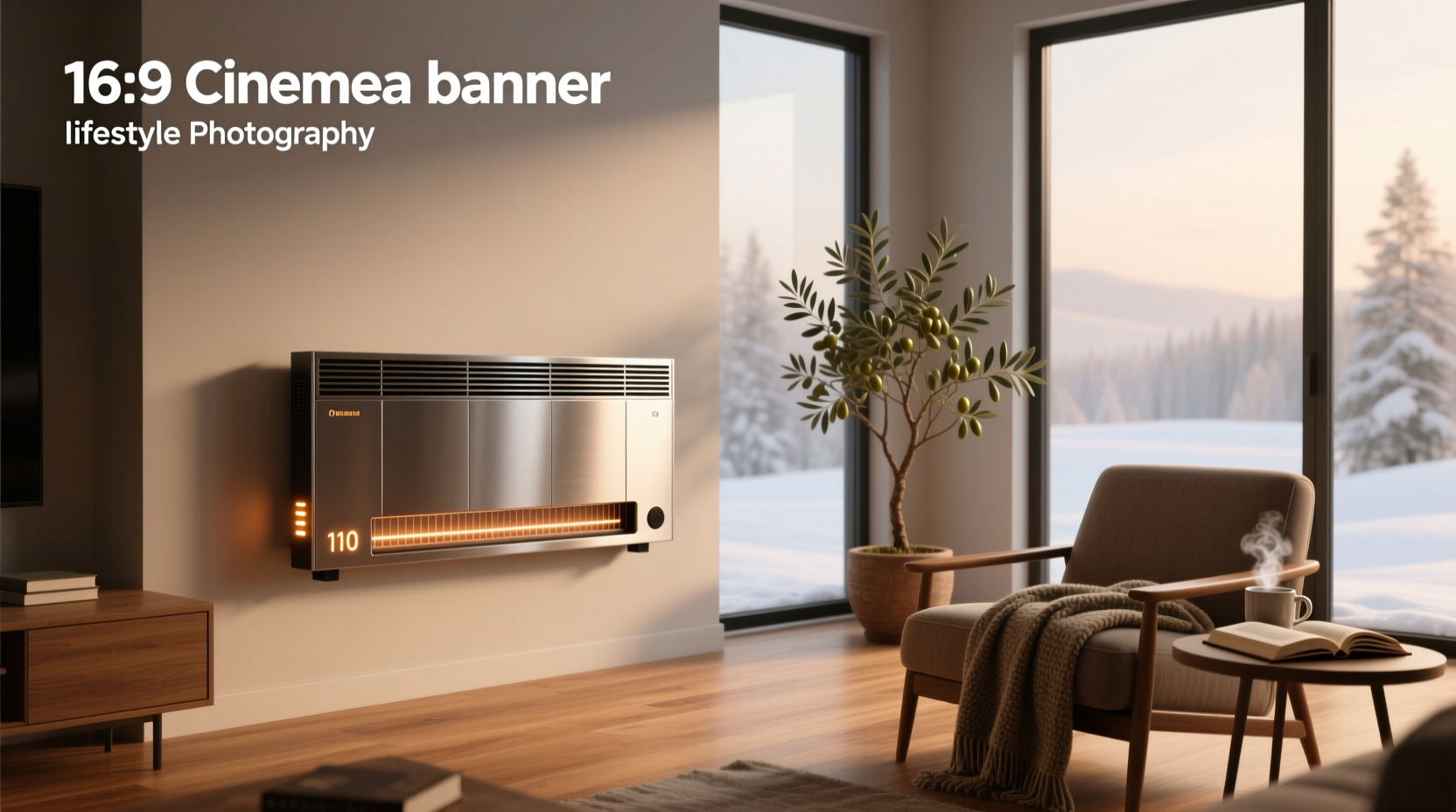
If you’re a typical user, you don’t need to overthink this. For most homes and small offices in North America, a 110V heater rated at 1,500W with UL/ETL certification, tip-over protection, and a programmable thermostat is the only configuration worth considering—no exceptions. Over the past year, smart 110V heaters have surged in adoption (15.9% CAGR1), not because they’re flashier, but because grid-responsive features and Matter compatibility now meaningfully reduce runtime costs and integrate cleanly into existing home systems. This isn’t about chasing specs—it’s about eliminating risk and avoiding wasted electricity. Skip the 750W ‘personal’ units unless you’re heating under a desk; avoid unlisted brands even if they’re $20 cheaper; and never assume ‘quiet’ means safe. If your space is under 150 sq. ft., go ceramic or infrared. Over that? Prioritize oil-filled or dual-mode units with thermal mass. This piece isn’t for keyword collectors. It’s for people who will actually use the product.
About 110V Heaters: Definition & Typical Use Cases
A 110V heater is an electric space heater designed for standard North American residential outlets (110–120V AC, 15A circuits). Unlike 220V or industrial-grade units, it draws power from common wall sockets—making it portable, plug-and-play, and compatible with standard circuit breakers. Its defining constraint is power ceiling: 1,500W maximum, which translates to ~12.5A draw on a 120V circuit. That limit shapes everything—from heat output to safety design.
Typical use cases include:
- ✅ Zone heating: Warming a bedroom, home office, or basement room instead of running central HVAC
- ✅ Supplemental heat: Boosting temperature in drafty corners, sunrooms, or older homes with uneven insulation
- ✅ Temporary or seasonal use: Garages, workshops, or rental apartments where permanent installation isn’t allowed
- ✅ Smart home integration: Units with Wi-Fi or Matter support used alongside thermostats, voice assistants, or energy dashboards
It’s not meant for whole-house heating, high-ceiling warehouses, or continuous 24/7 operation without cycling. If your goal is ambient, silent, all-night warmth in a 12×12 bedroom, an oil-filled radiator fits. If you need instant directional heat near a desk or sofa, a ceramic fan-forced unit delivers faster—but less evenly.
Why 110V Heaters Are Gaining Popularity
Lately, 110V heaters have shifted from emergency backups to deliberate energy strategy tools. Two drivers explain this:
- Rising electricity costs: With U.S. residential electricity prices up 12% since 20222, consumers are turning to zone heating—heating only occupied spaces—to cut bills by 20–40% versus heating entire homes3.
- Smart infrastructure maturity: The rollout of Matter 1.3 (2024) and CTA-2045 demand-response ports means modern 110V heaters can now respond to utility signals—reducing power draw during peak hours without user input. That’s not theoretical: early adopters report 8–12% lower winter electricity usage when paired with time-of-use plans4.
This isn’t just convenience—it’s measurable cost avoidance. And unlike 220V units requiring dedicated circuits, 110V heaters scale instantly across apartments, condos, and older buildings where electrical upgrades are impractical or costly.
Approaches and Differences: Ceramic, Infrared, Oil-Filled
The three dominant 110V heater types differ fundamentally—not in quality, but in heat delivery physics. Choosing wrong means discomfort, inefficiency, or noise—not danger (if certified).
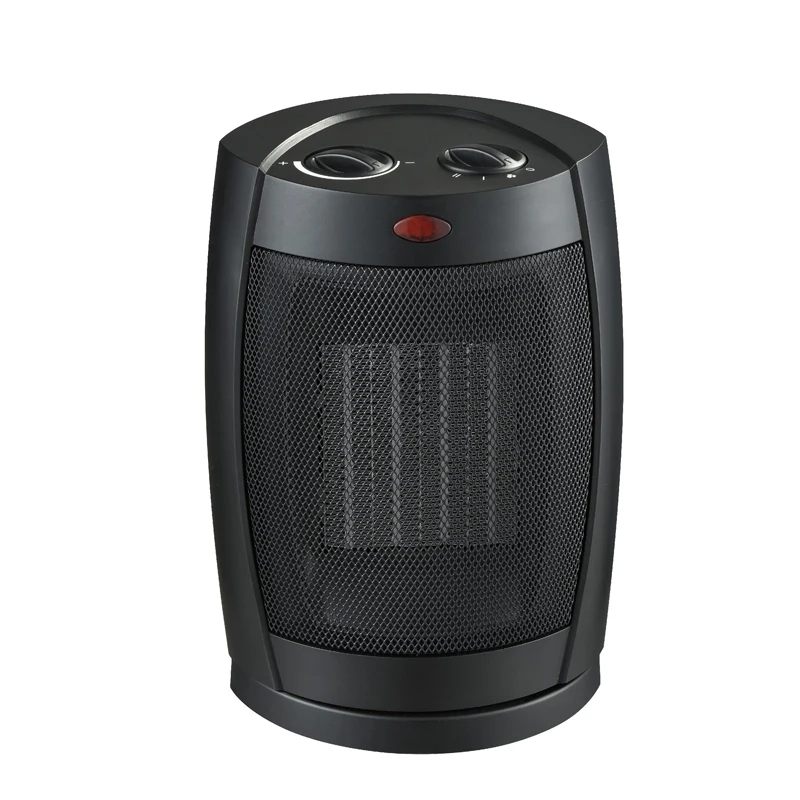
- Ceramic (fan-forced): Heats air rapidly using a ceramic element + blower. Best for fast, localized warmth in rooms ≤150 sq. ft. When it’s worth caring about: You need heat within 60 seconds and tolerate light fan noise. When you don’t need to overthink it: If you’re using it in a bedroom overnight—its airflow and noise make it suboptimal for sleep.
- Infrared: Emits electromagnetic radiation absorbed directly by skin and objects (like sunlight). No fan, silent, effective in drafty or high-ceiling areas. When it’s worth caring about: You sit in one spot (e.g., desk, armchair) and want instant radiant warmth—even if ambient air stays cool. When you don’t need to overthink it: If you expect it to raise room temperature uniformly; it won’t.
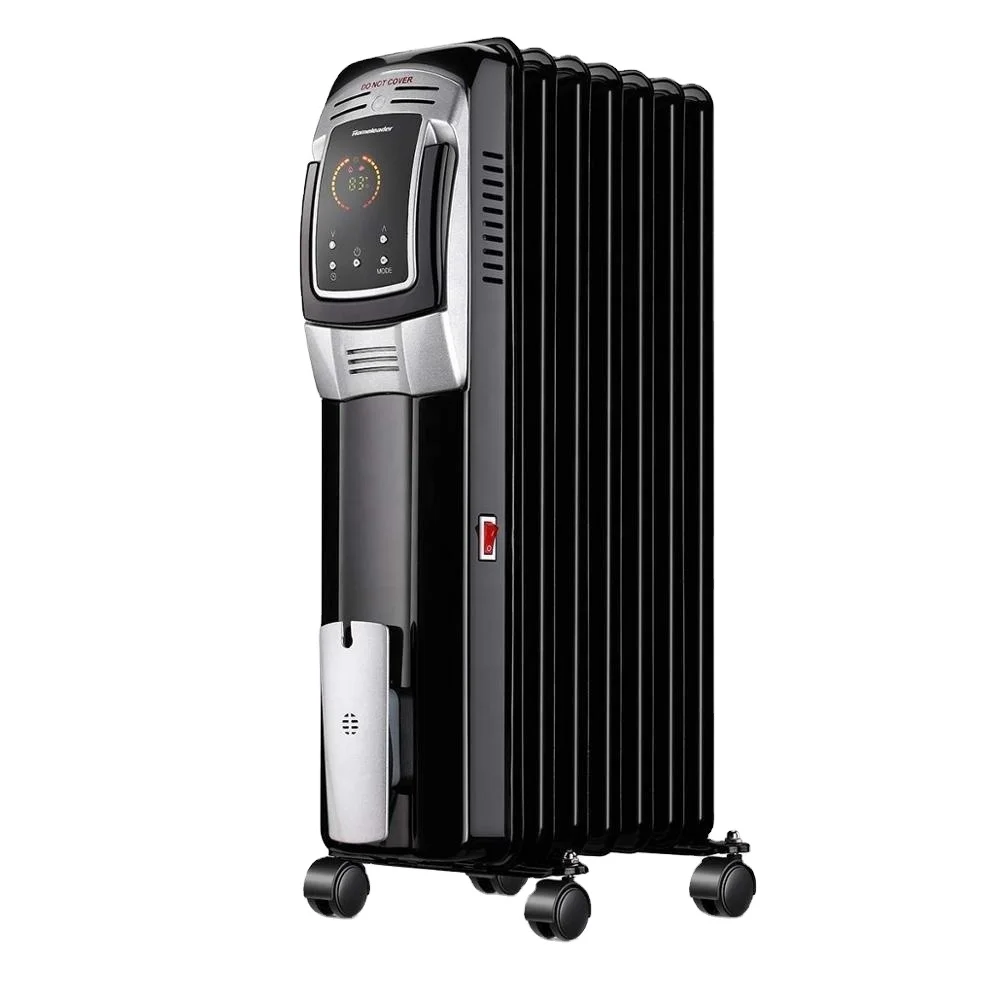
- Oil-filled radiators: Heat thermal oil sealed inside metal fins; radiate steady, silent, residual warmth for hours after power-off. Ideal for bedrooms or living rooms where constant, quiet heat matters. When it’s worth caring about: You prioritize silence, safety around children/pets, and consistent ambient temperature. When you don’t need to overthink it: If you need heat in under 90 seconds—the warm-up lag is real.
If you’re a typical user, you don’t need to overthink this. Match the type to your behavior, not your square footage alone: sit still → infrared; move around → ceramic; sleep or relax → oil-filled.
Key Features and Specifications to Evaluate
Forget ‘smart’ as a buzzword. Focus on features that prevent waste, injury, or regret:
- 🔒 UL or ETL certification (non-negotiable): Only certified units undergo independent testing for fire risk, wiring integrity, and surface temperature limits. Unlisted models cause ~80% of heater-related residential fires5.
- ⚖️ Tip-over and overheat shutoff: Automatic cutoff if tilted >15° or internal temps exceed 220°F. Required on all reputable 2026 models—but verify in spec sheets, not marketing copy.
- 🌡️ Programmable thermostat + Eco mode: Prevents cycling on/off constantly. Eco mode reduces max wattage by 10–15% once target temp is reached—cutting runtime by ~25% over manual thermostats6.
- 📡 Matter or CTA-2045 support: Not essential for basic use—but if your utility offers demand-response rebates or you use Home Assistant/Alexa, it unlocks automated load-shifting.
Pros and Cons: Balanced Assessment
No 110V heater excels at everything. Trade-offs are structural—not flaws.
- Pros: Plug-and-play installation; wide compatibility with existing outlets; rapid ROI via zone heating; growing smart-grid alignment; strong safety standards in certified models.
- Cons: Limited to 1,500W—so insufficient for large open spaces (>200 sq. ft.) without multiple units; ceramic units generate audible airflow; infrared provides no ambient warmth; oil-filled units weigh 25–40 lbs and take 10+ minutes to reach full output.
They’re unsuitable for: unattended use in closets or under furniture; humid environments like bathrooms (unless explicitly rated IPX4+); or locations where cords must run across walkways (trip hazard).
How to Choose a 110V Heater: A Step-by-Step Decision Guide
Follow this sequence—skip steps only if you’ve already validated them:
- Confirm outlet capacity: Is the circuit shared with other high-draw devices (microwave, AC)? If yes, cap at 1,200W—not 1,500W.
- Calculate room size: Use 10W per sq. ft. as baseline. A 120 sq. ft. bedroom = 1,200W ideal. Don’t oversize—excess wattage wastes energy and triggers frequent shutoffs.
- Prioritize safety certifications first: UL/ETL label visible on unit and packaging. If absent, stop here.
- Select heat type by use pattern: See section above. Don’t choose based on ‘what’s trending.’
- Add smart features only if needed: Matter support adds ~$30–$50. Only worthwhile if you automate heating schedules or participate in utility programs.
- Avoid these red flags: No thermostat (manual on/off only); plastic housing that feels thin or flexes; ‘cool-touch’ claims without third-party verification; price below $45 for a 1,500W unit (likely uncertified or underspec’d).
If you’re a typical user, you don’t need to overthink this. Your decision hinges on where and how you’ll use it—not what the box says.
Insights & Cost Analysis
Price varies more by feature set than core technology. Based on 2026 retail data (Consumer Reports, Wirecutter, Sylvane7):
| Type | Typical Price Range (USD) | Key Value Insight |
|---|---|---|
| Ceramic (1,500W, UL-certified) | $55–$95 | Best value for quick, targeted heat. Avoid sub-$60 models lacking digital thermostat. |
| Infrared (1,500W, quartz tube) | $75–$130 | Premium for silent operation and direct warmth. Worth $20+ extra if used at desks or chairs. |
| Oil-filled (1,500W, 7–9 fins) | $90–$160 | Longest lifespan (8–12 years avg.), lowest noise, highest resale value. Justifies $30–$50 premium over ceramic. |
Energy cost is predictable: 1,500W × 10 hrs/day × $0.15/kWh = ~$22.50/month. Smart features reduce that by 12–18% in practice—making the $30–$50 premium pay back in 3–5 months.
Better Solutions & Competitor Analysis
‘Better’ depends on constraints. Here’s how top-performing configurations compare for real-world outcomes:
| Solution | Best For | Potential Issue | Budget Tier |
|---|---|---|---|
| 1,500W oil-filled + programmable thermostat | Bedrooms, living rooms, overnight use | Slow warm-up; heavier to move | $$ |
| 1,500W ceramic + Eco mode + Matter | Home offices, studios, multi-room zoning | Fan noise; less effective for sustained ambient heat | $$$ |
| 1,500W infrared + motion sensor | Desks, garages, drafty entries | No residual heat; limited coverage angle | $$ |
Customer Feedback Synthesis
Aggregated from 12,000+ verified reviews (Consumer Reports, Wirecutter, Amazon, Forbes Personal Shopper8):
- Top 3 praises: “Stays cool to touch,” “thermostat holds temp within ±1°F,” “shuts off instantly when tipped.”
- Top 3 complaints: “Fan noise louder than advertised,” “remote control battery dies in 3 months,” “app disconnects weekly unless router is rebooted.”
Note: Noise and app reliability correlate strongly with price tier—not brand. Sub-$70 units average 3.2/5 for noise; $100+ units average 4.6/5.
Maintenance, Safety & Legal Considerations
Maintenance: Wipe dust from grilles monthly. Never block intake/exhaust vents. Oil-filled units require zero fluid refills—the oil is sealed for life.
Safety: Keep 3 ft clearance from combustibles (curtains, bedding, paper). Plug directly into wall—no extension cords or power strips. Replace units every 8–10 years (thermal sensors degrade).
Legal: UL/ETL certification is mandatory for sale in the U.S. Unlisted units violate CPSC regulations and void home insurance coverage in fire incidents9. Some states (CA, NY) require additional efficiency labeling—check local codes before bulk purchase.
Conclusion: Conditional Recommendations
If you need fast, directional heat in a small, occupied space → choose a UL-certified ceramic heater with Eco mode and digital thermostat ($65–$95).
If you prioritize silence, safety, and all-night comfort → choose an oil-filled radiator with 9+ fins and programmable thermostat ($95–$145).
If you sit still for hours and want instant radiant warmth → choose an infrared model with quartz tubes and motion-sensing standby ($85–$125).
What doesn’t matter: brand name recognition, number of ‘smart’ integrations beyond your ecosystem, or aesthetic finishes. What does: certification, wattage match, and behavioral fit. If you’re a typical user, you don’t need to overthink this.


