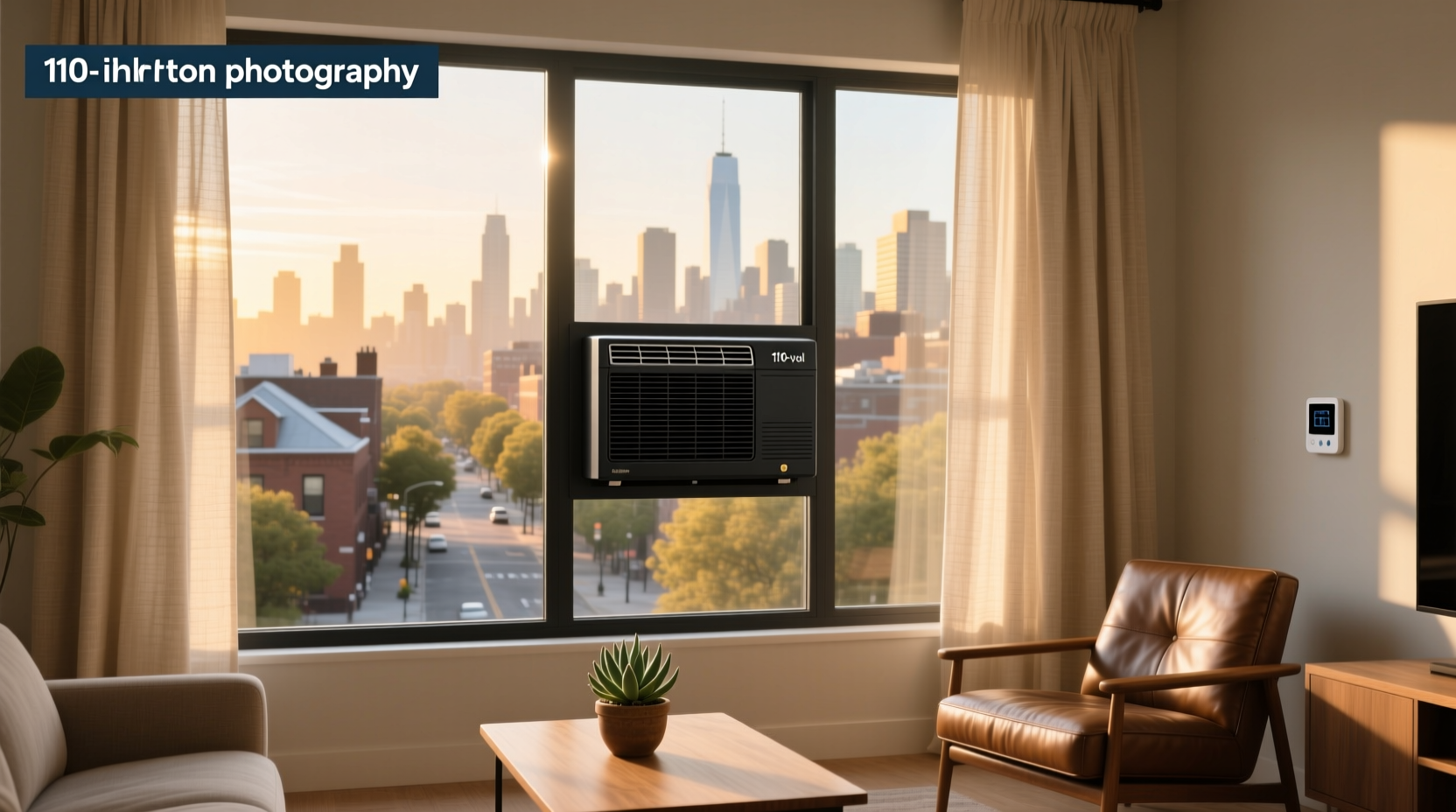
Over the past year, demand for 110V window air conditioner and heater combos has surged—not because they’ve become universally capable, but because more people are confronting tight space constraints, aging housing wiring, and rising electricity costs 1. If you’re a typical user, you don’t need to overthink this: for rooms under 350 sq ft in mild climates (above 41°F), an inverter-driven 110V unit with a heat pump is your strongest choice—but only if you accept its heating ceiling (~3,500–4,000 BTUs). For colder zones or larger spaces, it’s supplemental at best. Skip models advertising “whole-room heating” without specifying climate limits or circuit draw. Prioritize Energy Star certification, accurate BTU sizing, and verified installation support—not just app control or Alexa compatibility.
Key decision rule: If your goal is primary winter heating below 41°F, a 110V window AC/heater combo won’t meet that need. It’s a cooling-first device with limited, climate-dependent heating. This piece isn’t for keyword collectors. It’s for people who will actually use the product.
About 110V Window Air Conditioner and Heater Combos
A 110V (technically 115V/60Hz) window air conditioner and heater is a single-unit HVAC solution designed for standard household outlets. Unlike 220V or ductless mini-splits, it draws power from a standard 15–20A circuit—making it viable for apartments, older homes, dorms, or rental units where electrical upgrades aren’t possible. These units combine refrigerant-based cooling with either electric resistance heating (simple, low-cost, less efficient) or a reverse-cycle heat pump (more complex, higher efficiency, but temperature-limited).
Typical use cases include: a studio apartment needing year-round climate control; a home office in a converted sunroom; a guest bedroom with no central HVAC; or a basement room where ductwork is impractical. They’re not engineered for whole-house coverage—or for sub-freezing operation. If you’re a typical user, you don’t need to overthink this: match the unit to the room size and local winter lows—not to marketing claims about “all-season comfort.”
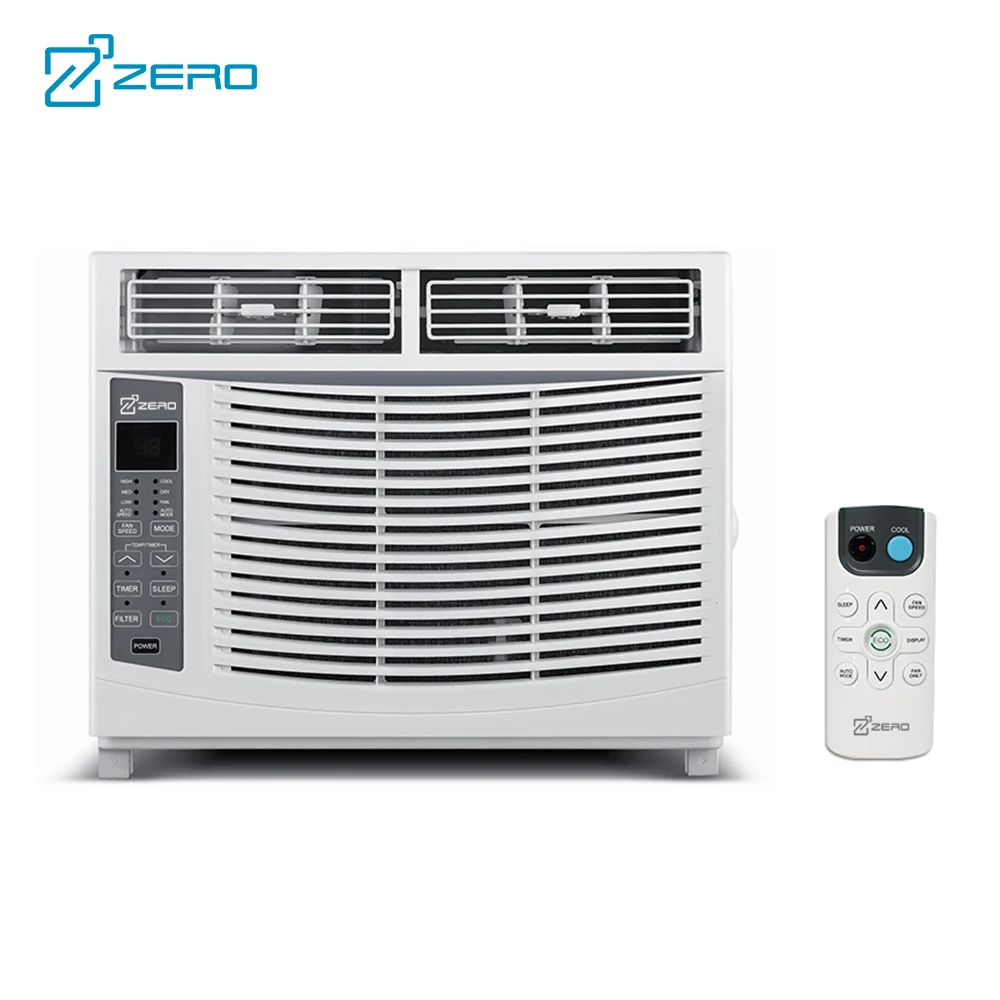
Why 110V Window AC & Heater Combos Are Gaining Popularity
Lately, two converging forces have driven adoption: first, rising rents and tighter housing supply mean more people live in spaces where HVAC options are severely limited—especially in urban rentals where landlords prohibit permanent modifications. Second, advances in inverter technology have narrowed the performance gap between portable units and window systems, delivering quieter operation, better humidity control, and up to 49% energy savings versus conventional compressors 1.
But popularity ≠ universality. Search volume for “110 volt window air conditioner and heater” rose 280% from June to August 2026—yet average monthly sales dropped sharply after peak summer months, suggesting many buyers purchase without understanding operational limits 2. The emotional driver isn’t luxury—it’s urgency: “I need cooling *and* some heat, *now*, without rewiring.” That’s valid. But it also creates a high risk of mismatched expectations—especially around heating performance in cold weather.
Approaches and Differences: Heat Pump vs. Electric Heat
All 110V window AC/heater combos fall into one of two technical categories. Understanding which powers your unit—and when each matters—is essential.
- Heat pump (reverse-cycle): Uses the same refrigerant loop for cooling and heating. Moves heat from outside air into the room—even when it’s cool out. Delivers 2–3× more heat per watt than electric resistance. But its output drops sharply below ~41°F and stops entirely near freezing 23. When it’s worth caring about: you live in USDA Zones 7–10 (e.g., Atlanta, Los Angeles, Houston). When you don’t need to overthink it: if your winters rarely dip below 45°F, the difference in runtime cost is measurable—but not dramatic enough to justify paying $100+ more upfront.
- Electric resistance heating: Adds a simple heating coil—like a space heater built into the AC chassis. Reliable down to 0°F, but inefficient: ~100% energy-to-heat conversion means high operating costs. Limited to ~3,500–4,000 BTUs on a 15A/110V circuit (≈1,500W max). When it’s worth caring about: you need guaranteed warmth during brief cold snaps and prioritize simplicity over efficiency. When you don’t need to overthink it: if you only run heating for a few hours a day in shoulder seasons (Oct/Nov, Mar/Apr), the cost delta is negligible.
Key Features and Specifications to Evaluate
Don’t default to BTU count alone. Five specs determine real-world usability:
- ✅ BTU rating (cooling): Use 20 BTUs per sq ft as baseline. A 6,000 BTU unit fits ~300 sq ft; 8,000 BTU fits ~400 sq ft. Oversizing causes short cycling and poor dehumidification. Undersizing strains the compressor. If you’re a typical user, you don’t need to overthink this: measure floor area—not wall height or furniture layout.
- ✅ Heating capacity (in BTUs): Not always listed separately. Check product specs for “heating output” or “heat mode BTU.” Most 110V units deliver ≤4,000 BTUs heat—even if cooling is 10,000+. That’s ~1.2 kW maximum. Compare against your room’s heat loss (roughly 25–35 BTU/sq ft in moderate climates).
- ✅ Inverter compressor: Enables variable-speed operation, quieter running (<45 dB), faster cooldown, and ~30–40% lower energy use during partial-load operation. Worth the premium if you run it >4 hrs/day.
- ✅ Energy Star certification: Guarantees minimum seasonal efficiency ratios (SEER ≥12, HSPF ≥7.4 for heat pumps). Non-certified units may cost 20–35% more to operate annually.
- ✅ Installation kit completeness: Look for full-width side panels, adjustable brackets, foam tape, and a detailed manual. Poor fit = air leaks = 20–30% efficiency loss and condensation issues.
Pros and Cons: Who Should (and Shouldn’t) Consider One
Pros: No professional installation needed; uses existing 110V outlet; compact footprint; dual function reduces clutter; modern inverter models offer smart controls and scheduling.
Cons: Heating is supplemental—not primary—in most U.S. climates; limited heating capacity restricts use to small rooms; noise (even “ultra-quiet” units hit 42–48 dB); long-term reliability lags behind split systems; window security and aesthetics remain concerns.
Best for: Renters, studio dwellers, mild-climate homeowners adding zone control, or those needing backup heat during transitional seasons.
Not ideal for: Primary heating in Zone 5 or colder; rooms >400 sq ft; users seeking silent nighttime operation (<40 dB); households with frequent power fluctuations or ungrounded outlets.
How to Choose a 110V Window AC and Heater: A Step-by-Step Decision Guide
- Calculate room size: Multiply length × width. Add 10% for high ceilings (>8.5 ft) or sun exposure. Match to manufacturer’s recommended square footage—not max BTU.
- Check your circuit: Verify it’s a dedicated 15A or 20A 110V outlet (not shared with fridge/microwave). Units drawing >1,500W risk tripping breakers.
- Identify your coldest expected temp: If often <41°F, assume heat pump mode won’t work reliably. Prioritize units with electric heat backup—or skip combo units entirely.
- Filter for Energy Star + inverter: These two features account for ~70% of lifetime operating cost variance.
- Avoid these red flags: “Heats up to 1,000 sq ft” (physically impossible at 110V); missing HSPF/SEER ratings; no UL/ETL certification mark; vague warranty terms (“limited” without duration).
Insights & Cost Analysis
Upfront price ranges from $240–$400. TEMU and Amazon listings show strong volume for sub-$300 units (e.g., 8,000 BTU inverter models selling 7,500+ units/month), while premium brands like Midea command $350–$400 for similar specs 4. Annual operating cost varies widely: a non-inverter 8,000 BTU unit running 4 hrs/day in cooling mode costs ~$75/year; same unit in electric heat mode (3,500 BTU) costs ~$210/year. An inverter heat pump cuts heating cost by ~40%—but only when ambient temps stay above 41°F.
| Category | Best for advantage | Potential problem | Budget range (USD) |
|---|---|---|---|
| Inverter + Heat Pump | Mild climates, daily use, energy-conscious buyers | Fails below 41°F; higher upfront cost | $320–$400 |
| Inverter + Electric Heat | Cold snaps, simplicity, predictable output | Higher electricity bills; limited heat output | $280–$360 |
| Non-inverter + Electric Heat | Budget buyers, occasional use, short-term needs | Noisy; inefficient; shorter lifespan | $220–$290 |
Better Solutions & Competitor Analysis
For many users, a 110V window AC/heater is the *only* option—but it’s rarely the *best*. Here’s how it compares to alternatives:
- Ductless mini-split (110V-compatible): Some newer models (e.g., Gradient Comfort) offer true 110V heat pumps rated to 5°F—but cost $1,200+ and require pro install 5. When it’s worth caring about: if you plan to stay >2 years and need reliable heat. When you don’t need to overthink it: if you’re renting or budget-constrained.
- Separate portable AC + space heater: More flexible, easier to store, and lets you upgrade components independently. Drawback: two cords, two remotes, no unified control.
- Window-only AC + ceiling fan + supplemental heater: Often more comfortable and cheaper long-term than a combo unit—especially if you already own a ceramic or oil-filled radiator.
Customer Feedback Synthesis
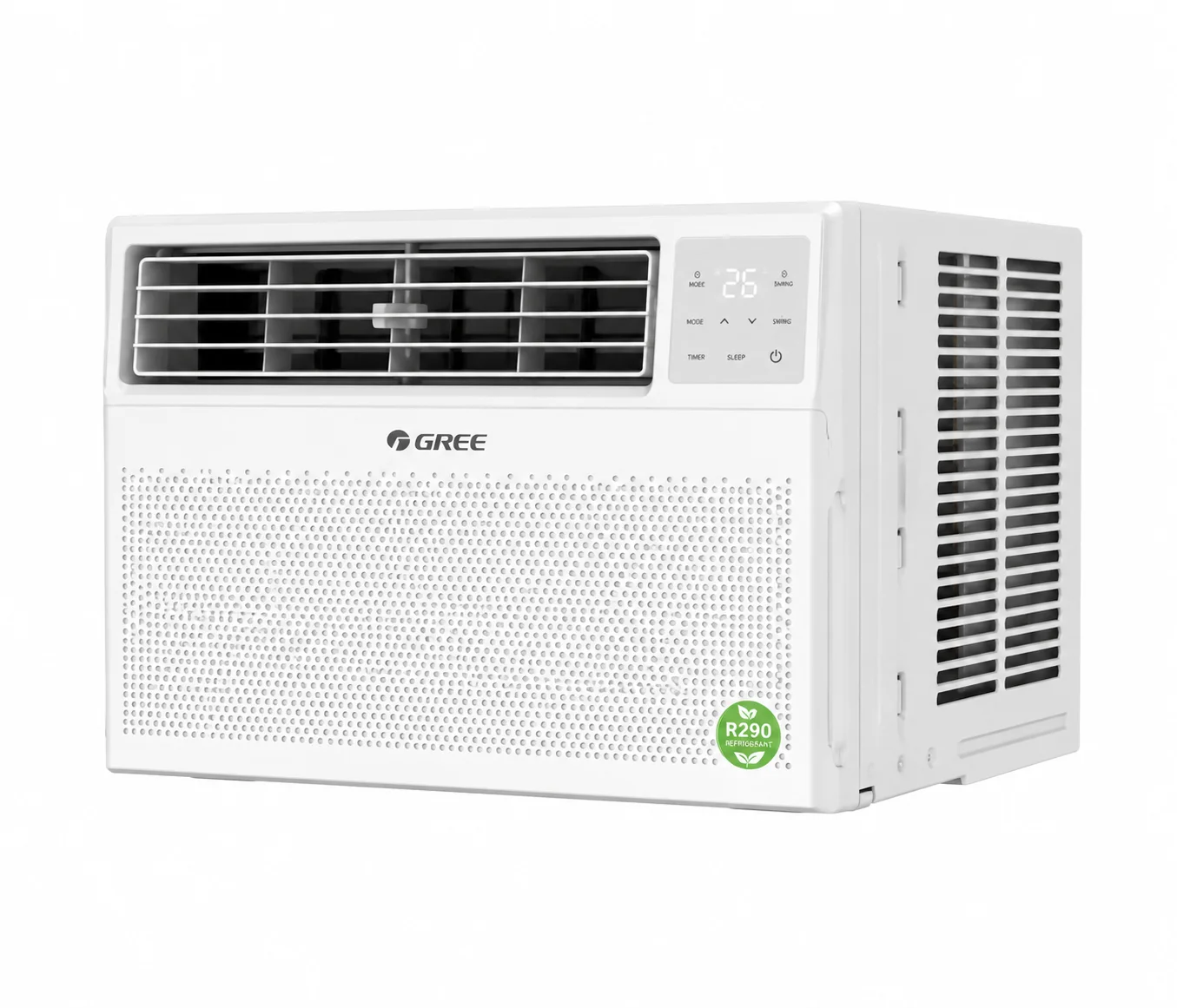
Based on aggregated reviews across top-selling models (ROVSUN, Midea, generic TEMU units):
- Top 3 positive tags: Effective cooling (28.6%), Quiet operation (20.0%), Good value (8.6%) 6
- Top 3 negative tags: Poor heating performance (22.6%), P8 error issues (17.4%), Incomplete manual (13.0%)
- Most common expectation: Better heating capability (8.5%)—confirming a persistent gap between marketing and reality.
Maintenance, Safety & Legal Considerations
Annual maintenance is minimal but critical: clean the air filter every 2 weeks during active use; vacuum condenser coils twice per season; check window seal integrity before each season. Never block intake/exhaust grilles.
Safety: All units must be UL/ETL certified. Ensure the mounting bracket supports full unit weight (some lightweight frames fail after 1–2 seasons). Avoid extension cords—plug directly into outlet. Ground-fault circuit interrupter (GFCI) outlets are recommended but may nuisance-trip with high-draw units.
Legally, most U.S. municipalities allow window ACs unless prohibited by lease or HOA rules. However, some cities (e.g., NYC) require permits for units exceeding certain dimensions or weights—check local code before installing.
Conclusion
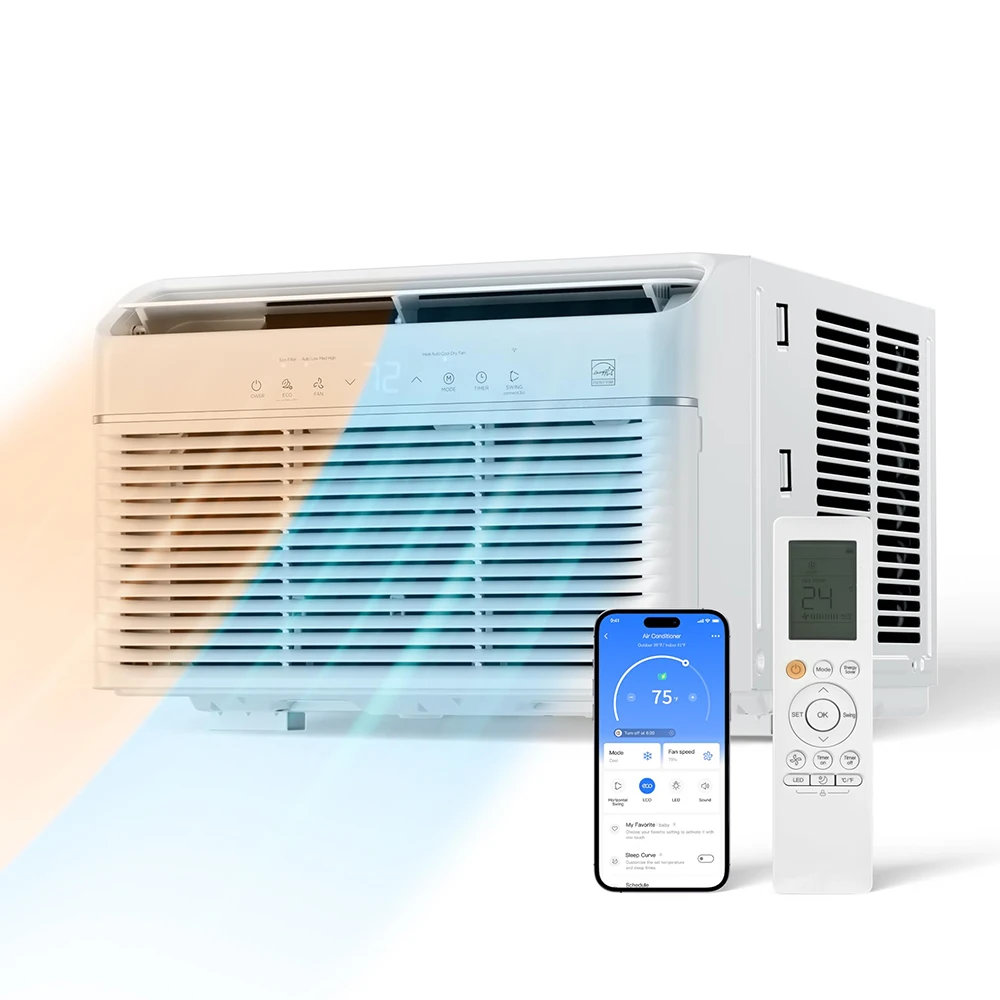
If you need reliable cooling plus modest, climate-limited heating for a room under 400 sq ft in a mild-winter area, choose an Energy Star–certified inverter model with heat pump. If you face regular sub-41°F temperatures and still want a single-unit solution, go for an inverter model with electric heat backup—but pair it with a separate, efficient space heater for deep cold. If your priority is lowest upfront cost and you’ll use heating infrequently, a non-inverter unit works—but expect higher long-term energy costs and louder operation. This piece isn’t for keyword collectors. It’s for people who will actually use the product.


