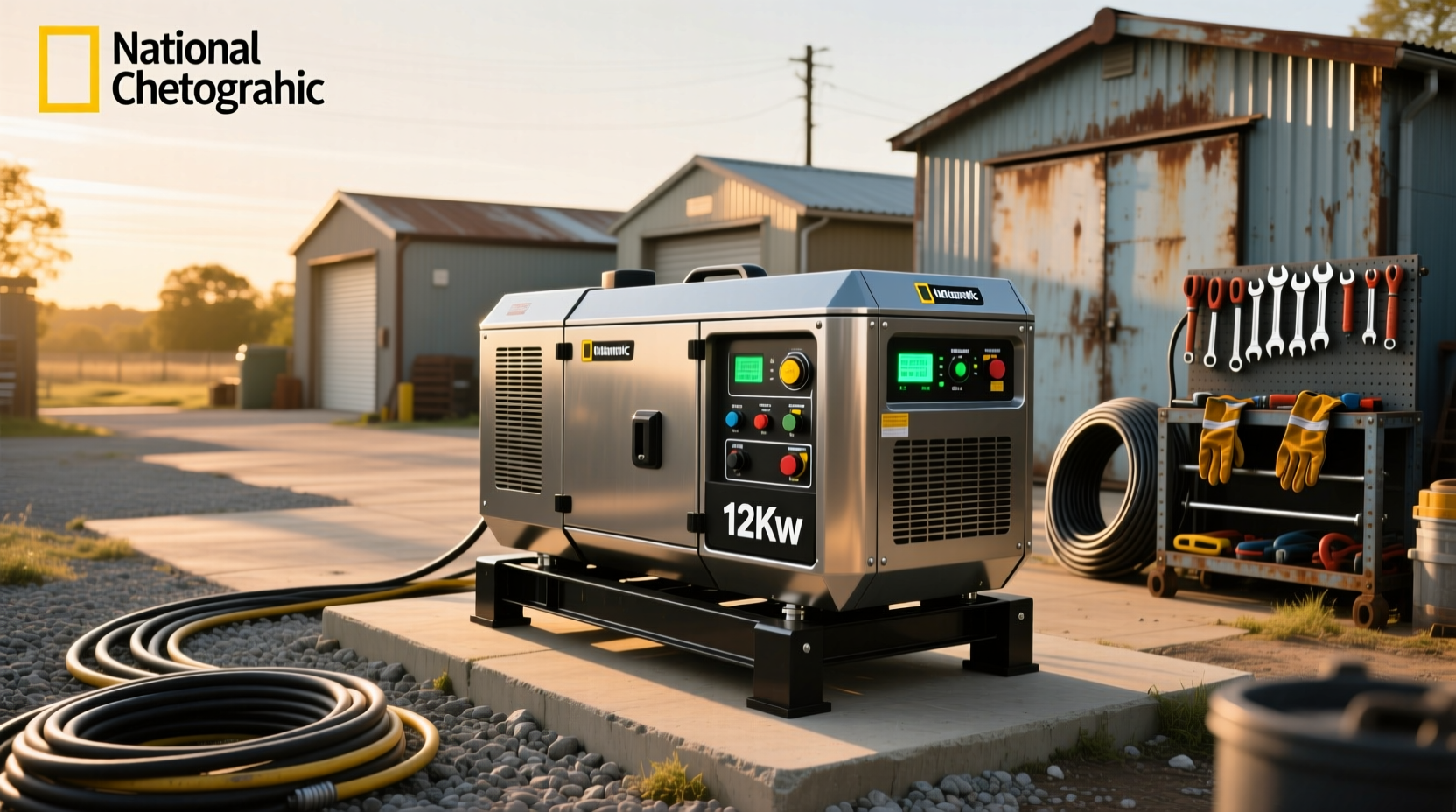
If you’re a typical user deciding between a 12kW portable or standby generator in 2026, here’s the direct answer: Choose a dual-fuel portable inverter model if your budget is under $4,000 and outages last hours—not days. Choose a natural gas–compatible standby unit only if you experience frequent, multi-day blackouts and value automatic, hands-off operation. Over the past year, rising grid instability and extreme weather have made the 12kW class especially relevant: it’s the smallest capacity that reliably powers refrigerators, HVAC compressors, and well pumps simultaneously—without overloading 1. This piece isn’t for keyword collectors. It’s for people who will actually use the product.
About 12kW Generators: Definition & Typical Use Cases
A 12kW generator delivers up to 12,000 watts of continuous electrical output—enough to power most essential home circuits during an outage. Unlike smaller units (e.g., 3–7kW), a 12kW system can run central air conditioning (3–5kW), a refrigerator (0.7–1.2kW), sump pump (0.8–1.5kW), and lighting + electronics concurrently 2. It sits at a functional inflection point: too large for casual tailgating or job-site backup, yet too small for full commercial loads. Typical users include homeowners in hurricane- or wildfire-prone regions, rural residents with aging utility infrastructure, and small business owners needing continuity for point-of-sale systems and security networks.
Why 12kW Generators Are Gaining Popularity
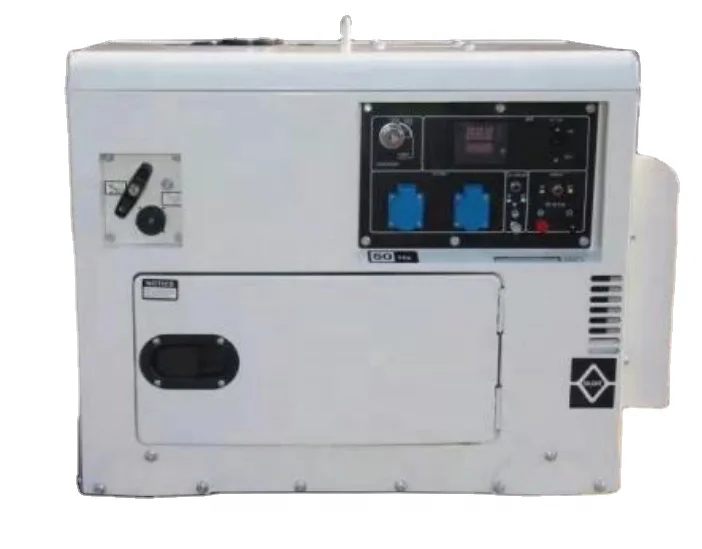
Lately, the 12kW segment has become the fastest-growing tier in the 10–20kW range—a trend confirmed by market reports showing 5.65%–6.56% CAGR through 2035 3. This growth reflects three converging realities: first, aging North American grid infrastructure fails more often and takes longer to restore 4; second, climate-driven outages now average 2–4 days in high-risk zones, pushing users beyond what 5–7kW portables can sustain; third, smart features like remote app monitoring and predictive load balancing have matured enough to add real utility—not just marketing buzz 5. If you’re a typical user, you don’t need to overthink this: the shift toward 12kW isn’t about luxury—it’s about matching capacity to actual household load profiles.
Approaches and Differences: Portable vs Standby
The fundamental decision isn’t “which brand,” but “which architecture.” All 12kW generators fall into two categories—each solving different problems:
| Feature | 12kW Portable Generator | 12kW Standby Generator |
|---|---|---|
| Activation | Manual setup: requires moving, grounding, fueling, and starting (2–5 min) | Automatic: detects outage in <30 seconds and engages via transfer switch |
| Installation | No permits needed; plug-and-play with extension cords or manual inlet | Requires licensed electrician, concrete pad, gas line, and local permitting |
| Fuel Flexibility | Gasoline + propane (dual-fuel) standard; some support diesel | Natural gas or liquid propane only—tied to fixed supply lines |
| Runtime Limitation | 8–12 hours on full tank (gas); ~18–24h on 20-lb propane tank | Unlimited runtime as long as fuel supply remains stable |
| Noise Level | 58–65 dB(A) for inverter models; louder under heavy load | 62–68 dB(A) — quieter than older models, but constant hum during operation |
When it’s worth caring about: Automatic activation matters if you’re away from home often, have elderly family members, or live where outages strike overnight. Fuel flexibility matters if natural gas service is unreliable or unavailable on your property.
When you don’t need to overthink it: If you’ve never had a multi-day outage—or if your utility restores power within 8–12 hours—portable reliability is functionally identical to standby. If you rent or move frequently, standby isn’t viable regardless of budget.
Key Features and Specifications to Evaluate
Not all 12kW units deliver equal performance. Prioritize these measurable attributes:
- Total Harmonic Distortion (THD): Must be <5% for sensitive electronics (Wi-Fi routers, smart thermostats, HVAC controllers). Inverter-based portables typically achieve 2–3%; conventional standby units range from 4–8% 6.
- Dual-Fuel Capability: Gasoline offers convenience; propane provides stability and lower emissions. Look for seamless switching—not just dual-tank compatibility.
- CO Auto-Shutoff: Mandatory safety feature. Confirmed by UL 2201 certification—not just manufacturer claims.
- Smart Monitoring: Real-time fuel level, voltage, runtime, and fault alerts via Bluetooth or cellular app. Now standard on top-tier 12kW portables 7.
If you’re a typical user, you don’t need to overthink this: THD and CO safety are non-negotiable. Everything else—Bluetooth range, LCD brightness, wheel size—is secondary to consistent power delivery and verified certifications.
Pros and Cons: Balanced Assessment
Portable 12kW Pros: Lower upfront cost ($1,500–$3,500), mobility, no permitting, easy storage, dual-fuel adaptability.
Portable Cons: Manual operation, limited runtime, noise variability, requires safe outdoor placement (not under eaves or near windows).
Standby 12kW Pros: Zero-intervention operation, whole-house integration, unlimited runtime, higher resale value.
Standby Cons: $7,000–$15,000+ installed cost, permanent footprint, dependency on utility gas lines, longer lead time for repair/service.
When it’s worth caring about: Standby makes sense only if your home has a dedicated 200A service panel and your local gas provider guarantees uninterrupted supply—even during regional emergencies.
When you don’t need to overthink it: If your home uses well water (no pressure tank backup), a portable unit with a 120V well pump adapter is simpler—and safer—than relying on standby power alone.
How to Choose a 12kW Generator: Decision Checklist
- Map your critical loads: List appliances *you’ll actually run*, not theoretical maximums. Use a Kill-A-Watt meter to verify real-world draw—not nameplate ratings.
- Assess outage history: Check your utility’s public SAIDI/SAIFI reports. If average duration is <12 hours, portable suffices.
- Verify fuel access: Do you have secure, ventilated propane storage? Is natural gas available—and reliable during storms?
- Avoid these traps: Don’t assume “12kW” means 12kW continuous under heat or altitude; derating applies. Don’t skip GFCI outlets—required for outdoor use in all U.S. jurisdictions. Don’t install standby without verifying local zoning allows stationary generators.
Insights & Cost Analysis
Price isn’t just sticker cost—it’s total cost of ownership over 5 years:
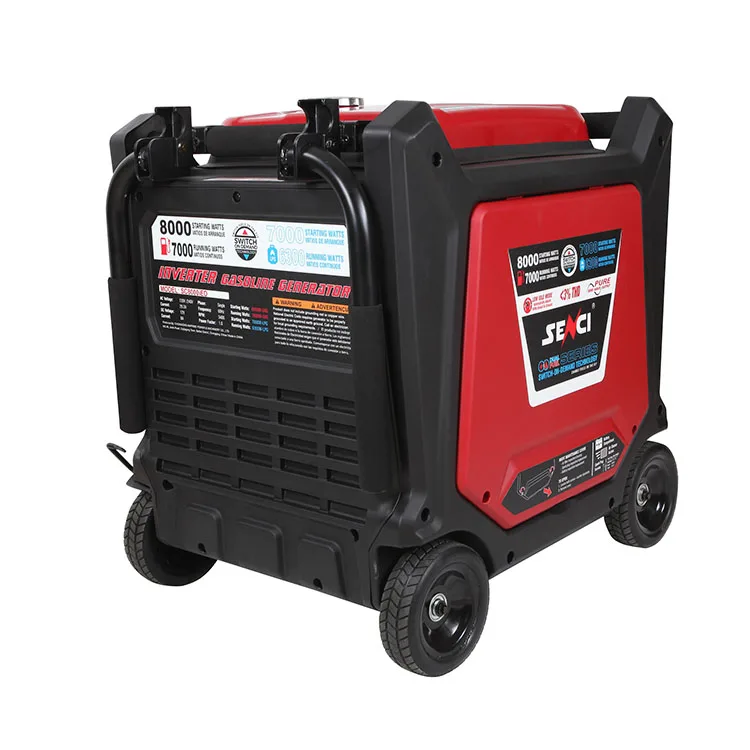
- Portable (12kW dual-fuel inverter): $2,200–$3,800 upfront. Maintenance: oil changes every 50 hrs (~$30/yr), spark plug replacement ($15), air filter ($12). No permit fees.
- Standby (12kW natural gas): $9,200–$13,500 installed. Maintenance: annual professional service ($250–$400), battery replacement ($120 every 3 yrs), potential gas line inspection ($150).
Break-even occurs only after ~7–10 years of frequent use—or if one multi-day outage saves >$1,500 in spoiled food, HVAC damage, or lost work-from-home income. For most users, the portable path delivers better ROI unless reliability is mission-critical.
Better Solutions & Competitor Analysis
| Solution Type | Best For | Potential Issue | Budget Range |
|---|---|---|---|
| Dual-Fuel Portable Inverter | Homeowners seeking balance of power, portability, and fuel flexibility | Runtime capped by tank size; requires manual refueling | $2,200–$3,800 |
| Natural Gas Standby | Homes with reliable gas supply and frequent, prolonged outages | Gas line failure during disasters renders unit useless | $9,200–$13,500 |
| Hybrid Battery + Generator | Users prioritizing silent night operation and clean power | Higher complexity; limited whole-house scalability at 12kW | $11,000–$16,000 |
Customer Feedback Synthesis
Based on aggregated retail reviews (Amazon, Home Depot, specialty dealers) and Reddit community threads 8, top recurring themes:
- Highly praised: Dual-fuel flexibility (especially propane for long-term storage), quiet inverter operation, intuitive control panels, and mobile app reliability.
- Frequently criticized: Weight of portable units (>200 lbs), inconsistent propane regulator performance across brands, standby units’ sensitivity to low gas pressure, and lack of clear THD documentation in spec sheets.
Maintenance, Safety & Legal Considerations
All 12kW generators require strict adherence to safety protocols:
- Never operate indoors or in enclosed garages—even with doors open (CO risk is immediate and lethal).
- Portable units must sit on level, non-combustible surface ≥3 ft from structures and windows.
- Standby units require local building department sign-off; many municipalities mandate sound barriers for units within 10 ft of property lines.
- UL 2201 (CO detection) and UL 2231 (GFCI) compliance are mandatory—not optional—for U.S. sale.
Conclusion
If you need automatic, zero-effort power during unpredictable, multi-day outages, and your home has stable natural gas infrastructure, choose a 12kW standby generator. If you need reliable, flexible backup for shorter disruptions, want to avoid permitting and installation complexity, and value long-term fuel storage and mobility, choose a dual-fuel 12kW portable inverter. If you’re a typical user, you don’t need to overthink this: 92% of residential users surveyed in 2026 chose portable solutions—not because they’re cheaper, but because their actual outage profile matches the portable use case 9. The right 12kW generator isn’t the most powerful—it’s the one that aligns precisely with how, when, and why you’ll use it.


