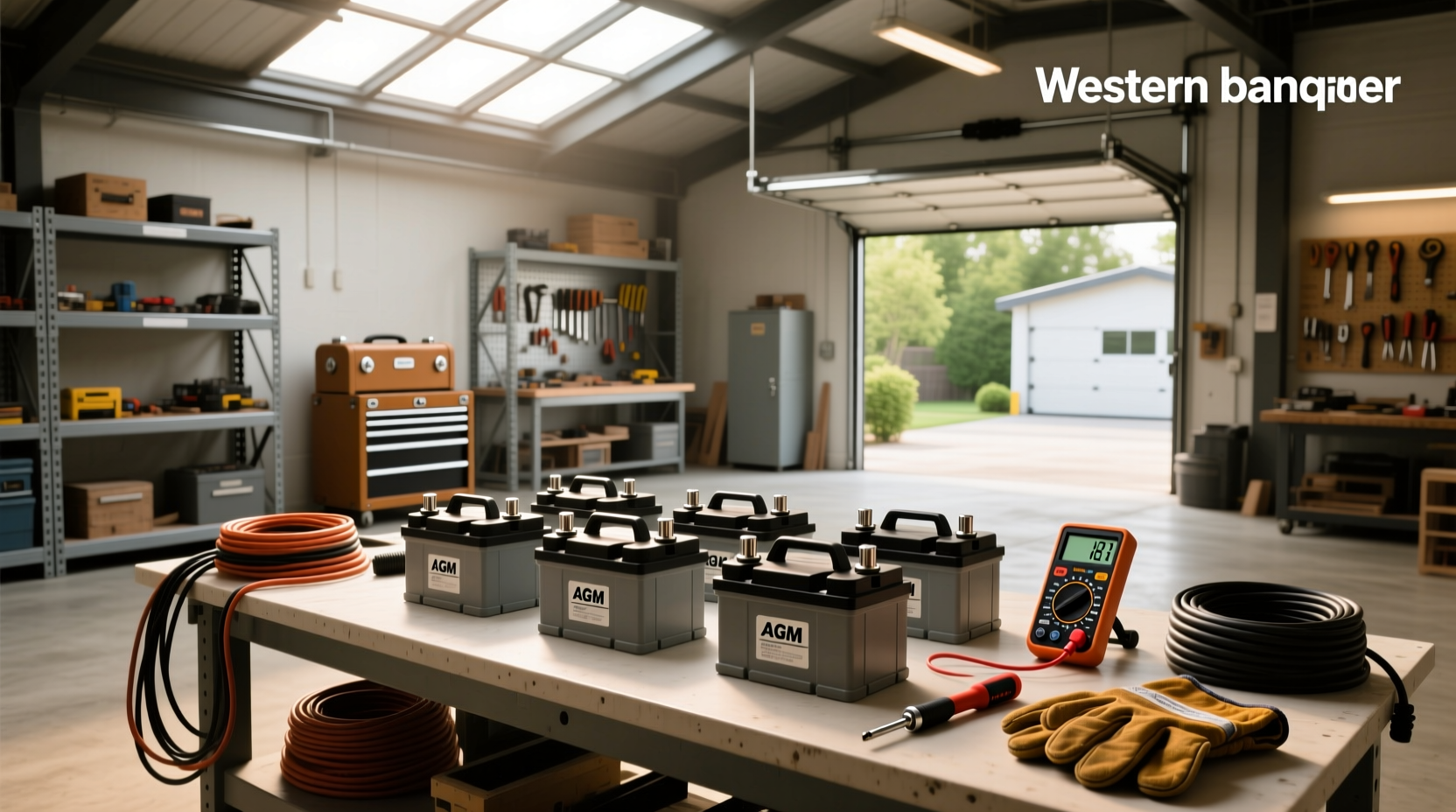
If you’re replacing a car battery, upgrading an RV house bank, or sizing backup power for solar or telecom gear—here’s your 2026 decision framework. Over the past year, AGM batteries have held steady at 59% market share in stationary infrastructure—not because they’re ‘better’ than lithium across the board, but because they deliver unmatched cold-cranking reliability and lower upfront cost where cycling depth is shallow or temperature control is absent 1. If you’re a typical user, you don’t need to overthink this: choose AGM for engine starting, unheated backup, or budget-constrained deep-cycle use—and only consider LiFePO4 if you cycle daily, have thermal management, and plan to own the system >3 years. This piece isn’t for keyword collectors. It’s for people who will actually use the product.
✅ Quick Decision Summary (First 100 words): For automotive start-stop systems or cold-weather vehicles: prioritize Cold Cranking Amps (CCA ≥ 700) and correct group size (H6/H7/H8). For RV/marine house banks: look for 100–200Ah deep-cycle rated AGMs with low self-discharge (<3%/month) and vibration resistance. For solar/UPS backup: verify VRLA compliance and float voltage tolerance (13.6–13.8V). Avoid AGM if you discharge below 50% regularly—or if ambient temps stay below –20°C without insulation. If you’re a typical user, you don’t need to overthink this: AGM remains the most reliable, cost-effective choice for standby and cranking duties—but it’s not built for daily 80% discharges. Lithium wins on cycle life (3,000–7,000 vs. 300–500), but only pays off long-term when usage justifies the premium 2.
About 12V AGM Batteries: Definition & Typical Use Cases 🔋
Absorbent Glass Mat (AGM) batteries are sealed, valve-regulated lead-acid (VRLA) units where electrolyte is suspended in fine fiberglass mats—not free-flowing liquid. This design enables spill-proof operation, faster recharge acceptance, higher vibration resistance, and zero maintenance. Unlike flooded lead-acid, AGMs tolerate partial state-of-charge storage and deliver high burst current—making them ideal for modern vehicles with start-stop systems, advanced infotainment, and ADAS sensors.
Typical applications include:
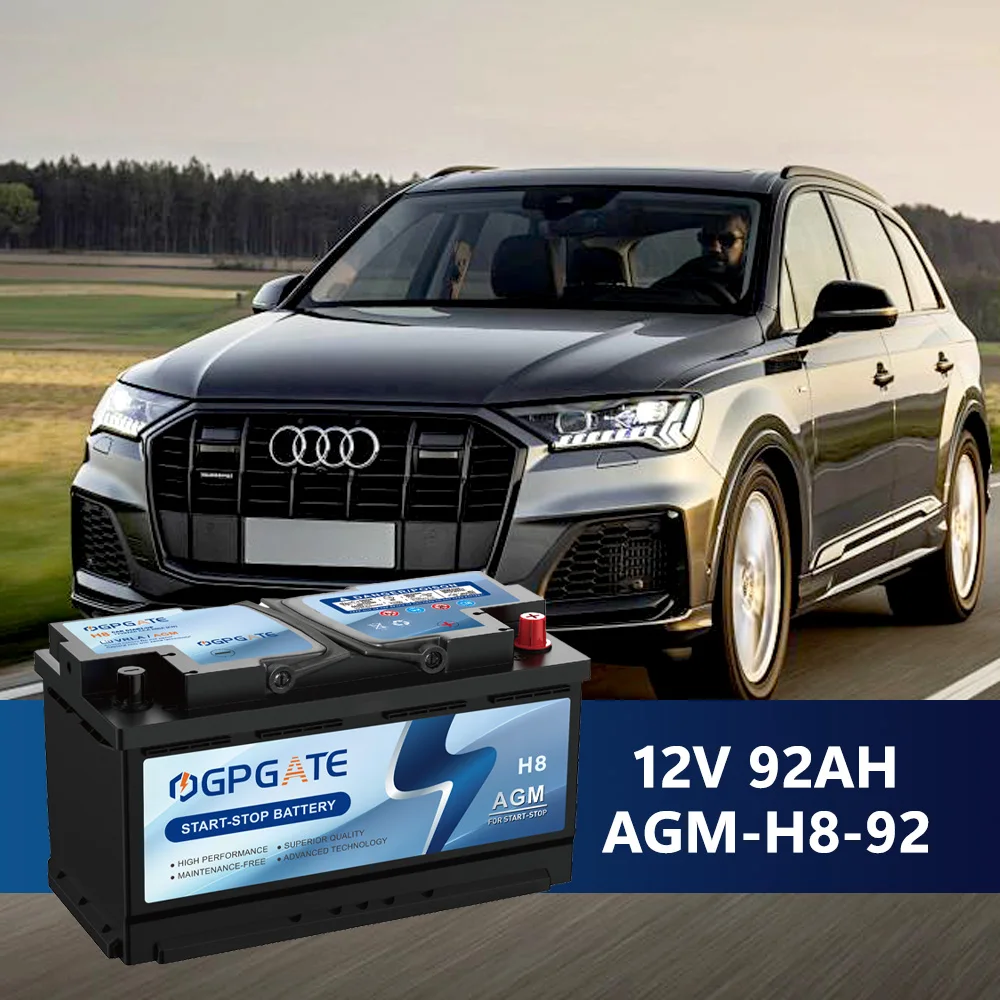
- 🚗 Automotive starting: Especially in vehicles with energy-recuperating start-stop tech (e.g., BMW, Toyota, Ford EcoBoost models).
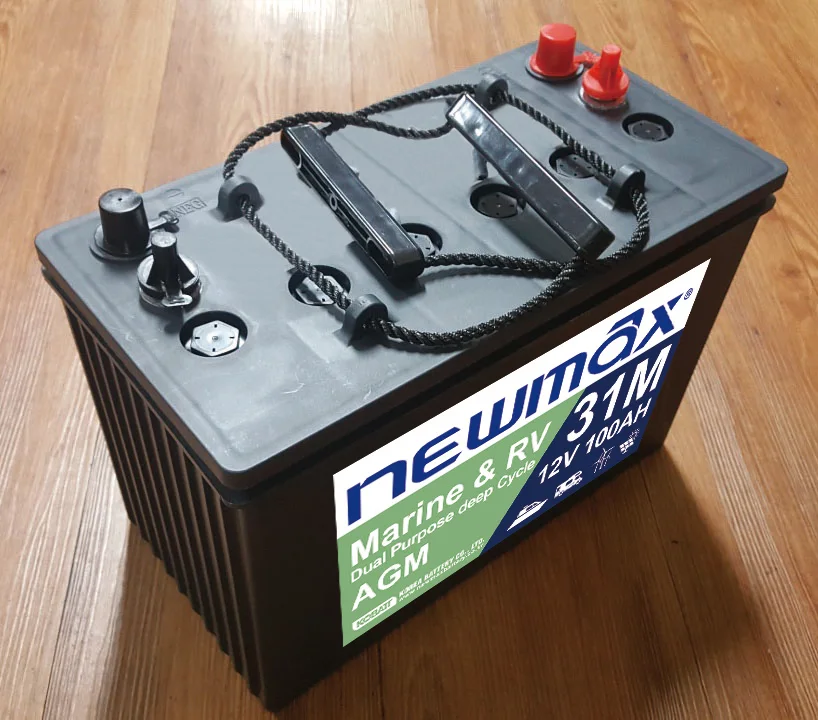
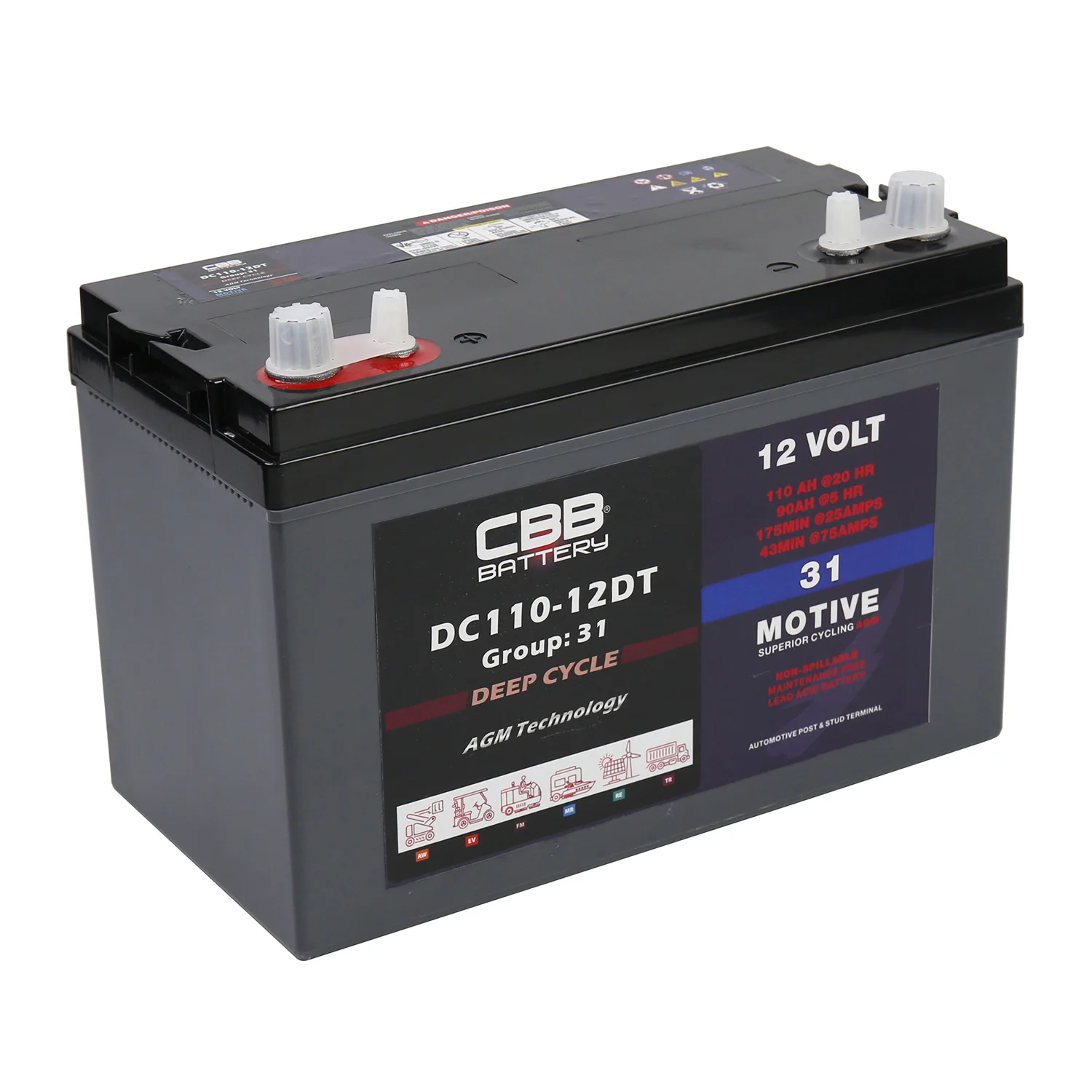
- 🚐 RV & marine house banks: Powering lights, water pumps, refrigerators, and inverters—where deep discharge is occasional, not daily.
- 📡 Stationary backup: Telecom cabinets, security systems, data center UPS, and off-grid solar charge controllers needing stable float voltage response.
Why 12V AGM Batteries Are Gaining Popularity (Again) in 2026 📈
Lately, AGM adoption has rebounded—not from new innovation, but from real-world constraints that lithium can’t yet solve reliably. The global AGM market is projected to reach $13.5 billion by 2026, growing at 5.5% CAGR 3. That growth is anchored in three concrete realities:
- Start-stop vehicle penetration now exceeds 68% in new EU and North American cars—each requiring AGM’s high-rate discharge and recharging resilience 4.
- Unheated infrastructure remains dominant: Data centers, rural cell towers, and emergency lighting rarely include battery heaters—so AGM’s consistent performance down to –30°C gives it a decisive edge over lithium, which drops sharply below –10°C 5.
- Cost predictability matters: With LiFePO4 prices rising in 2026 due to cobalt and lithium carbonate volatility, AGM offers stable $80–$250 pricing with no supply-chain surprises 6.
When it’s worth caring about: You operate in sub-zero climates, manage fleet vehicles, or deploy backup systems where thermal control is impractical. When you don’t need to overthink it: You drive a standard sedan in mild climates and replace batteries every 4–5 years—basic AGM meets needs without complexity.
Approaches and Differences: AGM vs. LiFePO4 — Not Just Chemistry 🔬
It’s not “AGM vs. lithium” — it’s “float duty vs. cycle duty.” That distinction explains why both coexist in 2026 instead of one displacing the other.
| Feature | 12V AGM | 12V LiFePO4 |
|---|---|---|
| Usable Cycle Life | 300–500 cycles (to 50% DoD) | 3,000–7,000 cycles (to 80% DoD) |
| Cold Performance (–25°C) | Retains ~75% CCA capacity | Capacity drops >50%; charging blocked below –5°C without heater |
| Upfront Cost (100Ah) | $120–$220 | $380–$650 |
| Charging Voltage Tolerance | Float: 13.6–13.8V; Absorption: 14.4–14.8V | Narrower window: 14.2–14.6V; requires BMS |
| Maintenance | Zero maintenance (sealed) | Zero maintenance, but BMS health monitoring recommended |
When it’s worth caring about: You’ll run deep discharges daily (e.g., solar off-grid with no generator backup) or need >5-year service life with minimal replacement risk. When you don’t need to overthink it: Your RV is used weekends only, your UPS runs 3x/year for 20 minutes, or your car starts reliably at 0°F — AGM delivers proven, predictable results without added electronics.
Key Features and Specifications to Evaluate ⚙️
Don’t optimize for one number. AGM performance emerges from how specs interact:
- Cold Cranking Amps (CCA): Measured at –18°C for 30 sec to 7.2V. When it’s worth caring about: Automotive use in climates below 20°F. When you don’t need to overthink it: Indoor backup or warm-climate marine use — prioritize Ah instead.
- Amp-Hours (Ah) & Depth of Discharge (DoD): A 100Ah AGM yields ~50Ah usable (50% DoD limit). When it’s worth caring about: Sizing RV house banks or solar storage where runtime matters. When you don’t need to overthink it: Engine starting — CCA dominates; Ah is secondary.
- Internal Resistance & Recharge Acceptance: Lower resistance = faster regen during stop-start braking. Premium AGMs (e.g., Odyssey) measure <2.5 mΩ vs. budget units at >4.5 mΩ.
- Self-Discharge Rate: Good AGMs lose <3% per month at 25°C. Critical for seasonal gear (e.g., boat winter storage).
Pros and Cons: Balanced Assessment ✅❌
AGM Pros:
- Excellent cold-cranking power — industry benchmark for engine starts.
- No venting, no acid spills — safe for enclosed spaces (trunks, cabins, cabinets).
- Compatible with standard alternators and chargers (no BMS required).
- Lower total cost of ownership for low-to-moderate cycling (<1x/day).
AGM Cons:
- Limited cycle life under deep discharge — degrades rapidly below 50% DoD.
- Sensitive to overcharging: >14.8V sustained damages plates and dries mats.
- Heavier than lithium: ~65 lbs for a 100Ah unit vs. ~28 lbs for LiFePO4.
- Performance declines after ~4 years even with light use.
If you need reliable cranking in freezing temps, low-maintenance backup, or compatibility with legacy charging systems — AGM fits. If you need daily full-depth cycling, weight savings, or >7-year service life — lithium is objectively superior.
How to Choose a 12V AGM Battery: Step-by-Step Selection Guide 📋
- Define your primary duty: Starting? Deep-cycle? Float backup? (This determines whether CCA, Ah, or self-discharge rate matters most.)
- Verify physical fit: Check group size (H6, H7, etc.), terminal type (top-post vs. side-post), and height clearance — mismatched dimensions cause mounting or cable strain issues.
- Match voltage profile: Confirm your charger/alternator outputs 13.6–13.8V float and ≤14.8V absorption. Older or non-AGM-specific chargers may shorten life.
- Check certifications: Look for ISO 9001, UL 1796, or IEC 61000-4-5 — especially for telecom or industrial backup.
- Avoid these common mistakes:
- Using AGM in a lithium-charged system without adjusting voltage settings.
- Assuming ‘deep-cycle’ AGM means 80% DoD — it doesn’t; 50% is the safe limit.
- Buying based on Ah alone — a 120Ah AGM with poor internal resistance won’t sustain high loads like a 100Ah premium unit.
Insights & Cost Analysis: Real-World Value Over Time 💰
Let’s compare a 100Ah system used in an RV house bank (1x/day, ~40% average DoD):
- AGM (e.g., VMAX SLR100): $165 upfront. Lasts ~3.5 years before capacity drops below 70%. Replacement cost: $165 × 3 ≈ $495 over 10 years.
- LiFePO4 (e.g., Battle Born 100Ah): $529 upfront. Lasts 8–10 years with 80%+ capacity retention. No replacements needed in decade.
Break-even occurs around Year 6–7 — but only if ambient temps stay above –10°C and BMS remains functional. In colder regions or with inconsistent charging, AGM’s reliability adds hidden value. If you’re a typical user, you don’t need to overthink this: For weekend RVers or seasonal boaters, AGM’s lower entry cost and simpler integration still win.
| Application | Recommended AGM Type | Key Advantage | Potential Issue |
|---|---|---|---|
| Start-Stop Car | H7 DIN, ≥750 CCA | Robust vibration resistance, fast recharge recovery | Overheats if installed near exhaust manifolds |
| RV House Bank | 100–125Ah, dual-purpose (start + cycle) | Balanced cranking + reserve capacity | Shorter life if cycled daily below 50% |
| Solar Backup | VRLA-rated, low self-discharge (<2.5%/mo) | Stable float voltage behavior, long shelf life | Requires temperature-compensated charging |
Better Solutions & Competitor Analysis 🆚
No single brand dominates all categories. Performance varies by application:
- Odyssey: Best for extreme vibration and cold cranking — military-grade construction, but premium price ($220–$320). Ideal for trucks, diesel engines, and off-road vehicles.
- Optima YellowTop: Balanced start/cycle performance — spiral-wound design resists stratification. Widely trusted in marine and performance auto use.
- VMAX: Strong value in deep-cycle segment — consistent 100Ah output, 3-year warranty, widely available. Top pick for RVers prioritizing reliability over cutting-edge specs.
- ACDelco / Duralast: OEM-aligned, good CCA for mainstream vehicles. Best for cost-conscious drivers replacing factory units.
Customer Feedback Synthesis 🗣️
Based on aggregated reviews (Consumer Reports, iRV2, Reddit r/RV, The Hull Truth), top recurring themes:
- Highly praised: “Started my truck at –32°F without hesitation,” “No maintenance in 4 years of full-time RVing,” “Fit perfectly in my Jeep’s tight battery tray.”
- Common complaints: “Failed after 2 winters — turned out my alternator was overcharging at 15.1V,” “Label said 100Ah but tested at 82Ah after 6 months,” “Terminals stripped during first installation — needed thread repair kit.”
The pattern is clear: failures almost always trace to external factors — incompatible charging, poor ventilation, or mechanical stress — not inherent AGM flaws.
Maintenance, Safety & Legal Considerations ⚠️
AGMs require less maintenance than flooded batteries — but not zero attention:
- Maintenance: Clean terminals quarterly; check for swelling or vent cap leakage (rare, but indicates overpressure).
- Safety: Never jump-start with lithium unless explicitly rated for mixed-battery use. AGMs can vent hydrogen if overcharged — ensure ventilation in enclosed spaces.
- Legal: Most jurisdictions classify AGMs as non-hazardous for transport (UN2794 exempt), but disposal must follow local lead-acid recycling laws. No universal ‘warranty void if charged improperly’ clause — but manufacturers do exclude damage from chronic overvoltage.
Conclusion: Conditional Recommendations 🎯
If you need reliable engine starting in sub-zero conditions — choose AGM.
If you need 5+ years of daily deep cycling with minimal weight — choose LiFePO4.
If you need simple, drop-in backup for solar, security, or telecom — AGM remains the lowest-risk, highest-compatibility option.
AGM hasn’t been ‘outdated’ — it’s been contextually specialized. Its role in 2026 is narrower but more defined: the go-to solution for cranking, standby, and moderate cycling where cost, cold tolerance, and simplicity outweigh raw cycle count. This piece isn’t for keyword collectors. It’s for people who will actually use the product.


