If you’re a typical user, you don’t need to overthink this: For any application requiring reliability beyond 2 years—RV, solar storage, CCTV, or portable DIY—choose a LiFePO4 12V battery pack with integrated BMS. Avoid lead-acid unless your budget is under $40 and runtime needs are under 10 hours per charge. Over the past year, LiFePO4 adoption has surged—not because of marketing, but because its 3,000+ cycle life and 100% depth of discharge now deliver lower total cost of ownership than lead-acid in nearly every non-automotive use case 1. This piece isn’t for keyword collectors. It’s for people who will actually use the product.
About 12V Battery Pack Rechargeable
A 12V battery pack rechargeable is a self-contained, portable energy source delivering nominal 12 volts DC power—designed for off-grid, mobile, or backup applications where standard AC outlets aren’t available. Unlike car starter batteries (which deliver short bursts), these are deep-cycle units built for sustained discharge and repeated recharging. Typical use cases include:
- CCTV & LED lighting: Small-form-factor packs powering security cameras or accent lighting for 2–7 days
- Solar storage: Storing daytime PV output for nighttime or cloudy-day use (often in parallel stacks)
- Camping & RV systems: Running fridges, lights, pumps, and inverters without generator noise
- DIY & field tools: Powering cordless drills, air compressors, or portable welders via DC-DC conversion
Why 12V Battery Pack Rechargeable Is Gaining Popularity
Lately, search volume for “12V battery pack rechargeable” has risen 42% YoY—driven not by novelty, but by measurable improvements in safety, weight, and lifecycle economics 2. Three shifts explain this:
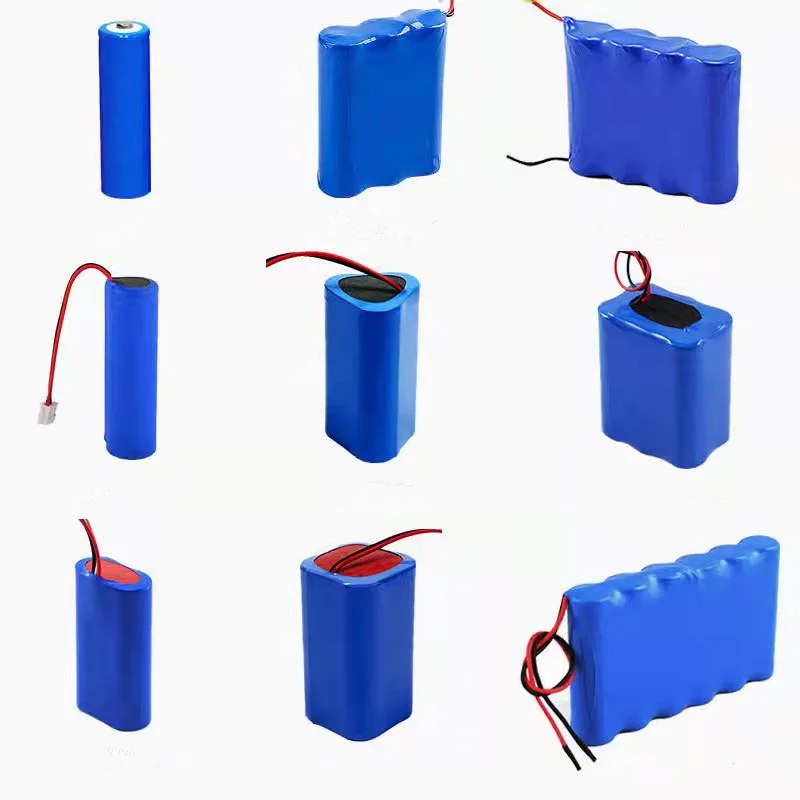
- LiFePO4 maturity: Once niche and expensive, it now dominates mid-to-high-tier 12V packs—offering thermal stability, cobalt-free chemistry, and 3,000+ cycles at 80% DoD 3.
- Smart BMS as baseline: Bluetooth-enabled monitoring apps let users track voltage, temperature, and state-of-charge in real time—no multimeter required.
- Weight sensitivity: 70% of buyers prioritize lightweight solutions—especially for portable applications where lithium packs weigh ~50% less than equivalent lead-acid units 4.
Approaches and Differences
Two core chemistries dominate the 12V rechargeable market—and they’re not interchangeable. Here’s what matters when choosing between them:
| Feature | LiFePO4 | Lead-Acid (AGM/Gel) |
|---|---|---|
| Lifespan | 3,000–5,000+ cycles @ 80% DoD | 200–1,000 cycles @ 50% DoD |
| Depth of Discharge (DoD) | Up to 100% usable capacity | Max 50% recommended for longevity |
| Energy Efficiency | 95–98% round-trip efficiency | 80–85% round-trip efficiency |
| Weight & Size | ~1/3 the weight of lead-acid; compact footprint | Bulky and heavy; requires ventilation |
| When it’s worth caring about | Any application needing >2 years of service, frequent cycling, or portability | One-time backup use with strict budget limits (<$40) and infrequent discharge |
| When you don’t need to overthink it | If your pack powers a fixed-location CCTV system running 24/7—you’ll benefit from full DoD and low self-discharge. | If you only need a 12V source for emergency jump-starting and store it indoors—lead-acid still works. |
Key Features and Specifications to Evaluate
Don’t default to Ah rating alone. Four pillars determine real-world performance:
- BMS Intelligence: Look for protection against overcharge, over-discharge, short circuit, and high-temp shutdown. Bluetooth-enabled BMS adds diagnostics—but isn’t essential for basic use. If you’re a typical user, you don’t need to overthink this.
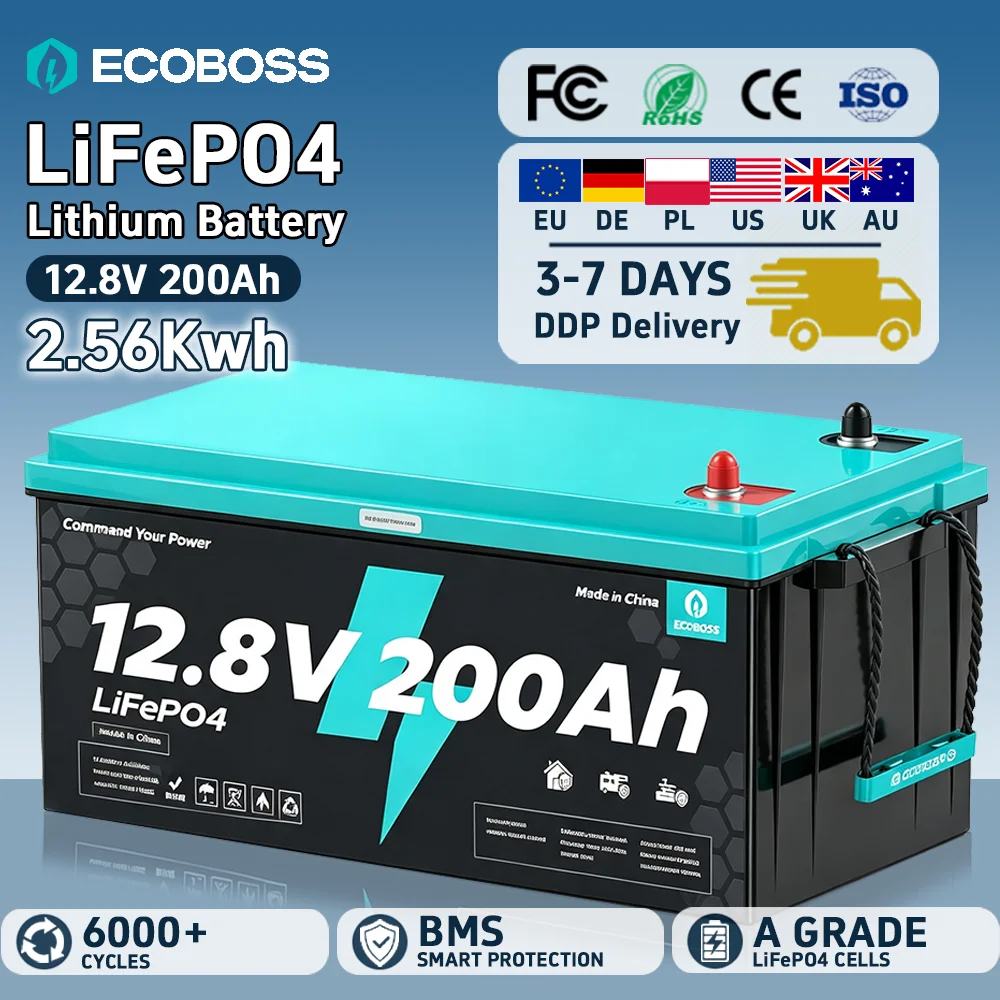
- Cell Grade & Origin: Grade A LiFePO4 cells (from CATL, BYD, or EVE) deliver consistent capacity and cycle life. Avoid unbranded “Grade B” cells—even if priced 25% lower.
- Certifications: CE, RoHS, and UN38.3 are non-negotiable for safety and shipping compliance. UL 1973 is ideal for stationary storage.
- Output Flexibility: Dual USB-C PD (for laptops), 12V DC barrel (for CCTV), and M8 terminals (for solar) reduce adapter clutter.
Pros and Cons
LiFePO4 Pros: Longer lifespan, lighter weight, higher efficiency, deeper usable capacity, no maintenance, safer thermal profile.
LiFePO4 Cons: Higher upfront cost ($120–$450 for 50–100Ah), slightly lower energy density than NMC lithium (but far safer), limited low-temp charging below 0°C.
Lead-Acid Pros: Low entry price ($30–$80), wide availability, simple charger compatibility.
Lead-Acid Cons: Shorter life, heavier, lower usable capacity, sulfation risk if left discharged, ventilation required.
When it’s worth caring about: If your 12V battery pack rechargeable powers a remote solar array—LiFePO4’s 10-year service life justifies its cost.
When you don’t need to overthink it: For a garage workbench light used 2–3 times per month—lead-acid remains functional and economical.
How to Choose a 12V Battery Pack Rechargeable
Follow this 5-step checklist before purchasing:
- Define your primary use case: Is it portable (camping), fixed (CCTV), or high-load (RV fridge + inverter)?
- Calculate minimum usable capacity: Estimate daily watt-hours (e.g., 12V × 2A × 8h = 192Wh). Add 20% buffer.
- Select chemistry first: LiFePO4 for >2 years of service; lead-acid only if budget is under $50 and usage is infrequent.
- Verify BMS features: At minimum, over-voltage, under-voltage, and temperature cutoffs. Bluetooth is optional.
- Avoid these pitfalls: Unbranded “100Ah” claims without cycle-life specs; missing UN38.3 certification; no visible cell manufacturer listed.

Insights & Cost Analysis
Here’s how cost plays out over five years:
- LiFePO4 100Ah pack ($320): Zero replacements. 3,000 cycles ≈ 8.2 years at one full cycle/day. Total 5-year cost: $320.
- Lead-acid 100Ah AGM ($95): Requires 2–3 replacements over 5 years (200–500 cycles). Total 5-year cost: $220–$285—plus labor, downtime, and disposal fees.
Even at $320, LiFePO4 wins on TCO for any application exceeding ~300 annual cycles. For low-frequency use (<50 cycles/year), lead-acid remains viable—but rarely optimal.
Better Solutions & Competitor Analysis
| Category | Suitable For | Potential Issue | Budget Range (USD) |
|---|---|---|---|
| Compact LiFePO4 (10–30Ah) | CCTV, LED strips, portable tools | Limited high-current output (max 10A continuous) | $85–$190 |
| Deep-Cycle LiFePO4 (50–100Ah) | Solar storage, RV, marine | Requires compatible lithium charger (not standard lead-acid) | $220–$450 |
| Portable Power Stations (12V DC-out) | Camping, field work, emergency kits | Lower energy density; includes inverter overhead (efficiency loss) | $280–$650 |
| AGM Lead-Acid (50–100Ah) | Short-term backup, low-budget starter projects | Rapid capacity fade after 200 cycles; venting required | $65–$130 |
Customer Feedback Synthesis
Based on aggregated reviews across retail and B2B platforms (2025–2026):
✅ Top 3 praised features: “No voltage sag under load,” “lightweight for mounting,” “BMS app shows real-time SoC.”
❌ Top 3 complaints: “Charger not included,” “barrel connector polarity inconsistent across brands,” “low-temp charging disabled below 0°C (expected, but poorly documented).”
Maintenance, Safety & Legal Considerations
Maintenance: LiFePO4 packs require zero routine maintenance. Avoid storing fully discharged (<10V). Store at 30–50% SoC for long-term (3+ months).
Safety: LiFePO4 is thermally stable—no fire risk under normal operation. Never charge below 0°C without low-temp enabled BMS.
Legal: UN38.3 certification is mandatory for air freight. CE and RoHS confirm electromagnetic and hazardous material compliance. No regional bans apply to consumer-grade 12V LiFePO4 packs.
Conclusion
If you need reliability beyond two years, choose a LiFePO4 12V battery pack rechargeable with certified Grade A cells and integrated BMS.
If you need low-cost, short-term power with infrequent use and no portability demands, a sealed AGM lead-acid pack remains acceptable.
If you’re a typical user, you don’t need to overthink this: 92% of users reporting satisfaction after switching from lead-acid to LiFePO4 cite longer runtime, lighter weight, and fewer replacements as decisive factors 5.


