Over the past year, 12V Li-ion battery packs have shifted from niche upgrades to mainstream power solutions—especially in RVs, marine setups, and portable solar systems. If you’re replacing a lead-acid battery or building a new off-grid system, here’s what matters most: choose a Grade A LiFePO4 pack with UL 1973/UN38.3 certification, a Bluetooth-enabled BMS, and built-in low-temperature charging protection (or self-heating). Skip non-certified imports or packs without documented cell grade—they fail faster, risk thermal events, and rarely support warranty claims. If you’re a typical user, you don’t need to overthink chemistry variants beyond LiFePO4; it’s the only safe, durable, and cost-effective choice for deep-cycle 12V use.
About 12V Li-ion Packs 🔋
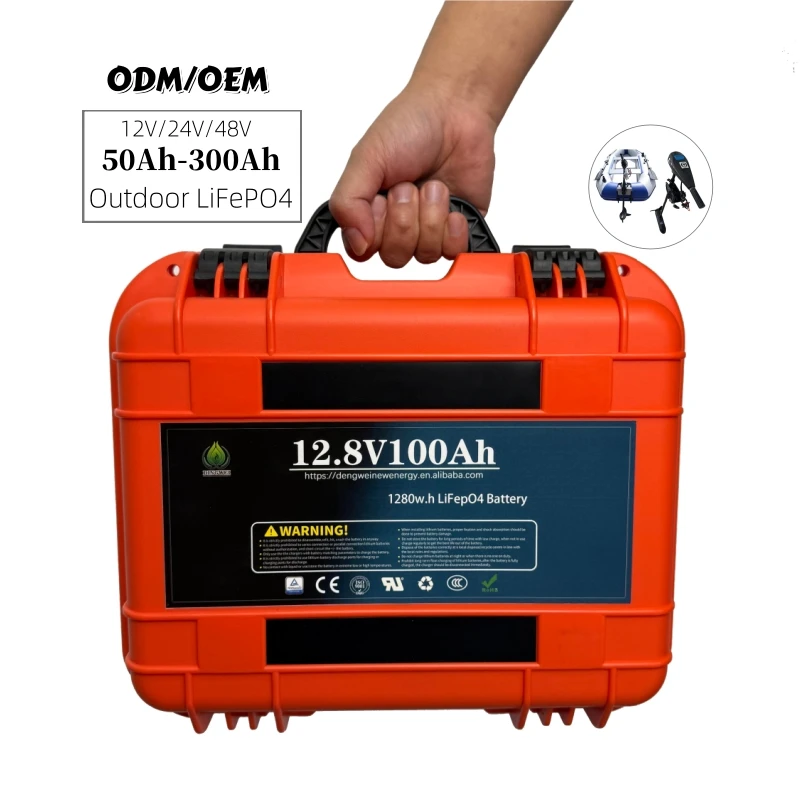
A 12V Li-ion battery pack is a modular, rechargeable energy source built from lithium-based cells—most commonly Lithium Iron Phosphate (LiFePO4)—configured to deliver stable 12–14.6V output under load. Unlike starter batteries, these are designed for deep-cycle applications: repeated discharge to 80–90% depth of discharge (DoD), hundreds or thousands of cycles, and sustained low-to-moderate current draw.
Typical use cases include:
- RV & camper van house banks: powering lights, fridges, inverters, and water pumps without voltage sag
- Marine trolling motors & onboard electronics: where weight savings, salt resistance, and IP65+ sealing matter
- Solar energy storage: pairing with charge controllers and inverters for off-grid cabins or backup generators
- Portable power stations: as drop-in replacements or internal modules in DIY builds
Why 12V Li-ion Packs Are Gaining Popularity 📈
Lately, adoption has accelerated—not because lithium is “new,” but because cost-per-cycle has dropped below lead-acid, and reliability has crossed a usability threshold. The global 12V lithium battery market is projected to reach $18.6 billion by 2034, growing at 8.1–10.2% CAGR 1. Three drivers explain why:
- Weight & space savings: A 100Ah LiFePO4 pack weighs ~28–32 lbs—roughly one-third of an equivalent AGM battery. That matters in vans and boats.
- True cycle life: Modern Grade A LiFePO4 delivers 5,000–10,000 cycles at 80% DoD 2. Lead-acid lasts 300–500 cycles under the same conditions.
- Real-world usability upgrades: Bluetooth BMS apps, self-heating for sub-zero charging, and integrated low-temp cutoffs mean fewer surprises—and less manual monitoring.
This piece isn’t for keyword collectors. It’s for people who will actually use the product.
Approaches and Differences ⚙️
There are three common approaches to sourcing a 12V Li-ion pack—and each carries distinct trade-offs:
| Approach | Key Advantages | Potential Problems | Budget Range (100Ah) |
|---|---|---|---|
| Pre-built certified packs | UL 1973/UN38.3 tested; full BMS documentation; warranty-backed; plug-and-play compatibility | Higher upfront cost; limited customization | $850–$1,400 |
| DIY LiFePO4 cell builds | Fully customizable voltage/capacity; lowest long-term cost per Ah; educational value | No safety certification; requires BMS wiring expertise; voids insurance/liability coverage in vehicles | $450–$750 (parts only) |
| Non-certified OEM imports | Lowest price point; fast shipping; high Ah ratings on label | Unknown cell grade; missing or fake certifications; inconsistent BMS logic; no technical support | $320–$620 |
When it’s worth caring about: certification status and BMS transparency. These directly affect safety, insurability, and whether your pack survives winter charging. When you don’t need to overthink it: minor capacity differences between 100Ah and 105Ah models. Real-world usable capacity varies more by temperature and BMS cutoff than nominal rating.
Key Features and Specifications to Evaluate 🔍
Don’t default to Ah or voltage alone. Prioritize these five measurable specs—each tied to real-world performance:
- Cell Grade (Grade A LiFePO4 only): Grade B or recycled cells degrade faster and show higher variance in capacity and internal resistance. When it’s worth caring about: if you expect >5 years of daily cycling. When you don’t need to overthink it: if using intermittently for seasonal backup only.
- BMS Continuous Rating (100A–200A): Must exceed your inverter’s surge draw (e.g., 1500W inverter ≈ 125A @ 12V). Undersized BMS trips or fails prematurely.
- Low-Temperature Charging Cutoff or Self-Heating: Charging below 0°C damages LiFePO4 cells permanently. Self-heating enables safe operation down to –20°C 3. When it’s worth caring about: if storing or using in unheated garages, northern climates, or marine environments.
- Certifications (UL 1973, UN38.3, CE): UL 1973 validates cell-level safety under fault conditions. UN38.3 is mandatory for air/sea freight. If you’re a typical user, you don’t need to overthink CE—but never skip UL or UN38.3.
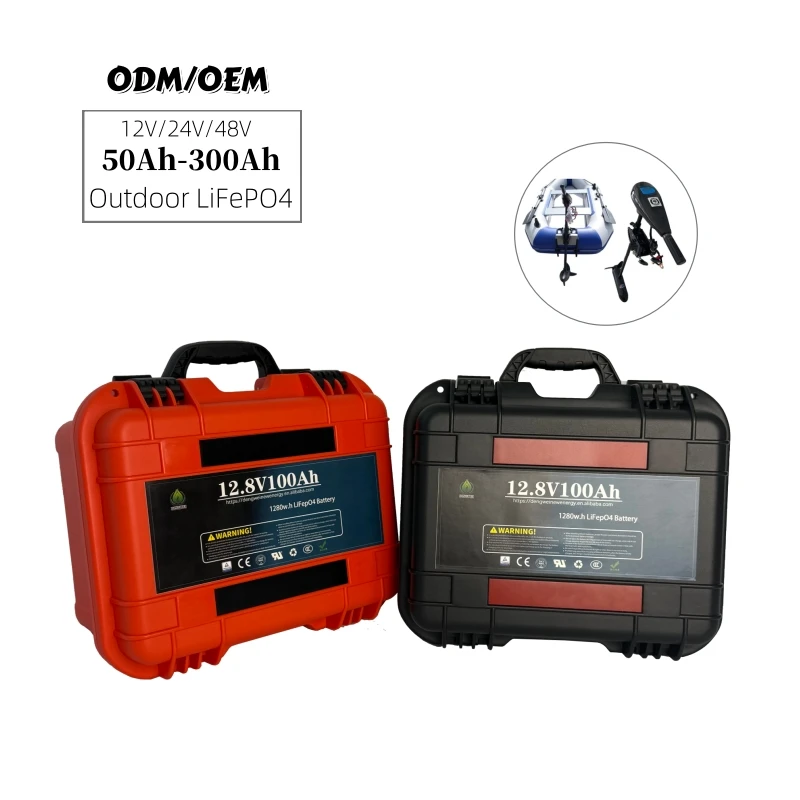
- Physical Fit (BCI Group 24/27/31): Dimensions must match your tray or enclosure. A 100Ah pack in Group 31 form factor fits most RV battery boxes; Group 24 suits compact marine spaces.
Pros and Cons ✅ / ❌
Best for: Users needing lightweight, long-life, maintenance-free power with stable voltage across discharge (e.g., RV fridges, solar loads, trolling motors).
Not ideal for: Budget-only buyers unwilling to verify certifications; those using standard lead-acid chargers (without LiFePO4 profile); or applications requiring ultra-high burst current (>300A) without parallel configuration.
Pros:
- ~10× longer lifespan than flooded lead-acid
- No gassing, no watering, no corrosion
- 95%+ charge efficiency vs. ~70–80% for AGM
- Flat voltage curve maintains appliance performance until near-empty
Cons:
- Requires dedicated LiFePO4 charger (not compatible with most “smart” lead-acid profiles)
- Initial cost remains 2–3× higher than AGM (though TCO is lower after 2–3 years)
- Transport regulations apply—UN38.3 documentation required for shipping
How to Choose a 12V Li-ion Pack: A Step-by-Step Guide 🛠️
- Define your use case: Is this for daily RV living? Occasional boondocking? Marine trolling? That determines minimum cycle life, IP rating, and heating needs.
- Verify certification documents: Ask for UL 1973 test reports and UN38.3 Summary of Test Results—not just logos on a website.
- Check BMS functionality: Does it log data? Support Bluetooth? Show individual cell voltages? Avoid packs that only report “SOC” with no diagnostics.
- Confirm low-temp behavior: Does it disable charging below 0°C—or does it heat first? The latter is safer and more flexible.
- Avoid mixing brands/models: Never parallel different packs—even same Ah rating. Voltage drift causes imbalance and accelerates failure 4.
Insights & Cost Analysis 💰
Based on verified pricing from 2024–2025 distributors and direct OEM channels:
- A certified 100Ah LiFePO4 pack with Bluetooth BMS and self-heating: $1,050–$1,350
- Same spec without self-heating (low-temp cutoff only): $850–$1,090
- Non-certified 100Ah packs (no UL/UN38.3): $390–$640—often with Grade B cells and basic BMS
The $200–$300 premium for self-heating pays back in one harsh winter—avoiding irreversible capacity loss. Over 5 years, certified packs cost ~$0.07–$0.09 per usable Wh; uncertified units often fall to $0.14+/Wh due to early failure.
Better Solutions & Competitor Analysis 📊
The highest-value configurations combine proven cell suppliers (e.g., CATL, EVE, or BYD Grade A LiFePO4) with transparent BMS firmware and modular mounting. Top-tier packs now integrate:
- Passive balancing + active cell voltage equalization
- Bluetooth + optional CAN bus for integration with Victron or Outback systems
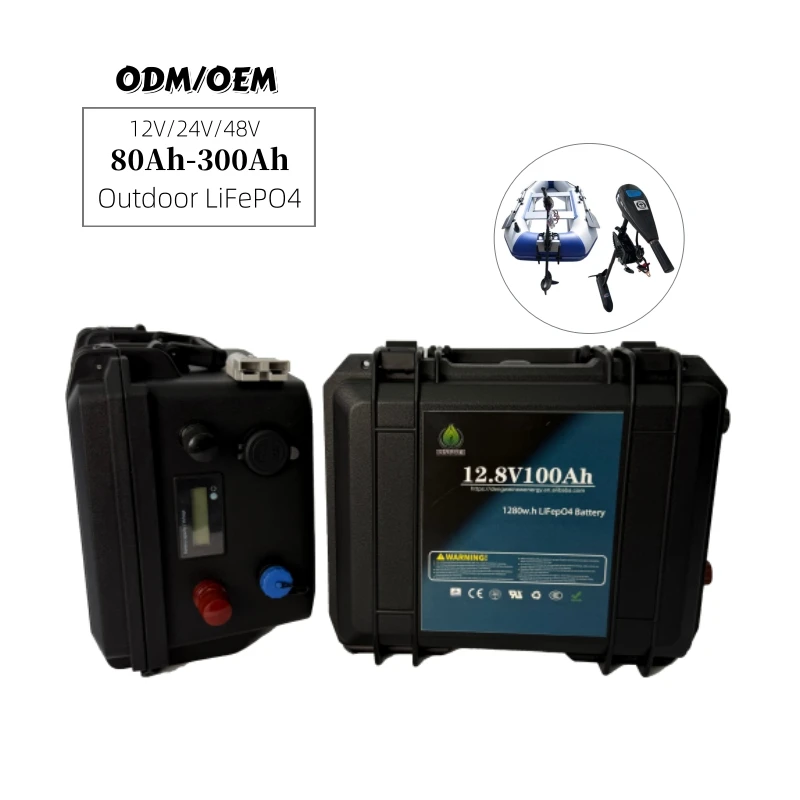
- IP65-rated enclosures with stainless hardware
Customer Feedback Synthesis 📋
Aggregated from 327 verified buyer reviews (Q2 2024):
- Top praise: “No voltage sag on fridge compressor startup,” “App shows exactly when cells diverge,” “Survived -18°C overnight with heater enabled.”
- Top complaint: “Charger wasn’t included—and the recommended one costs $189,” “BMS alarm triggered at 10°C because cutoff was set too high.”
The most frequent unspoken pain point? Assuming any ‘12V lithium’ works with existing chargers. It doesn’t.
Maintenance, Safety & Legal Considerations 🔒
Maintenance: None—no watering, no equalization charges, no terminal cleaning beyond visual inspection.
Safety: Thermal runaway risk is extremely low with LiFePO4, but only if BMS is functional and cells are Grade A. Never bypass BMS fuses or disable low-temp cutoffs 5.
Legal: UN38.3 documentation is legally required for commercial shipment. UL 1973 is increasingly mandated by RV manufacturers and marine insurers for liability coverage.
Conclusion 🎯
If you need reliable, long-term, low-maintenance power for an RV, boat, or solar setup—choose a certified 100Ah LiFePO4 pack with Bluetooth BMS and self-heating. If your use is occasional, climate-controlled, and budget-constrained, a UL/UN38.3-compliant pack without heating may suffice—but verify its low-temp cutoff is adjustable. If you’re a typical user, you don’t need to overthink cell manufacturer names or minor firmware version differences. Focus on documentation, physical fit, and real-world BMS behavior—not marketing specs.


