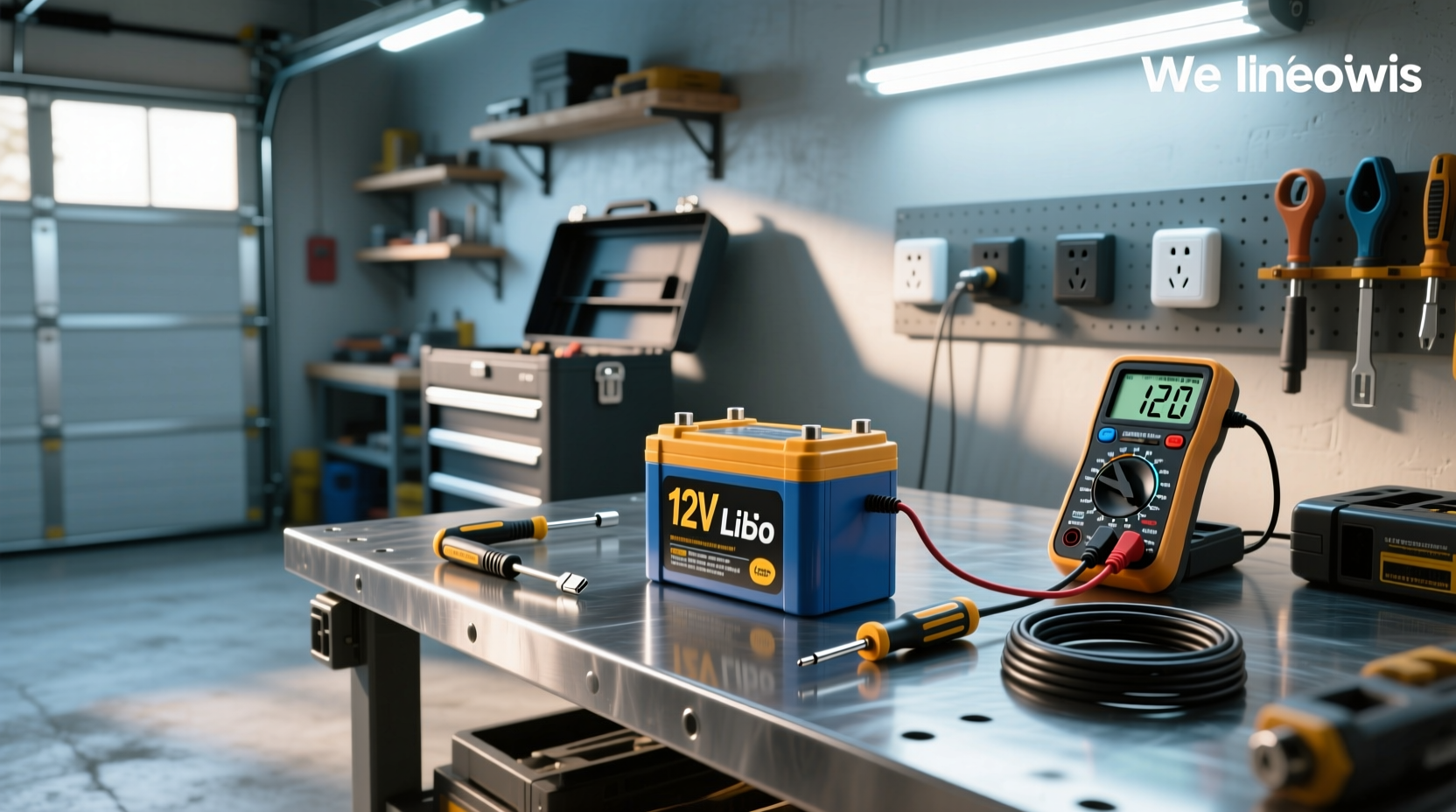
If you’re using a 12V LiPo battery for RC drones, FPV racing, or portable jump starters — keep it. If you’re powering an RV, marine system, or motorcycle starter — switch to LiFePO4. That’s the decisive split shaping real-world decisions in 2026. Over the past year, the market has hardened this distinction: LiPo now dominates only where weight and burst power are non-negotiable, while LiFePO4 captures everything else demanding safety, longevity, and stability. What changed? A surge in high-rate (60C–100C) specialized cells for industrial UAVs 1, coupled with wider adoption of intelligent BMS with thermal monitoring 2. If you’re a typical user, you don’t need to overthink this: match chemistry to function — not marketing labels. This piece isn’t for keyword collectors. It’s for people who will actually use the product.
About 12V LiPo Batteries: Definition and Typical Use Cases
A “12V LiPo” battery is almost always a 3S (3-cell series) lithium polymer pack with a nominal voltage of 11.1 V (fully charged at ~12.6 V, discharged at ~9.0 V). It’s not a true 12V drop-in replacement for lead-acid or LiFePO4 — its voltage curve is steeper, and its chemistry is inherently more volatile. Unlike LiFePO4 (which delivers stable 12.8 V across 80% of its discharge), LiPo’s voltage drops steadily, requiring compatible devices with wide input ranges or built-in regulation.
Typical applications fall into three tightly defined categories:
- 🔋 RC & FPV Drones: Where every gram matters — flight time, agility, and throttle response depend on high energy density (>160 Wh/kg) and low internal resistance.
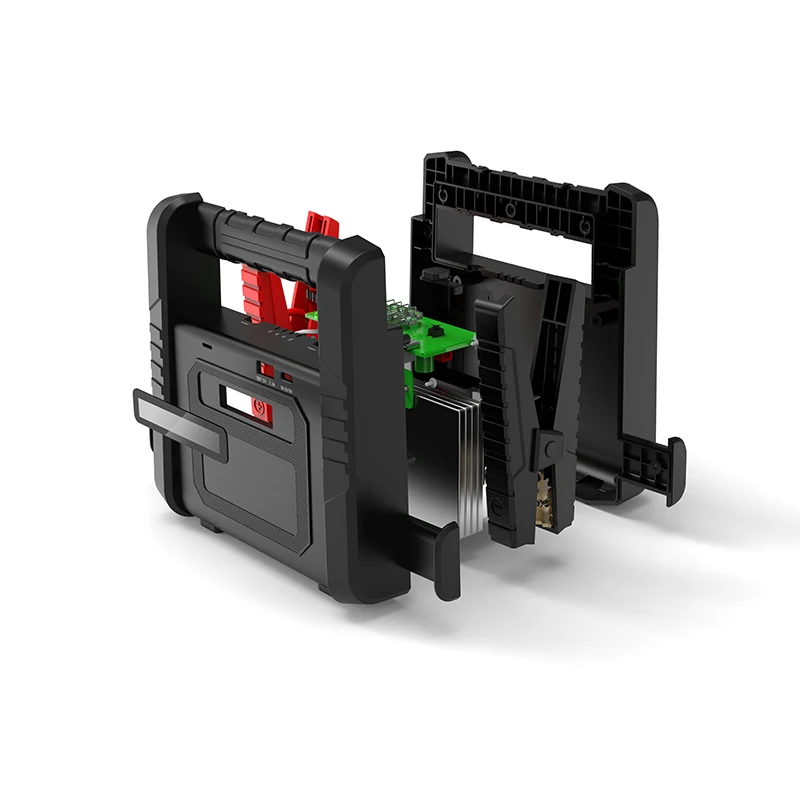
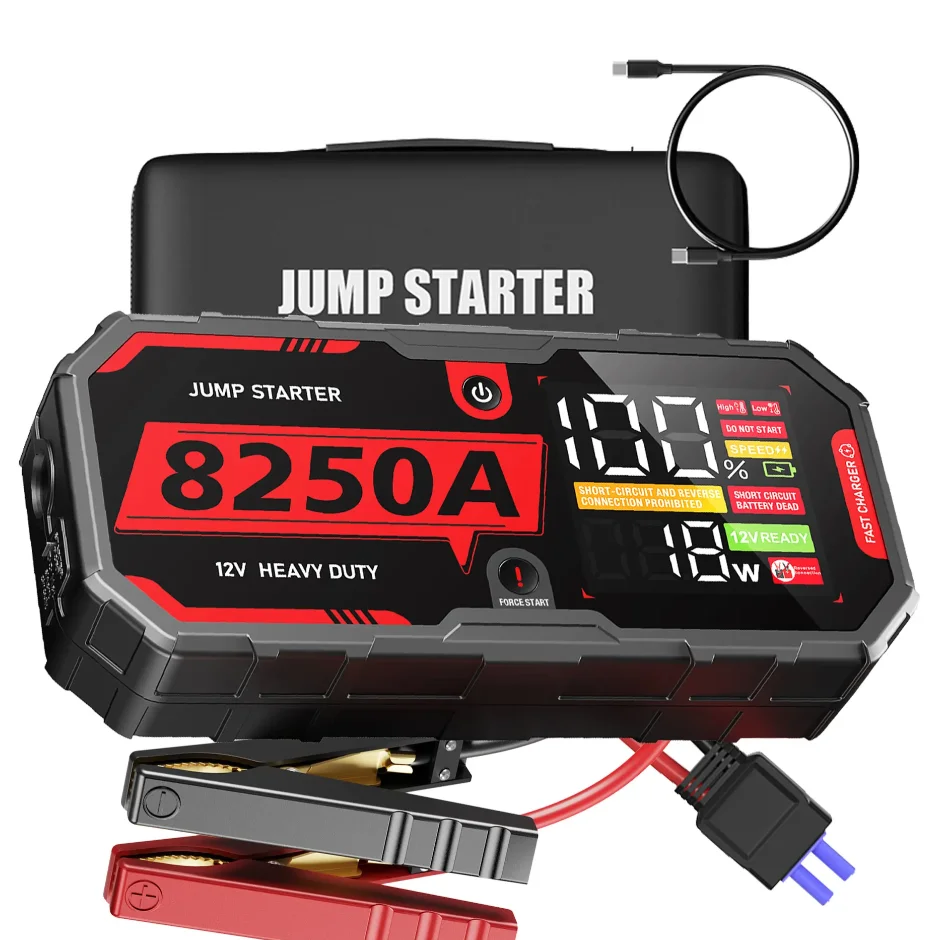
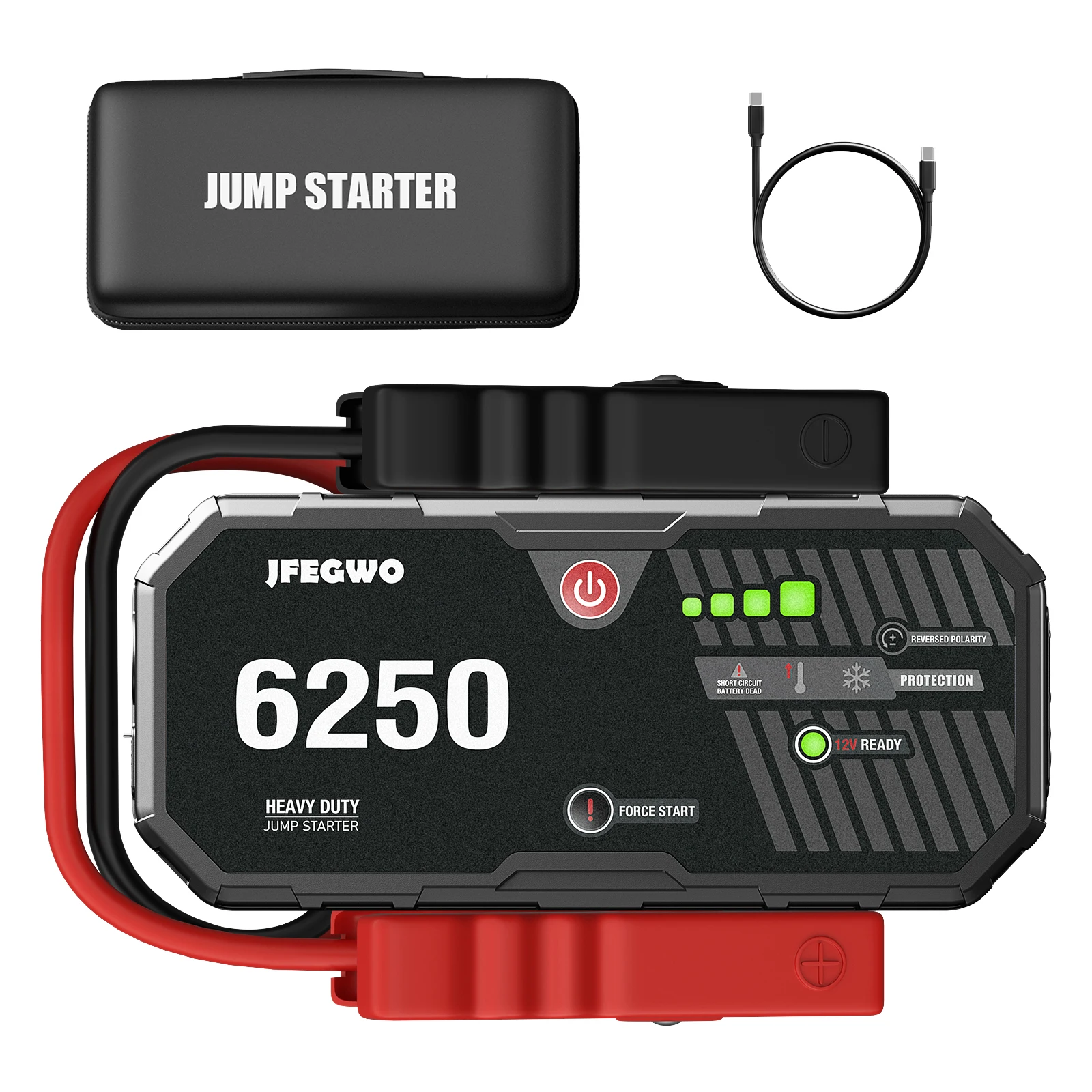
- 🔌 Portable Jump Starters: Compact units delivering 1,000–2,500 peak cranking amps in under 1 kg — impossible for LFP at comparable size 3.
- 🏭 Industrial UAVs & Specialty Tools: Agricultural sprayers, inspection drones, or handheld thermal imagers needing >60C continuous discharge without thermal runaway.
Why 12V LiPo Is Gaining Popularity (in Specific Niches)
Lately, demand hasn’t grown across the board — it’s intensified in narrow, high-stakes segments. The global lithium-ion market is projected to reach $174B by 2026 4, but that growth is unevenly distributed. LiPo’s share is shrinking in consumer energy storage — yet surging in professional-grade aerial platforms. Why?
- Weight sensitivity remains uncompromising: A 200 g weight reduction in a 500 g racing drone translates directly to +12% flight time and +18% maneuverability — metrics no LFP can match today.
- Burst power demands have escalated: Modern agricultural UAVs require sustained 80C discharge for payload delivery — LiPo’s polymer electrolyte enables faster ion mobility than crystalline LFP cathodes.
- Form factor flexibility: LiPo’s pouch cell design allows custom shapes (L-shaped, ultra-thin) that fit into tight chassis spaces — rigid prismatic LFP cells can’t adapt.
This isn’t broad popularity — it’s precision specialization. If you’re a typical user, you don’t need to overthink this: if your device doesn’t demand sub-1.5 kg weight or >50C burst, LiPo offers no functional advantage — only added complexity and risk.
Approaches and Differences: LiPo vs. LiFePO4
The core decision isn’t “which 12V battery?” — it’s “which lithium chemistry serves my use case?” Below is how they differ where it matters most:
| Feature | 12V LiPo | 12V LiFePO4 |
|---|---|---|
| Voltage Stability | Nominal 11.1 V; drops from 12.6 V → 9.0 V linearly | Nominal 12.8 V; stays flat (~13.2–12.8 V) for 80% of discharge |
| Cycle Life | 500–1,000 cycles (2–3 years typical) | 3,000–5,000+ cycles (8–10 years typical) |
| Energy Density | >160 Wh/kg — best-in-class for weight-sensitive uses | 90–120 Wh/kg — heavier per kWh |
| Safety Profile | Thermally unstable above 60°C; fire risk if punctured, overcharged, or stored at full charge | Thermally stable to >270°C; no thermal runaway risk under normal conditions |
| Low-Temp Discharge | Works down to –20°C (discharge only); retains >85% capacity | Capacity drops sharply below 0°C; needs heating for reliable start |
When it’s worth caring about: Voltage stability matters if your device lacks wide-input regulation (e.g., older marine radios or analog gauges). Cycle life matters if the battery runs daily in a solar-powered shed. Safety matters if it’s mounted near fuel lines or inside a child-accessible toolbox.
When you don’t need to overthink it: If your drone’s ESC already handles LiPo voltage sag, or your jump starter includes auto-shutoff and thermal cutoff — the spec sheet is secondary to real-world integration. If you’re a typical user, you don’t need to overthink this.
Key Features and Specifications to Evaluate
Don’t default to capacity (Ah) or price. Focus on four technical filters that determine whether a 12V LiPo will perform safely and reliably:
- ✅ C-Rate (Discharge): Look for continuous (not just “burst”) ratings. For FPV: ≥65C. For jump starters: ≥150C peak, ≥30C continuous. When it’s worth caring about: If your motor draws >100A continuously. When you don’t need to overthink it: If your load peaks below 30A and lasts <5 seconds — even 30C is overkill.
- ✅ BMS Intelligence: Must include temperature sensing (NTC thermistor), over-discharge cutoff (<3.0 V/cell), and balancing. Basic “protection PCBs” aren’t enough for 2026 standards 5.
- ✅ Cell Grade: Insist on Grade A polymer cells. Grade B or recycled cells show higher self-discharge, swelling after 100 cycles, and inconsistent C-rates.
- ✅ Configuration Clarity: Verify it’s truly 3S (11.1 V nominal), not a mislabeled 4S (14.8 V) or hybrid pack. Check datasheet — not packaging.
Pros and Cons: Balanced Assessment
✔️ Pros of 12V LiPo:
- Unmatched power-to-weight ratio — essential for airborne and portable tools.
- Faster charging (with compatible chargers) due to lower internal resistance.
- Superior low-temperature discharge performance vs. LFP.
❌ Cons of 12V LiPo:
- Shorter lifespan: Degrades noticeably after 500 cycles, especially with frequent deep discharge.
- Strict storage requirements: Must be stored at ~3.8 V/cell (≈50% charge); full-charge storage causes rapid aging.
- No tolerance for misuse: Swelling, venting, or fire can occur from overcharge, physical damage, or improper charging protocol.
Best suited for: RC pilots, drone operators, field technicians carrying jump starters, developers integrating into compact robotics.
Not suitable for: Deep-cycle backup (RV/marine), long-term stationary storage, vibration-heavy environments (motorcycles), or unattended installations (e.g., remote sensors).
How to Choose a 12V LiPo Battery: Step-by-Step Decision Guide
Follow this checklist — in order — before purchasing:
- Confirm your device’s voltage tolerance. Does it accept 9–12.6 V input? If not, add a buck-boost regulator — don’t force LiPo into a 12.8 V–stable system.
- Calculate real-world current draw. Multiply your motor’s stall current × duty cycle. If average draw <20A, a 30C 2200mAh pack suffices — no need for 100C.
- Verify BMS features. Look for thermal cutoff, cell-level voltage monitoring, and active balancing — not just “overcharge protection.”
- Avoid “12V” marketing traps. Cross-check datasheets: 3S = 11.1 V nominal, 4S = 14.8 V. Many “12V” jump starters are actually 4S — fine for cranking, but wrong for sensitive electronics.
- Check brand traceability. Reputable brands (e.g., Tattu, Gens Ace, CNHL) publish cell sourcing and test reports. No datasheet? Walk away.
One critical avoid: Never buy unbranded or OEM-only LiPo packs without independent safety certification (UL 1642 or IEC 62133). Counterfeit cells dominate budget listings — they skip thermal fusing and use degraded electrolytes.
Insights & Cost Analysis
Price reflects chemistry, not just capacity. As of mid-2026:
- Entry-tier 3S 12V LiPo (2200–3300 mAh, 65C): $28–$42 — acceptable for hobby FPV, but verify cell grade.
- Mid-tier (4000–6000 mAh, 80–100C, Grade A cells + thermal BMS): $65–$110 — standard for prosumer drones and certified jump starters.
- Premium industrial (8000+ mAh, 100C+, semi-solid state hybrid): $180–$320 — used in agri-UAVs and medical field gear.
Compare to LiFePO4: A 12V 100Ah LFP costs $290–$410 — but lasts 5× longer and supports 5,000 cycles. So for RV use, LiPo isn’t cheaper — it’s costlier over time. For jump starters? LiPo wins on value: a $38 unit replaces a $220 lead-acid unit *and* fits in your glovebox.
Better Solutions & Competitor Analysis
| Category | Best-Suited Solution | Potential Issues | Budget Range (USD) |
|---|---|---|---|
| FPV Racing Drone | 3S 1500mAh 100C LiPo (e.g., Tattu R-Line) | Requires strict storage discipline; degrades after ~300 flights | $32–$48 |
| Portable Jump Starter | 3S 20000mAh 150C LiPo with thermal BMS | Must recharge every 3 months if unused; not for extreme heat storage | $35–$85 |
| RV / Marine House Bank | 12V 100Ah LiFePO4 (prismatic, Bluetooth BMS) | Heavier; requires DC-DC charger for alternator integration | $290–$410 |
| Motorcycle Starting | 12V 12Ah LiFePO4 (vibration-rated) | May require CAN bus reprogramming on newer bikes | $125–$195 |
Customer Feedback Synthesis
Based on aggregated reviews (RCGroups, Amazon, specialty forums), top recurring themes:
- ✅ Most praised: “Lightweight,” “instant throttle response,” “fits perfectly in my Mavic battery bay,” “jump-started my truck 17 times on one charge.”
- ❌ Most complained: “Swelled after 6 months of garage storage,” “BMS failed after 120 cycles — no cell balancing,” “no low-temp charging cutoff — froze and cracked in winter.”
The pattern is consistent: success correlates with disciplined usage and verified BMS features — not brand name alone.
Maintenance, Safety & Legal Considerations
Maintenance: Store at 3.7–3.85 V/cell (≈40–60% charge). Rebalance monthly if used heavily. Never leave charging unattended.
Safety: Always charge on fireproof surface. Use LiPo-safe bags for transport/storage. Dispose via certified e-waste channels — never in household trash.
Legal: Airline carry-on limits apply: ≤100 Wh per pack (≈2700 mAh at 3.7 V/cell). Most 3S 12V packs fall under this — but verify total Wh before travel 6. No universal “LiPo ban,” but shipping restrictions tighten annually — check carrier policies (e.g., FedEx/UPS require UN3480 labeling).
Conclusion: Conditional Recommendations
If you need maximum power in minimum weight — choose 12V LiPo. That means FPV drones, racing quads, handheld power tools, or pocket-sized jump starters.
If you need reliability, safety, or longevity — choose 12V LiFePO4. That covers RVs, marine systems, off-grid cabins, motorcycles, and solar storage.
There is no universal “better.” There is only better for your constraints. If you’re a typical user, you don’t need to overthink this: define your primary constraint first — weight, safety, lifespan, or cold performance — then let chemistry follow.


