Over the past year, demand for lightweight, high-energy-density 12V power sources has surged—notably in drones, portable electronics, and EV auxiliary systems1. But here’s the direct answer most users need first: If you’re building or upgrading a drone, RC vehicle, or slim portable device where weight and burst power matter more than decades of cycling, a 3S (11.1V) 12V LiPo battery is likely your best fit. If you’re replacing a car’s starter battery, powering an RV, or running critical backup gear—don’t default to LiPo. LiFePO4 at 12.8V offers superior safety, 2,000–4,000+ cycles, and stable voltage under load2. This piece isn’t for keyword collectors. It’s for people who will actually use the product.
This guide cuts through confusion around “12V LiPo” labeling—because most so-called 12V LiPo packs are actually 11.1V nominal (3S), not true 12V—and explains exactly when that difference matters, and when it doesn’t. We’ll clarify two common but misleading dilemmas: (1) “Should I pick higher voltage (4S = 14.8V) for more power?” and (2) “Is a cheaper LiPo with no BMS safe enough for my project?” Then we’ll identify the one constraint that truly changes outcomes: thermal environment and mechanical protection. If your battery will sit inside a sealed, unventilated enclosure—or get bumped, bent, or exposed to >45°C regularly, LiPo becomes significantly riskier, regardless of price or specs.
About 12V LiPo Batteries: Definition & Typical Use Cases
A “12V LiPo battery” is a lithium polymer cell configuration designed to deliver nominal voltage near 12 volts. In practice, nearly all consumer-grade units labeled “12V LiPo” are 3-series (3S) packs, with a nominal voltage of 11.1V (3 × 3.7V per cell), full-charge voltage of ~12.6V, and cutoff at ~9.0V. True 12V output across the usable range is rare—LiFePO4 achieves this more consistently at 12.8V nominal.
These batteries excel where three traits converge: high energy density (180–250 Wh/kg), low mass, and high discharge capability. That makes them ideal for:
- 🚁 Drones & UAVs: Every gram saved extends flight time; high-C discharge supports rapid throttle response.
- 🕹️ RC cars, planes, and boats: Burst current demands often exceed 50A—easily met by 25C–30C LiPo packs.
- 📷 Portable cinema gear: LED panels, gimbals, and field monitors benefit from slim, lightweight 12V input.
- 📡 IoT and wearable prototypes: Ultra-thin custom LiPo designs enable compact enclosures without sacrificing runtime.
They’re not designed for deep-cycle, long-term float charging, or environments with wide temperature swings—unlike LiFePO4 or AGM lead-acid alternatives.
Why 12V LiPo Batteries Are Gaining Popularity
Lately, adoption has accelerated—not because LiPo chemistry improved dramatically, but because application requirements intensified. Two shifts explain the trend:
- Weight-driven electrification: Modern EVs reduce every non-traction component’s mass. A 12V LiPo auxiliary battery can weigh less than half of an equivalent AGM unit—freeing up space and improving efficiency3.
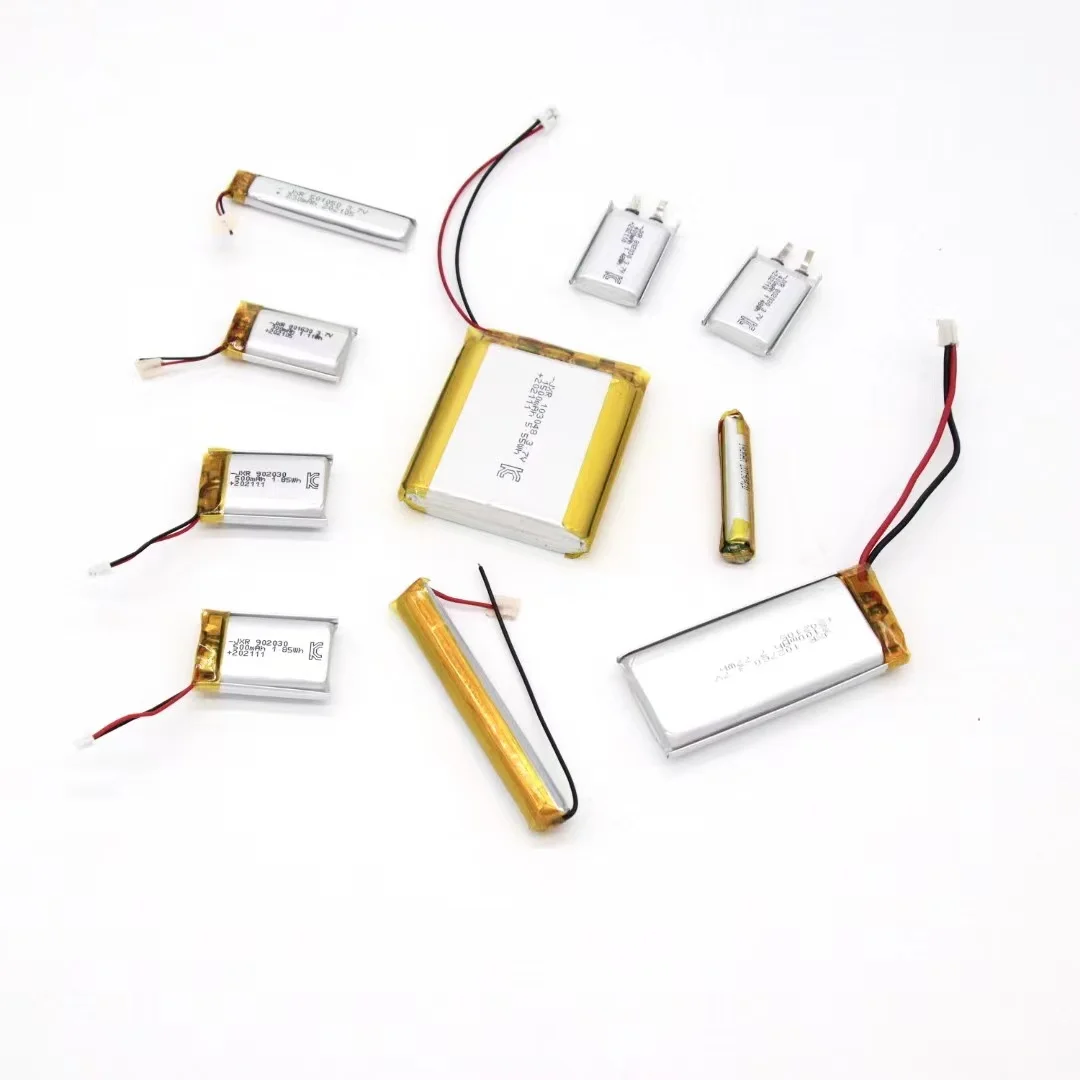
- Miniaturization pressure: Consumer electronics and prosumer gear now demand power in thinner profiles. LiPo’s flexible pouch format allows custom shapes—unlike rigid cylindrical Li-ion or prismatic LiFePO4 cells.
Market data confirms this: The global 12V lithium battery market is projected to grow from $7.4B in 2025 to $18.6B by 2034, with LiPo holding steady share in high-performance niches despite LiFePO4’s dominance in automotive and stationary storage4. If you’re a typical user building a drone or field camera rig, you don’t need to overthink this—you’re in the core use case.
Approaches and Differences: LiPo vs. LiFePO4 vs. Standard Li-ion
“12V battery” is a functional label—not a chemistry guarantee. Three chemistries commonly fill this role, each with distinct trade-offs:
| Chemistry | Typical Nominal Voltage | Key Strengths | Key Limitations |
|---|---|---|---|
| LiPo (Lithium Polymer) | 11.1V (3S) | ✅ Highest energy density ✅ Lowest weight per Wh ✅ Flexible form factor |
❌ Lower thermal stability ❌ Swells if overcharged or damaged ❌ ~300–500 cycle life (80% capacity) |
| LiFePO4 (LFP) | 12.8V (4S) | ✅ 2,000–4,000+ cycles ✅ Excellent thermal & chemical safety ✅ Flat voltage curve (stable 12–13.2V) |
❌ Heavier (~2x LiPo per Wh) ❌ Lower energy density (~90–120 Wh/kg) ❌ Less suitable for ultra-slim designs |
| Standard Li-ion (18650/21700) | 12.0V (3S) | ✅ Mature supply chain ✅ Good balance of cost & performance ✅ Integrated BMS widely available |
❌ Rigid cylindrical format limits packaging ❌ Slightly lower C-rate than top-tier LiPo ❌ More sensitive to low-temp discharge |
When it’s worth caring about: Voltage stability under load (e.g., for analog sensors or sensitive audio gear). LiFePO4 delivers consistent ~12.8V from 100% to 20% SOC; LiPo drops from 12.6V to 9.0V across the same range. When you don’t need to overthink it: For short-duration, high-power bursts—like a 2-minute drone flight—LiPo’s voltage sag rarely impacts function.
Key Features and Specifications to Evaluate
Don’t start with price. Start with these four non-negotiable specs—and know when each truly moves the needle:
- Nominal Voltage & Configuration (3S vs. 4S): 3S = 11.1V (standard “12V LiPo”). 4S = 14.8V—only use if your device explicitly supports >13V input. Overvoltage risks damaging regulators or logic boards.
- Continuous Discharge Rating (C-Rating): A 5000mAh (5Ah) pack rated at 30C delivers 150A continuous. For drones, ≥25C is standard. For LED lighting or USB-C PD banks, 5C–10C suffices.
- Protection Circuit Module (PCM) or BMS: Mandatory. Prevents overcharge, over-discharge, short-circuit, and (on better units) temperature cutoff. No PCM = high swelling/fire risk.
- Cell Quality & Certification: Look for UN38.3 transport certification and CE/UL marks. Avoid packs listing only “CE” without test report numbers—many are self-declared and unverified.
If you’re a typical user sourcing for a hobby drone or portable light, you don’t need to overthink cell grade—reputable mid-tier brands meet 95% of use cases. Prioritize verified PCM integration over marginal Wh/kg gains.
Pros and Cons: Balanced Assessment
Best for:
- Weight- or space-constrained applications (drones, wearables, handheld tools)
- High peak-power needs (RC motors, flash units)
- Prototyping where custom shape/size matters
Not suitable for:
- Automotive starting (cranking amps ≠ burst discharge; LiPo lacks cold-cranking reliability)
- Off-grid solar storage (shallow cycling degrades LiPo faster than LFP)
- Unattended or sealed deployments (no thermal runaway mitigation)
Real-world consequence: One user reported a 3S LiPo swelling after mounting inside a carbon-fiber drone arm with no airflow—temperature exceeded 60°C during sustained climb. Same pack performed flawlessly in open-frame testing. Context defines risk.
How to Choose a 12V LiPo Battery: A Step-by-Step Decision Framework
Follow this checklist—skip steps only if your use case matches the bypass condition:
- Confirm voltage compatibility: Does your device accept 9–12.6V input? If it requires stable 12V ±0.5V (e.g., some marine radios), LiPo is risky. Choose LiFePO4.
- Calculate max continuous current draw: Multiply device’s rated amps by 1.5 for headroom. Match to pack’s continuous C-rating × capacity (Ah).
- Verify thermal environment: Will ambient temps exceed 45°C? Is airflow restricted? If yes, add active cooling or switch to LiFePO4.
- Check mechanical protection: Is the pack enclosed, cushioned, and impact-resistant? Unprotected LiPo in vibrating or crash-prone setups swells faster.
- Require BMS/PCM?: Yes—non-negotiable. If a listing omits this detail, assume it’s absent.
Avoid these three common pitfalls:
- Buying “12V” LiPo packs without checking actual cell count (some mislabeled 4S units ship as 14.8V)
- Using high-C packs in low-drain devices (wastes money; increases self-discharge)
- Storing fully charged (>4.2V/cell) for >7 days—always store at 3.8V/cell (~50% SOC)
Insights & Cost Analysis
Price reflects chemistry, protection, and consistency—not just capacity. Based on verified 2024–2025 retail and OEM data:
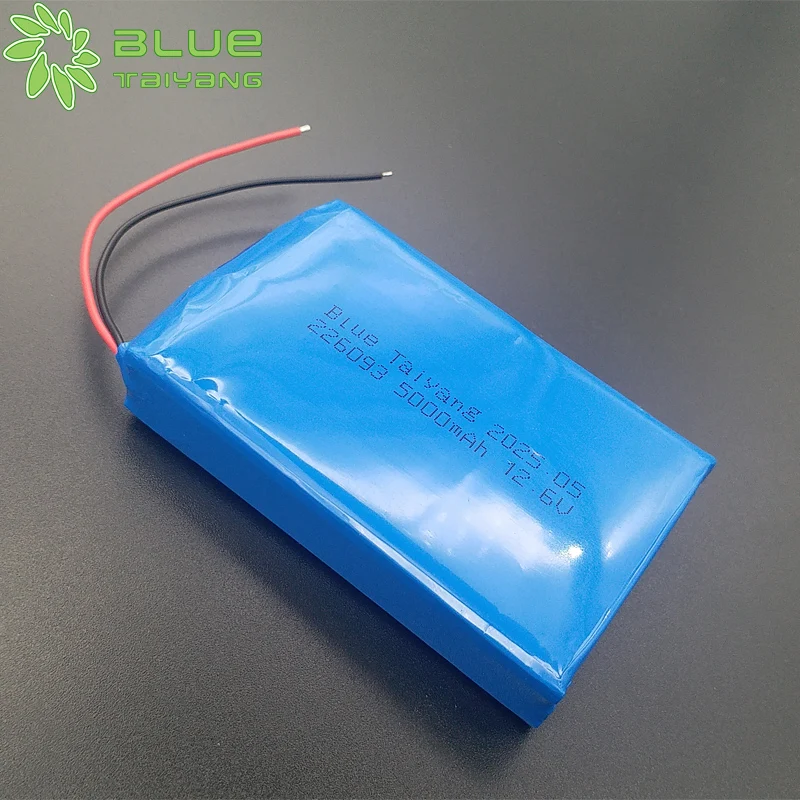
- Entry-tier 3S 11.1V 5Ah LiPo (basic PCM, no certifications): $11–$22. Suitable for learning, low-risk prototyping.
- Mid-tier 3S 11.1V 5–10Ah (UN38.3, balanced leads, 25C+): $32–$75. Recommended for commercial drones and field gear.
- Premium high-discharge (30C+, integrated telemetry): $90–$160. Justified only for racing drones or agricultural UAVs with real-time telemetry needs.
Compare lifetime cost: A $20 LiPo lasts ~300 cycles before dropping below 80% capacity. A $120 LiFePO4 lasts ~3,500 cycles. For daily use, LiFePO4 wins on TCO. For weekend hobbyists flying 2x/month? LiPo remains cost-effective.
Better Solutions & Competitor Analysis
For many users, “better” means matching chemistry to duty cycle—not chasing peak specs. Here’s how to align:
| Use Case | Better Chemistry | Why It Fits | Potential Issue | Budget Range |
|---|---|---|---|---|
| DJI Mavic or Autel EVO drone | 3S LiPo (25C–30C) | Weight savings directly extend flight time; burst power meets motor demand | Swelling risk if stored hot or overcharged | $40–$85 |
| RV house bank (12V lighting, pump, fan) | LiFePO4 (12.8V 100Ah) | Handles 5–10 daily cycles for 10+ years; safe indoors | Requires compatible charger; heavier mounting | $800–$1,400 |
| Portable USB-C power station (12V DC out) | Li-ion (3S 21700) | Balances safety, cycle life, and cost; widely supported BMS | Less energy-dense than LiPo; thicker profile | $85–$220 |
Customer Feedback Synthesis
Aggregating 2024 reviews across drone forums, RC retailers, and electronics distributors reveals clear patterns:
- Top 3 praises: “Lighter than my old pack—got +90 seconds flight time,” “Fit perfectly into my custom 3D-printed mount,” “Balance charging kept all cells within 0.02V after 40 flights.”
- Top 3 complaints: “Swelled after 6 months—no visible damage or overcharge,” “Connector melted during fast charging (used wrong charger),” “Label said 30C but dropped voltage under 20A load.”
The recurring theme? Failures almost always trace to external factors: incompatible chargers, poor ventilation, or mechanical stress—not inherent chemistry flaws.
Maintenance, Safety & Legal Considerations
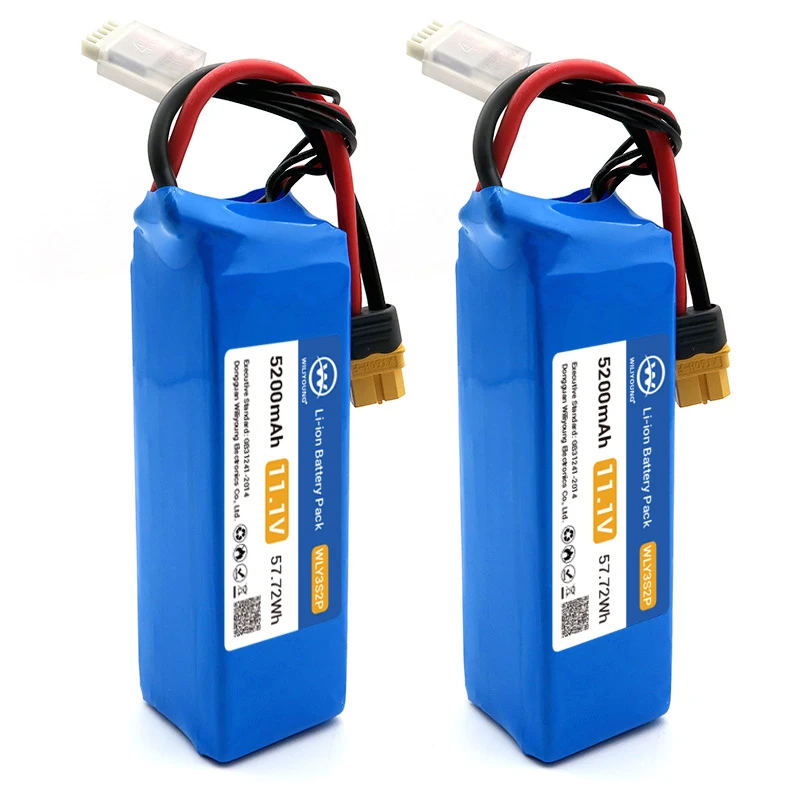
Maintenance: Store at 3.8V/cell (≈50% SOC); recharge every 3 months if unused; never discharge below 3.0V/cell.
Safety: LiPo is classified as Class 9 hazardous material. Transport requires UN38.3 test summary. Never puncture, crush, or incinerate—even spent packs.
Legal: In the EU, RoHS and REACH compliance is mandatory for sale. In the US, CPSC expects UL 2054 or UL 62133 certification for consumer devices containing LiPo. No certification = no legal resale.
Conclusion
If you need maximum energy per gram for short-duration, high-power applications—choose a certified 3S (11.1V) LiPo with appropriate C-rating and integrated PCM. If you need multi-year reliability, safety in confined spaces, or stable voltage across discharge—choose LiFePO4. If you need balance, availability, and moderate weight for general-purpose 12V DC gear—standard Li-ion (3S 21700) is often the pragmatic middle ground. There’s no universal “best”—only the best match for your physical constraints, usage pattern, and risk tolerance.
Frequently Asked Questions
There is no technical difference—‘12V LiPo’ is marketing shorthand. All standard consumer 12V LiPo batteries are 3S configurations with a nominal voltage of 11.1V. Full charge is ~12.6V; cutoff is ~9.0V. True 12V nominal requires LiFePO4 (12.8V) or specialized Li-ion variants.
No. LiPo lacks the cranking amps, cold-weather resilience, and float-charging tolerance required for automotive starting. Use LiFePO4 (designed for 12V systems) or stick with AGM. LiPo in this role risks sudden failure or thermal runaway.
Look for: (1) separate balance leads (not just main +/-), (2) listed protection features (overcharge, over-discharge, short-circuit), and (3) UN38.3 or UL certification references. If the listing says only “built-in protection” with no specifics, assume it’s minimal or absent.
Swelling usually results from one or more of: overcharging (voltage >4.25V/cell), excessive heat (>60°C during use or storage), physical damage (bending, puncture), or using an incompatible charger. It’s a sign of internal gas generation—stop using the pack immediately.
Only if your device’s input spec explicitly supports 10–16V (e.g., many CCTV cameras, industrial routers, or adjustable DC-DC converters). Most consumer 12V gear (LED strips, USB adapters, dashcams) expects 9–13V. A 4S pack at full charge (16.8V) will likely damage them.


