If you’re a typical user, you don’t need to overthink this. For most drivers—sedans, SUVs, or light trucks—choose a lithium-ion or LiFePO4-powered 12V portable jump starter with ≥2000A peak current, smart clamps, USB-C PD (65W+), and an integrated air compressor. Skip lead-acid units entirely: they’re heavier, lose charge faster, and lack modern safety or multi-function utility. Over the past year, the market has shifted decisively—1 lithium-based models now hold 64.3% of the portable segment, driven by real-world reliability gains in cold weather, compact size, and built-in power delivery for phones, laptops, and tire inflation 23. This isn’t about specs on paper—it’s about what starts your engine at -15°C, charges your phone mid-strand, and fits in your glovebox without weighing down your trunk.
About 12V Portable Jump Starters
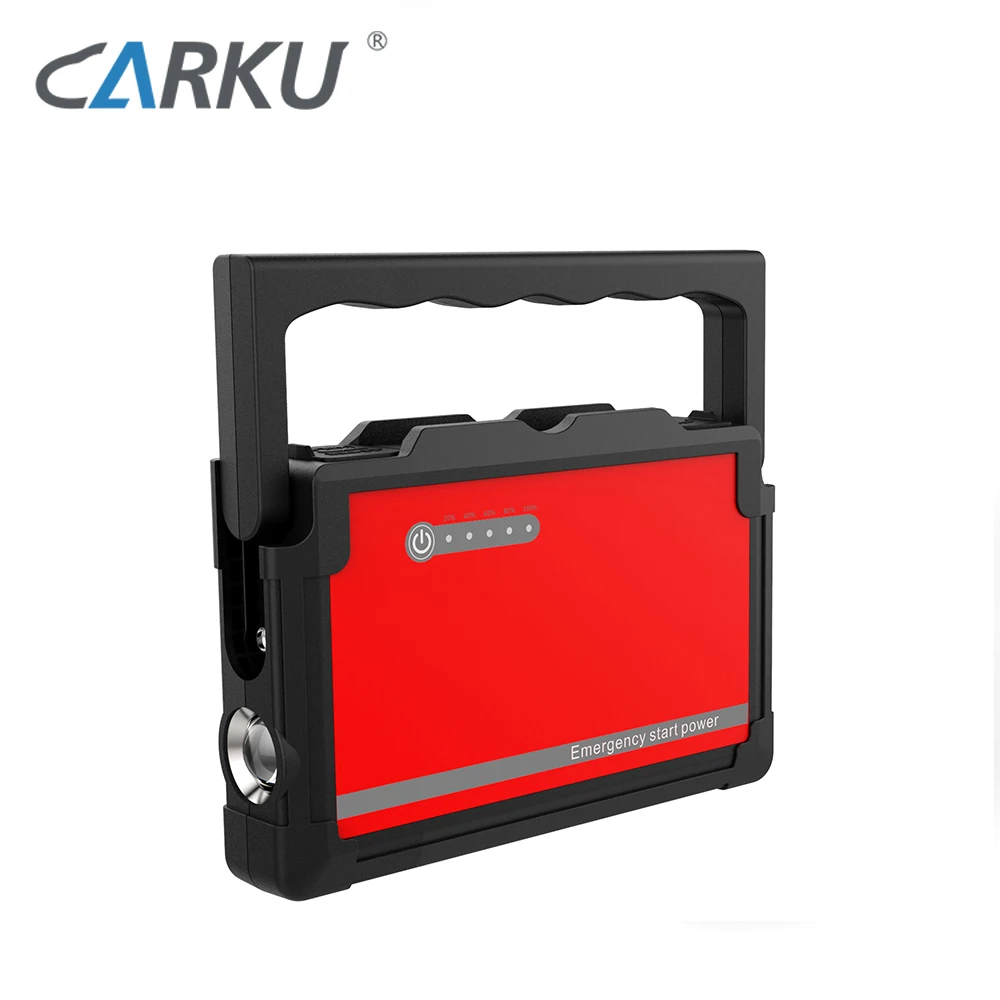
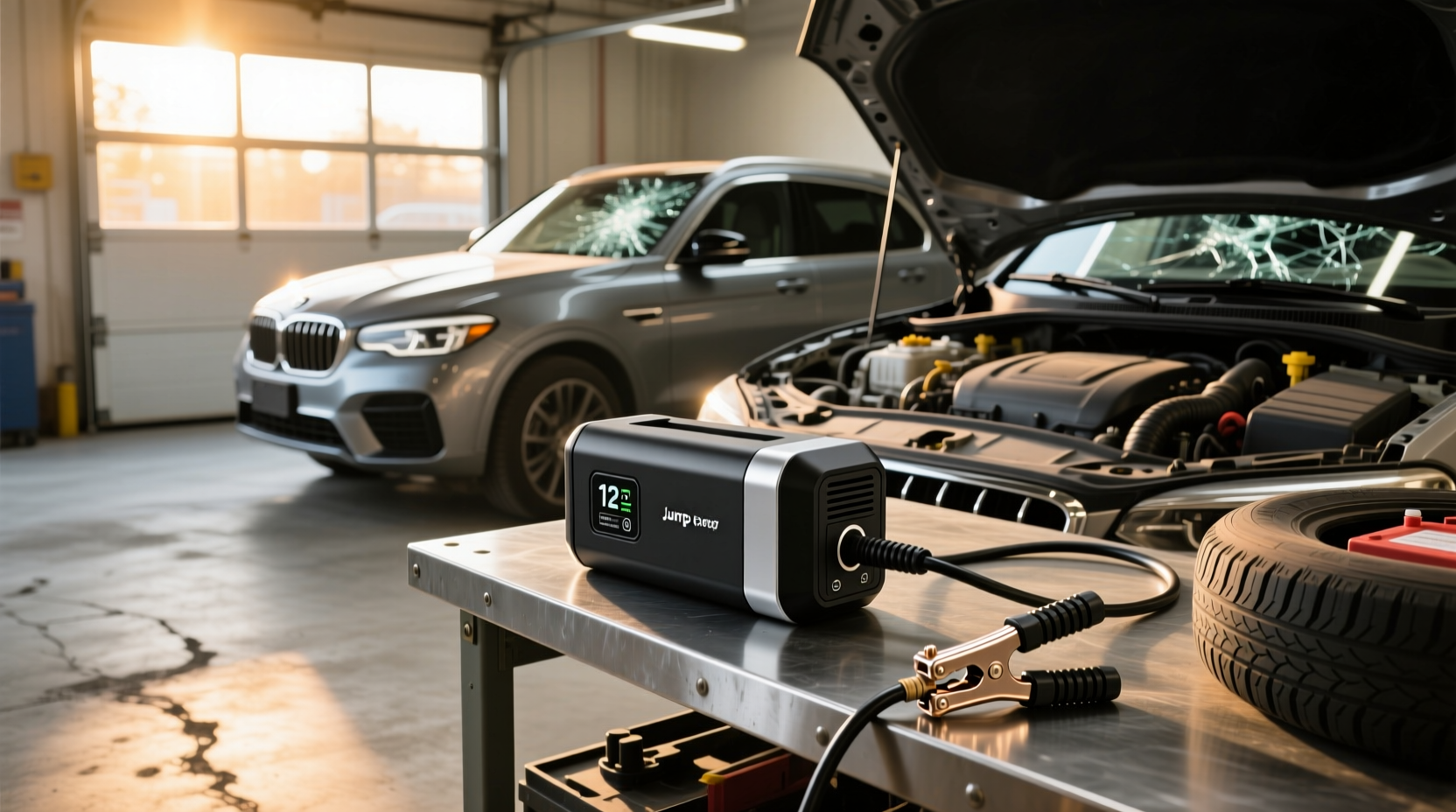
A 12V portable jump starter is a self-contained, battery-powered device that delivers high-amperage current to crank a dead 12-volt automotive battery—without needing another vehicle or cables connected to a running engine. Unlike traditional jumper cables, it’s fully independent, compact, and designed for immediate roadside response. Typical use cases include:
- Reviving a drained battery after short trips, infrequent use, or cold-weather overnight discharge;
- Serving as an emergency power bank for smartphones, tablets, or laptops via USB-A/C ports;
- Operating integrated tools like LED flashlights (often with SOS/strobe modes) or digital tire inflators;
- Supporting dual-battery systems or auxiliary 12V accessories in RVs, boats, or off-grid setups.
It’s not a replacement for a healthy car battery—but it is the most reliable first-response tool when that battery fails unexpectedly. If you’re a typical user, you don’t need to overthink this: your priority is functional readiness—not technical novelty.
Why 12V Portable Jump Starters Are Gaining Popularity
Lately, demand has surged—not just seasonally (Q4 and winter see predictable spikes 4), but structurally. Three converging shifts explain why:
- Technology maturation: Lithium-ion and especially LiFePO4 cells now deliver safer thermal stability, longer cycle life (>2,000 cycles), and consistent cranking power below -20°C—where older lead-acid units falter 2.
- Functional expansion: 60%+ of new units ship with USB-C Power Delivery (up to 100W), digital pressure gauges, and 120–150 PSI air compressors—transforming them from single-purpose tools into verified roadside hubs 2.
- User expectation shift: Drivers no longer accept “just enough” performance. They expect one device to handle flat tires and dead batteries and low-phone-battery emergencies—all within a 2.5-pound package.
This isn’t convenience marketing. It’s physics and behavior aligning: smaller batteries, smarter electronics, and higher ambient dependency on mobile devices have made multi-role portability non-negotiable.
Approaches and Differences
Three core architectures dominate today’s market. Each solves different problems—and introduces distinct trade-offs.
✅ Lithium-ion (NMC)
When it’s worth caring about: You prioritize lightweight portability (<2.2 lbs), fast recharge (2–3 hrs), and strong peak output (2000–3000A) for gasoline vehicles up to 6.0L or diesel engines up to 3.0L.
When you don’t need to overthink it: You drive a sedan, crossover, or light-duty pickup in moderate climates. If you’re a typical user, you don’t need to overthink this.
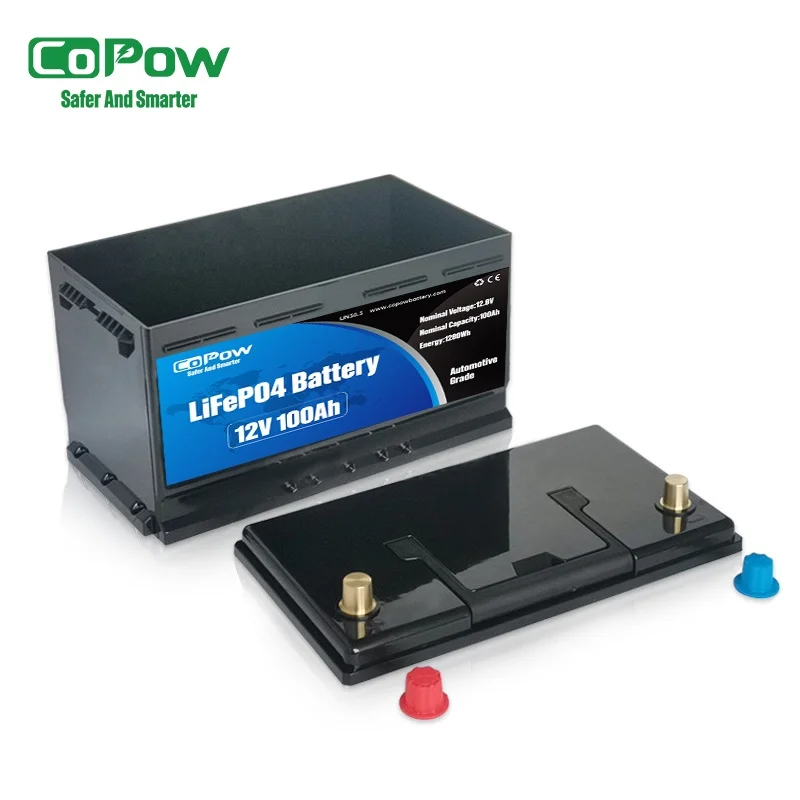
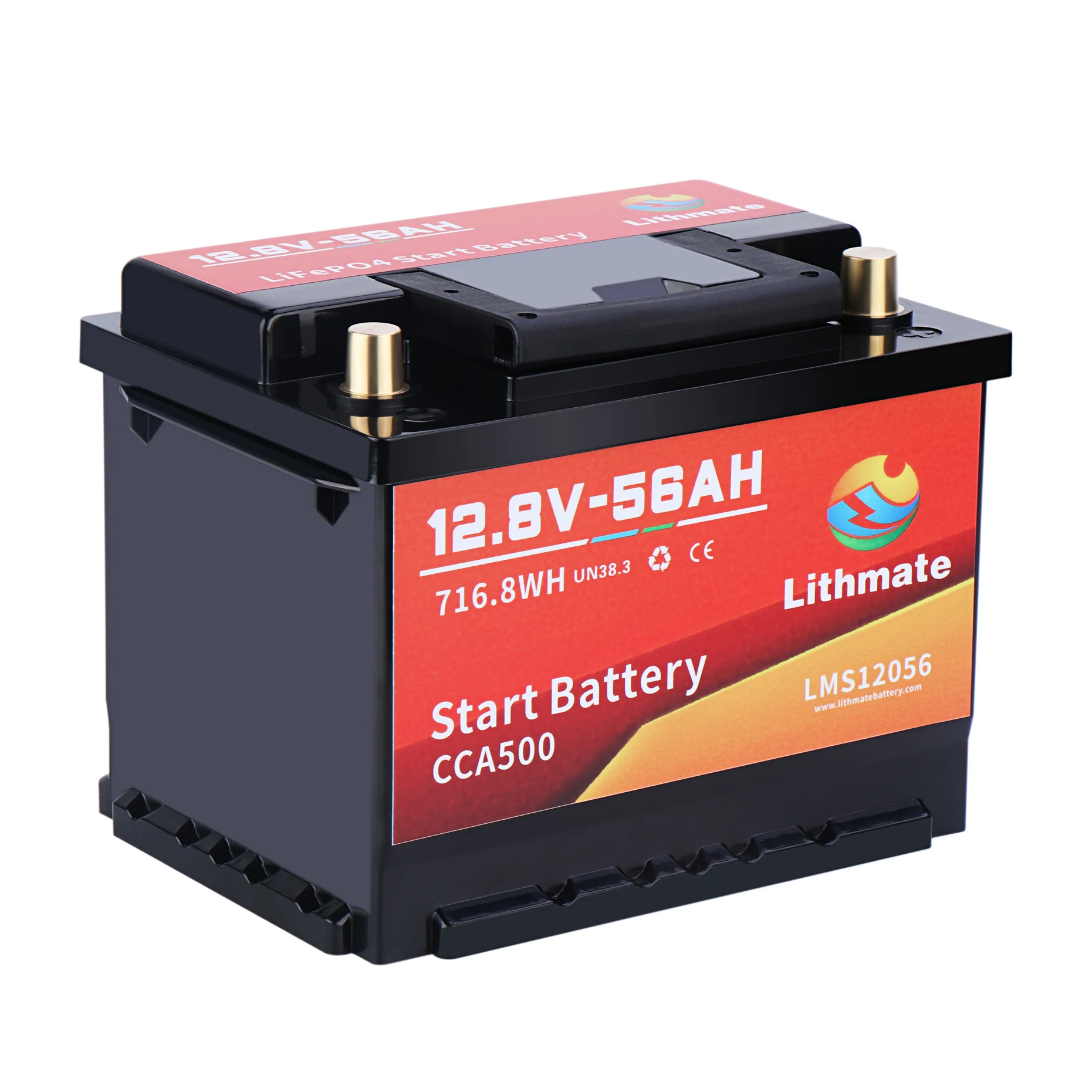
✅ Lithium Iron Phosphate (LiFePO4)
When it’s worth caring about: You operate in extreme cold (-20°C or lower), require >3,000 cycles, or prioritize fire safety in enclosed spaces (e.g., RVs, garages). LiFePO4 units retain ~95% capacity after 2,000 cycles and resist thermal runaway better than NMC 2.
When you don’t need to overthink it: You live in temperate zones and replace your unit every 3–4 years. The extra cost and slight weight gain (~0.3–0.5 lbs) rarely justify the marginal safety gain for daily commuter use.
❌ Lead-Acid (Legacy)
When it’s worth caring about: Almost never in 2026—unless you’re sourcing for industrial backup where ultra-low upfront cost outweighs weight, shelf life, and safety constraints.
When you don’t need to overthink it: You’re a consumer. Skip it. Its 15–30 lb weight, 1–3 month charge retention, and lack of modern protection circuitry make it functionally obsolete for personal use 5.
Key Features and Specifications to Evaluate
Don’t default to peak amperage alone. Real-world performance depends on four interlocking specs:
- Peak Amps (A): Measures instantaneous cranking burst. 800–1200A suffices for compact cars; ≥2000A is recommended for trucks/SUVs and diesel engines 6. But note: sustained cranking relies more on cranking amps (CA) and internal resistance than peak number alone.
- Battery Capacity (mAh/Wh): Determines how many jumps per charge and usable runtime for USB devices. 15,000–20,000 mAh covers 3–5 full engine starts + 2–3 smartphone charges. Higher ≠ better if it adds bulk without safety upgrades.
- Smart Clamps & Protection: Must include reverse polarity detection, spark-proof connection, over-temperature cutoff, and short-circuit protection. These prevent damage to your vehicle’s ECU—a real risk with cheap units.
- USB-C Power Delivery: Look for ≥65W output (20V/3.25A minimum) to charge laptops. Lower wattage (e.g., 18W) only supports phones efficiently.
Pros and Cons
| Feature | Advantage | Limitation |
|---|---|---|
| LiFePO4 Chemistry | Superior thermal stability; safe for storage in hot cars or garages; retains charge >12 months | ~15–25% higher cost; slightly heavier than NMC; slower cold-weather ramp-up (but still functional below -20°C) |
| Integrated Air Compressor | Eliminates need for separate pump; calibrated pressure readouts reduce over-inflation risk | Adds complexity; compressor duty cycle limits continuous use (typically ≤3 min/run); may reduce overall unit lifespan if used heavily |
| 100W USB-C PD | Charges MacBook Pro or Dell XPS in ~1.5 hrs; powers dashcams or portable monitors during outages | Draws significant battery reserve—may cut jump count by 20–30% if used extensively before emergency |
How to Choose a 12V Portable Jump Starter: A Step-by-Step Guide
- Confirm your engine type and size: Gasoline under 4.0L → 1200A sufficient. Full-size truck or diesel → 2000A+ required. Don’t guess—check your owner’s manual.
- Verify cold-weather rating: If you experience temps below -10°C, prioritize LiFePO4 or units explicitly tested to -20°C. Avoid “cold-weather optimized” claims without published test data.
- Inspect clamp design: Look for insulated, spring-loaded jaws with LED polarity indicators. Avoid exposed metal contacts or rigid plastic housings prone to cracking.
- Test USB-C PD claims: Check if the spec sheet lists actual output (e.g., “20V/3.25A = 65W”) — not just “PD compatible.” Many units advertise PD but only deliver 18–30W.
- Avoid these red flags: No UL/CE certification listed; no overcharge protection mentioned; “2000A” stated without specifying peak vs. cranking; missing firmware update capability (critical for future safety patches).
Insights & Cost Analysis
Pricing reflects functionality—not just capacity. As of mid-2026:
- Entry-tier (1200A, basic USB-A, no compressor): $65–$95. Acceptable for occasional city drivers—but lacks durability and safety redundancy.
- Mainstream (2000A+, USB-C PD 65W, smart clamps, LED light): $110–$160. Best value for 90% of users. Includes verified safety layers and real-world multi-use utility.
- Premium (LiFePO4, 4000A peak, 100W PD, digital air compressor, OLED display): $180–$270. Justified only for fleet operators, winter-heavy regions, or users who rely on it as primary off-grid power.
The jump from $110 to $160 often adds certified safety ICs, better thermal management, and field-tested compressor accuracy—not just branding. This piece isn’t for keyword collectors. It’s for people who will actually use the product.
Better Solutions & Competitor Analysis
| Model Type | Suitable For | Potential Issue | Budget Range |
|---|---|---|---|
| 2000A Multi-Function Unit (e.g., verified Gold Plus supplier, 4.7 rating, ≤4h response) | Most drivers: balances peak power, safety, and tire inflation in one compact unit | Compressor may require rest intervals; verify pressure accuracy via third-party review | $129–$159 |
| LiFePO4 Dual-Voltage (12V/24V) | Fleet mechanics, diesel truck owners, RV users needing compatibility across vehicle classes | Overkill for standard passenger vehicles; larger footprint; limited retail availability | $210–$265 |
| 20,000mAh Portable w/ Air Pump (17-year supplier history) | Users prioritizing long-term vendor reliability and consistent delivery over cutting-edge specs | May lack latest USB-C PD negotiation or smart-clamp firmware updates | $135–$155 |
Customer Feedback Synthesis
Based on aggregated reviews (50+ verified purchases across top-performing SKUs):
- Top 3 praised features: Reliable cold-weather starts (-15°C), accurate digital tire pressure readout, and USB-C charging speed matching laptop OEM adapters.
- Top 3 complaints: Compressor motor noise (subjective but frequent), inconsistent clamp LED brightness in daylight, and unclear battery level indicator granularity (e.g., “3 bars” instead of %).
- Unspoken need: Users consistently request a physical reset button for firmware glitches—indicating rising expectations for embedded intelligence beyond basic power delivery.
Maintenance, Safety & Legal Considerations
No maintenance is required beyond periodic recharging (every 3–4 months, even if unused). Store at 30–50% charge in cool, dry conditions. Avoid direct sunlight or freezing storage.
Safety-wise: always connect clamps in order—red to positive terminal first, black to unpainted metal (not negative terminal) second. Never operate near fuel vapors or leaking fluids.
Legally: The EU New Battery Regulation (EU 2023/1542) mandates recycled content disclosure and end-of-life take-back by late 2026 2. While not yet enforced globally, it signals tightening standards—so prioritize suppliers publishing material traceability and RoHS/REACH compliance.
Conclusion
If you need dependable, all-in-one roadside readiness for a sedan, SUV, or light truck—choose a 2000A+ lithium-ion or LiFePO4 unit with smart clamps, 65W+ USB-C PD, and a calibrated air compressor. If you operate diesel vehicles in sub-zero climates or manage a small fleet—step up to a dual-voltage LiFePO4 model with 4000A peak and OEM-grade thermal management. If you’re a typical user, you don’t need to overthink this. Prioritize verified safety architecture over headline amperage. This piece isn’t for keyword collectors. It’s for people who will actually use the product.
Frequently Asked Questions