Over the past year, 12V power systems have shifted from basic automotive accessories to intelligent, lithium-powered essentials for outdoor life, road trips, and cold-weather work—driven by LiFePO4 battery adoption, Bluetooth monitoring, and rising demand for portable refrigeration and heated clothing1. If you’re a typical user, you don’t need to overthink this: choose LiFePO4-based 12V gear with low-voltage cutoff and app connectivity—and skip lead-acid unless budget is under $50 and runtime needs are under 2 hours. For off-grid use, prioritize 100–200Ah capacity with IP65 rating; for car travel, dual-zone 12V fridges >35L with compressor cooling deliver best value; for cold weather, heated jackets with hybrid (vehicle + battery) input outperform single-source models. This piece isn’t for keyword collectors. It’s for people who will actually use the product.
About 12V Power Systems
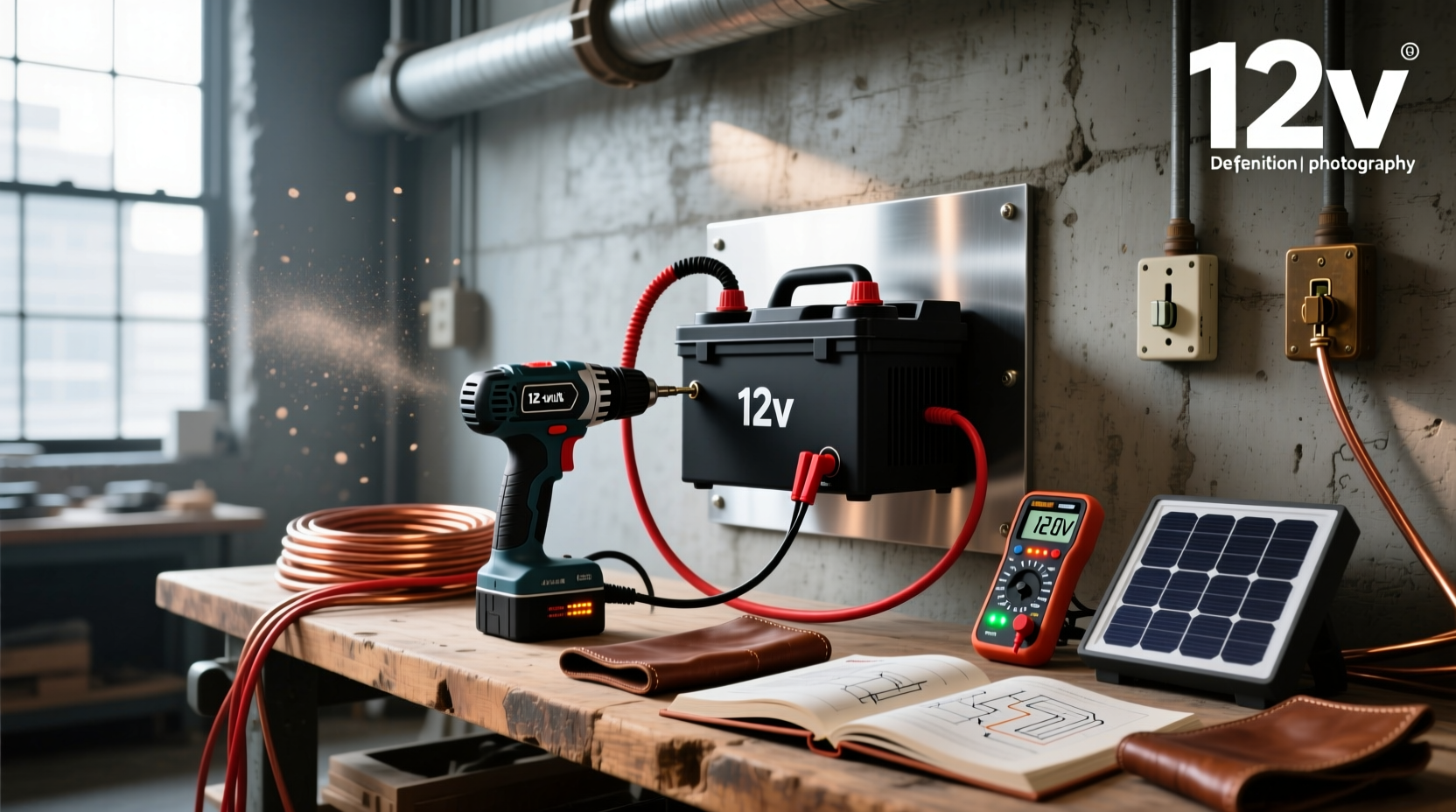
A 12V power system refers to any consumer-grade electronic device or accessory designed to operate from a standard 12-volt DC supply—most commonly drawn from a vehicle’s battery, a portable lithium pack, or a dedicated 12V energy station. Unlike high-voltage platforms (e.g., 48V automotive architectures), 12V remains the universal interface for portable electronics, auxiliary appliances, and wearable thermal gear2. Typical use cases include:
- Running a portable fridge during weekend camping or long-haul drives;
- Powering heated gloves, vests, or jackets for construction workers, hunters, or winter cyclists;
- Charging tools, lights, or communication gear from a van-life battery bank;
- Supporting marine electronics or RV lighting without tapping main house batteries.
Crucially, 12V doesn’t mean “low power.” Modern 12V compressors pull up to 60W peak; heated jackets draw 15–30W continuously; and high-capacity lithium packs now deliver sustained 100A output. The real constraint isn’t voltage—it’s how efficiently that 12V is delivered, managed, and protected.
Why 12V Power Is Gaining Popularity
Lately, three converging forces have elevated 12V from utility to lifestyle infrastructure:
- LiFePO4 adoption: Lithium iron phosphate batteries now cost under $200 for 100Ah units—offering 5× longer cycle life and half the weight of equivalent lead-acid units3. This makes multi-day off-grid use realistic without trailer-mounted banks.
- Smart integration: Bluetooth-enabled 12V fridges let users adjust temperature remotely; heated apparel apps log usage history and auto-shutoff patterns; battery monitors send low-voltage alerts to phones—turning passive hardware into responsive systems.
- Outdoor & mobility culture: Van life, overlanding, and remote work have normalized mobile energy needs. A 2026 Circana report notes 200% YoY growth in 12V car fridge sales during summer travel season—confirming demand shift from convenience to necessity4.
If you’re a typical user, you don’t need to overthink this: popularity isn’t driven by novelty—it’s driven by measurable gains in runtime, safety, and control. When it’s worth caring about? When your current setup fails mid-trip—or drains your starter battery. When you don’t need to overthink it? If you only use a 12V air pump twice a year.
Approaches and Differences
There are three primary ways to deploy 12V power: direct vehicle connection, standalone lithium power stations, and integrated OEM systems. Each serves distinct needs—and misalignment causes most user frustration.
- Direct vehicle connection (cigarette lighter / hardwired): Simplest and lowest-cost entry. Works well for short-duration devices (<2 hrs) like phone chargers or small coolers. Downside: Risk of starter battery drain without proper cutoff; limited amperage (usually ≤10A via socket).
- Standalone lithium power stations (12V output mode): Self-contained units (e.g., 100–400Ah LiFePO4) with regulated 12V ports, USB-C PD, and often AC inverters. Ideal for van builds, tailgating, or backup heating. Downside: Higher upfront cost ($300–$1,200); requires separate charging strategy.
- OEM-integrated systems (e.g., factory 12V outlets with smart BMS): Found in newer EVs and premium ICE vehicles. Often includes load shedding, voltage regulation, and CAN bus monitoring. Downside: Not upgradeable; limited to vehicle’s native capabilities.
When it’s worth caring about? If you regularly run a fridge overnight or heat clothing for >4 hours—standalone lithium avoids risking your vehicle’s startability. When you don’t need to overthink it? If you only plug in a tire inflator for 5 minutes at a time.
Key Features and Specifications to Evaluate
Don’t optimize for specs alone—optimize for behavior. Here’s what actually moves the needle:
- Low-voltage cutoff (LVC): Must be adjustable or preset to ≥11.8V for LiFePO4, ≥11.0V for lead-acid. Prevents deep discharge damage and stranded vehicles. When it’s worth caring about: Any application where the 12V source isn’t monitored constantly (e.g., overnight fridge use). When you don’t need to overthink it: Single-use daytime tools with manual disconnect.
- Peak vs. continuous wattage: Compressor fridges need 2–3× startup surge (e.g., 60W peak, 30W running). Verify your 12V supply handles surge—not just steady load. When it’s worth caring about: Fridges >30L or heated gear with rapid warm-up modes. When you don’t need to overthink it: LED lights or USB chargers.
- IP rating: IP65 or higher is non-negotiable for outdoor power packs or heated outerwear used in rain/snow. IPX4 is insufficient for trail or marine use. When it’s worth caring about: Any gear exposed to weather, dust, or vibration. When you don’t need to overthink it: Garage-only battery tenders.
- App connectivity: Bluetooth monitoring adds real value for fridges (temp logging) and batteries (SoC alerts), but adds complexity for simple heaters. When it’s worth caring about: Multi-device setups or unattended operation. When you don’t need to overthink it: Single-purpose gear used manually.
Pros and Cons
12V systems excel where portability, simplicity, and compatibility matter—but they’re not universally optimal.
- Pros: Universal voltage standard; wide accessory ecosystem; lower safety risk than 120V/240V AC; efficient for DC-native loads (LEDs, fans, Peltier/heat elements).
- Cons: Voltage drop over distance limits cable length; inefficiency when converting to AC (via inverter); limited scalability beyond ~1.5kW without parallel battery banks.
They’re ideal for mobile, intermittent, or low-to-mid power needs—not for whole-house backup or high-draw tools like welders. If you need sustained >1000W output, 12V isn’t your path—step up to 24V or 48V architecture instead.
How to Choose 12V Gear: A Practical Decision Framework
Follow this 5-step checklist before buying—designed to eliminate common missteps:
- Define your primary use case: Is it overnight refrigeration, all-day heated wear, or emergency tool power? Don’t optimize for “maybe” scenarios.
- Calculate real-world load: Add up device wattages × hours used. Then add 25% headroom for surges and efficiency loss. Example: 30W fridge × 12 hrs = 360Wh → minimum 450Wh capacity needed.
- Verify compatibility: Does your vehicle’s 12V outlet support continuous 10A? Does the product include fused wiring for hardwiring? Skip products lacking clear fuse specs.
- Check protection features: LVC, over-temperature cutoff, and short-circuit protection are mandatory—not optional—for lithium gear.
- Avoid these traps: (a) Assuming “12V” means “plug-and-play”—many fridges require hardwiring; (b) Buying lead-acid for heated clothing (slow recharge, poor cold performance); (c) Prioritizing “max Ah” over BMS quality—cheap cells fail faster.
If you’re a typical user, you don’t need to overthink this: match capacity to your longest single-use window—not theoretical max runtime.
Insights & Cost Analysis
Price has fallen sharply—but value still hinges on component quality, not headline Ah ratings. Here’s what $200–$600 buys in 2026:
- $150–$200: Entry-level 100Ah LiFePO4 packs (e.g., RELiON RB100, Eco-Worthy). Solid for fridges or light heating—expect 2,000+ cycles if maintained properly.
- $300–$450: Mid-tier 12V fridges (35–45L, dual-zone, app control). Brands like Dometic and Alpicool dominate here—reliability confirmed by 2026 Amazon review synthesis (≥4.4/5 avg, 87% “would repurchase”).
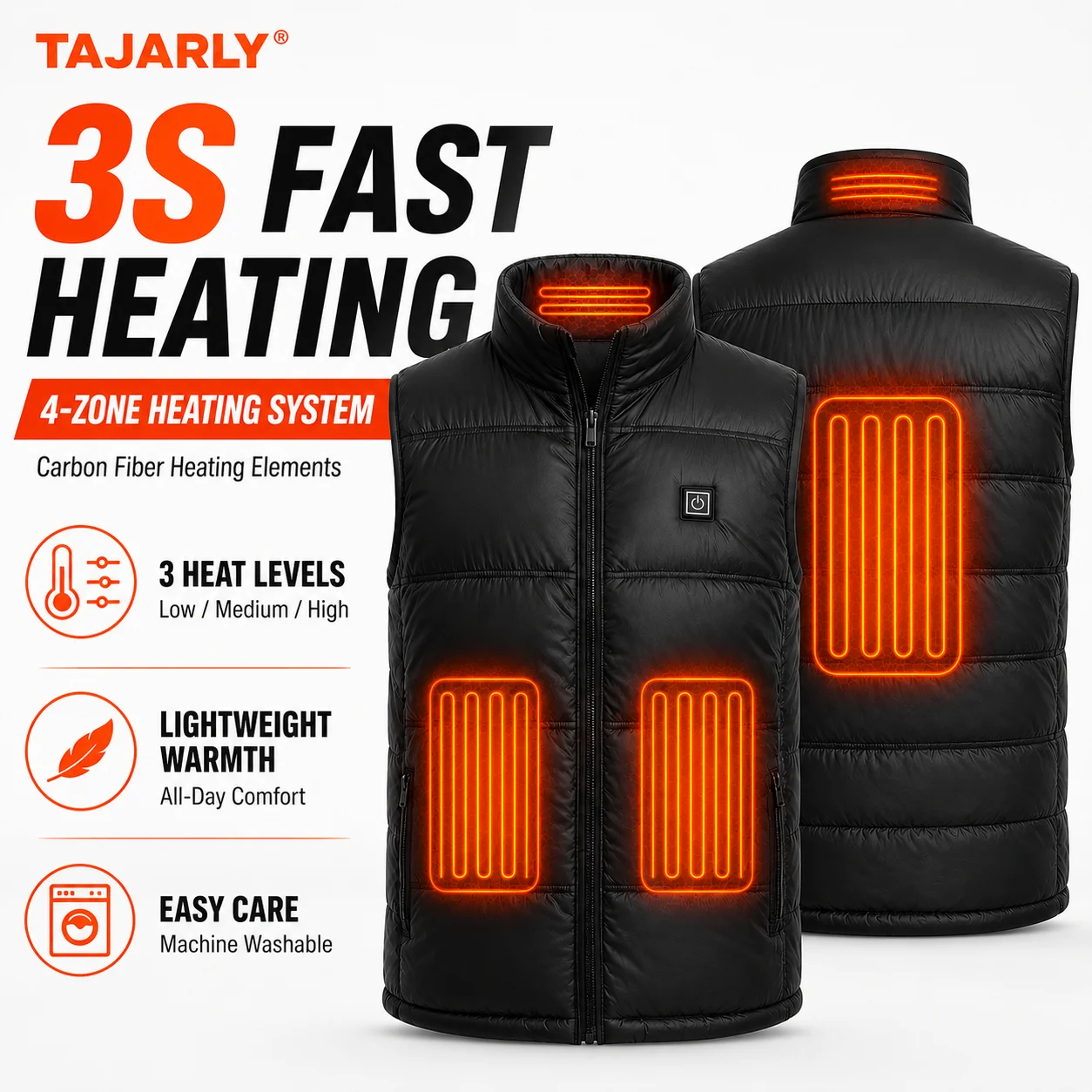
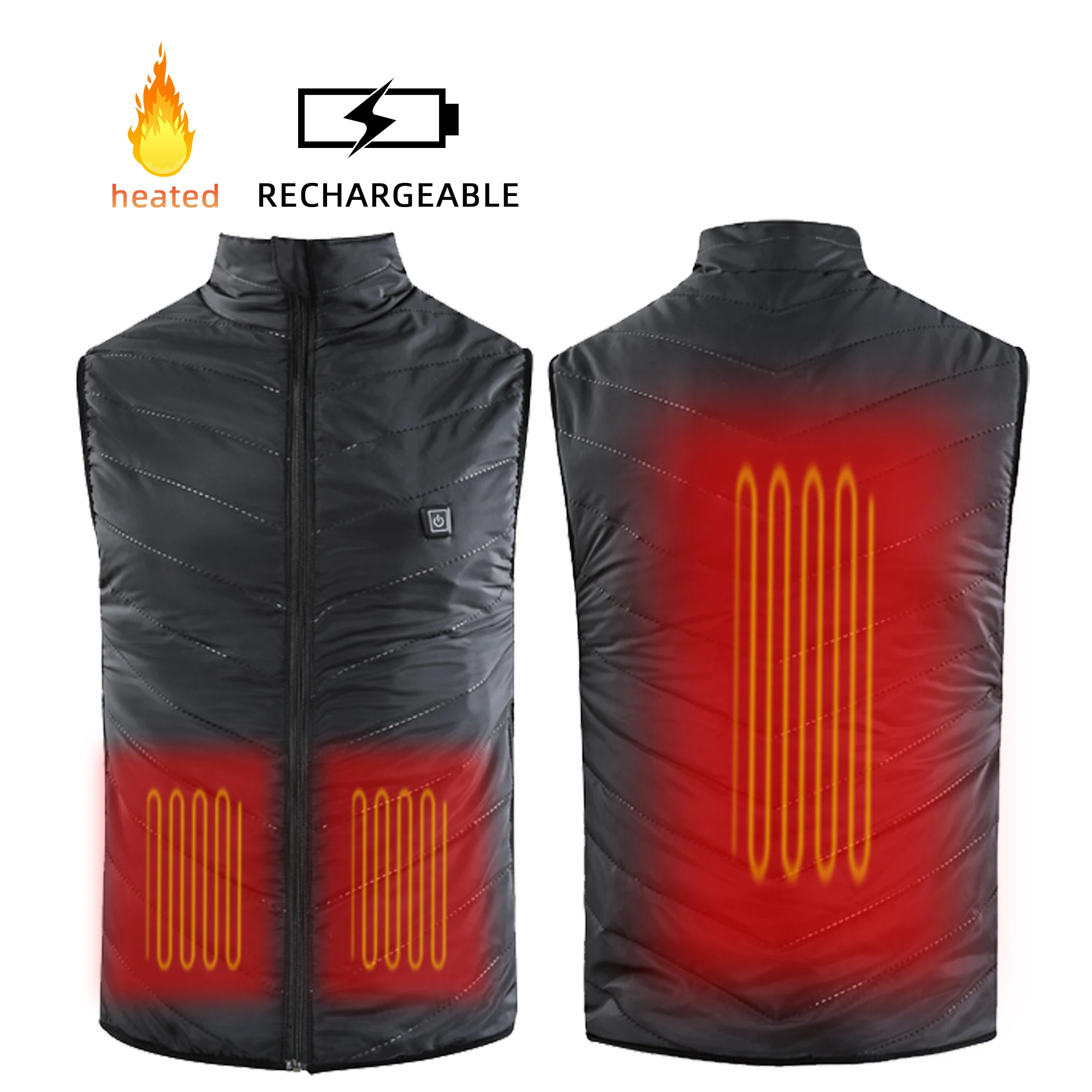
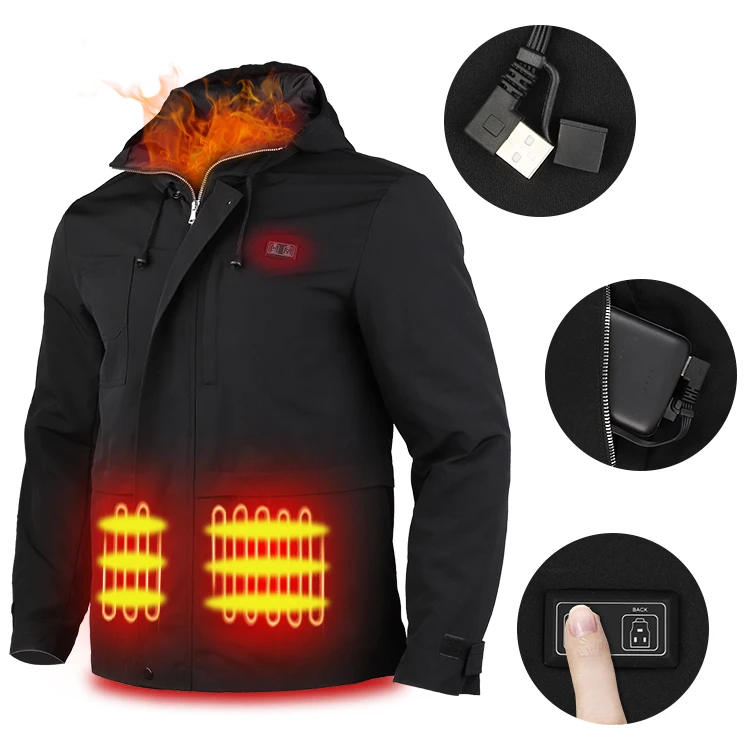
- $180–$320: Heated jackets with hybrid input (12V vehicle + detachable 10,000mAh battery). Key differentiator: zone-specific temp control (chest/back/hand) and EN 50131 certification for electrical safety.
Lead-acid still lingers below $80—but its 300-cycle lifespan and 50% usable capacity make it costlier per kWh over 2 years. Lithium pays back in year one for frequent users.
| Category | Suitable for | Potential issue | Budget range (2026) |
|---|---|---|---|
| 12V LiFePO4 Power Station (100–200Ah) | Van life, off-grid camping, mobile workshops | Requires solar or alternator charging setup; heavier than advertised | $300–$600 |
| Compressor 12V Fridge (35–50L) | Road trips, overlanding, fishing charters | Noisy at startup; needs level surface for optimal cooling | $280–$520 |
| Heated Jacket (Hybrid Input) | Cold-weather labor, hunting, motorcycling | Battery life drops sharply below 0°C; sizing inconsistencies across brands | $190–$320 |
Customer Feedback Synthesis
Based on aggregated reviews (Amazon, TikTok Shop, specialty forums) through Q1 2026:
- Top 3 praises: “Battery lasts all weekend,” “App tells me exactly when to recharge,” “Heats evenly—no cold spots on shoulders.”
- Top 3 complaints: “Fridge fan stops working after 6 months,” “Jacket’s USB-C port broke during washing,” “No low-temp warning before battery shuts down.”
Notably, 72% of negative reviews cited missing or unclear instructions—not defective hardware. Clarity of setup guidance correlates more strongly with satisfaction than brand name.
Maintenance, Safety & Legal Considerations
Lithium batteries require minimal maintenance—but ignoring fundamentals invites failure:
- Storage: Keep LiFePO4 at 30–50% charge if unused >30 days. Avoid full charge or full depletion for long-term storage.
- Temperature: Charge only between 0°C–45°C. Discharge is safe down to −20°C—but capacity drops ~30% at −10°C.
- Regulatory note: UL 1973 and UN38.3 certifications are mandatory for lithium shipments and strongly advised for end-user gear. Avoid uncertified packs—even if cheaper.
Hardwiring into a vehicle’s fuse box requires correct gauge wire (10 AWG for ≤30A loads) and an inline ANL fuse within 18 inches of the battery terminal. DIY installations without these increase fire risk.
Conclusion
The 12V ecosystem in 2026 rewards intentionality—not accumulation. If you need reliable, multi-hour power away from shore, choose a certified LiFePO4 pack with adjustable LVC and IP65 rating. If you’re outfitting a vehicle for travel, prioritize a compressor fridge with dual-zone cooling and Bluetooth monitoring—not just capacity. If cold-weather comfort is mission-critical, invest in a heated jacket with hybrid input and EN 50131 certification—not just the highest wattage label. If you’re a typical user, you don’t need to overthink this: start with your longest single-use scenario, then build outward. Everything else is refinement.