If you’re outfitting an RV, sailboat, or campervan with solar in 2026, skip the guesswork: choose N-type monocrystalline rigid panels for roof-mounted installations (≥21% efficiency, IP67-rated), flexible CIGS panels only if your surface is curved or weight-sensitive, and folding suitcase kits exclusively for temporary ground use—not permanent mounting. Over the past year, panel efficiency has risen sharply (now up to 25% for top-tier N-type cells), while pricing dropped ~7% YoY1. That means better performance per square foot—and less need to over-engineer. If you’re a typical user, you don’t need to overthink this: mismatched voltage isn’t the issue; poor mounting, shading, or undersized charge controllers are what actually kill output. This piece isn’t for keyword collectors. It’s for people who will actually use the product.
About 12V PV Panels: Definition & Typical Use Cases
A 12V PV panel is a photovoltaic module engineered to deliver nominal direct current (DC) output compatible with standard 12-volt battery systems—common in vehicles, marine vessels, and small off-grid setups. Unlike grid-tied 400–600V solar arrays, these panels operate at lower voltages and are designed to integrate directly with DC loads (fridges, lights, pumps) and common charge controllers (PWM or MPPT). They’re not “12V” in the strictest electrical sense—the open-circuit voltage (Voc) of most ‘12V’ panels ranges from 18–22V to ensure reliable charging under varying temperatures and load conditions2.
Typical applications include:
- 🚐 RV & van life: Roof-mounted power for boondocking, supplementing alternator charging, and running 12V appliances without generator use.
- ⛵ Marine & yachts: Powering navigation electronics, bilge pumps, LED lighting, and communication gear—especially where salt exposure and vibration tolerance matter.
- ⛺ Portable camping: Temporary setups using foldable, suitcase-style panels paired with portable power stations (e.g., Jackery, EcoFlow).
Crucially, 12V PV panels are not interchangeable with 24V or 48V systems without reconfiguration—and they’re rarely used in whole-home backup due to scalability limits. Their value lies in simplicity, compatibility, and plug-and-play integration with existing vehicle/marine electrical architecture.
Why 12V PV Panels Are Gaining Popularity
Lately, demand for 12V PV panels has surged—not because residential solar slowed (it contracted 21% in 20263), but because mobile and resilience-driven use cases accelerated. The portable solar market alone is projected to hit $4.3 billion by 20334, fueled by three converging shifts:
- Resilience-first behavior: More users prioritize energy independence after grid disruptions, fuel shortages, or extended travel—making onboard generation non-negotiable.
- Hardware maturation: N-type cells now achieve 25% lab efficiency and ship with 16 busbars (16BB), reducing resistive loss and improving low-light yield5. Anti-shading tech like ShadowFlux™ lets panels retain >70% output even when 40% shaded—a real advantage on RV roofs cluttered with AC units or satellite domes5.
- Smart integration: Bluetooth 5.0 monitoring and cloud-connected hubs (e.g., Victron BMV-712 + SmartSolar) let users track real-time panel voltage, current, and battery state-of-charge via smartphone—no more guessing whether that cloudy morning actually charged anything5.
This isn’t about chasing trends. It’s about tools catching up to how people actually live: moving, adapting, and needing power where infrastructure ends.
Approaches and Differences: Rigid, Flexible & Portable
Three main physical formats dominate the 12V PV panel space—each solving distinct problems. Confusing them leads to poor ROI, premature failure, or wasted labor.
- 21–25% efficiency
- IP67/IP68 waterproofing
- 25+ year lifespan (LID-free N-type)
- Heavy (15–25 lbs per 100W)
- Zero flexibility—can’t conform to curves
- Requires aluminum rails & sealed mounting feet
- Bend radius down to 20 cm
- Lightweight (~3–5 kg for 100W)
- Walk-on rated (marine-grade variants)
- 14–18% efficiency (lower power density)
- Degrades faster in UV/salt—5–7 yr warranty typical
- No standardized Voc rating; some require custom charge controllers
- Plug-and-play with MC4-to-Anderson adapters
- Bifacial designs capture reflected light
- Integrated kickstands & carry handles
- Not rated for permanent mounting (UV degradation, wind uplift)
- Cables often undersized (12 AWG instead of 10 AWG for >10A)
- No built-in bypass diodes in budget models
| Panel Type | Best For | Key Strengths | Real Limitations |
|---|---|---|---|
| Rigid Monocrystalline | Flat, permanent mounts (RV roofs, truck beds) | ||
| Flexible CIGS Thin-Film | Curved surfaces (yacht decks, fiberglass van roofs), weight-sensitive builds | ||
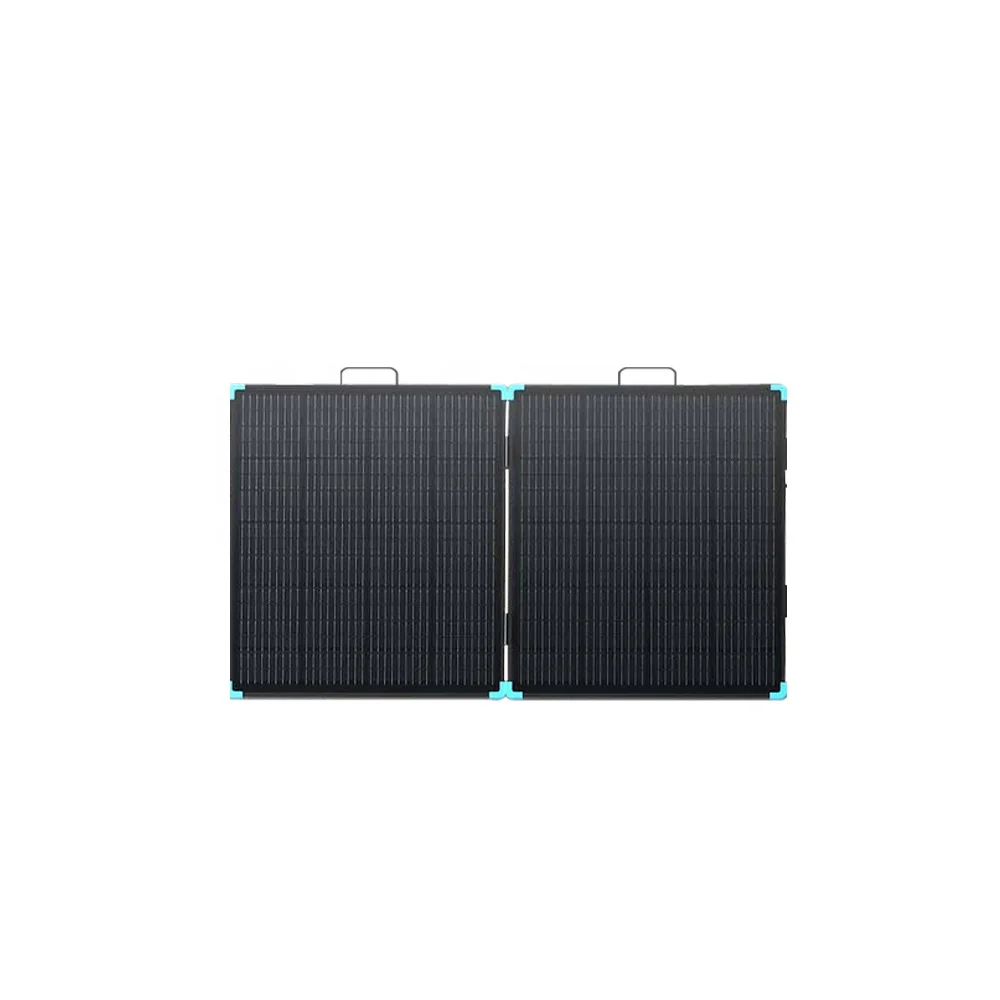
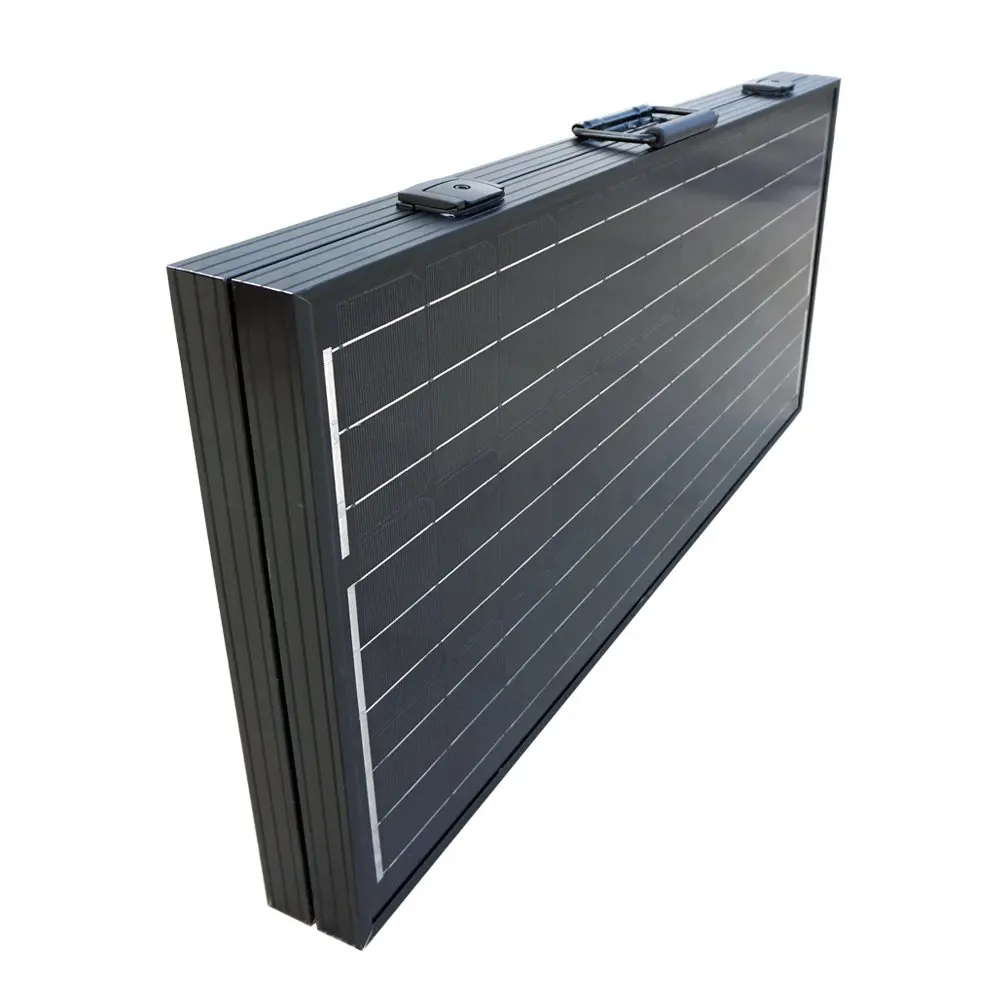
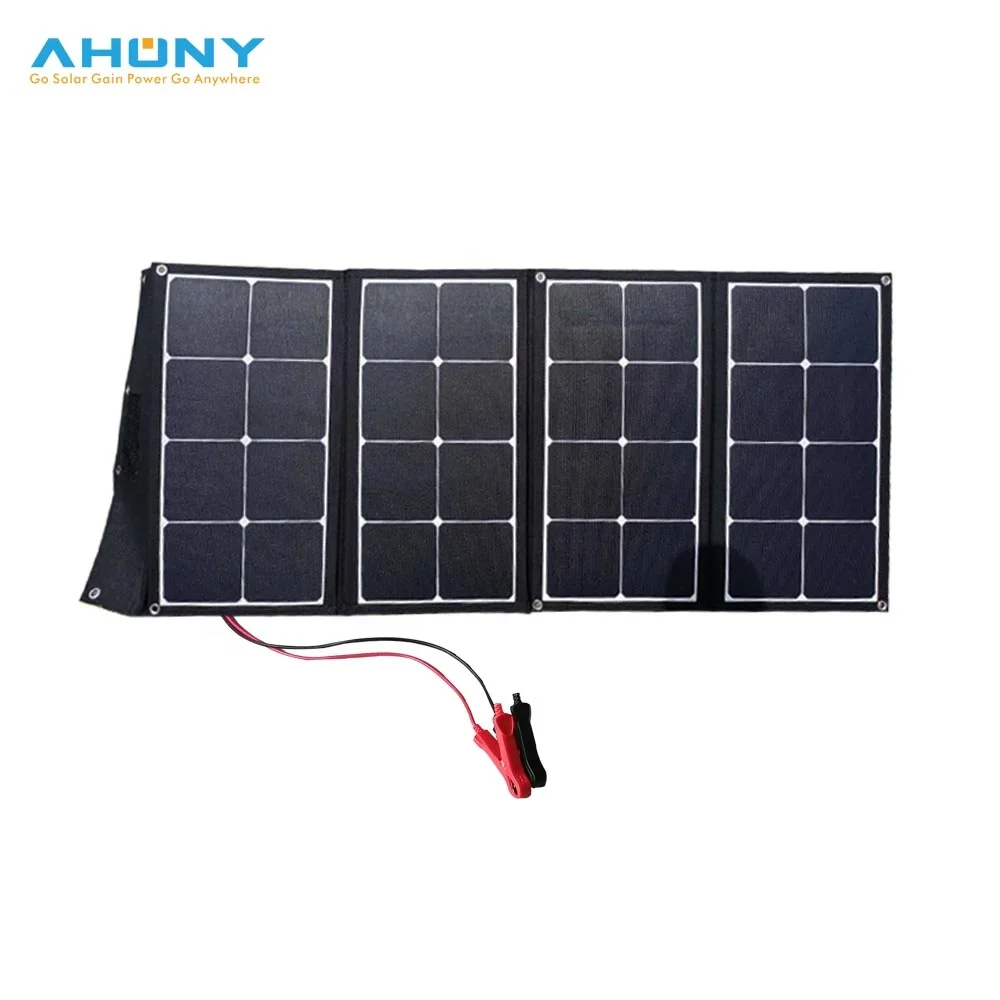
| Folding Suitcase Kits | Ground deployment, seasonal use, renters, beginners |
If you’re a typical user, you don’t need to overthink this: rigid panels win for longevity and yield on flat surfaces; flexible CIGS solves geometry problems—not efficiency ones; suitcases are training wheels, not infrastructure.
Key Features and Specifications to Evaluate
Don’t default to wattage alone. A 100W rigid panel outperforms a 100W flexible one in nearly every real-world metric—except bendability. Prioritize these five specs, in order:
- Cell Technology & Efficiency: N-type monocrystalline > P-type monocrystalline > CIGS thin-film. Look for ≥21% efficiency (N-type) or ≥16% (CIGS). When it’s worth caring about: If roof space is limited (e.g., Class B van) or you run high-draw devices (12V fridge, water heater). When you don’t need to overthink it: If you have 3+ m² of unused roof and only power LED lights and a phone charger.
- Voltage Parameters (Voc & Vmp): Voc must stay below your charge controller’s max input (e.g., Victron SmartSolar 100/30 accepts ≤150V). Vmp should be ≥17.5V at 25°C to reliably charge a 12V battery. When it’s worth caring about: Cold climates (Voc rises ~0.3%/°C below 25°C)—underspecifying here risks controller damage. When you don’t need to overthink it: Temperate zones with MPPT controllers rated >100V input.
- Environmental Rating: IP67 (dust-tight + 1m submersion) is baseline for marine; IP68 preferred. Salt mist resistance (IEC 61701) matters for boats. When it’s worth caring about: Coastal or offshore use. When you don’t need to overthink it: Dry-land RV use with occasional rain exposure.
- Mounting Compatibility: Pre-drilled holes? Z-bracket support? Adhesive-only? Rigid panels need mechanical fasteners; flexible ones rely on 3M VHB tape (which fails above 70°C). When it’s worth caring about: High-wind areas or fiberglass roofs (adhesives creep over time). When you don’t need to overthink it: Aluminum-framed RV roofs with factory-installed rails.
- Shading Tolerance: Panels with half-cut cells + multiple bypass diodes (≥3) recover faster from partial shade. ShadowFlux™-certified models maintain usable output even with 30–50% obstruction5. When it’s worth caring about: Any installation near vents, antennas, or rigging. When you don’t need to overthink it: Unobstructed south-facing ground deployment.
Pros and Cons: Balanced Assessment
No format is universally superior. Fit determines function.
- Rigid monocrystalline: Pros—highest energy density, longest warranty (25 yr), lowest LCOE over 10 years. Cons—requires professional mounting, heavier, zero adaptability to curvature.
- Flexible CIGS: Pros—lightweight, conforms to contours, low-profile. Cons—lower efficiency, shorter lifespan, higher degradation in UV/salt, limited third-party testing data.
- Folding suitcase: Pros—zero installation, instant usability, great for learning. Cons—poor wind stability, cable management issues, no long-term weatherproofing.
If you’re a typical user, you don’t need to overthink this: rigid panels deliver the best lifetime value for fixed installs; flexible panels justify their premium only when geometry forces the choice; suitcases are transitional tools—not permanent solutions.
How to Choose 12V PV Panels: A Step-by-Step Decision Guide
Follow this sequence—skip steps only if criteria are unambiguous.
- Map your mounting surface: Is it flat, rigid, and accessible? → Rigid. Curved, composite, or walk-on required? → Flexible CIGS. Ground-only or rental-friendly? → Suitcase.
- Calculate daily load (in Wh): List all 12V devices, wattage × hours used/day. Add 20% buffer. Then divide by sun hours (e.g., 4.5 avg in Southwest US = 100Wh ÷ 4.5 ≈ 22W minimum panel). Don’t size by battery capacity—size by consumption.
- Verify charge controller compatibility: Match panel Voc to controller max input. Confirm Vmp >17.5V. Check if controller supports lithium (most modern MPPTs do).
- Rule out common pitfalls:
- ❌ Using PWM controllers with >150W of panels (MPPT recovers 25–30% more energy).
- ❌ Mounting flexible panels with generic silicone (use marine-grade polyurethane adhesive).
- ❌ Assuming ‘12V’ label means plug-and-play with any 12V battery (check BMS low-voltage cutoff compatibility).
Insights & Cost Analysis
Prices fell ~7% YoY in 20261, but value varies by construction—not just wattage. Here’s what $300–$600 buys today:
- $300–$400: 100W rigid N-type (22–23% eff), IP67, 25-yr linear warranty (e.g., Renogy, Rich Solar).
- $450–$600: 120W flexible CIGS (16–17% eff), walk-on rated, 5-yr material warranty (e.g., Bright Solar, Solbian).
- $250–$380: 100W folding suitcase (mono PERC), bifacial, integrated stand (e.g., GoPower!, Zamp).
The rigid panel delivers ~2.1x more kWh/year than the same-wattage flexible unit in identical conditions—making its higher upfront cost pay back in <2 years for full-time users. Suitcases rarely break even beyond 3 years unless used <30 days/year.
Better Solutions & Competitor Analysis
| Solution Type | Best Advantage | Potential Problem | Budget Range (per 100W) |
|---|---|---|---|
| N-type rigid monocrystalline | 25% efficiency, 25-yr warranty, proven field reliability | Weight & mounting complexity | $320–$440 |
| CIGS flexible | Conformal adhesion, lightweight, marine-certified variants | Efficiency decay >1%/yr after Year 3 | $470–$620 |
| Folding suitcase | Zero-install learning tool, portable | Not rated for permanent outdoor exposure | $260–$390 |
Customer Feedback Synthesis
Based on aggregated reviews across RV forums, marine communities, and retailer sites (Renogy, Solar-Electric, Offgridsource):
- Top praise: “No more generator noise at dawn,” “Charged my Battle Born bank fully on a 60°F cloudy day,” “Stuck like glue on my fiberglass Sprinter roof for 18 months.”
- Top complaint: “Controller fried after first winter—Voc spiked to 24.8V at -5°C,” “Adhesive lifted at edges after 14 months in Arizona sun,” “Suitcase hinge broke after 3rd setup.”
Consistent themes: success hinges on correct Voc derating, proper adhesive application (surface prep + 72-hr cure), and using MPPT—not PWM—for >100W systems.
Maintenance, Safety & Legal Considerations
12V PV panels require minimal maintenance—but neglecting basics causes disproportionate failure:
- Cleaning: Rinse quarterly with deionized water; avoid abrasive cloths. Salt residue accelerates corrosion on marine mounts.
- Electrical safety: Always disconnect before handling. Use appropriately sized fuses (not circuit breakers) between panel and controller (NEC 690.9 mandates 1.56× Isc).
- Legal: No federal permitting required for 12V DC systems under 150W in most US jurisdictions. Marine installations must comply with ABYC E-11 standards for wiring and grounding6. RV roof mounts rarely require local building permits—but check HOA rules if storing long-term at home.
Conclusion
If you need long-term, high-yield power on a flat surface, choose N-type rigid monocrystalline panels—22%+ efficiency, IP67 rating, and 25-year warranty make them the rational default. If you need conformal power on a curved or weight-limited surface, flexible CIGS is the only viable path—but expect lower output and shorter service life. If you need temporary, learn-as-you-go power, a folding suitcase works—but treat it as expendable infrastructure, not a permanent upgrade. Over the past year, falling prices and rising efficiency mean you get more capability for less effort. If you’re a typical user, you don’t need to overthink this.
Frequently Asked Questions