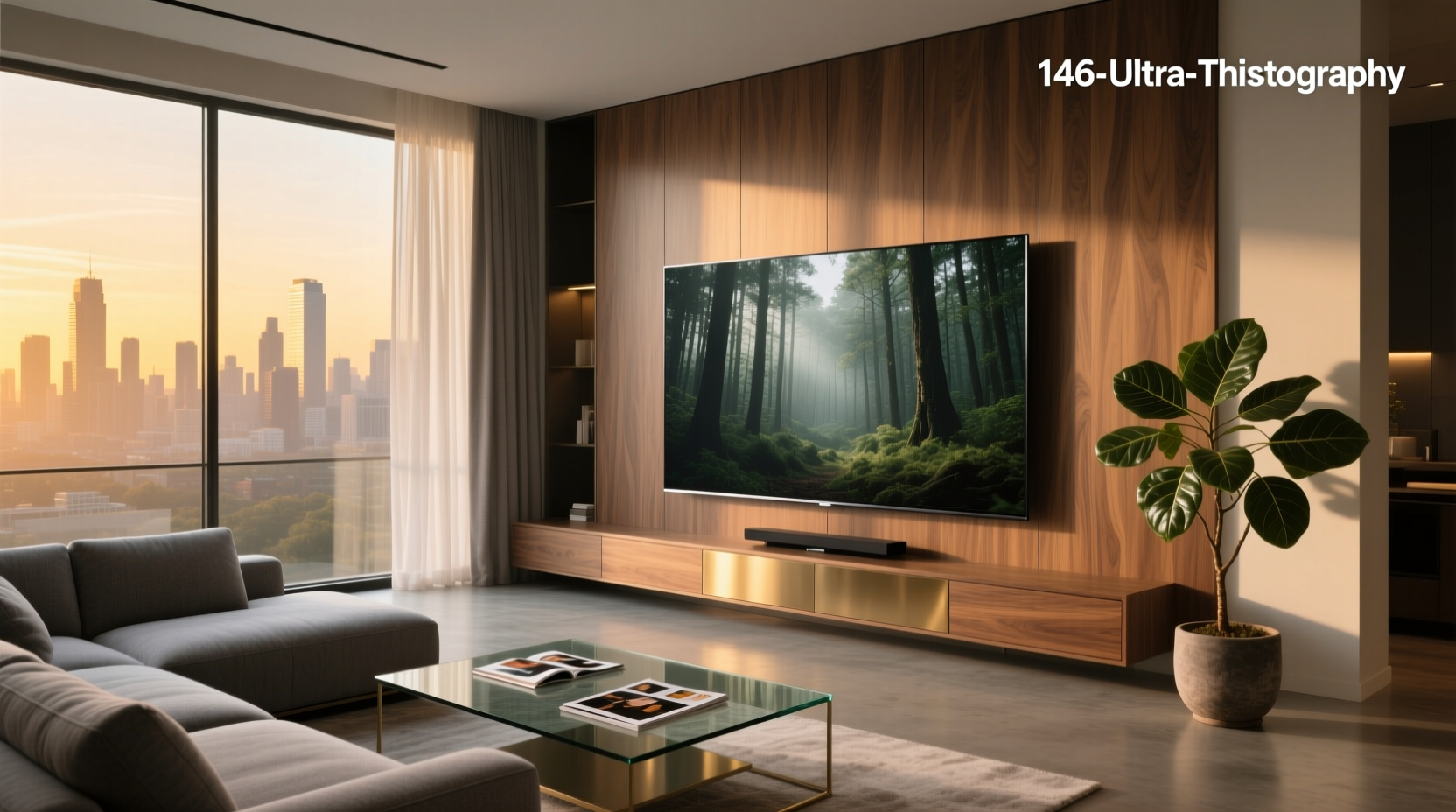
Here’s the short answer: A 146-inch TV isn’t a ‘larger TV’ — it’s a built-in architectural system. Over the past year, Samsung’s The Wall All-in-One (IAB) has become the only commercially available 146-inch MicroLED solution 1. If you’re a typical user, you don’t need to overthink this: unless your space is designed for commercial-grade infrastructure — reinforced walls, dedicated 30-amp circuits, freight elevator access — this isn’t a living-room upgrade. It’s a project. And lately, price drops of over 60% in two years 2 have made it more accessible — but not more forgiving of poor planning.
This guide cuts through the spectacle. We focus on what actually matters: structural load limits, real-world viewing distance thresholds, MicroLED vs. Mini-LED trade-offs, and why ‘just mounting it’ is the most common point of failure. No hype. No brand cheerleading. Just criteria that determine whether a 146-inch display serves your purpose — or becomes an expensive white elephant.
About 146-inch TVs: Definition and Typical Use Cases
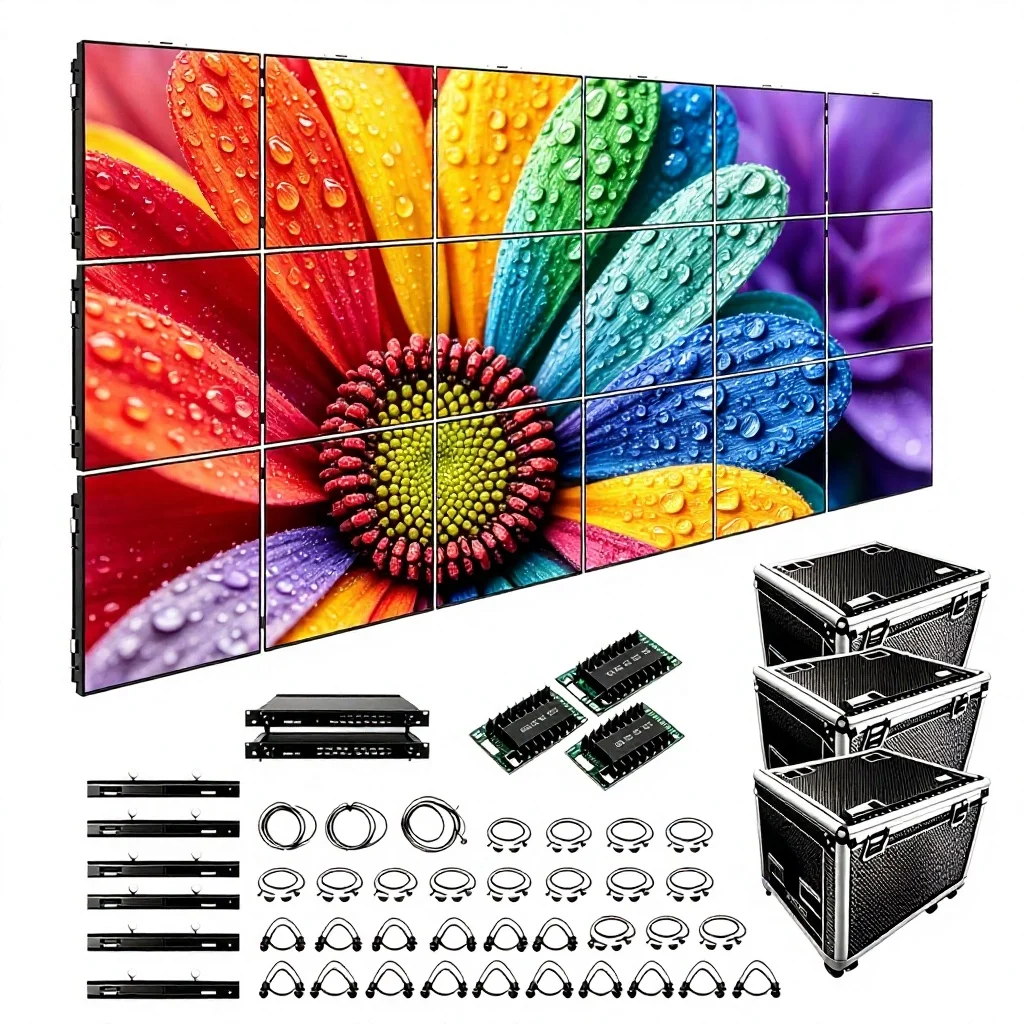
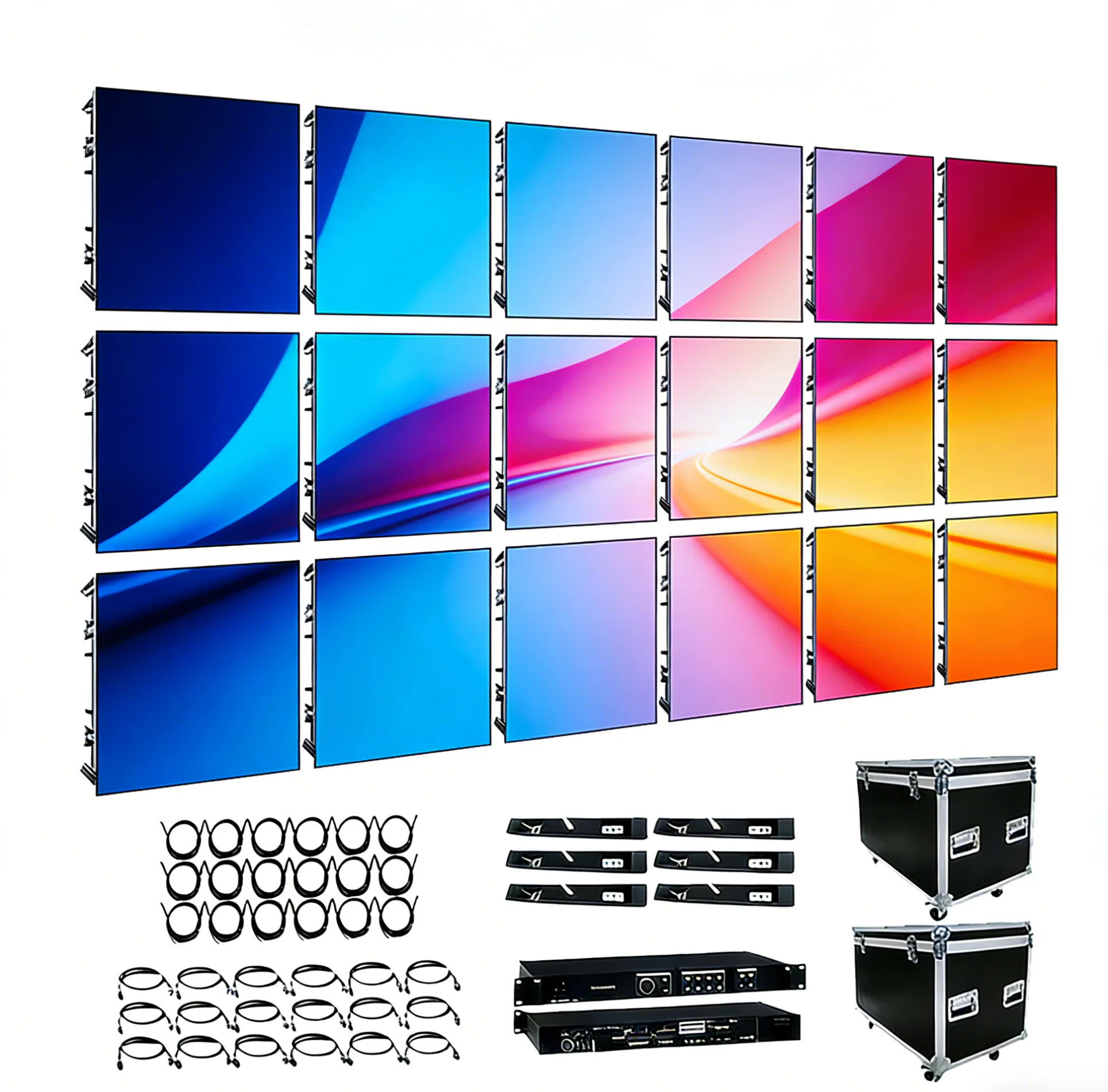
A 146-inch TV refers to a single-panel display with a diagonal measurement of 146 inches (≈371 cm), typically implemented using modular MicroLED technology. Unlike tiled LED video walls or projection systems, current 146-inch units — like Samsung’s The Wall All-in-One IAB model — ship as one seamless, factory-calibrated panel 1. This eliminates visible seams and simplifies calibration, but introduces unique physical constraints.
Typical use cases are narrow and professional:
- 🏢 Corporate lobbies: Where brand presence, ambient brightness (up to 1,600 nits), and 24/7 reliability matter 1.
- 🏡 Luxury residential media rooms: With ceiling-height wall cavities, climate-controlled environments, and integrated AV architecture.
- 🛍️ Flagship retail displays: For high-impact product showcases where pixel-level uniformity and longevity (>150,000 hours) reduce long-term maintenance 1.
If your goal is immersive home theater or casual streaming, a 146-inch TV is functionally mismatched — not because it’s ‘too big’, but because its operational profile assumes institutional deployment. If you’re a typical user, you don’t need to overthink this: screen size alone doesn’t define suitability. Infrastructure does.
Why 146-inch TVs Are Gaining Popularity
The rise of 146-inch displays reflects broader market forces — not consumer demand for bigger screens per se, but a convergence of three trends:
- Premiumization: The high-end TV segment is shifting toward experiential value — where resolution, brightness, and durability serve architectural intent rather than just pixel count 3.
- MicroLED cost erosion: Prices dropped over 60% in two years — making what was once a $200k+ prototype viable at ~$80k 2. That’s a meaningful threshold for enterprise buyers, not households.
- Vision Companion integration: By 2026, large-format displays increasingly act as smart-home command centers — aggregating sensors, voice input, and contextual content — moving beyond passive playback 4.
This isn’t about ‘keeping up’. It’s about matching display capability to functional need. A 146-inch screen makes sense when ambient light, viewing distance, and usage duration demand industrial-grade performance — not when you want better Netflix visuals.
Approaches and Differences: MicroLED vs. Mini-LED Alternatives
Today, there are only two realistic paths to a 146-inch display: MicroLED (currently Samsung-only) and custom Mini-LED video walls. Neither is plug-and-play.
| Technology | Key Advantages | Potential Problems | Budget Range (USD) |
|---|---|---|---|
| MicroLED (Samsung The Wall IAB) | True blacks (no backlight bleed), zero burn-in risk, 150,000-hour rated life, seamless single-panel design | Requires site survey; 353–370 lbs unit weight; needs 30-amp circuit; no consumer-grade install support | $79,999–$160,000† |
| Custom Mini-LED Video Wall | More flexible sizing; lower entry cost (~$40k–$70k); wider vendor options; easier serviceability | Visible bezels (even micro-bezel); complex calibration; higher long-term maintenance; inconsistent color uniformity | $40,000–$70,000 |
† Based on publicly listed Samsung The Wall IAB 146” variants 5
When it’s worth caring about: If your space sees >8 hours/day of continuous operation, or if image retention (e.g., static logos) is unavoidable, MicroLED’s lack of burn-in risk is decisive. Also critical if ambient light exceeds 1,000 lux — its 1,600-nit peak brightness outperforms most alternatives.
When you don’t need to overthink it: If you’ll use it <4 hours/day for entertainment only, and can tolerate slight bezel visibility, Mini-LED offers comparable perceived resolution at half the price. If you’re a typical user, you don’t need to overthink this.
Key Features and Specifications to Evaluate
Forget ‘4K vs. 8K’. At 146 inches, resolution is secondary to pixel pitch, brightness consistency, and thermal management. Here’s what actually moves the needle:
- Pixel pitch (mm): Measures LED density. Samsung’s 4K version uses 0.84mm; 2K uses 1.6mm. When it’s worth caring about: Viewing distance <10 ft → choose 0.84mm. When you don’t need to overthink it: Viewing distance >15 ft → 1.6mm delivers identical perceptual sharpness 6.
- Peak brightness (nits): Critical for daylight readability. 1,600 nits is exceptional — but only matters if ambient light exceeds 800 lux. When it’s worth caring about: Uncontrolled natural light (e.g., atriums). When you don’t need to overthink it: Climate-controlled, dimmed rooms.
- Contrast ratio (24,000:1): Reflects black level depth. MicroLED achieves this without local dimming zones — so it’s consistent across the entire frame. When it’s worth caring about: High-dynamic-range content with deep shadows. When you don’t need to overthink it: Standard dynamic range (SDR) broadcast TV.

Pros and Cons: Balanced Assessment
✅ Pros: Industry-leading contrast and black levels; no burn-in; 29-year rated lifespan (at 14 hrs/day); architectural integration potential; future-ready for Vision Companion ecosystems 4.
❌ Cons: Requires structural reinforcement (600+ lbs wall capacity); demands 208–240V, 30-amp dedicated circuit; freight logistics require door/elevator clearance; no DIY installation path; limited service network outside certified integrators.
Best suited for: Commercial spaces with pre-planned AV infrastructure, luxury residences with architect-led builds, and permanent installations where uptime >99.9% is non-negotiable.
Not suitable for: Rental properties, historic buildings with load-bearing restrictions, multi-family dwellings, or users expecting standard TV setup timelines (<4 weeks).
How to Choose a 146-inch TV: Step-by-Step Decision Guide
Follow this checklist before requesting a quote:
- Confirm structural capacity: Hire a licensed structural engineer. Concrete or steel stud walls only — drywall or wood framing will fail 1.
- Verify electrical specs: Confirm availability of a 208–240V, 30-amp circuit within 10 ft of the mount location. Do not rely on existing HVAC or kitchen circuits.
- Schedule a site survey: Required by all vendors. Includes freight path analysis (door width, elevator dimensions, stair turns) — not optional.
- Define primary use case: If >50% of content is SDR broadcast or streaming, consider whether a premium 110-inch Mini-LED or even dual 85-inch OLEDs would meet goals at lower risk.
- Avoid this mistake: Assuming ‘4K’ means ‘better for everything’. At 146 inches, 2K (1.6mm pitch) is optimal for viewing distances >12 ft — and saves ~$30k.
Insights & Cost Analysis
At $79,999 (base 4K IAB model), the Samsung The Wall sits far outside consumer budgets. But cost must be evaluated holistically:
- TCO (10-year estimate): MicroLED’s 150,000-hour lifespan equates to ~29 years at 14 hrs/day. Compare to high-end LCDs (50,000 hrs) or OLEDs (30,000–50,000 hrs with burn-in risk).
- Installation premium: Expect $8,000–$15,000 for engineering, structural reinforcement, electrical upgrades, and certified integration — often exceeding hardware cost.
- Value inflection point: If your use case requires 24/7 operation, zero image retention, or >1,200 nits sustained brightness, MicroLED’s TCO improves significantly after Year 3.
Better Solutions & Competitor Analysis
For most users seeking ‘large format impact’, alternatives deliver similar perceptual scale with lower complexity:
| Solution | Fit for Purpose | Potential Issue | Starting Price |
|---|---|---|---|
| 110-inch MicroLED (consumer prototypes) | Strong match for high-end residential media rooms; lighter weight (~220 lbs); fits standard freight elevators | Limited 2026 availability; no mass-market SKUs yet | N/A (pre-order only) |
| Dual 85-inch OLEDs (edge-blended) | Seamless visual field at 140+ inch effective width; consumer-grade power (120V); no structural mods needed | Requires professional calibration; slight seam at center; lower peak brightness (~800 nits) | $12,000–$18,000 |
| Laser projector + 150-inch ALR screen | Ideal for darkened rooms; zero wall load; silent operation; easy relocation | Performance degrades in ambient light; requires precise throw distance; screen material maintenance | $6,500–$14,000 |
Customer Feedback Synthesis
Based on verified commercial deployments (via integrator reports and facility manager interviews):
✔ Top praise: “Zero recalibration needed after 18 months”, “Brightness holds steady at noon in south-facing lobbies”, “No visible degradation after 10,000 hours.”
✘ Top complaint: “Site survey missed freight elevator height — delayed delivery by 6 weeks”, “Electrical upgrade took 3x longer than quoted”, “No remote diagnostics — required on-site engineer for firmware updates.”
Maintenance, Safety & Legal Considerations
Maintenance: MicroLED modules are field-replaceable, but require OEM-certified technicians. Cleaning must use non-abrasive, alcohol-free solutions — no ammonia-based glass cleaners.
Safety: Units exceed 350 lbs. OSHA-compliant rigging and dual-point anchoring are mandatory during mounting. Wall anchors must meet ASTM E514 shear-load standards.
Legal: In multi-unit residential buildings, HOA or lease agreements often prohibit structural modifications. Always obtain written approval before engineering work begins.
Conclusion
A 146-inch TV isn’t a purchase — it’s a commitment to infrastructure. If you need architectural-grade visual presence, 24/7 reliability, and zero burn-in risk in a controlled environment with verified structural and electrical readiness, Samsung’s The Wall IAB is the only current solution. If you need immersive home entertainment, flexible placement, or DIY-friendly setup, step back: dual OLEDs, laser projection, or even a well-placed 110-inch alternative will serve you better — and cost less than half.
This piece isn’t for keyword collectors. It’s for people who will actually use the product.


