For most home offices, gaming rigs, or small-server setups using modern PCs with Active PFC power supplies, a Line-Interactive 1500VA UPS with Pure Sine Wave output and Automatic Voltage Regulation (AVR) is the optimal choice — not the cheapest, not the most complex, but the one that reliably prevents crashes, avoids hardware stress, and delivers real-world resilience. If you’re a typical user, you don’t need to overthink this.
Lately, the 1500VA uninterruptible power supply segment has shifted decisively: Pure Sine Wave is no longer optional for high-end desktops and workstations, and Line-Interactive topology now dominates mid-tier deployments thanks to smarter AVR and tighter cost-efficiency balance. Over the past year, adoption of lithium-ion battery variants and cloud-managed monitoring has accelerated — but those upgrades matter far less than getting the waveform and topology right first. This piece isn’t for keyword collectors. It’s for people who will actually use the product.
About 1500VA Uninterruptible Power Supplies
A 1500VA uninterruptible power supply is a battery-backed power conditioner designed to bridge short outages (seconds to minutes), suppress surges, and stabilize voltage fluctuations. The “1500VA” rating refers to its apparent power capacity — not real power (watts). Due to typical power factors (0.6–0.9), actual wattage support ranges from 900W to 1350W. That makes it suitable for:
- 💻 High-end gaming PCs (e.g., RTX 4090 + Ryzen 9 builds)
- 🖥️ Dual-monitor workstations with iMac or Dell Precision-class systems
- 📡 Home labs running NAS, homelab servers, or edge compute nodes
- 📡 Network infrastructure (managed switches, firewalls, VoIP gateways)
It sits between entry-level 600–1000VA units (often Simulated Sine Wave, Standby topology) and enterprise-grade 3kVA+ Online UPS systems. Its sweet spot is prosumer protection: more robust than consumer-grade, less costly and complex than data-center solutions.
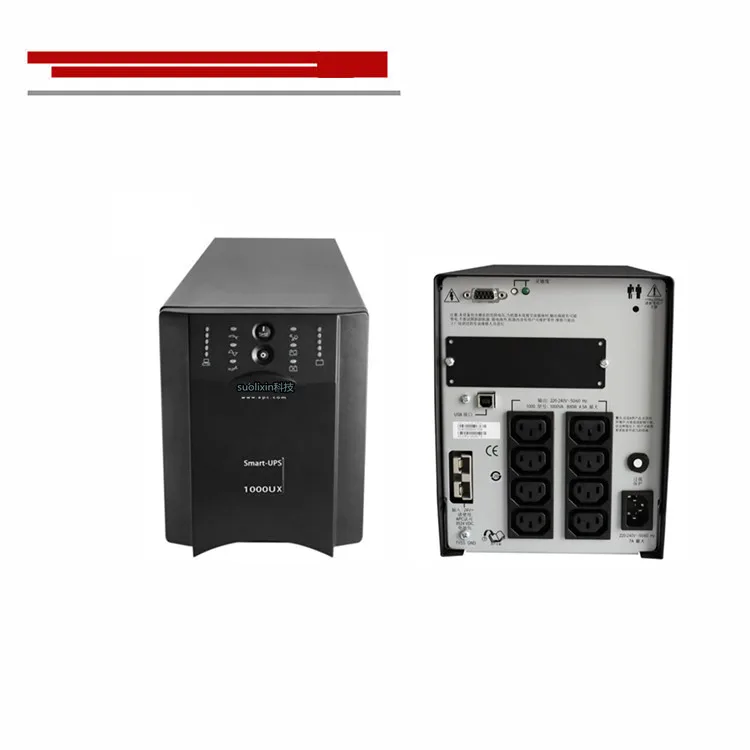
Why 1500VA UPS units are gaining popularity
Three converging forces explain the surge in demand for 1500VA units:
- Remote work density: More users run dual-GPU workstations, NAS enclosures, and always-on network gear — all sensitive to brownouts and waveform incompatibility 1.
- Active PFC proliferation: Nearly every 80 PLUS Gold+ PSU and Apple iMac power supply uses Active Power Factor Correction — which requires Pure Sine Wave input to avoid shutdowns or audible coil whine 2.
- Edge infrastructure growth: 5G rollout and distributed IoT deployments rely on localized backup — and 1500VA is the standard size for telecom closets and micro-data centers 3.
These aren’t theoretical trends — they translate directly into real-world failure modes. A simulated sine wave UPS may keep your monitor lit during an outage, but cause your workstation to reboot mid-render. That’s why this isn’t just about ‘backup time’ — it’s about compatibility integrity.
Approaches and Differences: Topology & Output Type
The two most consequential technical choices are topology (how the UPS conditions and delivers power) and output waveform (the shape of the AC electricity it generates).
Topology: Standby vs. Line-Interactive vs. Online
| Topology | Best For | Key Trade-off |
|---|---|---|
| Standby | Modems, basic monitors, non-PFC desktops | Zero voltage regulation; 4–10ms transfer time; incompatible with Active PFC |
| Line-Interactive | ✅ Gaming PCs, workstations, NAS, routers | Built-in AVR corrects ±15% voltage swings without battery use; 2–4ms transfer; cost-effective |
| Online (Double-Conversion) | Servers, medical devices, mission-critical lab gear | Zero transfer time; full isolation; 92–95% efficiency; higher heat/noise; ~30% premium |
When it’s worth caring about: If your PC has an 80 PLUS Gold or Platinum PSU, or you run virtualization or RAID arrays — Line-Interactive is the minimum viable topology. Online becomes necessary only if you host public-facing services or require zero-downtime failover.
When you don’t need to overthink it: For a single gaming PC and monitor setup, Standby is insufficient. Online is overkill. Line-Interactive hits the functional and economic center — and if you’re a typical user, you don’t need to overthink this.
Output Waveform: Pure Sine Wave vs. Simulated
Pure Sine Wave replicates utility-grid-quality AC. Simulated (Modified) Sine Wave approximates it with stepped voltage levels — cheaper to produce, but electrically noisy.
When it’s worth caring about: Every modern high-efficiency power supply (especially those labeled “Active PFC”) expects clean sine wave input. Using Simulated on such devices can trigger false overvoltage detection, cause unexpected shutdowns, or induce audible buzzing and capacitor stress 4.
When you don’t need to overthink it: If you’re backing up only passive devices — like LED monitors without USB hubs, analog audio interfaces, or legacy printers — Simulated works. But given how quickly PC PSUs have standardized on Active PFC, Pure Sine Wave is now the safe default. If you’re a typical user, you don’t need to overthink this.
Key features and specifications to evaluate
Once topology and waveform are settled, these five criteria determine real-world usability:
- Automatic Voltage Regulation (AVR): Corrects low/high voltage without draining battery. Essential in areas with frequent brownouts. Not all Line-Interactive units include it — verify specs.
- Runtime at load: Manufacturer claims often assume 25–30% load. At 80% load (e.g., 1000W), expect 3–7 minutes — enough for graceful shutdown, not extended operation.
- Communication interface: USB is standard; Ethernet or SNMP enables remote monitoring and automated shutdown via software (e.g., NUT, APC PowerChute).
- Form factor & mounting: Tower models suit under-desk placement; 2U rackmount fits server cabinets. Some support both via removable feet/ears.
- Battery type & replaceability: VRLA (lead-acid) is standard; Li-ion variants exist but cost ~25% more and remain rare in 1500VA tier. Ensure batteries are field-replaceable — avoid sealed units.
Pros and cons
Pros of a well-specified 1500VA Line-Interactive Pure Sine Wave UPS:
- Prevents Active PFC-related crashes and hardware stress
- AVR extends battery life by handling common voltage sags/swells
- Lower noise and heat vs. Online units
- Compatible with most PC, NAS, and networking gear released since 2018
Cons / Limitations:
- Not suitable for true zero-downtime environments (e.g., live streaming servers, database clusters)
- Runtime drops sharply above 75% load — not ideal for long outages without external battery packs
- Li-ion options remain scarce and premium-priced in this VA class
How to choose a 1500VA UPS: A step-by-step decision guide
- Check your total load (in watts): Use a Kill-A-Watt meter or PSU calculator. Stay ≤ 80% of rated wattage (e.g., ≤ 1080W for a 1350W-capable unit).
- Confirm your PSU uses Active PFC: Look for “80 PLUS Gold,” “Platinum,” or “Titanium” on the label — or check manufacturer spec sheets.
- Select Line-Interactive + Pure Sine Wave: Non-negotiable if #2 is true.
- Verify AVR is included: Don’t assume — some budget Line-Interactive units omit it.
- Avoid these pitfalls:
• Ignoring communication ports (you’ll miss graceful shutdown)
• Choosing Simulated Sine Wave to save $50 (risking system instability)
• Assuming “1500VA = 1500W” (real wattage is lower — always check Watts rating)
Insights & Cost Analysis
As of mid-2024, street prices for reputable 1500VA Line-Interactive Pure Sine Wave UPS units range from $220–$380:
- Mid-tier (APC BR1500MS, CyberPower CP1500PFCLCD): $220–$270
- Premium (Eaton 5P1550i, Tripp Lite SMART1500LCD): $300–$380
Chinese OEM units (e.g., Huayu, Delta OEMs) offer similar specs at ~18% lower cost 5, but often lack certified firmware, UL listing, or local warranty support. For home use, the mid-tier group offers the strongest value-to-reliability ratio.
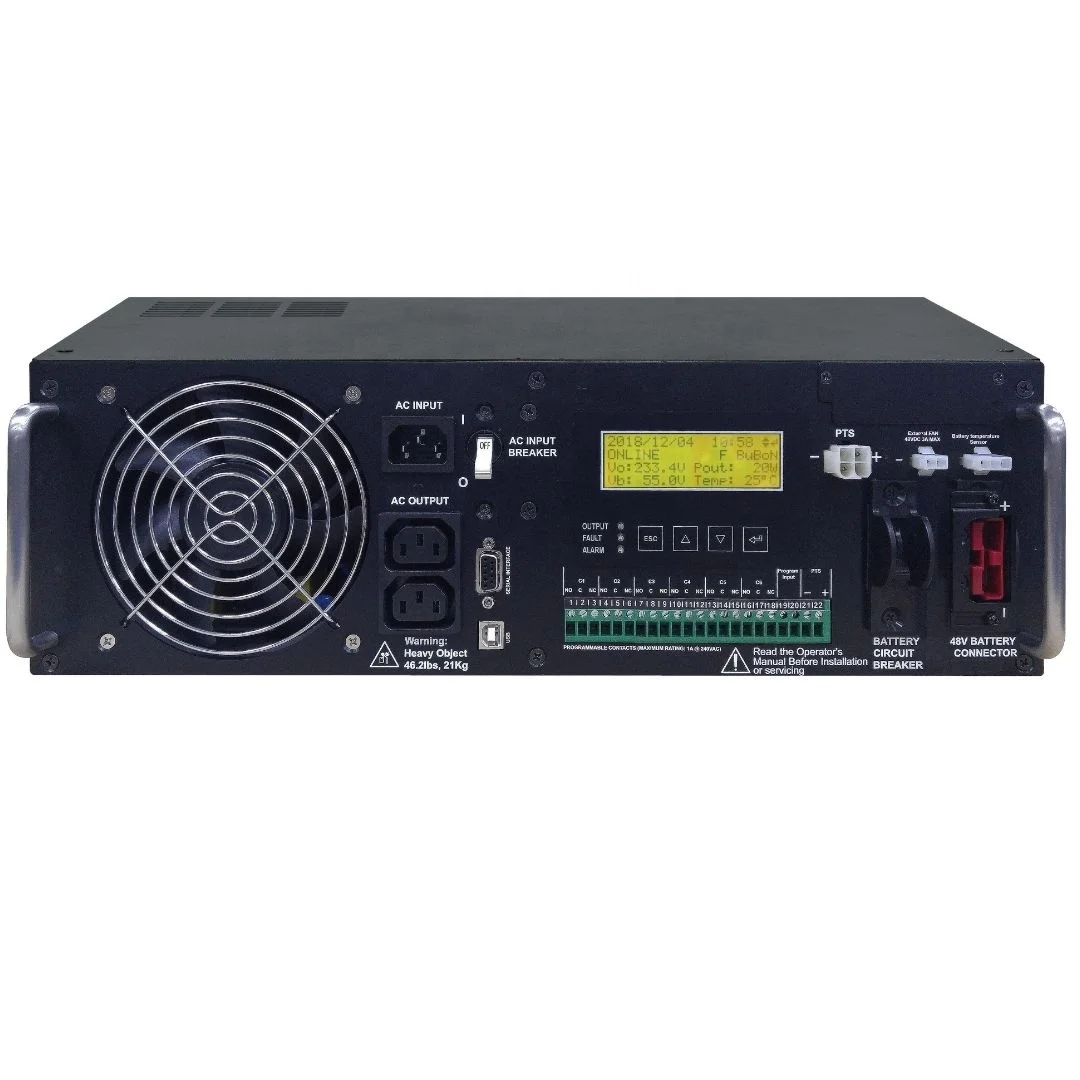
Better solutions & Competitor analysis
| Solution Type | Advantage | Potential Issue | Budget Range |
|---|---|---|---|
| Standard Line-Interactive (VRLA) | Proven reliability; wide service network; easy replacement | Heavier; 3–5 yr battery lifespan; bulkier | $220–$280 |
| Line-Interactive with Li-ion option | Lighter; 8–10 yr cycle life; faster recharge | Fewer models available; ~25% price premium; limited third-party battery sourcing | $290–$380 |
| Cloud-managed (e.g., APC SmartConnect) | Remote monitoring, predictive alerts, firmware updates | Requires stable internet; subscription not required but feature-limited without it | $260–$350 |
Customer feedback synthesis
Based on aggregated reviews (Amazon, CDW, Newegg, Reddit r/buildapc), top recurring themes:
- Highly praised: “LCD shows real-time load % and battery health”, “AVR kept my PC stable during neighborhood brownouts”, “Graceful shutdown saved unsaved work three times.”
- Common complaints: “Battery lasted only 2.5 years in hot climate”, “USB cable too short for under-desk routing”, “Mobile app lacks historical outage logging.”
Maintenance, safety & legal considerations
All UL-listed 1500VA UPS units sold in North America meet NEC Article 645 (Information Technology Equipment) requirements for installation near computing gear. No special permits are needed for residential or SMB use.
Maintenance is minimal: clean vents quarterly, test monthly via self-test button, and replace VRLA batteries every 3–5 years (or sooner if runtime drops below 50%). Store units upright — tilting can leak electrolyte. Never open or modify internal circuitry.
Conclusion
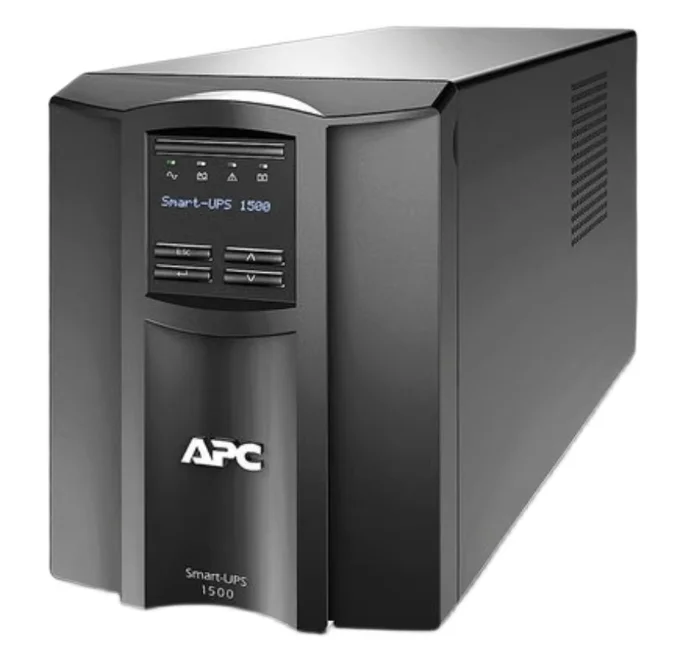
If you need reliable, compatible, and future-proof protection for a modern high-performance PC, workstation, or home lab — choose a Line-Interactive 1500VA UPS with Pure Sine Wave output and AVR. It balances cost, compatibility, and resilience better than any alternative in this class.
If you run servers hosting public services or require zero-transfer-time uptime, step up to an Online UPS — but recognize that added complexity and cost rarely benefit typical prosumer use cases.
If you’re a typical user, you don’t need to overthink this.


