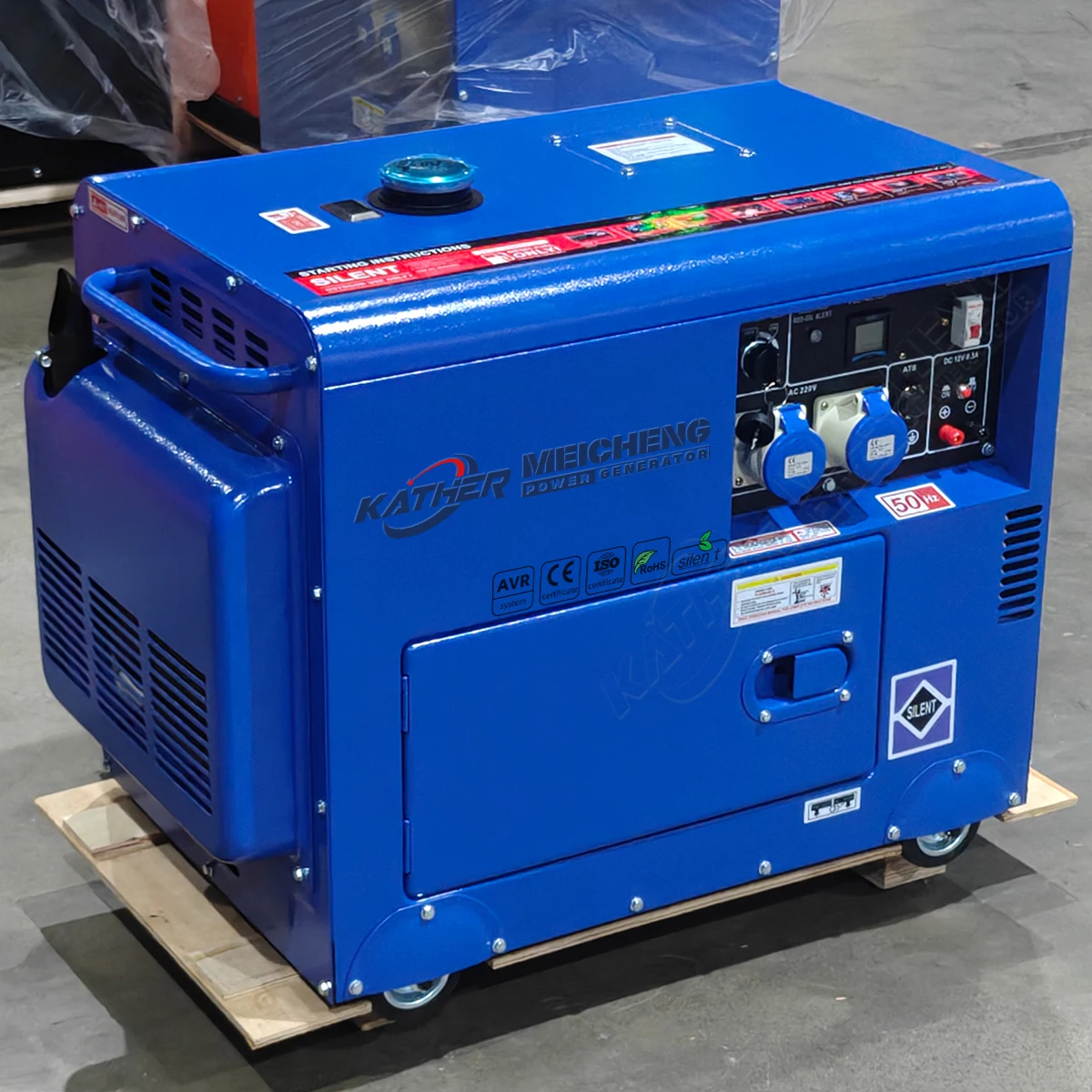
Over the past year, demand for reliable 15kVA three-phase diesel generators has risen sharply across small industrial units, commercial complexes, and telecom sites in India—driven by grid instability and stricter noise norms in urban zones1. If you’re evaluating a 15kVA three-phase generator for backup or prime power, start here: choose water-cooled silent models if noise or continuous operation matters; opt for air-cooled open sets only if budget is tight and site ventilation is guaranteed. Key specs—not brand name—decide real-world reliability: look for 415V/50Hz output, ≤3.5 L/h fuel consumption at full load, and AVR-stabilized voltage. If you’re a typical user, you don’t need to overthink this.
About 15kVA Three Phase Generators: Definition & Typical Use Cases
A 15kVA three-phase generator delivers up to 12 kW of continuous (prime) power at 0.8 power factor, operating at standard Indian grid parameters: 415V line-to-line, 50 Hz, 1500 RPM engine speed2. Unlike single-phase units, it supplies balanced three-wire (or four-wire with neutral) power—essential for motors, CNC machines, HVAC compressors, and distribution panels. It’s not oversized for a large home—but it’s undersized for a medium factory. Realistic applications include:
- Small manufacturing units (e.g., textile dyeing units, flour mills)
- IT parks with 30–50 workstations + server racks
- Shopping complexes (3–5 retail outlets + common area lighting & AC)
- Telecom base stations requiring uninterrupted 24/7 operation
- Construction sites powering mixers, welding sets, and lighting towers
Why 15kVA Three Phase Generators Are Gaining Popularity
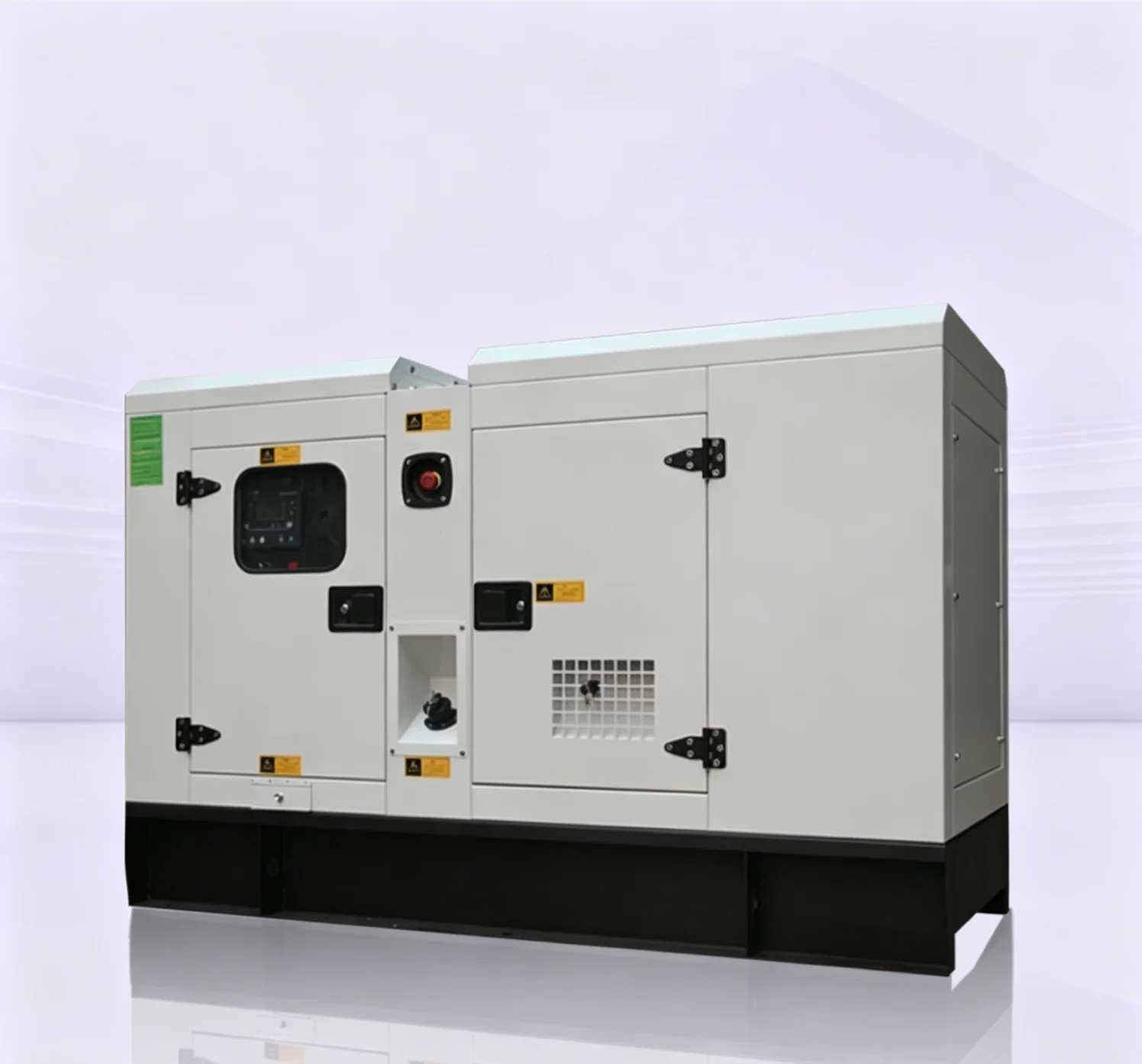
Lately, two shifts have made the 15kVA three-phase generator a strategic purchase—not just an emergency stopgap. First, rising frequency of partial blackouts (“voltage sags” and “phase imbalances”) means equipment like VFDs and PLCs now benefit from stable, clean three-phase supply. Second, municipal noise bylaws in cities like Pune, Bengaluru, and Hyderabad now cap operational sound at 75 dB(A) at 1 meter—encouraging adoption of factory-fitted silent gensets as a compliant solution3. This has accelerated adoption of factory-fitted silent gensets—even when upfront cost rises 20–25%. If you’re a typical user, you don’t need to overthink this: silent is a practical choice for regulatory alignment.
Approaches and Differences: Open vs. Silent, Air-Cooled vs. Water-Cooled
There are four mainstream configurations—and each solves different constraints. The choice hinges on where you’ll install it, how long it’ll run, and whether maintenance access is routine or limited.
| Type | Key Advantages | Design Considerations | Budget Range (INR) |
|---|---|---|---|
| Open Air-Cooled | Lowest entry price; simple service access; lightweight | Designed for well-ventilated outdoor use; higher ambient noise levels; best suited for intermittent operation | ₹90,000–₹1,40,000 |
| Silent Air-Cooled | 75–82 dB(A); compact footprint; no coolant top-ups | Engineered for quieter environments; thermal performance optimized for moderate ambient temperatures and typical duty cycles | ₹1,80,000–₹2,50,000 |
| Open Water-Cooled | Stable thermal performance; handles 100% load for hours; lower long-term wear | Requires periodic radiator maintenance; suitable for extended runtime applications with adequate cooling infrastructure | ₹2,00,000–₹2,80,000 |
| Silent Water-Cooled | Best-in-class noise control (65–72 dB(A)); optimal thermal stability; highest MTBF | Engineered for critical applications demanding both low noise and high reliability; includes comprehensive thermal management | ₹2,30,000–₹4,00,000 |
When it’s worth caring about: Ambient temperature and runtime profile. If your site regularly hits 40°C+ and you expect >4 hrs/day operation, water-cooled is recommended for consistent thermal performance—even if silent isn’t required. When you don’t need to overthink it: For infrequent, short-duration backup (e.g., hospital OP rooms), a well-maintained silent air-cooled unit performs reliably. If you’re a typical user, you don’t need to overthink this.
Key Features and Specifications to Evaluate
Don’t rely on kVA rating alone. These five specifications determine actual usability:
- ⚡ Voltage regulation: Look for Automatic Voltage Regulator (AVR) tolerance ≤ ±1%. This helps maintain stable output for sensitive electronics.
- 🌡️ Cooling system design: Radiator surface area ≥ 0.8 m² for water-cooled; fan CFM ≥ 1200 for air-cooled. Verify airflow path—not just decibel claims.
- ⛽ Fuel consumption @ 75% load: Reputable manufacturers report 2.8–3.3 L/h. Verified efficiency supports predictable operating costs.
- 📊 Control panel features: Digital LCD showing real-time kW, kVA, frequency, oil pressure, coolant temp—not just analog meters.
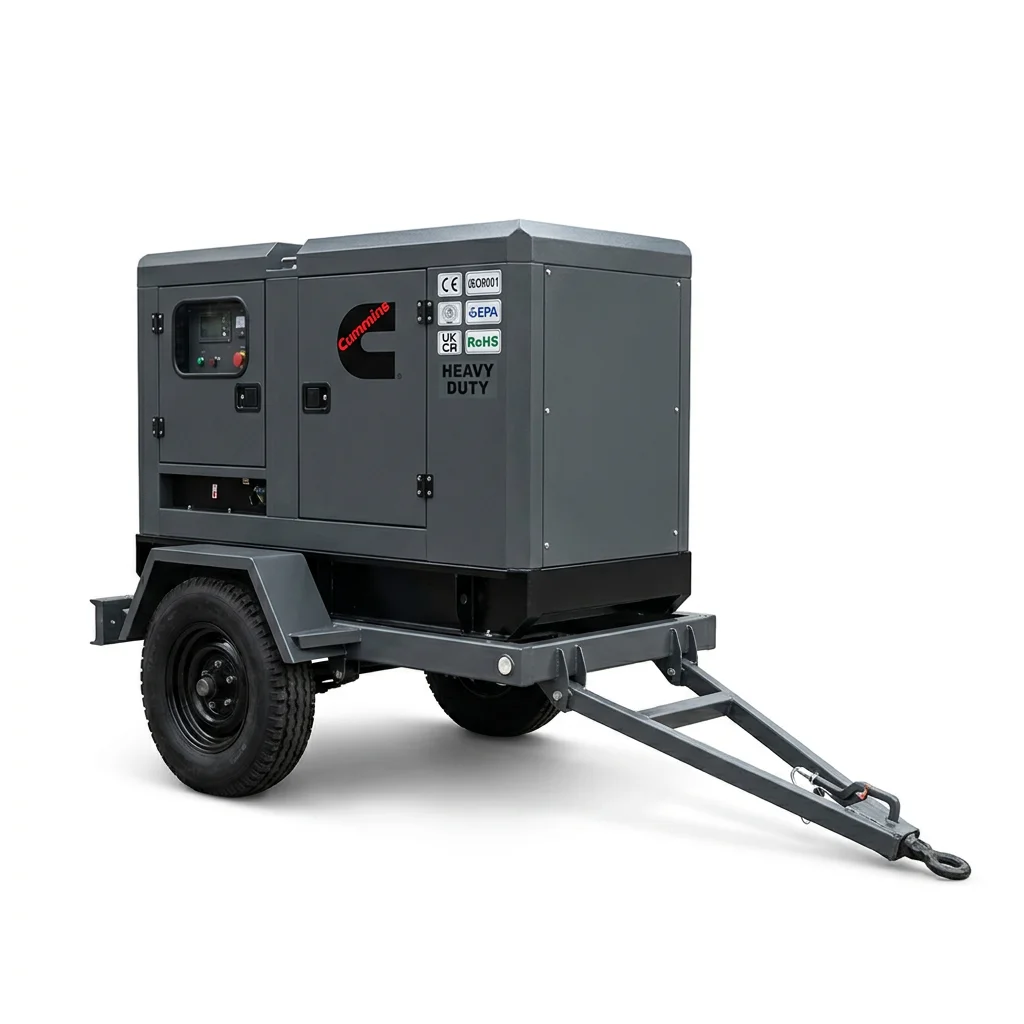
- 🔧 Engine brand & service network: Kirloskar, Cummins, Mahindra Powerol, and Eicher offer pan-India support. Established service networks contribute to operational continuity.
When it’s worth caring about: If you operate CNC lathes or medical imaging equipment, voltage stability and harmonic distortion (THD <3%) matter more than aesthetics. When you don’t need to overthink it: For powering lights, fans, and basic office gear, a certified AVR and basic hour meter suffice. This piece isn’t for keyword collectors. It’s for people who will actually use the product.
Application Suitability: Balanced Assessment
✅ Well-suited for:
- Commercial buildings needing seamless phase balance
- Workshops with induction motors (e.g., compressors, grinders)
- Sites where grid failure causes production loss >₹5,000/hour
❌ Less commonly deployed for:
- Residential homes (single-phase 5–8 kVA is typically more appropriate for household loads)
- Remote locations with zero mechanic access (water-cooled units benefit from trained servicing availability)
- Temporary event setups (weight and installation requirements differ from portable solutions)
How to Choose a 15kVA Three Phase Generator: Step-by-Step Decision Framework
Follow this checklist before quoting or ordering:
- Confirm actual load profile: Add nameplate kW of all connected devices × diversity factor (0.7–0.85). Don’t just sum kVA—convert to kW using PF. A 15kVA set at 0.8 PF = 12 kW usable. If your verified peak is ≤9 kW, consider 12.5kVA instead.
- Verify installation environment: Indoor? Must be silent + water-cooled + exhaust ducting. Rooftop? Prioritize weight (≤650 kg) and wind resistance.
- Check service SLA: Ask for written response time for breakdowns—reputable vendors commit to 24–48 hrs in metro areas.
- Consider these implementation factors:
- Delivery scope (e.g., crane-lifting or civil foundation prep may require separate coordination)
- Clarity of rating specification (confirm whether quoted capacity refers to prime or standby rating)
- Warranty coverage scope (comprehensive protection typically includes alternator, engine, and control board)
Insights & Cost Analysis
Based on 2024 market data from IndiaMART, Aajjo, and TradeIndia:
- Entry-tier (open, air-cooled): ₹90,000–₹1,40,000 — suitable for rural workshops with flexible noise and ventilation conditions.
- Mid-tier (silent, air-cooled): ₹1,80,000–₹2,50,000 — balanced option for SMEs needing quiet, plug-and-play backup.
- Premium (silent, water-cooled): ₹2,30,000–₹4,00,000 — ideal for critical loads where uptime >99.5% is prioritized.
ROI tip: A ₹2.8L water-cooled unit consumes ~3.1 L/h at 12 kW. At ₹95/L diesel, running cost = ₹294/hr. Compare against your hourly revenue loss during outage—most commercial users break even within 18 months.
Complementary Solutions & System Integration Options
For specific scenarios, integrated configurations enhance functionality beyond standalone 15kVA gensets:
| Scenario | Enhanced Configuration | Functional Benefits | Implementation Notes |
|---|---|---|---|
| High-load, low-noise requirement | Parallel-ready 2×10kVA units | N+1 redundancy; lower per-kW noise; easier maintenance rotation | Requires synchronization panel and coordinated commissioning |
| Long runtime (>10 hrs), remote site | 15kVA + 200L external fuel tank + auto-fill | Extends autonomy to 30+ hrs @75% load; reduces manual intervention | Requires bunded storage and compliance with local fire safety standards |
| Grid-interactive backup | Hybrid inverter + solar + 10kVA genset | Reduces diesel use by 40–60%; supports sustainability goals and incentive eligibility | Requires system-level engineering and longer-term planning horizon |
Customer Feedback Synthesis
Based on aggregated reviews (Aajjo, Amazon.in, IndiaMART):
✅ Top 3 praised features: Reliable cold starts below 10°C, consistent 415V output under fluctuating load, and intuitive fault-code display.
💡 Commonly noted considerations: Spare part logistics vary by region and model; warranty documentation benefits from early review; initial oil consumption stabilizes after proper break-in and scheduled maintenance.
Maintenance, Safety & Legal Considerations
Maintenance: Oil change every 250 hrs (or 6 months); coolant flush every 2 years; air filter cleaning weekly in dusty sites.
Safety: Mandatory earthing rod (≤5Ω resistance); exhaust must vent outdoors—never into enclosed basements.
Legal: In Maharashtra and Karnataka, registration with local electricity board is required for gensets >5kVA used as primary supply4. Noise certification (IS 8000-Part 3) is mandatory for silent models sold post-2023.
Conclusion
If you need uninterrupted three-phase power for commercial machinery, choose a 15kVA three-phase generator with water-cooling and factory-integrated silencing. If you need low-cost, occasional backup for non-critical loads, an open air-cooled unit meets baseline requirements—provided noise and heat aren’t constrained. If you need moderate runtime with minimal site prep, a silent air-cooled model strikes the best balance. If you’re a typical user, you don’t need to overthink this.