If you’re a typical user, you don’t need to overthink this. For most households seeking whole-home backup with solar—especially those running air conditioners, EV chargers, or heat pumps—a 15kWh LiFePO4 battery is the pragmatic sweet spot in 2026. Over the past year, installed prices have stabilized between $11,000–$15,000, cell costs dropped to $85–$151/kWh1, and stackable, UL-certified wall-mounted units now deliver reliable 10kW continuous output2. Skip the 20kWh upsell unless your daily load exceeds 35–40 kWh or you lack grid support for nighttime charging. Prioritize usable capacity (not nominal), inverter compatibility (8–10kW), and true blackout functionality—not just marketing claims about ‘off-grid mode’.
🔍 About 15kWh Batteries: Definition & Typical Use Cases
A 15kWh battery stores electrical energy—typically from rooftop solar—for later use. It’s not a standalone appliance but a core component of a residential energy storage system (ESS). Unlike portable power stations (<5kWh), a 15kWh unit is engineered for permanent installation, integration with inverters and grid-tie hardware, and sustained high-power delivery. Its nominal capacity is 15 kilowatt-hours, but real-world usable capacity ranges from 12–15kWh depending on depth of discharge (DoD) and BMS design.
Typical users include:
- Homeowners with 6–10 kW solar arrays aiming for >80% self-consumption;
- Families in areas with frequent outages who need to power refrigeration, HVAC, and well pumps simultaneously;
- EV owners using time-of-use (ToU) electricity plans to charge overnight using stored solar energy;
- Builders or contractors specifying modular, stackable systems for new zero-energy homes.
This isn’t for weekend campers or small-appliance backup. It’s for people whose energy resilience depends on consistent, scalable, code-compliant performance.
📈 Why 15kWh Batteries Are Gaining Popularity in 2026
Lately, the 15kWh segment has shifted from niche to mainstream—not because it’s ‘new,’ but because three converging forces made it materially more accessible and effective:
- LiFePO4 dominance: Safer chemistry, longer cycle life (6,000+ cycles at 80% DoD), and better thermal stability than NMC have pushed LFP into >85% of new residential installations3. That directly benefits 15kWh systems, where safety and longevity outweigh raw energy density.
- Smart BMS maturation: Modern battery management systems now use lightweight ML models—not just voltage thresholds—to predict degradation, optimize charge curves, and flag cell imbalance before failure. This means fewer surprise replacements and more predictable ROI4.
- Whole-home resiliency demand: With extreme weather events increasing outage duration, buyers no longer accept ‘critical loads only.’ A 15kWh unit delivering 10kW continuous output can sustain central AC + refrigerator + lights + Wi-Fi for 4–6 hours—or extend to 12+ hours with conservative load management5.
If you’re a typical user, you don’t need to overthink this: the shift to 15kWh isn’t hype—it’s physics, economics, and policy alignment catching up.
⚙️ Approaches and Differences: Common Configurations
There are two primary ways to deploy 15kWh storage—each with trade-offs that matter more than brand names:
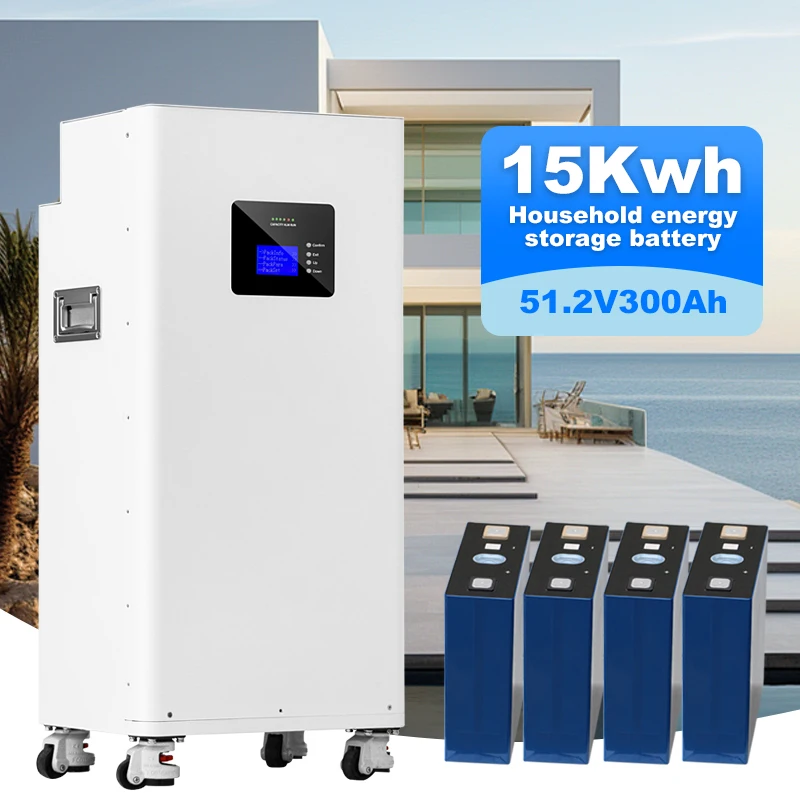
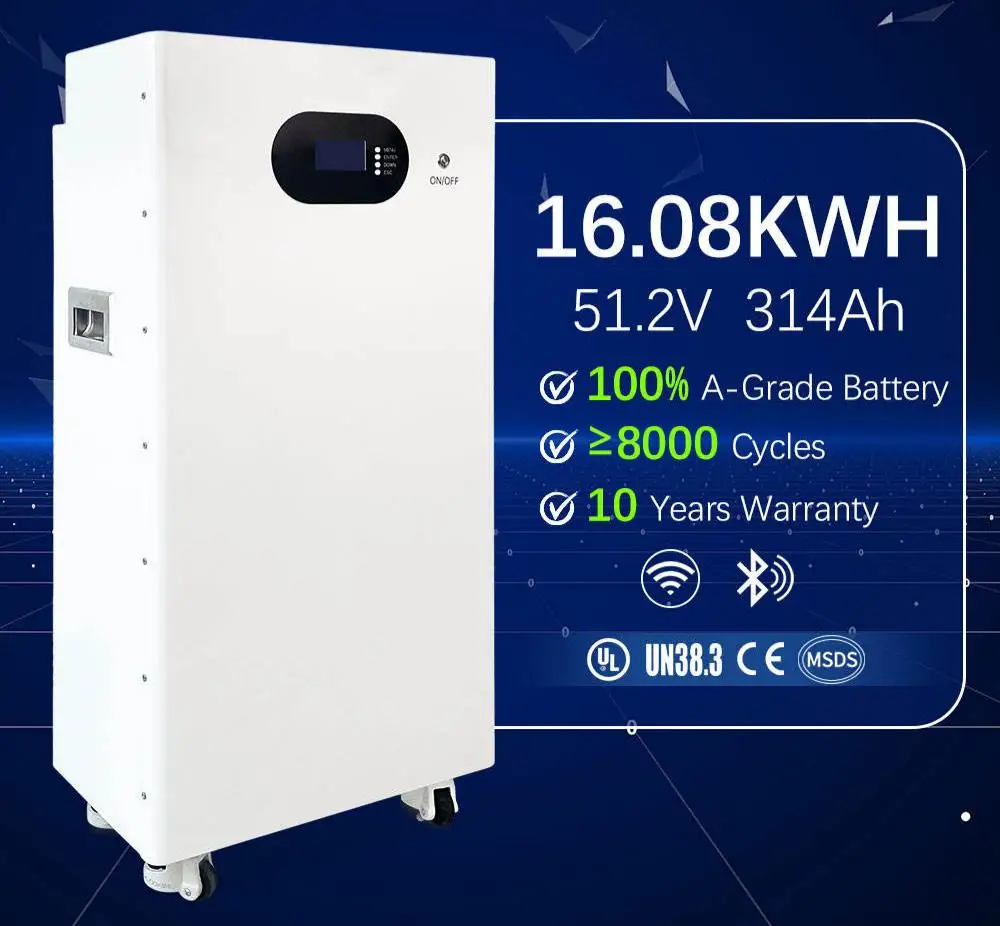
- Single-unit integrated systems (e.g., pre-wired 48V/300Ah LFP cabinet): Simplest install, factory-tested BMS-inverter communication, often includes touchscreen and app control. Downsides: limited scalability, harder to service individual modules, less flexibility in placement.
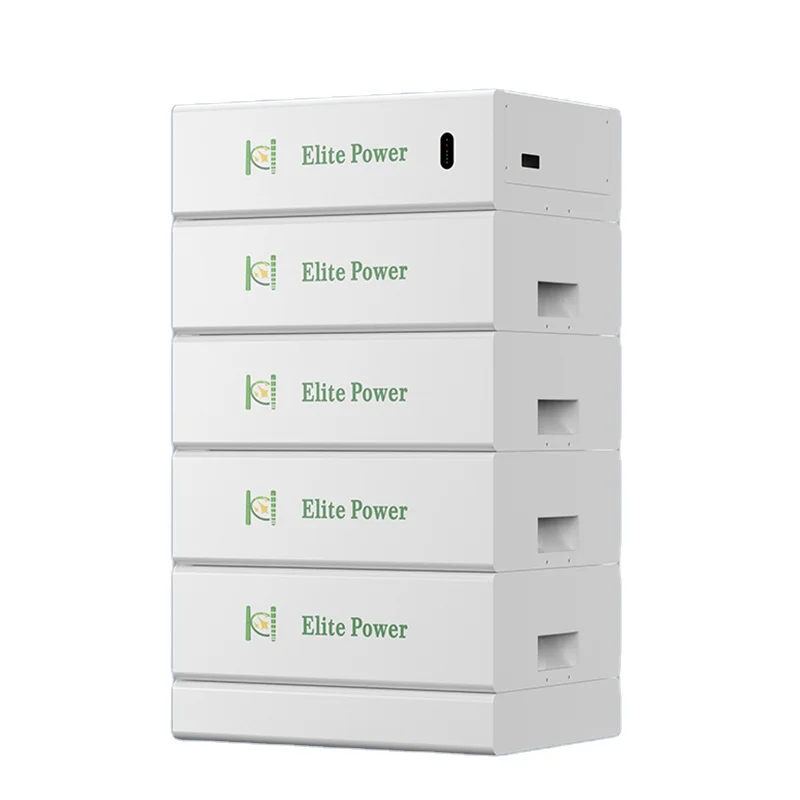
- Modular stackable packs (e.g., 5kWh x 3 units): Higher upfront configuration effort, requires compatible inverter and external combiner, but enables phased upgrades, redundancy, and easier thermal management. Ideal for garages or utility rooms with airflow.
When it’s worth caring about: If your roof layout or future expansion plans suggest adding solar or EV charging later, modular wins. When you don’t need to overthink it: If your installer offers a certified single-unit solution with UL 9540A listing and 10-year throughput warranty, take it—and skip the DIY stack.
📊 Key Features and Specifications to Evaluate
Don’t get lost in spec sheets. Focus on these five metrics—and know when each actually moves the needle:
- Usable Capacity vs. Nominal: A ‘15kWh’ label means little if usable capacity is only 12kWh (80% DoD). Premium units now offer 100% DoD without accelerated degradation6. When it’s worth caring about: If your evening usage regularly exceeds 10kWh. When you don’t need to overthink it: If your average nightly draw is 6–8kWh and you’re okay shifting laundry or EV charging to daytime solar.
- Inverter Compatibility & Continuous Output: A 15kWh battery paired with a 5kW inverter delivers only ~5kW—enough for lights and fridge, not AC or EV charging. Match to an 8–10kW hybrid inverter. When it’s worth caring about: If your home has a 3-ton AC (≈3.5kW) and Level 2 EV charger (7.2–11kW). When you don’t need to overthink it: If your largest load is a heat pump water heater (2.5kW), a 6kW inverter suffices.
- Blackout Functionality: True backup requires anti-islanding hardware and solar-to-battery charging during outages. Not all ‘backup-ready’ systems do this. Verify UL 1741 SA certification. When it’s worth caring about: If outages last >2 hours or occur during storms. When you don’t need to overthink it: If your utility restores power within 30 minutes and you only need fridge/freezer uptime.
- Thermal Management: Passive cooling suffices in mild climates. Active (fan-based) or liquid-cooled systems add cost but extend life in garages >35°C or uninsulated attics. When it’s worth caring about: If ambient temps exceed 32°C for >90 days/year. When you don’t need to overthink it: If installed in a shaded, ventilated garage in USDA Zone 4–6.
- Warranty Structure: Look beyond ‘10 years.’ Check throughput guarantee (e.g., 15MWh) and degradation clause (e.g., ≥70% capacity at end of term). Some warranties void if cycling exceeds 1.5x daily capacity. When it’s worth caring about: If you plan heavy arbitrage (charging/discharging 2x/day). When you don’t need to overthink it: If you use it primarily for backup and peak-shaving (1 cycle/day).
✅ Pros and Cons: Balanced Assessment
Pros:
- Strong ROI in high-electricity-cost states (CA, NY, HI) via bill savings + federal ITC (30% credit through 2032)7;
- Enables full-home backup without generator noise or fuel logistics;
- LiFePO4 chemistry reduces fire risk and extends lifespan vs. older lithium chemistries.
Cons:
- High upfront cost ($11k–$15k installed) remains a barrier despite falling cell prices;
- Performance degrades ~1–2% per year—realistic expectations matter;
- Complexity increases with ToU plan optimization; misaligned scheduling cuts savings by 20–40%8.
This piece isn’t for keyword collectors. It’s for people who will actually use the product.
📋 How to Choose a 15kWh Battery: A Step-by-Step Decision Framework
Follow this sequence—skip steps only if you’ve already validated them:
- Map your critical loads: Use a plug-in energy monitor (e.g., Emporia Vue) for 7 days. Sum max concurrent wattage—not just total kWh. If it’s <6kW, a 10kWh system may suffice.
- Confirm inverter readiness: Does your existing inverter support DC-coupled or AC-coupled storage? If upgrading, match battery voltage (48V standard) and max input current.
- Verify blackout capability: Ask installer: “Does this system charge from solar *during* a grid outage?” If answer isn’t ‘yes, with UL 1741 SA and anti-islanding hardware,’ walk away.
- Check usable capacity & DoD: Don’t trust ‘15kWh’—demand the usable kWh at 90% SoH after 10 years. Reputable brands publish this in datasheets.
- Avoid these pitfalls:
- Buying based solely on price per kWh without factoring in BMS quality or warranty terms;
- Assuming ‘stackable’ means ‘plug-and-play’—modular systems still require commissioning and firmware sync;
- Overlooking AS5139 (AU) or NEC Article 706 (US) clearance requirements for indoor mounting.
💰 Insights & Cost Analysis
Installed cost remains the biggest decision lever. Here’s how components break down (2026 U.S. averages):
- Battery unit (15kWh LiFePO4): $4,200–$7,800 wholesale; $8,500–$11,200 installed
- Inverter (8–10kW hybrid): $2,100–$3,600
- Electrical work, permits, labor: $2,400–$4,200
Total landed cost: $11,000–$15,000. Regional premiums apply—U.S./EU pricing runs 31–48% above China due to tariffs and logistics9. The $500–$1,000 B2B price range you’ll see online reflects bare-pack wholesale only—no BMS, enclosure, or certifications10. Don’t compare apples to oranges.
| Category | Suitable For | Potential Issue | Budget Range (Installed) |
|---|---|---|---|
| Premium Integrated ✨ Sigenergy, Tesla Powerwall 3 (13.5kWh base, expandable) |
Turnkey install, tight spaces, brand-aligned ecosystems | Less flexible upgrade path; higher soft costs | $13,500–$15,000 |
| Value Modular 🛠️ Sungrow, BYD, GoodWe 15kWh stacks |
DIY-capable installers, future expansion, thermal control needs | Requires experienced integrator; firmware updates less centralized | $11,000–$13,200 |
| B2B Sourced Packs 📦 Unbranded 48V/300Ah LFP (UL pending) |
Commercial projects, certified integrators building custom ESS | No consumer warranty; liability rests with installer; UL 9540A not guaranteed | $8,800–$10,500 (requires qualified partner) |
📣 Customer Feedback Synthesis
Based on installer reports and forums (r/solar, DIY Solar Forum, SolarQuotes AU), top recurring themes:
- Top Praise: “Silent operation vs. generator,” “reliably powers AC + fridge for 5+ hours,” “app shows real-time SoH better than expected.”
- Top Complaints: “Installer didn’t explain ToU optimization—my savings are 40% lower than projected,” “battery fan noise in garage at night,” “warranty claim took 8 weeks for documentation review.”
The gap isn’t in hardware—it’s in setup rigor and post-install support clarity.
⚠️ Maintenance, Safety & Legal Considerations
Maintenance: LiFePO4 requires near-zero routine maintenance—but annual BMS health check (voltage balance, firmware version, temperature logs) is strongly advised. Dust filters on active-cooled units need cleaning every 6 months.
Safety: UL 9540A fire propagation testing is now required for most U.S. jurisdictions. Avoid non-certified cabinets—even if labeled ‘LFP-safe.’ Thermal runaway risk remains low but non-zero; maintain 18” clearance from combustibles per NEC 706.15.
Legal: Most states require interconnection agreements and utility approval before energizing. In California, Rule 21 compliance is mandatory for export control. EU buyers must confirm CE + Battery Passport compliance for carbon footprint reporting11.
🔚 Conclusion: Conditional Recommendations
If you need whole-home backup with AC and EV charging, choose a 15kWh LiFePO4 system with 10kW continuous output, UL 1741 SA certification, and ≥12kWh usable capacity. Prioritize vendors offering throughput warranties (e.g., 15MWh) over calendar-only terms.
If you need cost-effective resilience for critical loads only (fridge, lights, comms), a 10–12kWh unit saves $2,000–$3,500 with minimal functional loss.
If you’re building new or retrofitting with future expansion in mind, go modular—even if it adds $800–$1,200 upfront. Scalability pays off faster than you think.
❓ Frequently Asked Questions