Over the past year, demand for 16mm 3 phase cable has risen sharply—not because specs changed, but because more users are installing high-load equipment (e.g., EV chargers, industrial HVAC, solar inverters) where undersized wiring risks voltage drop, overheating, or non-compliance. If you’re a typical user installing fixed plant or upgrading a sub-main in commercial or industrial settings, you don’t need to overthink this: choose XLPE-insulated, 3-core + earth, unarmoured H07RN-F or armoured SWA based on environment—not color, brand, or minor price differences. Avoid over-specifying with shielded or marine-grade cable unless you’re routing near RF sources or submerged; avoid under-specifying by skipping earth conductor verification or ignoring ambient temperature derating. This piece isn’t for keyword collectors. It’s for people who will actually use the product.
About 16mm 3 Phase Cable: Definition & Typical Use Cases
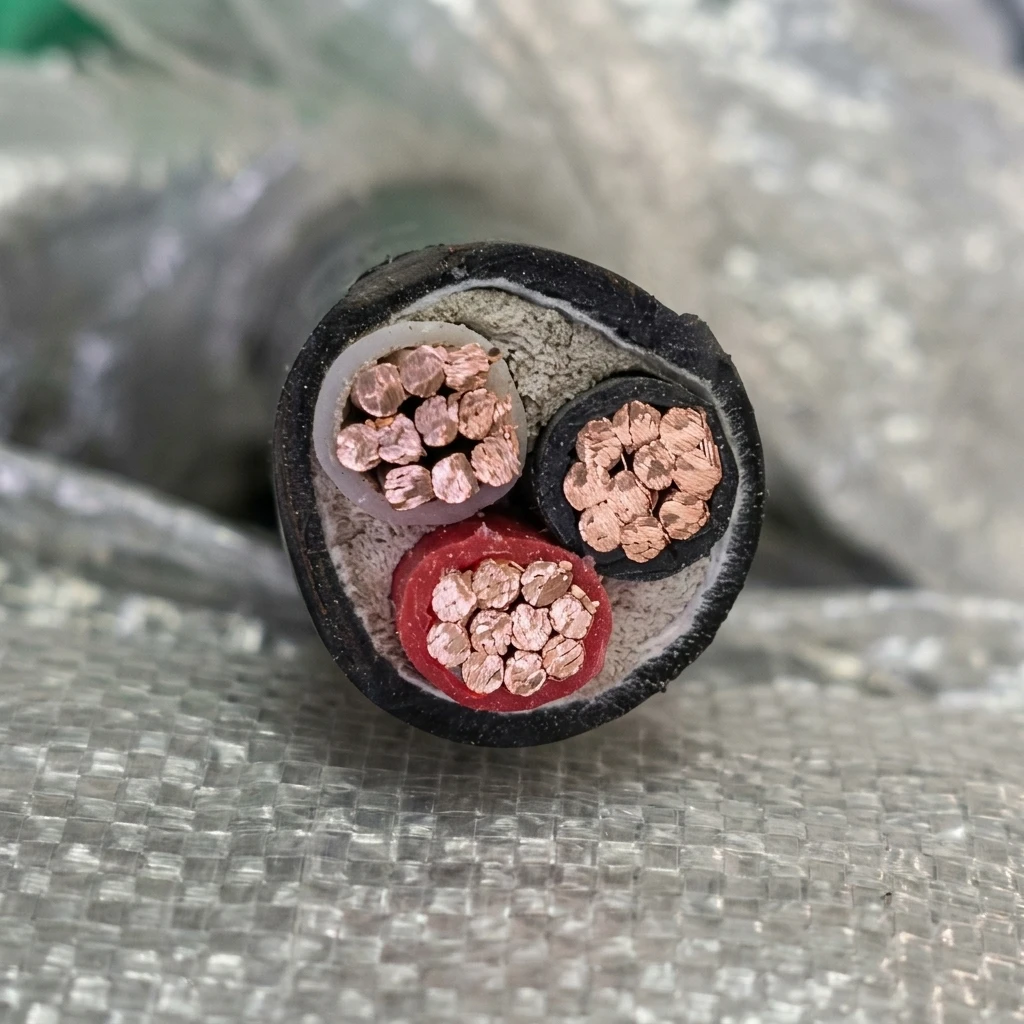
A 16mm 3 phase cable refers to a power distribution cable with three current-carrying conductors (L1, L2, L3), each having a nominal cross-sectional area of 16 mm²—plus an optional protective earth (PE) conductor. It is not a single-wire solution but a multi-core assembly designed for balanced three-phase AC systems (typically 400V/230V). The ‘16mm’ designation reflects conductor size—not outer diameter—and directly correlates with current-carrying capacity, mechanical strength, and voltage drop performance.
Typical applications include:
- ⚡ Feeding three-phase motors (7.5–15 kW range)
- 🔌 Sub-main distribution from switchboards to distribution boards
- 🔋 Connecting large inverters in commercial solar PV installations
- 🚗 Fixed wiring for Level 2/3 EV charging stations (e.g., 32A–63A continuous)
- 🏭 Lighting circuits in warehouses and street lighting columns
It is not intended for portable appliance leads, data transmission, or low-voltage DC applications. When it’s worth caring about: if your load exceeds ~40A continuous or runs >10m from source, conductor sizing becomes critical for safety and efficiency. When you don’t need to overthink it: if you’re quoting for standard indoor conduit runs under 25°C ambient and using certified installers, most reputable 16mm² XLPE/PVC cables meet regulatory minimums.
Why 16mm 3 Phase Cable Is Gaining Popularity
Lately, two parallel shifts have elevated the relevance of 16mm 3 phase cable: first, the proliferation of three-phase residential connections in markets like Australia, the UK, and parts of the EU—driven by home battery systems and heat pumps requiring stable, high-power feeds. Second, tightening enforcement of earthing and fault-current requirements means installers now routinely specify 16mm² as the baseline for new 32A+ circuits, replacing older 10mm² practices.
Users aren’t searching for ‘cable’—they’re searching for reliability, compliance, and future-proofing. That’s why queries like “16mm 3 phase cable amp rating” and “16mm 3 core SWA cable price per meter” dominate search logs. But popularity doesn’t equal complexity: most users need clarity—not catalog depth. If you’re a typical user, you don’t need to overthink this. What matters is matching physical conditions (buried? exposed? wet?) to standardized construction—not chasing marginal gains in conductor purity or niche shielding.
Approaches and Differences: Common Construction Types
Not all 16mm 3 phase cables are interchangeable. Key structural variations define suitability—not preference.
| Type | Key Features | Pros | Cons |
|---|---|---|---|
| H07RN-F | Flexible, neoprene-sheathed, unarmoured, 3C+E, 450/750V | Excellent bend radius; UV/weather resistant; easy termination; widely accepted for fixed indoor/outdoor use | No mechanical protection; unsuitable for direct burial or rodent-prone areas |
| SWA (Steel Wire Armoured) | Copper conductors, galvanized steel wire armour, PVC/XLPE insulation, 600/1000V | Rodent-, crush-, and impact-resistant; approved for direct burial and underground ducts; long service life | Stiff; heavier; requires proper earthing of armour; higher installation labor cost |
| Tri-rated (H05VV-F / H07V2-K) | Single-core, PVC-insulated, often sold by the meter in black/blue/red/green-yellow | Low cost; easy to route in trunking; color-coded for phase identification | Not a pre-assembled 3-phase set—requires bundling & securing; no built-in earth conductor unless added separately |
| Marine Grade (tinned copper, double insulation) | Tinned conductors, dual-layer insulation (e.g., UP-XXXD), salt/moisture resistant | Corrosion-resistant; ideal for coastal or marine environments | Unnecessarily expensive for dry indoor use; limited availability; no regulatory advantage for standard installations |
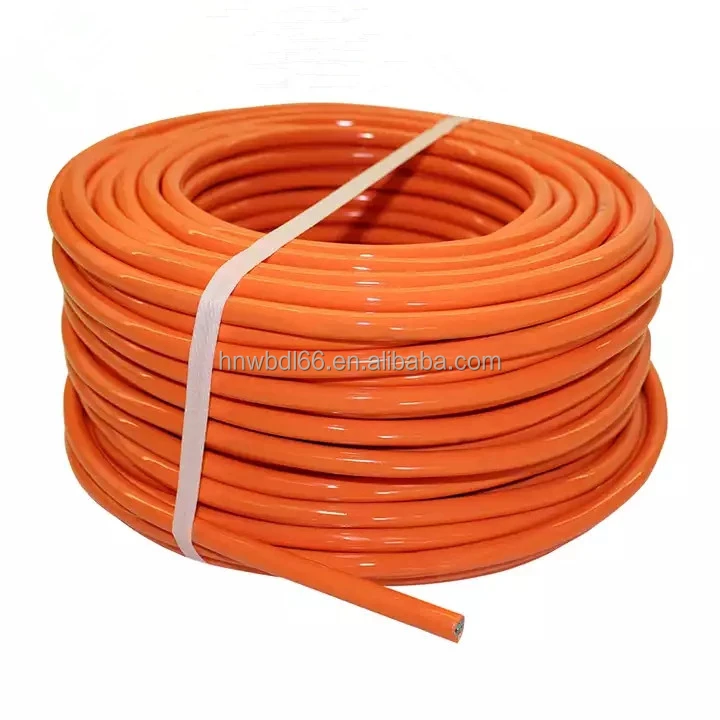
When it’s worth caring about: choosing SWA over H07RN-F when routing through concrete floors or under driveways. When you don’t need to overthink it: picking between black and orange sheathing—color indicates application class (e.g., orange = circular mains cable per AS/NZS 3599), not performance.
Key Features and Specifications to Evaluate
Before ordering, verify these five parameters—not just ‘16mm’:
- 📏Conductor material & stranding: Bare copper (most common) vs. tinned (marine only); stranded (flexible) vs. solid (rare at 16mm²). Stranded is standard—and required for flexibility during pulling.
- 🌡️Insulation & sheath type: XLPE (cross-linked polyethylene) offers superior thermal stability (90°C rating) vs. PVC (70°C). For sustained loads >30A, XLPE is strongly preferred.
- 🛡️Earth conductor size: In 3-core + earth variants, PE is typically 6mm² (not 16mm²). Confirm this meets local regulations (e.g., AS/NZS 3008 requires ≥50% of phase CSA up to 35mm²).
- ⌀Overall diameter: Ranges from ~18.5mm (H07RN-F) to ~21.6mm (SWA). Critical for conduit fill calculations—exceeding 40% fill causes overheating.
- 📜Certification & marking: Look for standards compliance printed on sheath: e.g., “AS/NZS 5000.1”, “IEC 60502-1”, or “BS 6724”. No visible marking = unverified product.
If you’re a typical user, you don’t need to overthink this: prioritize certified XLPE insulation and verified 3C+E configuration. Skip ‘low-smoke zero-halogen’ unless mandated for public buildings—it adds cost without benefit in standard workshops or garages.
Pros and Cons: Balanced Assessment
Pros of standard 16mm 3 phase cable:
- Proven ampacity (up to 94A clipped direct, ~65A in conduit—per AS/NZS 3008)
- Widely stocked; short lead times from electrical wholesalers
- Compatible with standard 63A isolators, busbars, and terminal blocks
- Cost-effective balance of safety margin and material use
Cons & limitations:
- Not suitable for single-phase high-load applications (>63A)—use 25mm² instead
- SWA requires specialist tools for armour termination and earthing
- Non-armoured types require mechanical protection (conduit, trunking) in accessible areas
- Length-based pricing means small orders (<50m) carry steep per-meter premiums
When it’s worth caring about: verifying ambient temperature correction factors—if installed in roof spaces exceeding 40°C, derating drops capacity by ~15%. When you don’t need to overthink it: debating between ‘bare copper’ and ‘electrolytic-tough-pitch’ grades—both meet IEC 60228 Class 2 stranding requirements.
How to Choose 16mm 3 Phase Cable: A Step-by-Step Decision Framework
Follow this checklist before purchase:
- Confirm load profile: Calculate maximum continuous current (Ib) using P = √3 × V × I × cosφ. If Ib > 50A, 16mm² is appropriate; if >70A, verify voltage drop over length.
- Map the route: Buried? Exposed? In conduit? Under floor? This determines armour, sheath, and UV resistance needs.
- Select construction: H07RN-F for surface-mounted or conduit runs; SWA for buried/direct-lay; avoid tri-rated unless bundling is controlled and permitted.
- Verify earth conductor: Ensure 3-core + earth (not 3-core only) and that PE is ≥6mm².
- Check certification: Reject cables without legible, permanent standard markings—even if price is lower.
- Avoid these pitfalls:
- Assuming ‘16mm’ means outer diameter (it’s conductor cross-section)
- Buying uncut bulk cable without testing documentation (e.g., flame retardancy reports)
- Substituting 16mm² aluminium for copper without recalculating ampacity (-30%) and torque specs
If you’re a typical user, you don’t need to overthink this: stick with certified H07RN-F or SWA from major distributors (e.g., DigiKey, Newark, Isupply Electrical). Skip boutique brands lacking traceable test reports.
Insights & Cost Analysis
Price varies significantly by construction—not just supplier. Based on recent retail data (Q2 2024):
- H07RN-F 16mm² 3C+E (100m drum): A$22–A$28/m (e.g., Electra Orange Circular)
- SWA 16mm² 3C+E (100m drum): A$26–A$34/m (e.g., Finolex or ZW Cable)
- Tri-rated single-core 16mm² (sold separately): A$10–A$12/m per core + green/yellow PE = ~A$50–A$60 total for equivalent set
- Marine-grade tinned 16mm²: A$8–A$12/m—but only justified where corrosion risk is confirmed
Value insight: SWA costs ~15–20% more than H07RN-F, but eliminates conduit and labour for protection—making it cost-neutral over 15+ years in outdoor or buried applications. Conversely, over-specifying marine cable indoors wastes budget with zero functional return.
Better Solutions & Competitor Analysis
| Solution Type | Best For | Potential Issue | Budget Range (per m) |
|---|---|---|---|
| Standard H07RN-F | Indoor fixed wiring, surface mounting, short conduit runs | No crush resistance; requires additional protection if exposed | A$22–A$28 |
| XLPE SWA (PVC-sheathed) | Underground, outdoor, industrial zones, long-term infrastructure | Requires proper armour earthing; stiffer handling | A$26–A$34 |
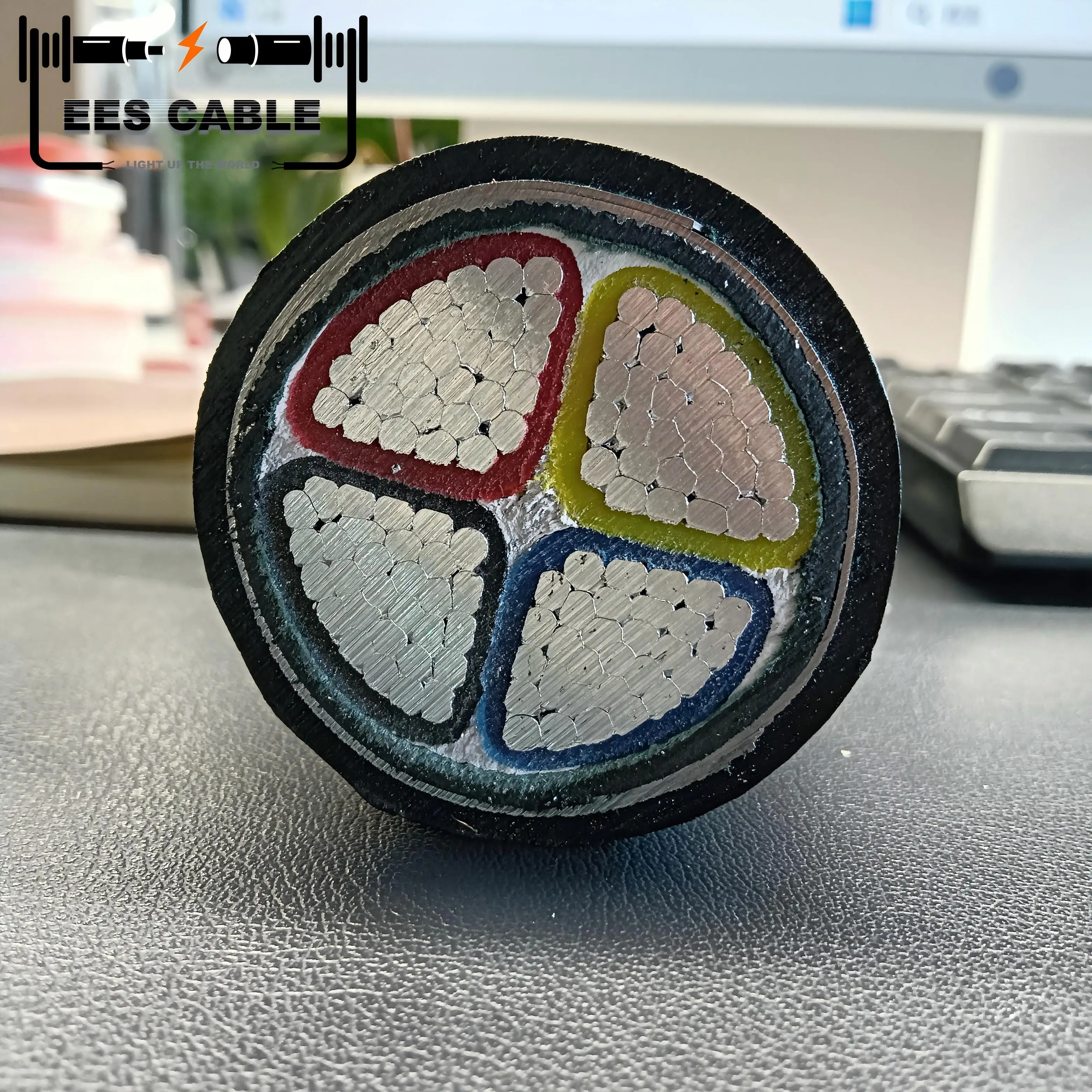
| Aluminium 16mm² SWA | Large-scale utility projects where weight/cost drives decision | Higher contact resistance; needs antioxidant paste & specific lugs | A$14–A$19 |
| Pre-terminated kits (e.g., with IP66 glands) | Fast-track EV charger installs or modular systems | Less flexible for custom routing; limited length options | A$38–A$45 |
Customer Feedback Synthesis
Aggregated from distributor reviews (Isupply Electrical, Tradezone, Middy’s) and forum threads (Electrical Forum AU, Reddit r/electrical):
- ✅Top praise: “Consistent diameter—no snagging in conduit”; “Markings stayed legible after 2 years outdoors”; “No voltage drop measured at 42m run with 50A load.”
- ⚠️Top complaint: “Received 15.2mm² conductors—measured with calipers”; “Armour rusted within 18 months in coastal shed”; “Green/yellow earth too thin—snapped during termination.”
Pattern: complaints correlate strongly with uncertified imports or unbranded reels lacking batch traceability—not with specification itself.
Maintenance, Safety & Legal Considerations
No maintenance is needed for properly installed 16mm 3 phase cable—but inspection points matter:
- Visually inspect terminations annually for discoloration or looseness
- Test insulation resistance (≥1MΩ per circuit) before energizing new installs
- Ensure SWA armour is bonded to earth at both ends (per AS/NZS 3000 §5.6.3.2)
- Never exceed 70% of tabulated current rating for continuous loads (i.e., ≤65A for 16mm² in conduit)
Legally, most jurisdictions require sign-off by licensed electricians for circuits >10A. Using non-compliant cable voids insurance and violates building codes—even if it ‘works’. Certification isn’t optional.
Conclusion
If you need reliable, code-compliant power delivery for 3-phase loads between 40A and 70A in standard commercial or industrial environments, choose a certified 16mm² 3-core + earth cable with XLPE insulation—H07RN-F for protected routes, SWA for buried or exposed runs. Skip exotic materials unless environmental stressors are verified. If you’re a typical user, you don’t need to overthink this. Prioritize documented compliance, correct earth sizing, and physical routing—not marketing terms or aesthetic details.
Frequently Asked Questions