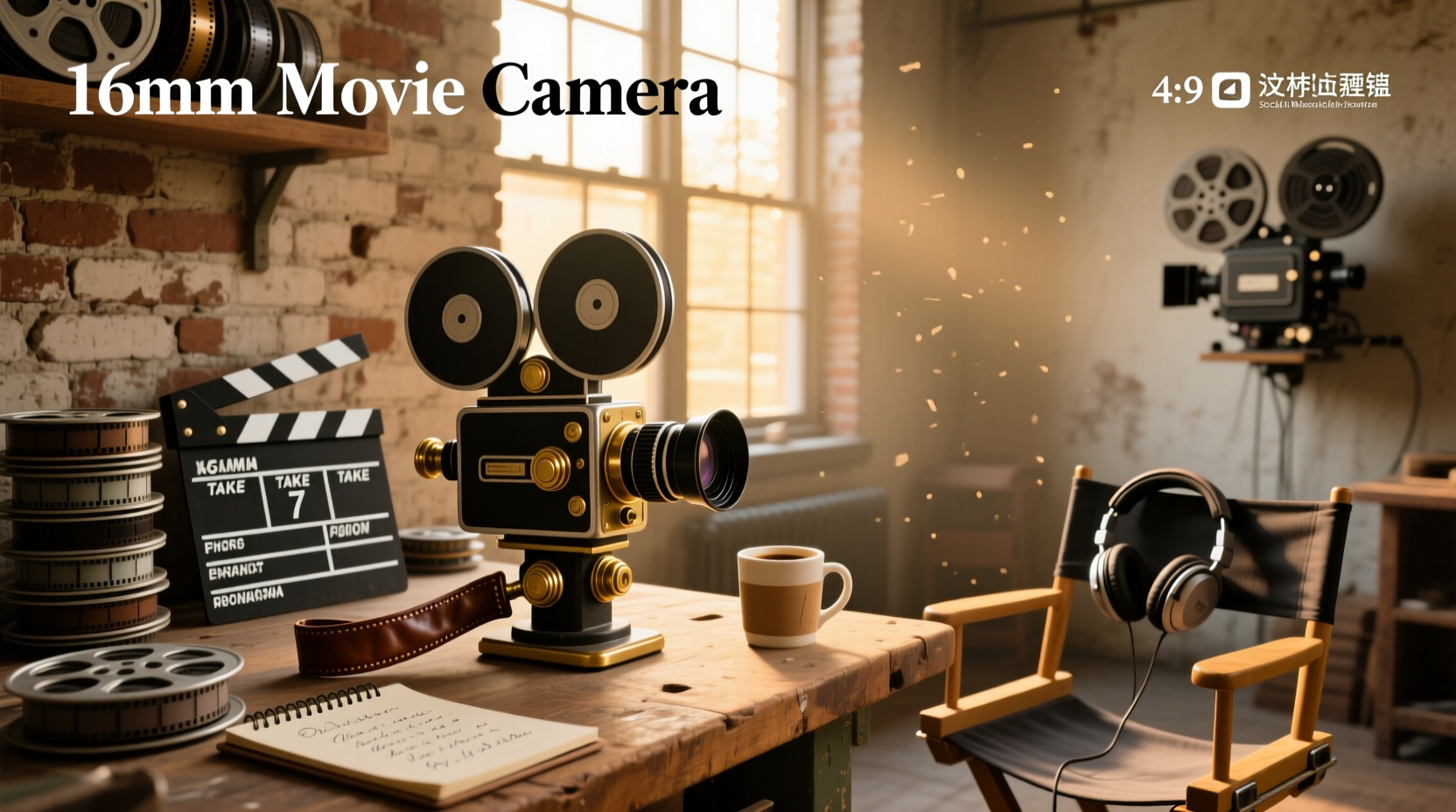
About 16mm Movie Cameras: Definition & Typical Use Cases
A 16mm movie camera is a mechanical or electro-mechanical device designed to expose standard or Super 16mm motion picture film at consistent frame rates (typically 24 or 25 fps). Unlike consumer-grade 8mm or Super 8, 16mm offers professional image quality, standardized sound synchronization, and compatibility with cinema lenses and accessories. Its core use cases include:
- 🎬 Independent narrative films — especially period pieces, horror, or character-driven dramas where texture and grain support storytelling;
- 🎨 Experimental and art-house projects — where the physicality of film, manual exposure control, and limited run time enforce creative discipline;
- 📚 Film school training — teaching exposure, focus pulling, lighting, and editorial planning before digital’s “take 50” mindset;
- 🔄 Hybrid workflows — pairing 16mm for key scenes (e.g., flashbacks, dream sequences) with digital capture for coverage and efficiency.
If you’re a typical user, you don’t need to overthink this: unless you’re shooting dialogue-heavy scenes on location, a MOS (no-sync-sound) camera like the Bolex H16 or Krasnogorsk-3 meets >80% of beginner and mid-tier creative needs.
Why 16mm Movie Cameras Are Gaining Popularity
Lately, the resurgence isn’t about retro aesthetics alone—it’s about intentionality. The cinematography camera market is projected to exceed $3.01 billion by 2030, with analog film cameras estimated to reach $460 million by 202612. That growth is driven by three converging signals:
- ⏱️ The “slow down” philosophy: Younger filmmakers cite film’s inherent constraints—limited footage, no instant playback, costly processing—as tools to improve pre-production rigor and on-set decision-making;
- 🎭 Genre-specific aesthetic authority: Horror and period genres increasingly favor 16mm’s organic grain, dynamic range compression, and subtle color response—traits digital sensors still emulate imperfectly3;
- 🧩 Hybrid production realism: Directors now treat 16mm not as a replacement but as a specialized instrument—like using a specific lens or lighting modifier—to achieve tonal consistency across formats.
If you’re a typical user, you don’t need to overthink this: popularity doesn’t equal practicality. Your project’s sound requirements, schedule, and post-production pipeline matter more than trend reports.
Approaches and Differences: MOS vs. Sync-Sound Systems
16mm cameras fall into two functional categories—not by age or brand, but by acoustic design and operational purpose:
| Category | Key Examples | Primary Strength | Core Limitation |
|---|---|---|---|
| MOS (Mit Out Sound) | Bolex H16, Krasnogorsk-3, Beaulieu 4008 | Rugged, portable, affordable; ideal for silent scenes, music videos, stop-motion | No built-in audio sync; requires double-system recording (separate recorder + clapper) |
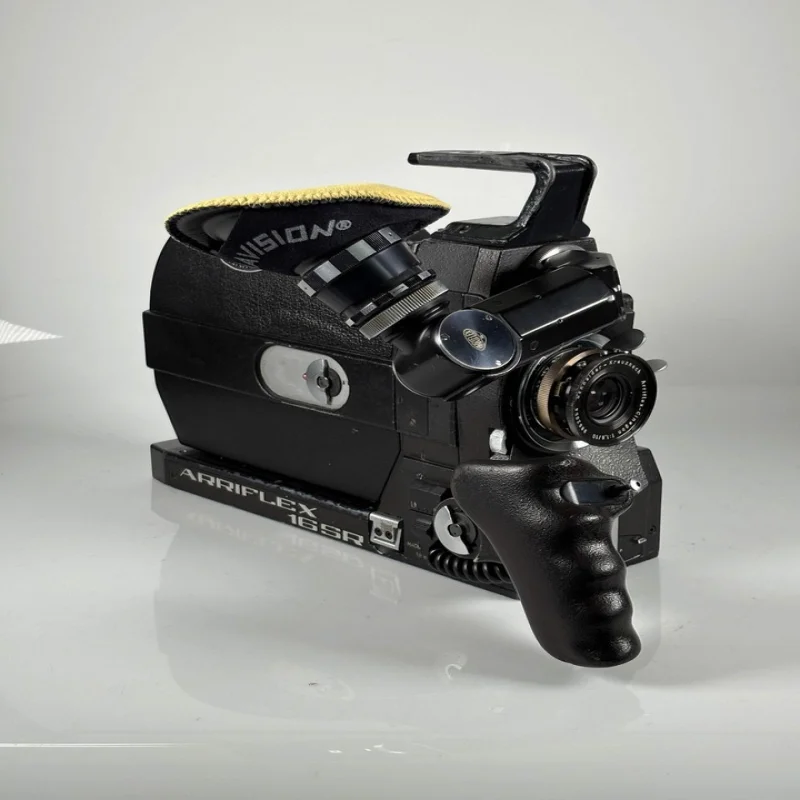
| Sync-Sound (Self-Blimped) | Arriflex 16SR3, Aaton XTR, Eclair NPR | Quiet operation, crystal-controlled motor, direct audio sync via timecode or pilot tone | Heavier, more complex maintenance, higher acquisition and rental cost |
When it’s worth caring about: If your script includes dialogue recorded live on set—or if you plan to shoot handheld in tight spaces—sync-sound capability is non-negotiable. When you don’t need to overthink it: For B-roll, montages, title sequences, or visual essays, MOS is simpler, lighter, and less prone to motor failure.
Key Features and Specifications to Evaluate
Don’t get lost in specs. Focus only on what directly affects usability, reliability, and integration:
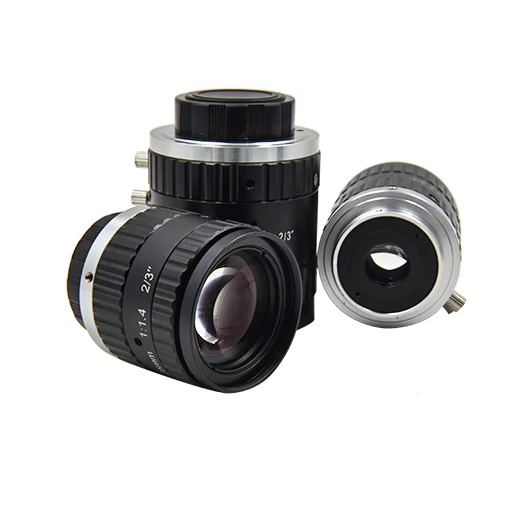
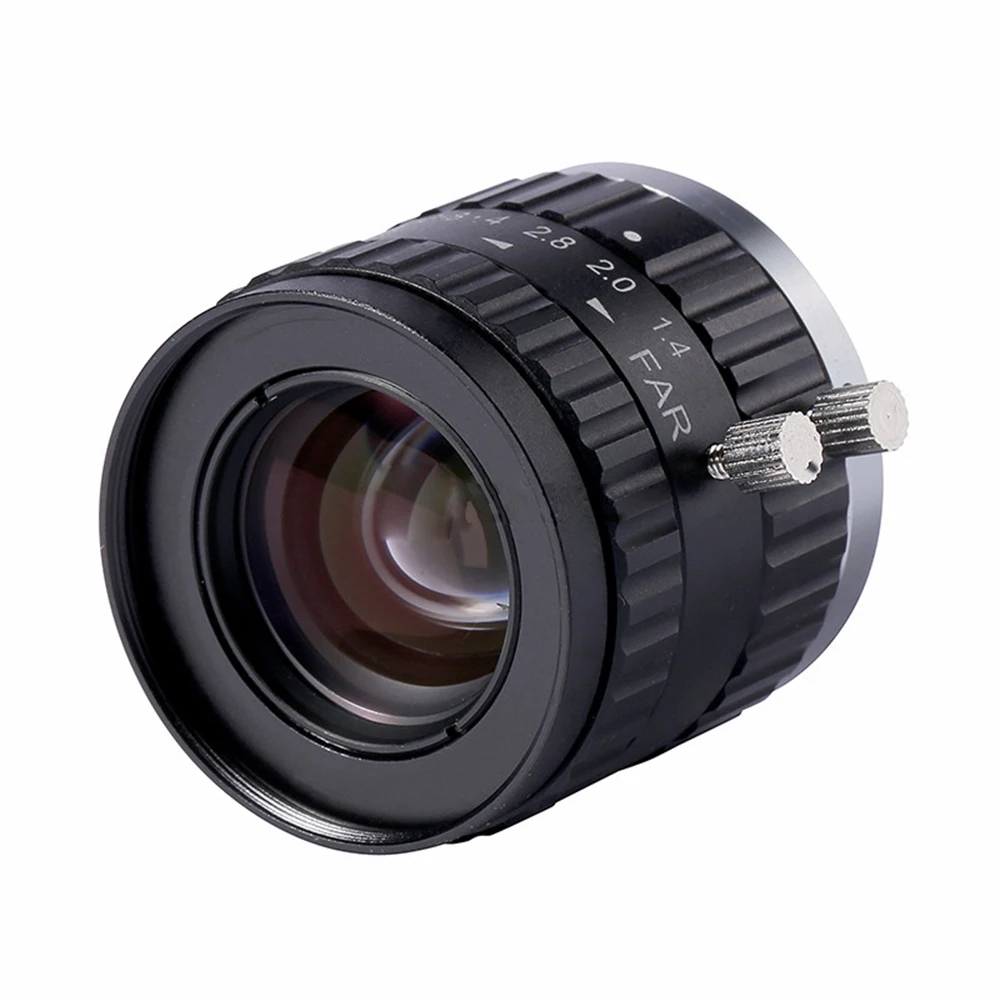
- 🔍 Mount type: Most 16mm cameras use C-mount (common on Bolex, K3, Beaulieu) or Arri PL-mount (standard on SR3, XTR, Aaton). C-mount lenses are cheaper and plentiful—but require adapters for modern glass. PL-mount offers superior flange depth accuracy and lens communication (for video taps). When it’s worth caring about: If you already own PL-mount primes or plan to upgrade to Super 16. When you don’t need to overthink it: For learning composition and exposure, any sharp C-mount lens works fine.
- ⚙️ Motor stability: Spring-wound (Bolex) vs. quartz-controlled (SR3, XTR). Spring motors drift over time; quartz motors hold ±0.01% frame rate accuracy—critical for audio sync. When it’s worth caring about: Any scene requiring lip-sync or multi-camera setups. When you don’t need to overthink it: For single-take visuals or offline editing reference.
- 📦 Modularity & service access: Can it accept matte boxes, follow-focus units, video taps, or external recorders? Is a certified technician nearby? When it’s worth caring about: If you’ll use the camera regularly over 6+ months. When you don’t need to overthink it: For one-off rentals or student projects, factory-tested condition matters more than modularity.
Pros and Cons: Balanced Assessment
Every 16mm camera trades convenience for character. Here’s how that balance plays out:
- ✅ Pros: Unique organic image texture; forced discipline in shot planning; strong resale value for well-maintained units; tactile engagement that improves directorial awareness.
- ❌ Cons: High recurring cost ($1,000+ per 400ft roll, including development, telecine, and metadata tagging)4; steep learning curve for loading, threading, and light metering; long turnaround for scans (3–10 business days); mechanical parts wear and require specialist servicing.
If you’re a typical user, you don’t need to overthink this: The cons aren’t dealbreakers—they’re conditions of use. Treat them like weather: know them, plan for them, but don’t let them cancel the shoot.
How to Choose a 16mm Movie Camera: A Step-by-Step Decision Framework
Follow this checklist—not in order of preference, but in order of consequence:
- Define your primary use case: Dialogue-driven narrative? → Prioritize sync-sound. Visual essay or music video? → MOS suffices.
- Assess your workflow reality: Do you have access to a lab with Super 16 scanning? A sound mixer familiar with double-system? If not, factor in third-party service costs upfront.
- Verify mechanical health—not cosmetic condition: Look for service logs, motor test videos, and shutter timing reports. Avoid “as-is” listings without documented function.
- Calculate total cost of ownership (TCO): Include film stock, processing, scanning, lens rental/adaptation, insurance, and annual servicing (~$400–$900).
- Identify your first 3 shoots: If none require sync sound or extended run time, start with a Bolex. If two do, rent an SR3 for those—and use digital for the rest.
Avoid these common pitfalls:
- Buying a Soviet-era K3 without verifying gate alignment (causes focus shift across frame);
- Assuming “vintage” means “ready-to-shoot”—most require $300–$800 in baseline servicing;
- Underestimating film stock logistics: 400ft = ~11 minutes at 24fps. A 10-page script may require 3–4 rolls.
Insights & Cost Analysis
Ownership rarely makes financial sense for infrequent users. Here’s why:
| Option | Upfront Cost | Annual Operating Cost (Est.) | Best For |
|---|---|---|---|
| Bolex H16 (serviced) | $1,200–$2,500 | $2,200–$4,000 (film + scan + maintenance) | Students, artists, short-form creators |
| Arriflex SR3 (rental) | $0 (daily rate: $220–$350) | $1,800–$3,600 (for 8–12 shooting days) | Professional shorts, thesis films, commercial inserts |
| Aaton XTR (used purchase) | $15,000–$20,000 | $3,000–$5,500 | Full-time 16mm cinematographers or rental houses |
Note: These figures exclude insurance, shipping, and lens costs. Also, “serviced” means full motor calibration, gate cleaning, pressure plate adjustment, and shutter timing verification—not just cosmetic refurbishment.
Better Solutions & Competitor Analysis
“Better” depends on goals—not specs. Below is a pragmatic comparison of real-world alternatives:
| Solution | Best Advantage | Potential Problem | Budget Range |
|---|---|---|---|
| Bolex H16 + C-mount primes | Low barrier to hands-on learning; wide lens selection; easy to repair | Limited run time (28 sec spring wind); no video assist; MOS-only | $1,200–$2,500 |
| Rented Arriflex SR3 | Crystal sync, video tap, modular rigging, trusted reliability | Heavy (12.5 lbs); requires trained operator; daily rate adds up | $220–$350/day |
| Super 16 Digital Back (e.g., Blackmagic URSA Mini + film emulation LUTs) | Instant review, no film cost, lightweight, high ISO performance | Emulation ≠ texture; lacks grain randomness and halation; no physical gate | $3,500–$6,000 (body + storage + grading) |
Customer Feedback Synthesis
Based on aggregated forum posts (r/cinematography, Cinematography.com), Reddit threads, and gear rental platform reviews:
- 👍 Most praised: Bolex durability, SR3 video tap utility, Aaton ergonomics for handheld, and Eclair’s lens ecosystem.
- 👎 Most complained about: K3 gate wear causing soft corners; inconsistent spring motor timing on older Bolexes; scarcity of certified technicians outside major metro areas; and surprise film lab surcharges (e.g., for push-processing or 2K scans).
Maintenance, Safety & Legal Considerations
Maintenance: All 16mm cameras require periodic lubrication, shutter timing checks, and gate inspection. Annual servicing by a certified technician is strongly advised—even for low-use units. Dust and dried grease degrade performance faster than film stock expiry.
Safety: Never force film threading. Jammed film can damage sprockets or tear gates. Always power down and unplug video taps before changing lenses or batteries.
Legal: Importing professional cinema equipment may incur tariffs depending on destination country and declared value. Commercial use may require local business registration or insurance—check with your national customs authority before ordering internationally5.
Conclusion: Conditional Recommendations
If you need dialogue sync, repeat reliability, and professional monitoring, choose a rented Arriflex SR3 or Aaton XTR. If you need a tactile, affordable, educational tool that teaches exposure, framing, and patience, a fully serviced Bolex H16 is unmatched. If you need the look without the logistics, pair a modern digital cinema camera with verified film emulation LUTs and careful grain layering in post.
There is no universal “best” 16mm movie camera—only the best one for your next three projects, your budget, and your tolerance for analog friction. Start small. Test the process end-to-end before committing. And remember: film doesn’t forgive haste—but it rewards attention.


