
Here’s the short version: If you’re buying your first interchangeable lens or upgrading from a smartphone for vlogging, travel, or everyday photography, choose a native mirrorless 18-55mm lens with STM/AF-P/LM autofocus and optical stabilization (OIS/VR/IS). Skip older DSLR-mount versions unless you already own that system — they’re increasingly outdated for video and portability. For most users, the Nikon Z 18–55mm f/3.5–6.3 VR or Canon RF-S 18–45mm (a direct functional successor) offer the best balance of size, sharpness, and silent AF. If budget is tight, a used Grade A Fujifilm XF 18–55mm f/2.8–4 delivers pro-level optics at half price. If you’re a typical user, you don’t need to overthink this.
Lately, the 18–55mm lens has stopped being just a “starter kit” — it’s become a deliberate tool choice. Over the past year, demand surged not from beginners alone, but from TikTok creators, educators, and hybrid shooters who need one compact lens that handles both stills and smooth, quiet video. That shift explains why manufacturers retired EF-S and F-mount versions in favor of lighter, smarter, video-first designs — and why choosing the right 18–55mm now means weighing how you’ll actually use it, not just what fits your camera.
About the 18–55mm Lens: Definition & Typical Use Cases
The 18–55mm lens is a standard zoom lens covering a versatile focal length range equivalent to roughly 27–82mm on full-frame cameras (when used on APS-C bodies). It’s the most common kit lens bundled with entry-level and mid-tier mirrorless and DSLR cameras. Its design prioritizes portability, affordability, and broad usability — not extreme speed or telephoto reach.
Typical users rely on it for:
- 📷 Everyday snapshots and family moments
- 📹 Handheld vlogging and talking-head videos
- 🎒 Travel photography where weight and simplicity matter
- 📚 Student projects, remote learning content, and social media posts
- ☕ Café scenes, street photography, and environmental portraits
It’s rarely used for low-light indoor events without flash, sports action, or macro work — those require specialized glass. But for the 80% of shooting scenarios where flexibility and ease outweigh niche performance, the 18–55mm remains unmatched in utility.
Why the 18–55mm Lens Is Gaining Popularity in 2026
Contrary to assumptions that kit lenses are fading, the 18–55mm segment is growing — but evolving. The global camera lens market is projected to reach $10.6 billion in 2026, driven by content creation, not DSLR nostalgia 1. Three shifts explain its renewed relevance:
- Mirrorless-native redesign: New RF-S (Canon), Z-mount (Nikon), and X-mount (Fujifilm) versions are up to 30% lighter and significantly more compact than their DSLR predecessors — making them viable for daily carry and gimbal use.
- Video-first engineering: Silent stepping motors (STM, AF-P, LM), reduced focus breathing, and 4–5 stop stabilization mean these lenses now meet baseline requirements for YouTube Shorts, Reels, and professional client work 2.
- Secondary market maturity: Used Grade A 18–55mm lenses — especially Fujifilm’s premium XF model — trade at stable, accessible prices, offering near-pro performance without new-lens markup.
This isn’t about replacing prime lenses. It’s about recognizing that for many people, a single well-chosen zoom does more real-world work than two expensive primes. And if you’re a typical user, you don’t need to overthink this.
Approaches and Differences: DSLR vs. Mirrorless vs. Premium Kit
Three main approaches dominate today’s 18–55mm landscape — each serving different priorities:
| Approach | Best For | Key Strength | Potential Issue |
|---|---|---|---|
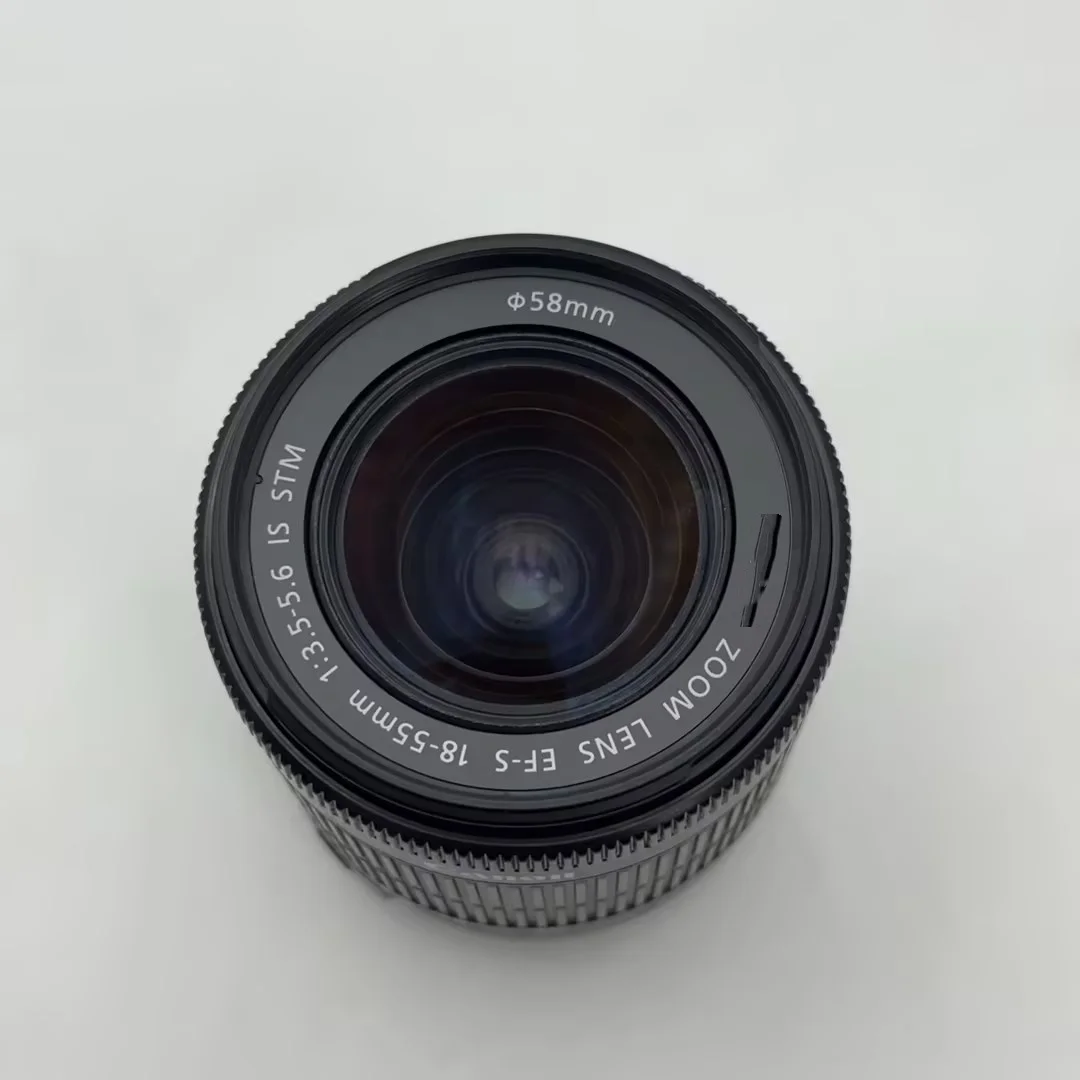
| DSLR-mount (EF-S / F) | Owners of older Canon EOS or Nikon DSLRs; budget buyers seeking lowest entry cost | Widely available, often bundled free, proven reliability | No native video optimization; bulkier; no new production after 2024 3 |
| Mirrorless-native (RF-S / Z / X) | New mirrorless buyers; vloggers; travelers prioritizing size and silence | Compact, STM/AF-P motors, built-in OIS/VR, faster communication with camera | Slightly higher upfront cost; fewer third-party options |
| Premium kit (XF 18–55mm f/2.8–4) | Hobbyists upgrading from smartphones; hybrid shooters needing better low-light control | Faster aperture, metal build, superior sharpness, weather resistance | Higher price point; heavier than standard kits; limited to Fujifilm X-mount |
Key Features and Specifications to Evaluate
Not all 18–55mm lenses perform the same — even within the same brand. Here’s what actually moves the needle:
- Autofocus motor type: STM (Canon), AF-P (Nikon), LM (Fujifilm) = silent, smooth, video-safe. Micro-motor or screw-drive = noisy, jerky, unsuitable for audio-sensitive recording. When it’s worth caring about: If you record voiceover or interview-style video. When you don’t need to overthink it: If you only shoot stills and review photos later.
- Image stabilization rating: Look for “VR”, “IS”, or “OIS” with a claimed 4–5 stop advantage. Real-world benefit: handheld shots at 1/15s or slower remain usable. When it’s worth caring about: Vlogging while walking, filming indoors without lights, or using longer focal lengths (55mm end). When you don’t need to overthink it: Bright daylight outdoor shots — stabilization adds little value there.
- Maximum aperture range: Standard is f/3.5–5.6 (gets slower as you zoom in). Premium variants like the Fujifilm XF offer f/2.8–4 — meaning noticeably brighter viewfinder, better subject separation, and usable indoor shots at 55mm. When it’s worth caring about: Shooting in dim cafés, museums, or evening walks without flash. When you don’t need to overthink it: Sunny park scenes or well-lit home studios — f/5.6 is perfectly sufficient.
- Mount compatibility & future-proofing: EF-S and F-mount lenses require adapters to work on modern mirrorless bodies — adding bulk, reducing AF speed, and sometimes disabling features. Native mounts communicate fully. When it’s worth caring about: If you plan to upgrade your camera body in the next 2–3 years. When you don’t need to overthink it: If you own a DSLR and have no plans to switch systems.
Pros and Cons: Balanced Assessment
Pros:
- Extremely versatile focal range for everyday framing
- Lightweight and portable — ideal for travel and long days
- Cost-effective entry into interchangeable lens photography
- Modern versions support high-quality video with minimal focus noise
- Wide secondary market with reliable used options
Cons:
- Variable aperture limits low-light performance at telephoto end
- Plastic construction on base models feels less durable than primes
- Not optimized for astrophotography, macro, or extreme bokeh
- Older DSLR versions lack firmware updates and video refinements
This piece isn’t for keyword collectors. It’s for people who will actually use the product.
How to Choose an 18–55mm Lens: A Step-by-Step Decision Guide
Follow this checklist before purchasing:
- Confirm your camera mount: Match lens mount exactly (RF-S ≠ EF-S; Z ≠ F; X ≠ XF). Adapters add complexity — avoid unless necessary.
- Define your primary use case: Still-only? → Any STM/AF-P model works. Video-heavy? → Prioritize silent AF + OIS/VR. Low-light frequent? → Consider Fujifilm XF or wait for Canon’s upcoming RF-S f/2.8–4 variant.
- Check for physical traits: Retractable design saves space; metal barrel improves longevity; weather sealing matters for outdoor work.
- Avoid these common traps:
- Buying a 10-year-old EF-S lens “because it’s cheap” — you’ll miss silent AF and modern stabilization.
- Assuming “kit lens = bad lens” — newer mirrorless versions rival primes in center sharpness and outperform them in convenience.
- Over-prioritizing megapixels or resolution charts — real-world image quality depends more on stabilization, AF accuracy, and lighting than theoretical sharpness scores.
Insights & Cost Analysis
Price ranges reflect real 2026 market data (MSRP and verified used listings):
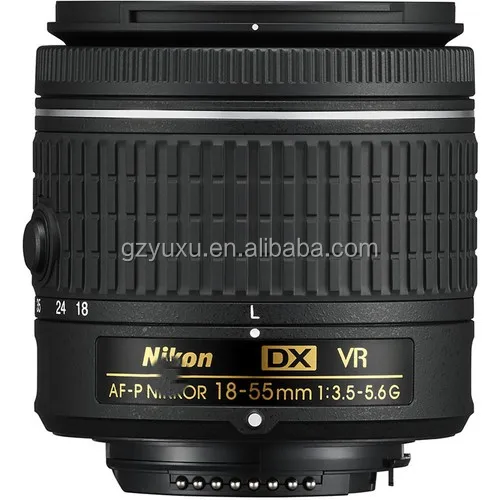
- New mirrorless-native (Nikon Z 18–55mm VR): $249–$299
- New Canon RF-S 18–45mm IS STM: $229 (functionally replaces 18–55mm for most users)
- New Fujifilm XF 18–55mm f/2.8–4: $699
- Used Grade A Fujifilm XF 18–55mm: $349–$399 (consistently rated highly across DPReview, Reddit, and Photgraphy Life)
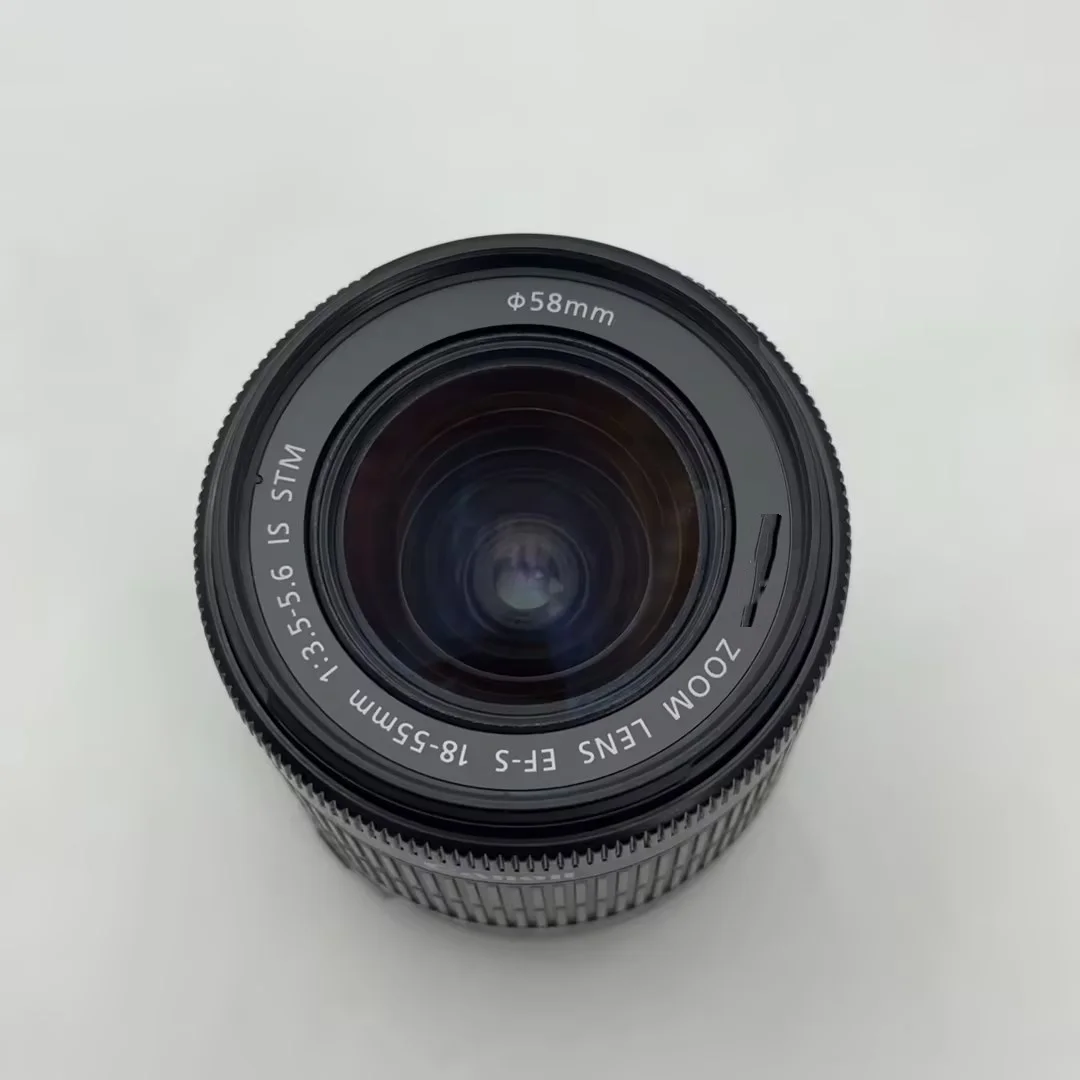
- Used Grade A Canon EF-S 18–55mm STM: $89–$119
The strongest value proposition isn’t always “newest.” For hybrid shooters, the used XF 18–55mm delivers ~90% of the optical and handling benefits of new premium lenses at ~55% of the cost. For pure beginners, the Nikon Z 18–55mm offers the cleanest path into video-capable mirrorless without overspending.
Better Solutions & Competitor Analysis
While the 18–55mm remains the default, some users benefit from alternatives — depending on constraints:
| Solution | Best For | Potential Issue | Budget Range |
|---|---|---|---|
| 10–18mm ultra-wide | Vloggers needing wide field-of-view for self-framing | No telephoto reach; distortion at edges; less versatile for general use | $349–$499 |
| 24–70mm f/4 (full-frame) | Users planning to upgrade to full-frame later | Heavier, larger, costlier; overkill for APS-C crop bodies | $899–$1,199 |
| Used XF 18–55mm + used 55–200mm | Travelers wanting lightweight coverage from wide to telephoto | Two lenses to carry/manage; no seamless zoom experience | $399–$549 (combined) |
Customer Feedback Synthesis
Based on aggregated reviews (Photography Life, Reddit r/photography, DPReview forums, and Amazon verified purchases), top recurring themes:
- ✅ Most praised: “Sharp enough for social media and prints up to 13×19”, “Surprisingly quiet AF during video”, “Lightweight but doesn’t feel cheap”, “VR/IS makes handheld footage watchable.”
- ❌ Most complained about: “Front element rotates during focus (makes polarizer use tricky)”, “No manual focus clutch on base models”, “Zoom creep at 55mm when pointed down”, “Plastic lens hood feels flimsy.”
Notably, complaints rarely cite optical failure or softness — they center on ergonomics and ancillary features. That reinforces a key truth: If you’re a typical user, you don’t need to overthink this.
Maintenance, Safety & Legal Considerations
These lenses require minimal maintenance:
- Store with front/rear caps on, in a dry, dust-free environment
- Use a microfiber cloth for cleaning — avoid solvents or paper towels
- Do not force zoom or focus rings; if resistance occurs, service is recommended
No regulatory certifications (e.g., IP ratings) apply to consumer-grade 18–55mm lenses. Weather resistance (on Fujifilm XF and select Nikon Z models) is not waterproof — treat it as splash-resistant only. There are no legal restrictions on ownership or use.
Conclusion
The 18–55mm lens isn’t obsolete — it’s been upgraded. In 2026, it’s no longer just a bundle item. It’s a considered choice for creators who want one lens that does 80% of the work, well.
If you need a compact, silent, stabilized lens for hybrid photo/video use on a mirrorless camera → choose a native RF-S, Z-mount, or X-mount model with STM/AF-P/LM and OIS/VR/IS.
If you need maximum low-light capability and build quality on a budget → buy a used Grade A Fujifilm XF 18–55mm f/2.8–4.
If you’re a typical user, you don’t need to overthink this.


