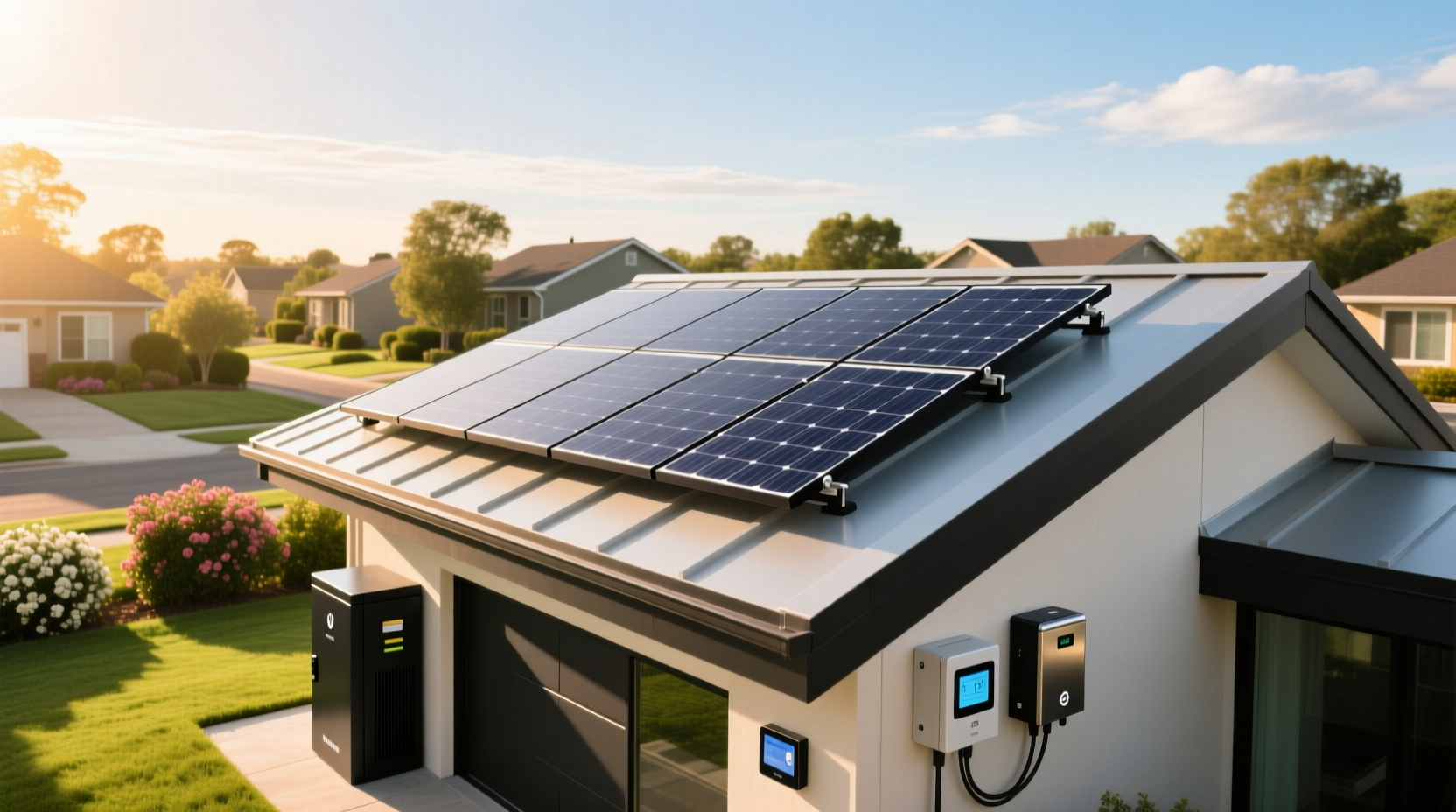
If you’re outfitting an RV, boat, or small off-grid cabin — not powering a full home — a 1kW solar panel system is often the most practical, cost-efficient entry point into energy independence. Over the past year, efficiency gains have shrunk required roof space: today’s top-tier panels hit 22–23% efficiency, meaning a true 1kW array now fits on just 2–3 panels 1. You’ll produce roughly 3–6 kWh per day depending on location and tilt — enough to run a fridge, lights, phone charging, and a small AC unit intermittently 2. Skip monocrystalline panels below 21% efficiency. Prioritize LiFePO4 (LFP) batteries over lead-acid — they last 3× longer and tolerate deep cycling safely 3. If you’re a typical user, you don’t need to overthink this.
About 1kW Solar Panel Systems
A 1kW solar panel system refers to a photovoltaic array with a nominal DC capacity of 1,000 watts — typically composed of two to four high-wattage panels (e.g., 330W–550W each), paired with a compatible charge controller, inverter, and battery bank. It is not designed to replace grid power for standard homes (which average 6–10 kW). Instead, it targets mobile and remote applications where portability, silent operation, and fuel independence matter more than raw scale.
Typical use cases include:
- 🚐 RVs and campervans: Powering refrigerators, LED lighting, water pumps, and USB devices without running a noisy generator.
- ⛵ Marine vessels: Maintaining battery banks on sailboats or fishing boats, especially during extended anchorage.
- ⛺ DIY off-grid cabins or sheds: Supporting basic loads like lighting, communications gear, and small tools.
- 📡 Remote monitoring or telecom sites: Low-power telemetry stations requiring reliable, maintenance-light energy.
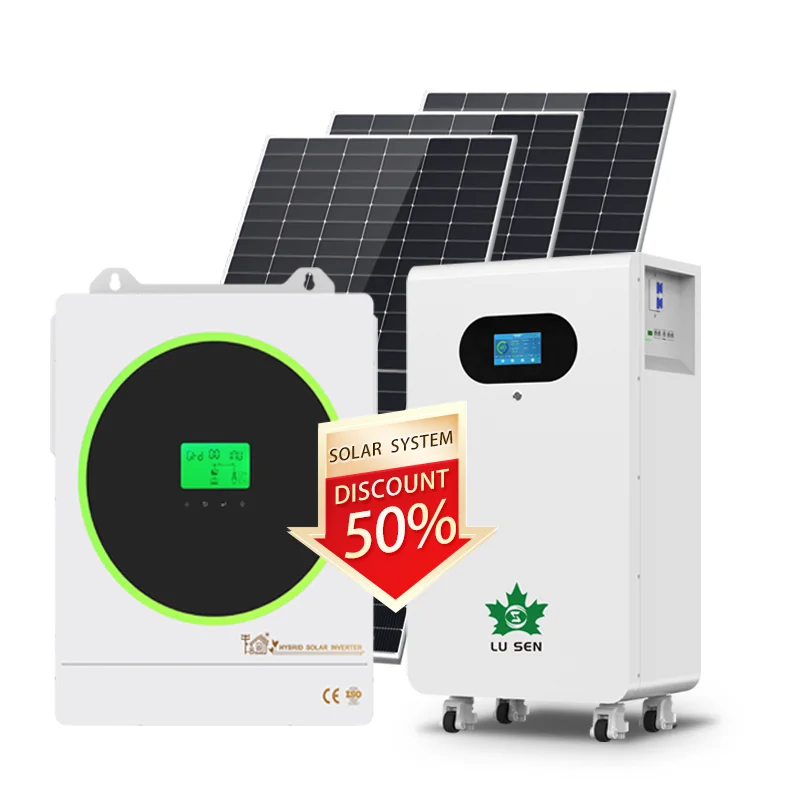
Why 1kW Solar Panel Systems Are Gaining Popularity
Lately, demand for sub-2kW solar kits has surged — not because people want smaller systems, but because they’ve become smarter, lighter, and more application-specific. The shift reflects three converging realities:
- Efficiency compression: Panels exceeding 22% efficiency reduce physical footprint by ~30% compared to 2022 models. That makes rooftop mounting on RVs and boats genuinely feasible 4.
- Fuel-cost sensitivity: Diesel and propane prices remain volatile. Users report cutting generator runtime by 70–90% after installing a well-sized 1kW+ LFP system — directly improving air quality, noise levels, and long-term operating cost 2.
- Battery maturity: LiFePO4 cells are now standardized, widely available, and priced within reach — offering 3,000–5,000 cycles vs. 500–800 for AGM batteries. This eliminates the “replace every 2 years” anxiety that plagued early off-grid adopters.
This piece isn’t for keyword collectors. It’s for people who will actually use the product.
Approaches and Differences
There are three dominant configurations for 1kW solar setups — each suited to different priorities:
1. Off-Grid Kits (Battery-Centric)
Includes panels + MPPT charge controller + LFP battery + pure sine wave inverter. Designed for complete independence.
- ✅ Pros: No grid dependency; ideal for intermittent or zero-access locations; simple wiring; built-in safety cutoffs.
- ❌ Cons: Higher upfront cost (battery dominates price); limited scalability without re-engineering; requires careful load auditing.
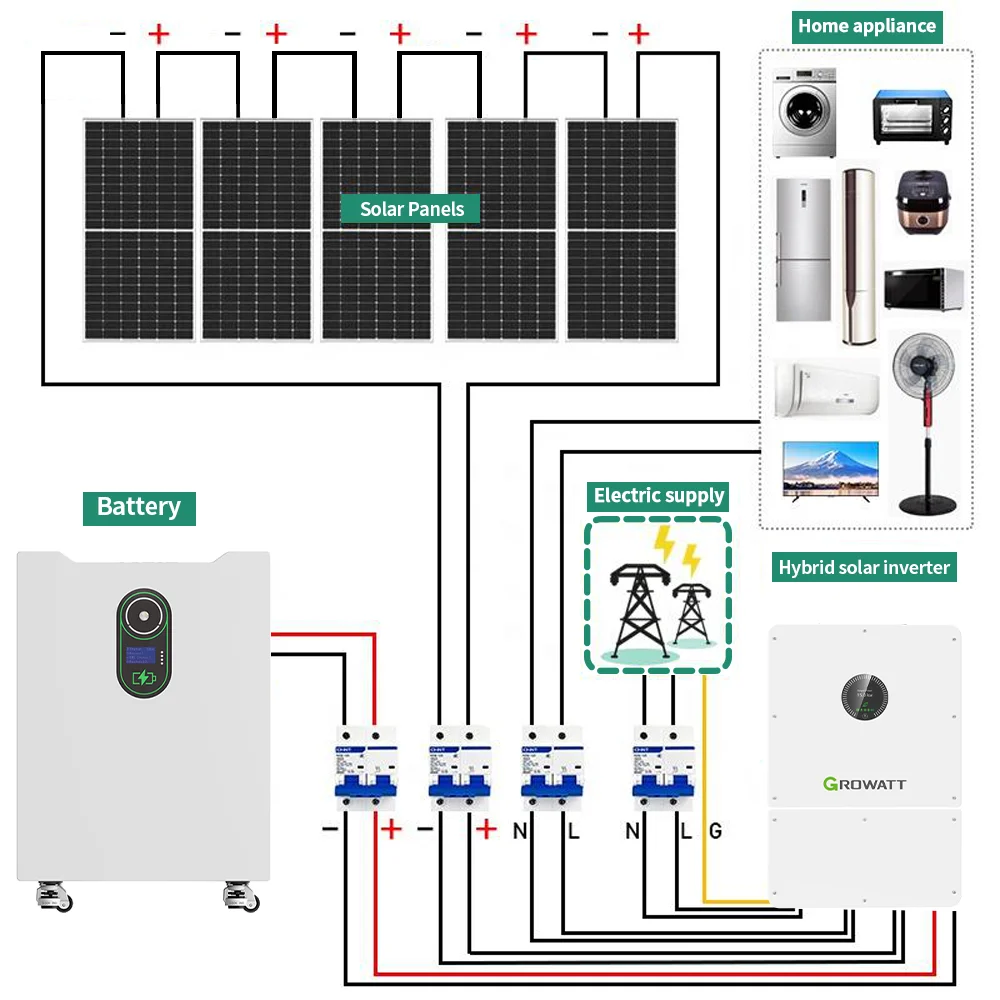
2. Hybrid Kits (Grid-Tie + Battery Backup)
Includes panels + hybrid inverter + battery + grid connection capability. Allows net metering when available and backup during outages.
- ✅ Pros: Grid-as-backup extends usable capacity; potential utility credits; future-ready if grid access improves.
- ❌ Cons: More complex commissioning; requires utility interconnection approval; hybrid inverters cost 20–40% more than pure off-grid units.
3. Panel-Only or Controller-Only Bundles
Sold as “1kW panel sets” — no battery, no inverter. Often marketed to DIY users or those upgrading existing systems.
- ✅ Pros: Lowest entry cost ($894–$1,300); maximum flexibility for custom builds.
- ❌ Cons: Requires technical confidence in sizing, wiring, and component compatibility; no plug-and-play support; risk of mismatched voltage/current specs.
If you’re a typical user, you don’t need to overthink this. Start with an integrated off-grid kit unless you already own a compatible battery or have certified electrician support.
Key Features and Specifications to Evaluate
Not all 1kW systems deliver equal real-world value. Focus on these five measurable criteria — ranked by impact on daily usability:
- Panel Efficiency & Temperature Coefficient: Prioritize panels ≥22% efficient with temperature coefficients ≤ −0.30%/°C. Why? RV roofs heat up fast — a low coefficient means less output loss at 65°C surface temp. When it’s worth caring about: hot climates (Southwest US, Mediterranean, Australia). When you don’t need to overthink it: temperate zones with consistent cloud cover (Pacific Northwest, UK).
- Battery Chemistry & Depth of Discharge (DoD): LFP batteries offer 80–95% usable DoD vs. 50% for lead-acid. That doubles effective capacity without increasing physical size. When it’s worth caring about: any application involving daily cycling. When you don’t need to overthink it: seasonal-only use with infrequent discharge (e.g., weekend cabin).
- Inverter Shading Response: Look for inverters with module-level optimization (e.g., Tigo, Enphase IQ8) or multi-MPPT inputs. They recover 15–30% more yield under partial shade (e.g., antenna shadows, tree branches). When it’s worth caring about: fixed-mount installations with variable obstructions. When you don’t need to overthink it: portable ground arrays or unobstructed RV roofs.
- MPPT Charge Controller Voltage Range: Must match panel Voc (open-circuit voltage) and battery bank voltage (12V, 24V, or 48V). A 48V battery bank reduces current by 75% vs. 12V — cutting wire gauge needs and resistive losses. When it’s worth caring about: systems >800W or with long cable runs. When you don’t need to overthink it: compact 12V kits under 600W with short wiring.
- Monitoring & Alerts: Cloud-based or Bluetooth apps showing real-time generation, battery state-of-charge, and fault codes. Not “nice to have” — it’s how you catch failing cells or shading issues before they compound. When it’s worth caring about: all deployments. When you don’t need to overthink it: none — this is non-negotiable for modern systems.
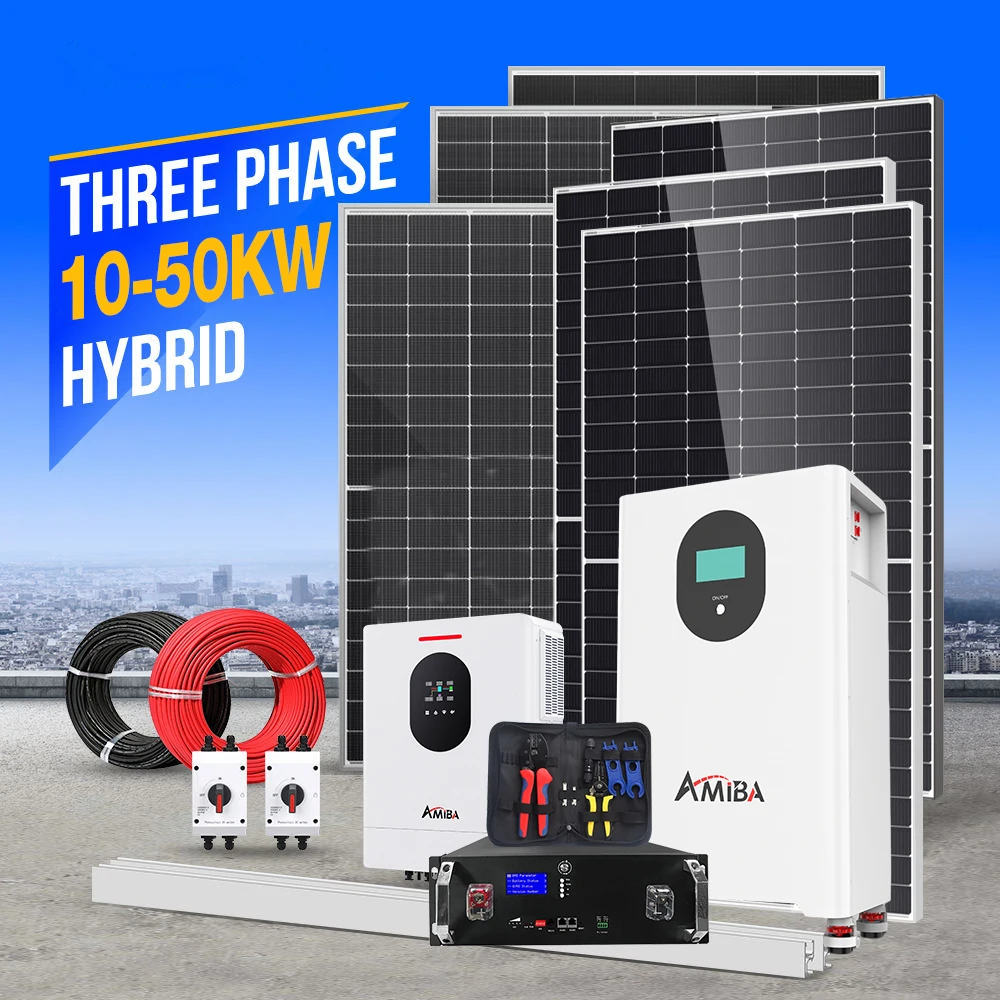
Pros and Cons: Balanced Assessment
Best for: RV owners seeking quiet, fuel-free refrigeration; marine users needing reliable anchor battery top-ups; remote workers requiring stable comms power; preppers building layered resilience.
Not best for: Homes aiming to offset >30% of grid consumption; users unwilling to audit daily loads; those expecting “set-and-forget” performance without periodic cleaning or firmware updates; anyone relying solely on manufacturer wattage claims without verifying STC vs. NOCT ratings.
How to Choose a 1kW Solar Panel System
Follow this 6-step decision checklist — validated against 2026 buyer behavior data from A1SolarStore and EnergySage 25:
- Audit your daily load (in watt-hours): List every device, its wattage, and hours used. Add 20% overhead. If total < 2,500 Wh/day → 1kW is sufficient. If > 4,000 Wh/day → consider 1.5kW+.
- Confirm mounting feasibility: Measure usable roof area. At 23% efficiency, 1kW needs ~5.5–6.5 m² (60–70 sq ft) — not 10+ m² as older guides claim.
- Select battery voltage first: 48V is optimal for 1kW+ systems (lower current = safer, cheaper cabling). Only choose 12V if integrating with existing 12V accessories.
- Require LFP chemistry: Avoid kits advertising “lithium” without specifying LiFePO4. NMC or generic “Li-ion” lacks thermal stability for vehicle/marine use.
- Verify inverter surge rating: Must exceed peak load (e.g., fridge compressor startup: 1,200–1,800W). A 1,000W continuous inverter with 2,000W surge is minimum baseline.
- Reject kits without MPPT controllers: PWM controllers waste 25–35% of potential harvest — especially in cool, sunny conditions.
Avoid these three common pitfalls: (1) buying panels rated at STC only — demand NOCT (Nominal Operating Cell Temperature) specs; (2) pairing high-voltage panels with low-voltage batteries without checking Vmp/Voc compatibility; (3) assuming “1kW kit” includes all mounting hardware — many omit rails, grounding lugs, or MC4 connectors.
Insights & Cost Analysis
Based on verified 2026 pricing across A1SolarStore, GreenLancer, and Circuit Solar 216, here’s what you’ll pay — and why:
| System Type | Core Advantages | Potential Issues | Budget (USD) |
|---|---|---|---|
| Off-Grid Kit (LFP) | Plug-and-play; LFP longevity; integrated monitoring | Less flexible for expansion; higher initial cost | $1,800–$2,600 |
| Panel-Only Bundle | Lowest entry cost; full component control | Requires technical skill; no warranty bundling | $894–$1,300 |
| Hybrid Kit | Grid backup + export revenue; future scalability | Utility approval delays; higher complexity | $2,200–$3,100 |
The $894–$1,300 range reflects entry-level kits using 330W–370W panels and 2.56kWh LFP banks. Systems above $2,000 typically include premium 540W panels, 4.8kWh LFP, and dual-MPPT hybrid inverters. If you’re a typical user, you don’t need to overthink this — the $1,800–$2,200 tier delivers optimal balance of reliability, serviceability, and headroom.
Better Solutions & Competitor Analysis
While dozens of brands sell “1kW kits,” field data shows consistent differentiation in three areas: thermal management, firmware update frequency, and component interoperability. Below is a functional comparison of representative 2026 offerings:
| Brand / Model | Best For | Key Strength | Known Limitation |
|---|---|---|---|
| Hefei Fanjingsi 1kW Pro | Marine environments | IP67-rated controller; salt-fog tested components | Limited app language support (English/Chinese only) |
| Jiangsu GSO All-in-One | RVs & quick deployment | Integrated mounting rails; Bluetooth + Wi-Fi monitoring | No UL 1741 certification — not for grid-tie use |
| Renogy Rover Elite Kit | DIY learners | Detailed English documentation; modular expansion ports | Base model uses 21% panels — upgrade required for max yield |
Customer Feedback Synthesis
Aggregated from EnergySage reviews, A1SolarStore Q&A, and Reddit r/SolarDIY (Q1–Q2 2026):
- Top 3 praises: “Silent operation vs. generator,” “LFP held charge through 3-day cloudy stretch,” “App alerts caught loose terminal before corrosion.”
- Top 3 complaints: “Mounting hardware didn’t match my RV roof material,” “Inverter fan noise audible inside cab at night,” “No clear guidance on winter tilt adjustment.”
Maintenance, Safety & Legal Considerations
Maintenance: Clean panels quarterly (more often in dusty/dry climates); inspect MC4 connectors annually for oxidation; verify battery BMS firmware is updated.
Safety: LFP batteries require thermal runaway containment — never install in sealed compartments without ventilation. Always fuse positive leads within 18 inches of battery terminals (per ABYC E-11 and NEC Article 690.8).
Legal: In the U.S., off-grid systems under 10A output generally avoid permitting — but local RV parks or marinas may impose their own rules. Marine installations must comply with ABYC E-11 standards. EU buyers should verify CE marking and EN 50583-1 compliance.
Conclusion
A 1kW solar panel system is no longer a compromise — it’s a precision tool for mobile and remote energy autonomy. If you need silent, fuel-free power for an RV, boat, or small off-grid structure, choose an integrated off-grid kit with ≥22% panels, a 48V LFP battery, and module-level MPPT optimization. If you’re upgrading an existing 12V system or have strong DIY confidence, a panel-only bundle gives flexibility — but only if you commit time to design validation. If you’re a typical user, you don’t need to overthink this.


