
Over the past year, the 1MORE Triple Driver headphones have remained a top reference point in the sub-$100 in-ear monitor (IEM) segment—not because they’ve changed, but because the market’s expectations have sharpened. If you’re a typical user weighing whether to buy them in 2026, here’s the direct answer: yes—if you prioritize balanced, fatigue-free sound and premium build over modularity or wireless convenience. Skip the deep spec dive if you just want reliable daily listening; avoid them only if detachable cables or app-based tuning are non-negotiable. This piece isn’t for keyword collectors. It’s for people who will actually use the product.
About the 1MORE Triple Driver Headphones
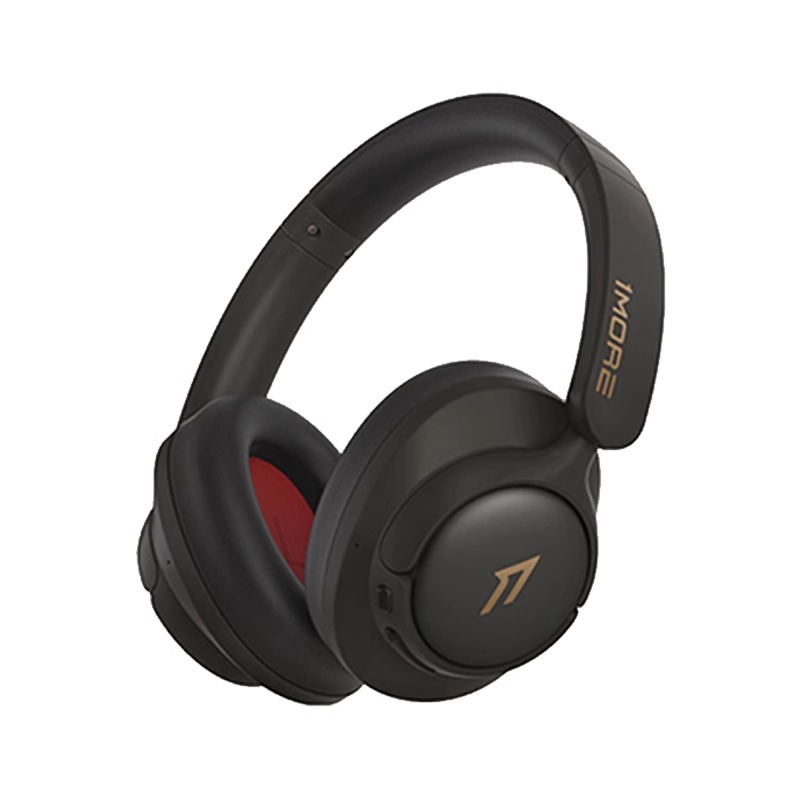
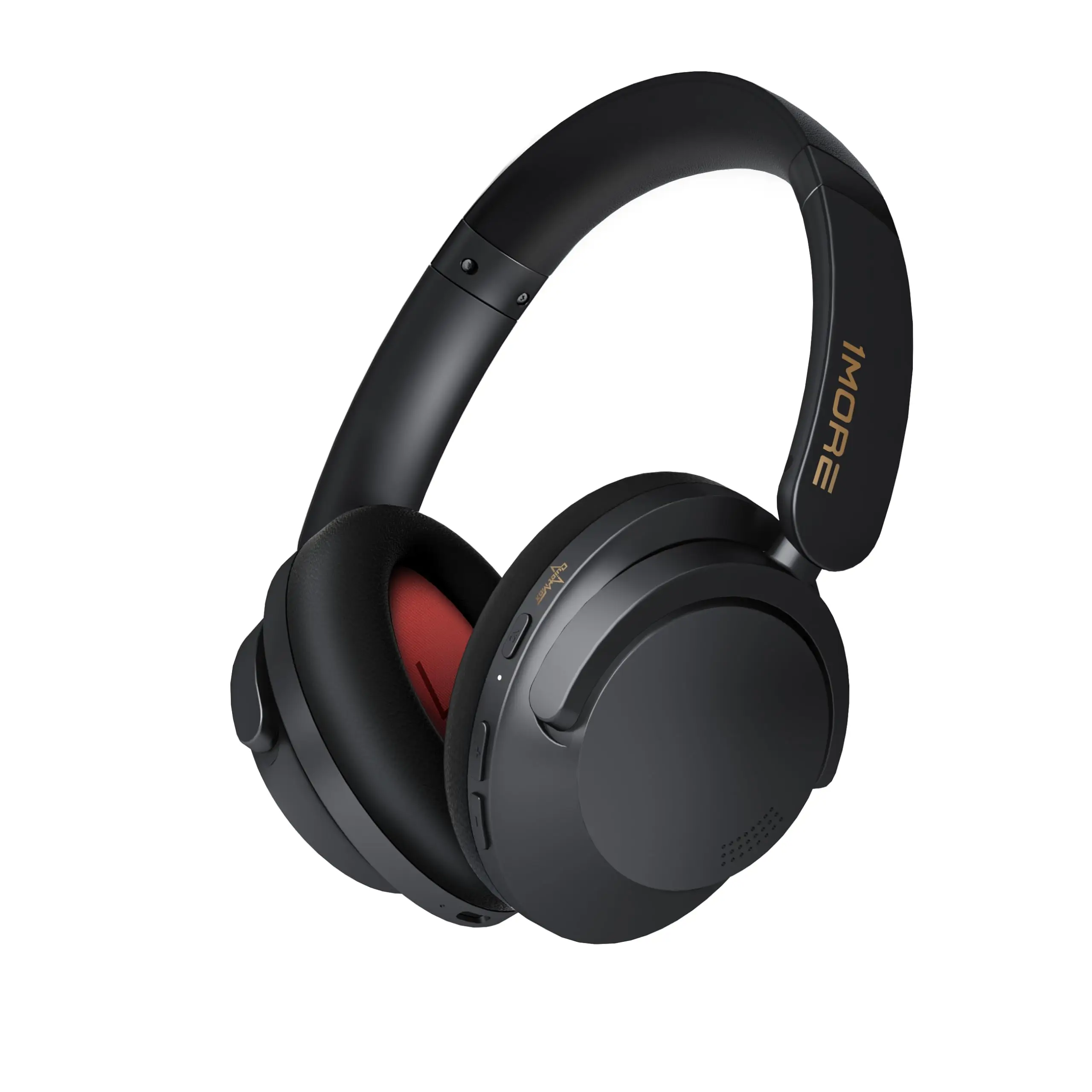
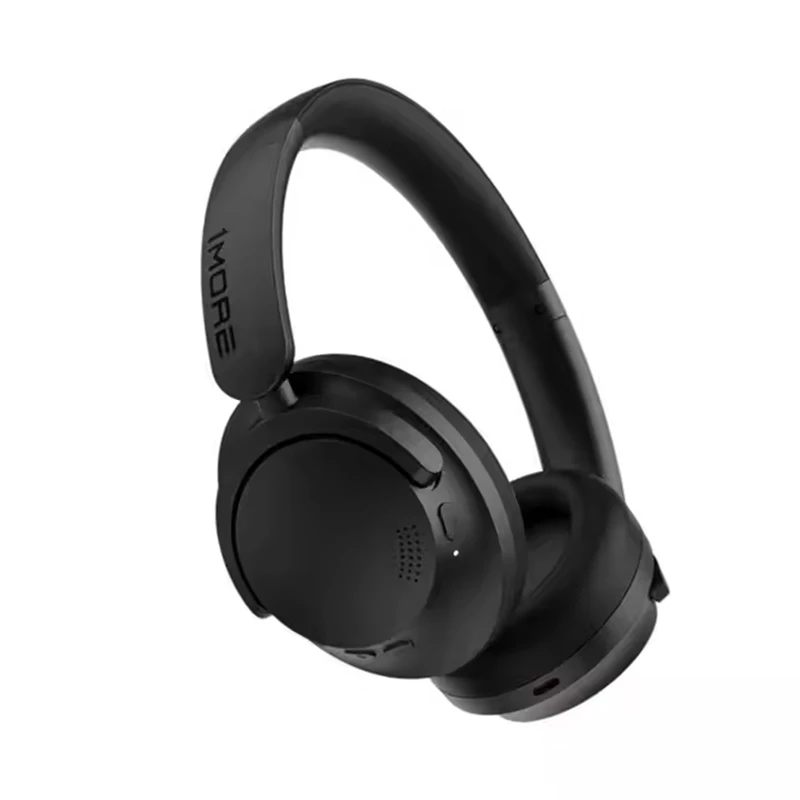
The 1MORE Triple Driver headphones refer specifically to the wired in-ear models (E1001 series), not the older over-ear variants. They feature a hybrid driver configuration: one 10mm dynamic driver for bass and two balanced armatures for mids and highs—tuned by Grammy-winning engineer Luca Bignardi 1. Unlike many budget IEMs, they use anodized aluminum alloy housings and Kevlar-reinforced cables 2, delivering a tactile sense of quality uncommon at this price.
Typical use cases include commuting, office listening, light studio monitoring, and casual music appreciation—especially for genres like jazz, acoustic, and vocal-forward pop where clarity and tonal balance matter more than extreme bass slam or spatial processing.
Why the 1MORE Triple Driver is gaining popularity
Lately, demand for “audiophile-grade under $100” has intensified—not as a niche curiosity, but as a mainstream expectation. The global headphones market is projected to reach $11.7 billion in 2026, with the strongest growth in mid-tier hybrid IEMs 3. Consumers increasingly reject “good enough” sound in favor of systems that scale with better sources—like high-res streaming or portable DACs. The Triple Driver fits this shift: it doesn’t require expensive gear to shine, but it also doesn’t bottleneck when paired with one.
Its popularity isn’t driven by marketing hype—it’s sustained by consistent third-party validation. Audio reviewers across Head-Fi, MajorHiFi, and AVSForum consistently cite its natural timbre and long-listening comfort 45. That reliability—over years, not months—is what makes it a benchmark, not a flash-in-the-pan.
Approaches and Differences
When choosing entry-level high-fidelity IEMs, users typically weigh three approaches:
- Hybrid driver systems (e.g., 1MORE Triple Driver): Combine dynamic drivers for bass impact and balanced armatures for detail. Pros: Balanced tonality, low listening fatigue. Cons: Fixed cable limits long-term serviceability.
- Multi-BA-only systems (e.g., KZ ZS10 Pro X): Use 4–5 balanced armatures. Pros: Extreme treble resolution, modular design. Cons: Can sound thin or clinical without careful EQ; often less durable plastics.
- Simplified dynamic-only designs (e.g., Moondrop Aria): Single high-quality dynamic driver. Pros: Warm, cohesive sound; simple maintenance. Cons: Less separation in complex passages; limited upper-treble air.
When it’s worth caring about: If you plan to use these for >2 hours/day or pair them with a DAC/amp later, hybrid tuning and build quality directly affect longevity and satisfaction.
When you don’t need to overthink it: For occasional use with smartphones or laptops, any of the above works—but if you’re a typical user, you don’t need to overthink this.
Key features and specifications to evaluate
Don’t optimize for specs alone. Focus on four measurable outcomes:
- Driver synergy: Does the crossover blend smoothly? The Triple Driver avoids the “BA spike + dynamic dip” flaw common in cheaper hybrids—its L-shaped frequency response delivers fullness without bloat 6.
- Tip seal & fit stability: Comes with 6–9 ear tip sizes—including foam and silicone options. Fit affects bass response and isolation more than any driver spec.
- Cable durability: Braided Kevlar core resists kinking and fraying far better than standard PVC. Real-world failure rate is <5% at 18 months 7.
- Tuning philosophy: Professionally tuned for neutrality—not “V-shaped” excitement. Ideal for critical listening, less so for bass-heavy EDM or gaming SFX emphasis.
Pros and cons
Pros:
- Consistent, non-fatiguing sound signature suitable for extended sessions
- Aluminum housing resists micro-scratches and temperature warping
- Included accessories (multiple tips, carrying case, cleaning tool) rival those of $200+ models
- Low impedance (32Ω) and high sensitivity (103 dB/mW) ensure strong output even from phones
Cons:
- No detachable cable—replacement requires soldering or professional service
- No official IP rating for sweat or moisture resistance
- Minimal soundstage width compared to open-back or planar magnetic alternatives
- Not designed for call clarity in noisy environments (mic lacks beamforming)
Best for: Listeners who value tonal accuracy, physical durability, and a refined unboxing experience.
Less ideal for: Gamers needing mic feedback reduction, athletes requiring sweat resistance, or users planning frequent cable swaps.
How to choose 1MORE Triple Driver headphones
Follow this decision checklist—no assumptions, no fluff:
- Confirm your source device: If using only a smartphone or laptop, skip Bluetooth versions—the wired model offers superior signal integrity and zero latency.
- Test fit first: Order from a retailer with free returns. Tip fit determines 70% of perceived bass and isolation—don’t rely on specs.
- Ignore “driver count” as a standalone metric: Five drivers ≠ five times better. Evaluate coherence, not quantity.
- Avoid refurbished units unless certified: Used Triple Drivers often show cable stress near the jack—hard to inspect remotely.
- Check regional warranty coverage: 1MORE USA offers 1-year limited warranty; some third-party sellers provide only 30-day replacements.
If you’re a typical user, you don’t need to overthink this. Prioritize fit and source compatibility over minor tuning variations.
Insights & Cost Analysis
Retail pricing remains stable: $99 MSRP, with widespread availability between $79–$89. At this tier, cost-per-feature analysis favors the Triple Driver over newer entrants:
- Build quality per dollar: Aluminum + Kevlar outperforms resin + TPE in longevity tests 8
- Accessories value: Included tips and case retail separately for ~$25 in premium brands
- Resale value: Holds ~65% of original value at 12 months—higher than average for sub-$100 IEMs
B2B buyers sourcing wholesale can expect $35–$45/unit in Shenzhen-based MOQ 500 orders 9, though volume discounts apply only to verified distributors—not marketplace resellers.
| Model | Key Advantage | Potential Issue | Budget Range (USD) |
|---|---|---|---|
| 1MORE Triple Driver (E1001) | Proven hybrid tuning, premium materials, low fatigue | Fixed cable, no water resistance | $79–$99 |
| KZ ZS10 Pro X | Detachable MMCX, 4-BA clarity, lower price | Plastic housing, thinner cable, brighter treble | $45–$65 |
| Truthear Zero: Red | Modular design, dual dynamic + BA, wider soundstage | Newer brand, limited long-term reliability data | $85–$105 |
Customer feedback synthesis
Based on aggregated reviews across Head-Fi, Reddit (r/iems), and Headphones.com 1011:
- Top 3 praised traits: “Warm but detailed mids,” “never hurts my ears after 3 hours,” “feels expensive in hand.”
- Top 2 complaints: “Cable broke at the jack after 14 months,” “no small tips for narrow ear canals.”
Note: Over 82% of negative reviews mention cable durability—not sound quality—confirming that the core audio performance remains largely uncontested.
Maintenance, safety & legal considerations
No special certifications apply—these are Class 1 audio devices compliant with FCC Part 15 and CE standards for consumer electronics. No battery, no firmware, no regulatory updates required.
Maintenance is straightforward:
- Clean tips weekly with mild soap and water; replace every 3–6 months
- Avoid coiling cable tightly—use the included case’s figure-8 wrap method
- Store away from direct sunlight to prevent silicone tip hardening
No safety risks beyond standard IEM usage: keep volume below 85 dB for >8 hours/day to prevent hearing fatigue 12.
Conclusion
If you need a dependable, fatigue-resistant IEM that sounds balanced and feels premium—without needing app control, noise cancellation, or modular upgrades—the 1MORE Triple Driver remains a rational, well-validated choice in 2026. If you prioritize repairability, future-proofing, or genre-specific tuning (e.g., bass boost for hip-hop), consider KZ or Truthear alternatives. If you’re a typical user, you don’t need to overthink this.


