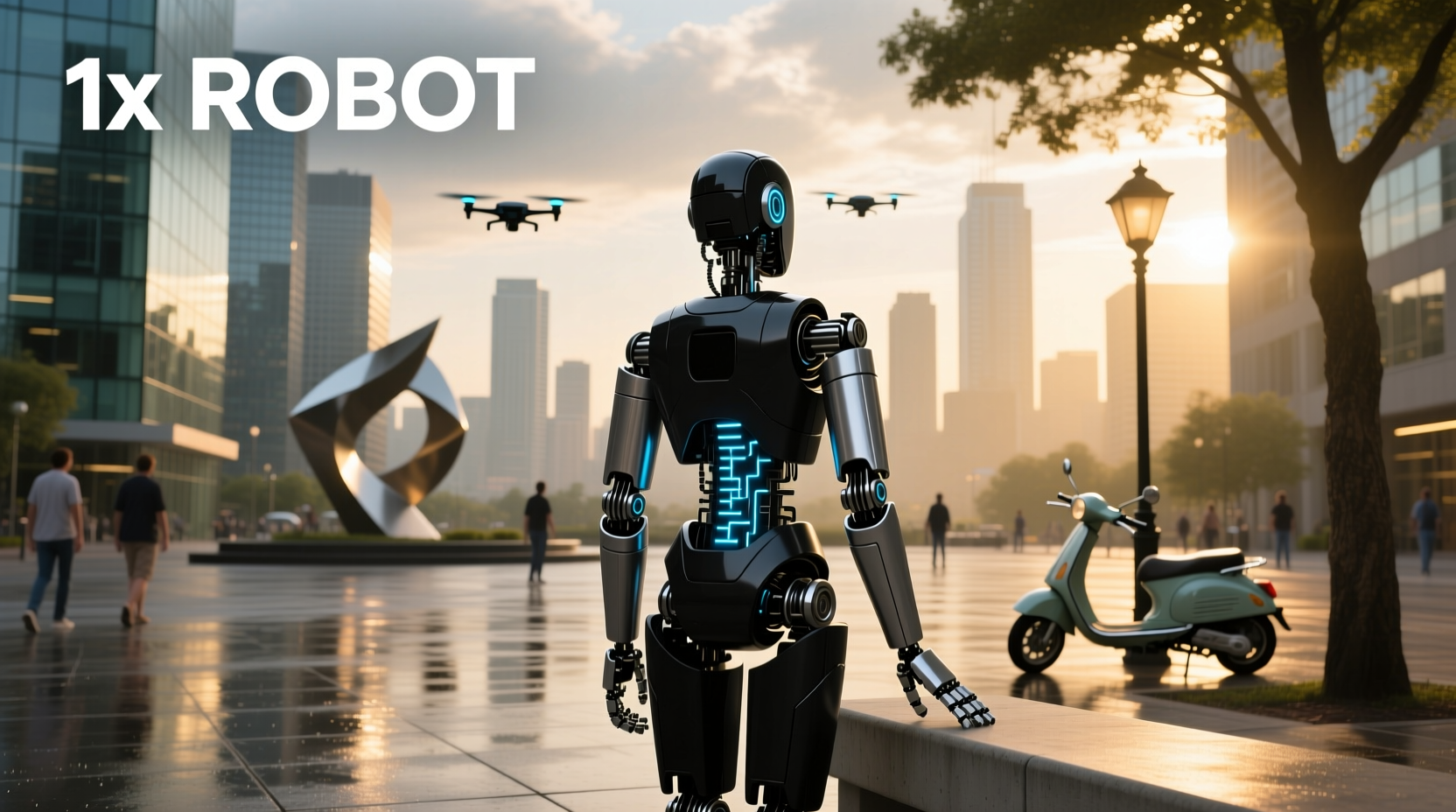
About the 1X NEO Robot
The 1X NEO is a bipedal, soft-bodied humanoid robot designed exclusively for domestic environments — not labs, factories, or offices. Standing 5'6" (168 cm) and weighing 66 lbs (30 kg), it moves on two legs with 75 total degrees of freedom (22 per hand), enabling nuanced manipulation of household objects4. Its core differentiator is safety-first architecture: a flexible 3D-lattice polymer skeleton, machine-washable knit exterior, and force-limited actuators that physically yield on contact — unlike rigid metal competitors5. Typical use cases include carrying laundry baskets, fetching groceries, tidying living rooms, and assisting elderly or mobility-limited residents — tasks requiring stable balance, gentle grip, and low-noise operation in shared acoustic spaces.
Why the 1X NEO Is Gaining Popularity
Lately, consumer interest has surged not because of speculative AI hype — but because of tangible signals: over 10,000 pre-orders in five days1, full-scale manufacturing underway at Hayward, CA (10,000 units/year capacity)6, and clear positioning as the first *domestic* biped — not an industrial or research variant. People aren’t buying a robot; they’re buying a new category of home infrastructure: one that walks, lifts, and operates without alarming noise or risk. That shift matters. When it’s worth caring about: if your household includes children, pets, or shared floorspace where sudden movement or loud motors cause stress. When you don’t need to overthink it: if your primary goal is coding practice, classroom demos, or testing perception algorithms — then EVE or development kits serve better.
Approaches and Differences
There are three distinct paths to engaging with 1X’s ecosystem — each serving different intents:
- Direct NEO purchase ($20,000 + $499/month): Full hardware + cloud-based “Expert Mode” teleoperation support, software updates, and remote assistance during learning phases7. Pros: turnkey domestic deployment, safety-certified design, integrated world-model training. Cons: high upfront cost, mandatory subscription for core functionality, limited regional availability (US-first).
- EVE platform access (B2B/research): Wheeled, industrial-grade predecessor used for data collection and embodied AI training8. Pros: proven stability, higher speed on flat surfaces, mature SDK. Cons: not designed for homes, lacks soft-body safety, no consumer support path.
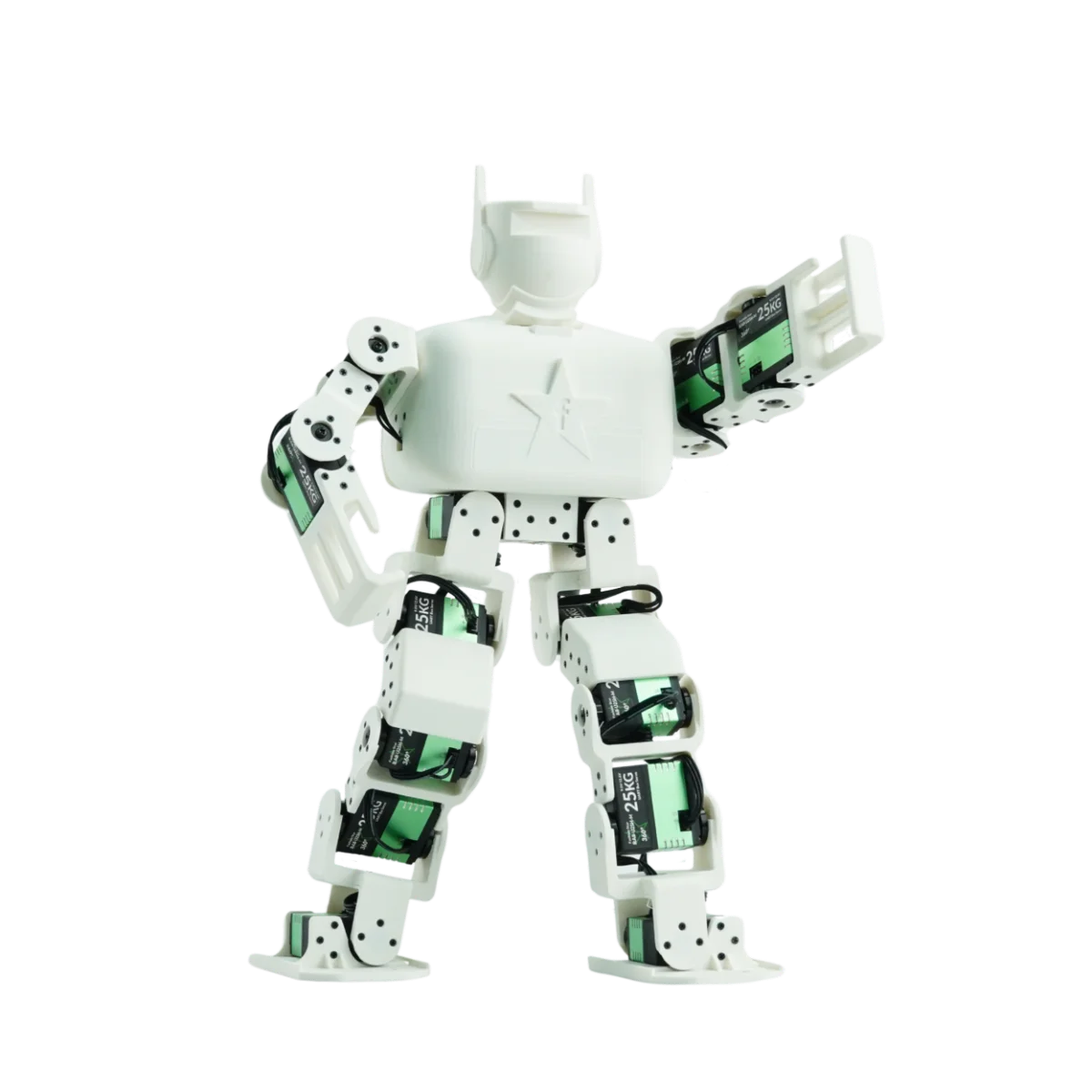
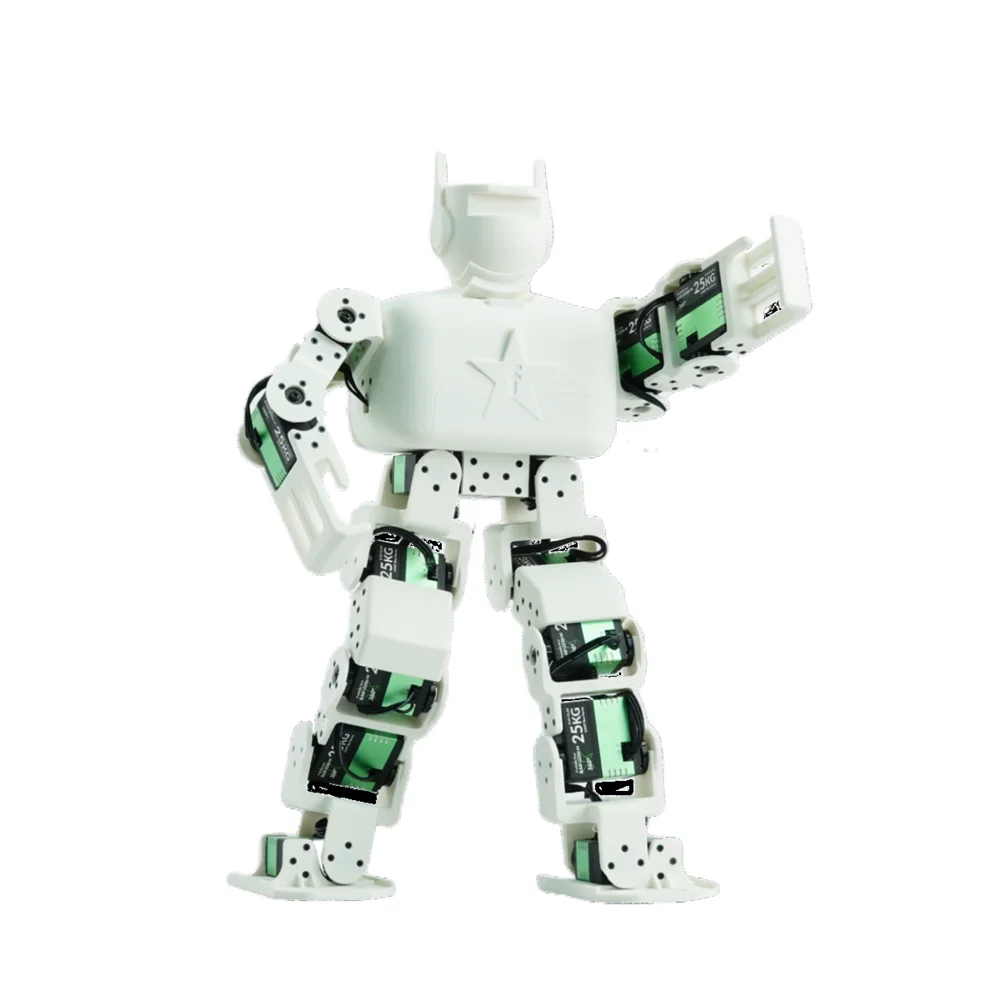
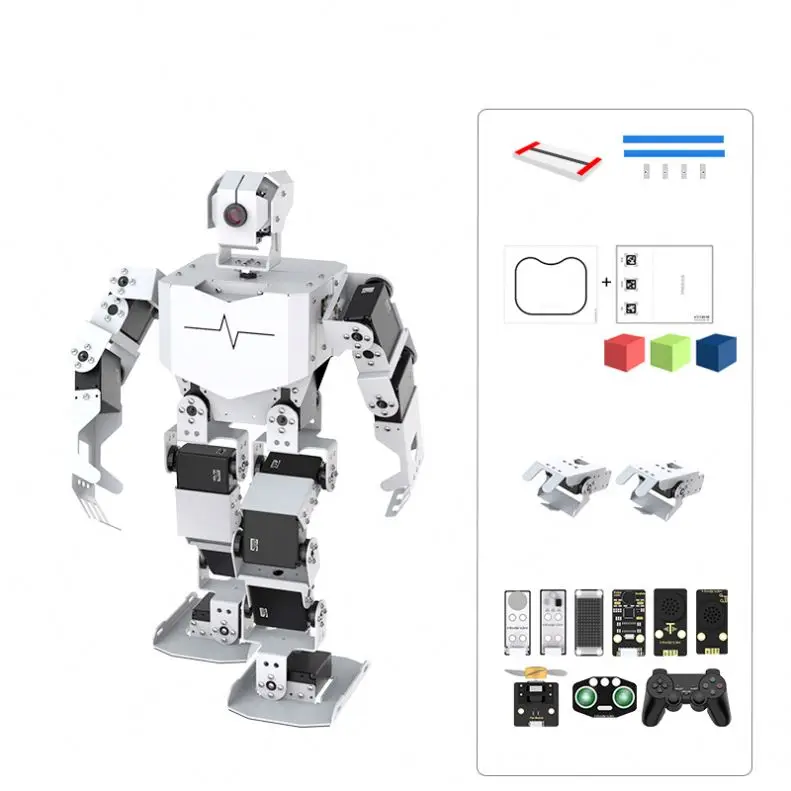
- Third-party humanoid kits (e.g., Hiwonder Tonybot, Open Source Platforms): Entry-level Python-programmable robots priced under $1,5002. Pros: affordable, modifiable, ideal for education or rapid iteration. Cons: limited payload (<10 lbs), no certified home safety features, minimal real-world dexterity.
If you’re a typical user, you don’t need to overthink this: choosing between NEO and a kit isn’t about “better tech” — it’s about matching intent. One trains. The other lives with you.
Key Features and Specifications to Evaluate
When comparing humanoid robots, focus on four measurable dimensions — not just headline specs:
- ✅ Safety rating: Does it have passive compliance (e.g., soft lattice core) or only active sensors? NEO’s polymer frame yields on impact — a physical guarantee no software update can replicate. When it’s worth caring about: households with toddlers or pets. When you don’t need to overthink it: lab-only deployments.
- ✅ Noise level: Measured in dB at 1 meter. NEO’s 22 dB matches rustling leaves — critical for bedrooms or open-plan living. When it’s worth caring about: multi-generational homes or sound-sensitive users. When you don’t need to overthink it: garage or warehouse settings.
- ✅ Payload & runtime: NEO carries 55 lbs and runs ~4 hours on a single charge (842 Wh battery)4. When it’s worth caring about: daily chore load (e.g., full laundry basket = ~30–40 lbs). When you don’t need to overthink it: light object transport (<5 lbs) or short-duration tasks.
- ✅ IP rating: NEO’s hands lack official IP68 certification — limiting kitchen/bathroom use. When it’s worth caring about: wet-environment chores. When you don’t need to overthink it: dry-area tidying only.
Pros and Cons
✅ Pros: Industry-leading soft-body safety; whisper-quiet operation; verified 55-lb carry capacity; full-scale production (not prototype); US-based manufacturing and support.
❌ Cons: $20,000 price point + recurring subscription; limited autonomy without remote “Expert Mode”; no official water resistance rating; US-only shipping in 2026.
NEO suits households seeking a physically safe, acoustically unobtrusive, and functionally capable domestic partner — not a novelty gadget. It does not suit users expecting plug-and-play general AI or full offline autonomy. If you’re a typical user, you don’t need to overthink this: NEO’s value isn’t in what it *could* do someday — it’s in what it *does reliably today*: lift, walk, and coexist without alarm.
How to Choose the Right 1X Robot Solution
Follow this decision checklist — and avoid the two most common traps:
- 🔍 Avoid Trap #1: Confusing “autonomy” with “automation.” NEO’s core functions require ongoing cloud connectivity and optional human-in-the-loop support. If you expect fully independent task execution without subscription dependency, this isn’t your device.
- 🔍 Avoid Trap #2: Prioritizing dexterity over safety. A robot with 30 DoF hands means little if its chassis poses collision risk. NEO trades raw joint count for structural compliance — a deliberate tradeoff for home use.
- ✅ Do this instead: Start with your highest-frequency physical chore (e.g., “carrying laundry upstairs”). Verify NEO’s weight limit, stair negotiation capability (confirmed in beta tests), and floor clearance — not just its spec sheet.
- ✅ Then assess: Can your home Wi-Fi sustain low-latency video streaming? Does your insurance policy cover robotic liability? Are you comfortable with anonymized interaction data supporting model refinement?
Insights & Cost Analysis
The $20,000 purchase price reflects hardware, safety engineering, and initial training infrastructure — not markup. Factoring in the $499/month subscription, the 3-year TCO approaches $38,000. That compares to industrial bipeds (e.g., Figure 2: ~$150,000) or academic platforms (e.g., Boston Dynamics Atlas: not commercially available). For context: educational humanoid kits range from $899–$2,4999. If ROI is measured in time saved on repetitive lifting tasks, breakeven begins around Year 4–5 for high-utilization households. But ROI isn’t just financial — it’s measured in reduced physical strain, consistent routine support, or caregiver respite.
Better Solutions & Competitor Analysis
| Solution Type | Best For | Potential Issue | Budget Range |
|---|---|---|---|
| 1X NEO | Households needing safe, quiet, high-payload domestic assistance | Subscription-dependent autonomy; US-only in 2026 | $20,000 + $499/mo |
| Tesla Optimus (est.) | Early adopters prioritizing AI integration over immediate safety certification | No public safety validation; no domestic deployment timeline | Undisclosed (est. >$25,000) |
| Hiwonder Tonybot | Students, hobbyists, and educators building foundational robotics skills | Low payload (<8 lbs); no home-safety design | $899–$1,299 |
| 1X EVE (B2B) | Research labs collecting embodied AI training data | Not intended for home use; wheeled, not bipedal | $120,000+ (custom quote) |
Customer Feedback Synthesis
Early community sentiment (Reddit, Robohuman, Robozaps) reveals consistent themes:
- Top praise: “Feels non-threatening,” “silent enough to forget it’s there,” “actually picks up dropped keys without crushing them.”
- Top concern: “Unclear how much is autonomous vs. remote-piloted during ‘learning mode’,” “privacy implications of continuous video feed to operators,” “no clear upgrade path for battery or compute modules.”
What’s notable isn’t polarized opinion — it’s alignment on *where the boundaries lie*. Users accept tradeoffs when they’re transparent: safety over speed, quiet over power, subscription support over isolated firmware.
Maintenance, Safety & Legal Considerations
NEO requires biannual professional calibration (included in subscription), machine-washable suit replacement (~$129/year), and battery replacement every 3 years (~$850). Safety certifications are pending UL/IEC 62885-7 (home robot standard), though 1X confirms internal testing meets ISO 13482 Annex B for personal care robots3. Legally, users retain full ownership of generated task logs — but grant 1X anonymized behavioral data for model improvement unless opted out during setup. No jurisdiction currently regulates domestic humanoid liability, so homeowners should review existing umbrella policies.
Conclusion
If you need a physically safe, acoustically respectful, and payload-capable domestic assistant — and can accommodate its subscription-supported operational model — the 1X NEO is the only bipedal option in production for 2026. If you need hands-on coding experience, classroom deployment, or budget flexibility, start with a development kit. If you need industrial logistics support, evaluate EVE or Figure. There is no universal “best” humanoid — only the best match for your environment, constraints, and expectations. This piece isn’t for keyword collectors. It’s for people who will actually use the product.
Frequently Asked Questions
The base price covers the NEO robot, one machine-washable knit suit, initial setup support, and first-month subscription. Battery, calibration, and suit replacements are recurring or optional costs.
No. Core navigation, task planning, and safety monitoring rely on cloud-based models. Local processing handles only low-level motor control and sensor fusion.
Not at launch. 1X plans API access for third-party integrations in Q4 2026, but no native Matter or HomeKit support is confirmed.
It navigates standard residential stairs (7-inch rise, 11-inch run) using vision-guided gait adaptation — verified in beta testing. Steeper or irregular steps require manual override or avoidance.
Yes — 1X offers 36-month financing through partner lenders (APR from 7.99%). Corporate leasing is available for B2B customers.


