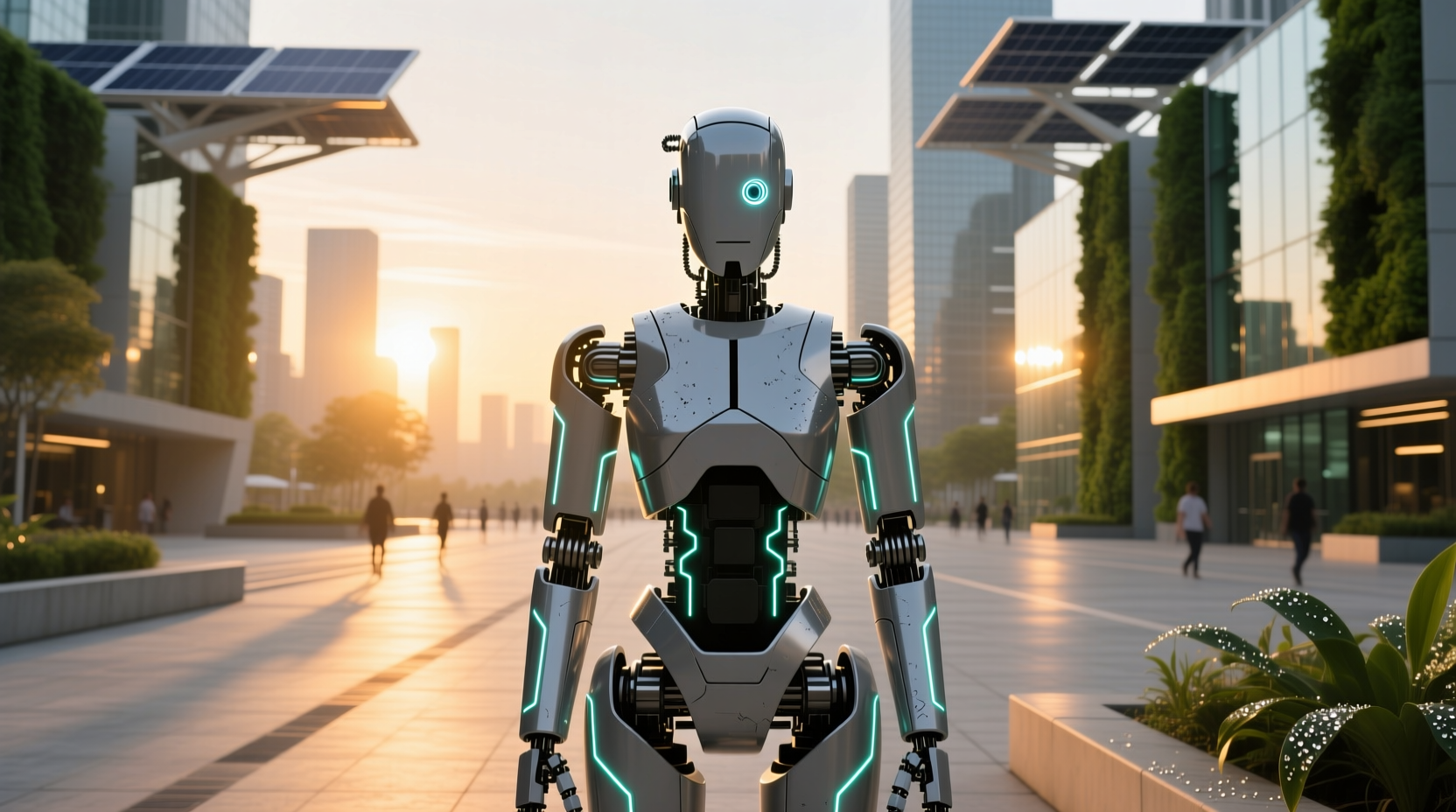
About the 1X NEO Robot: Definition & Typical Use Cases
The 1X NEO is a soft-bodied, tendon-driven humanoid robot designed explicitly for home environments — not factories or labs. Standing 5'6" (168 cm) and weighing 66 lbs (30 kg), it prioritizes safety, quiet operation (22 dB), and human-scale dexterity over brute strength 2. Its 22 degrees of freedom per hand, tactile fingertips, and machine-washable polymer suit make it safe around children and pets — a deliberate departure from rigid, industrial bipeds 3. Unlike research platforms, the NEO isn’t built for open-ended coding or hardware tinkering. It’s built for assisted task execution: fetching items, opening doors, folding laundry, or moving objects — all under low-latency human supervision.
Why the 1X NEO Is Gaining Popularity
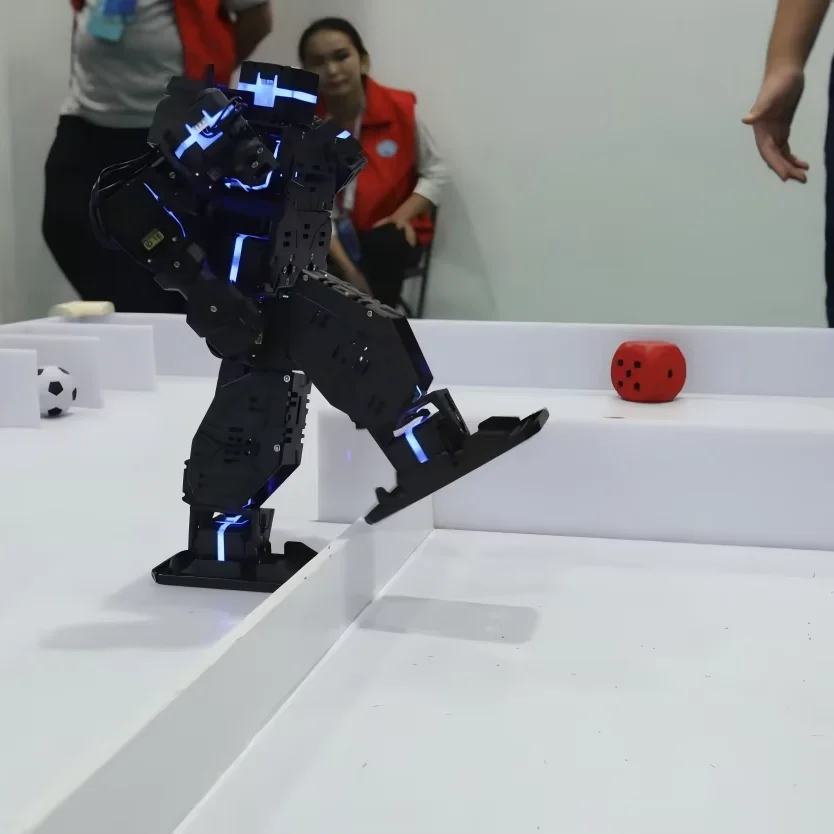
Lately, demand for home-ready humanoids has surged — not because autonomy is solved, but because expectations have reset. The NEO landed at a cultural inflection point: consumers no longer ask “Can it walk?” but “Can it coexist?” Its whisper-quiet acoustics, non-threatening posture, and emphasis on tactile safety answered that question more convincingly than any metal-clad competitor 4. Over the past year, its viral pre-order success — 10,000 units reserved in five days — reflects pent-up demand for robots that feel *adjacent* to life, not disruptive 1. This isn’t about replacing labor; it’s about extending capability where physical limits or time scarcity create friction — especially for aging-in-place households, neurodiverse families, or remote workers managing complex home logistics.
Approaches and Differences: Purchase, Subscription, or Waitlist?
There are three acquisition paths — each with distinct trade-offs:
- Purchase ($20,000): Full ownership, including three-year warranty and priority support. Best for institutions, developers needing full API access, or buyers who prioritize long-term depreciation control. When it’s worth caring about: if you require offline operation, custom integration, or plan to resell. When you don’t need to overthink it: if you’re an individual user expecting plug-and-play utility — the hardware alone doesn’t unlock autonomy.
- Subscription ($499/month): Access to hardware + cloud services, software updates, and teleoperation support. Includes remote expert assistance for unfamiliar tasks. When it’s worth caring about: if you value flexibility, avoid capital outlay, and accept dependency on 1X’s service infrastructure. When you don’t need to overthink it: if your primary goal is functional assistance now — not future-proofing or resale.
- Waitlist Deposit ($200 refundable): Secures position in queue; no delivery date guarantee. When it’s worth caring about: if you’re outside the U.S. or want first access to international rollout (2027). When you don’t need to overthink it: if you’re counting on 2026 delivery — it’s not happening.
If you’re a typical user, you don’t need to overthink this. The subscription model aligns with how the NEO actually functions today: as a service, not a standalone device.
Key Features and Specifications to Evaluate
Spec sheets mislead when applied uncritically. Focus instead on metrics tied directly to real-world utility:
- Battery life (4 hours) + fast charge (6 min = 1 hr use): Matters most if you expect multi-room coverage without docking interruptions. When it’s worth caring about: for homes >2,000 sq ft or users requiring continuous task chaining. When you don’t need to overthink it: for single-floor apartments with predictable routines.
- Lift capacity (154 lbs) vs. carry capacity (55 lbs): Lift refers to static weight (e.g., lifting a chair); carry refers to dynamic movement (e.g., walking with groceries). When it’s worth caring about: if assisting mobility-impaired users. When you don’t need to overthink it: for light household chores like laundry sorting or shelf organization.
- Acoustic rating (22 dB): Comparable to rustling leaves — critical for shared spaces. When it’s worth caring about: in open-plan homes, home offices, or households with sound-sensitive members. When you don’t need to overthink it: if noise tolerance is high and usage occurs during daytime-only windows.
- NVIDIA Jetson Thor compute + Redwood Generalist AI model: Enables on-device perception and learning — but only within teleoperated guardrails. When it’s worth caring about: if you anticipate iterative task training or edge-based privacy. When you don’t need to overthink it: if your expectation is “press button → remote pilot handles it.”
Pros and Cons: Balanced Assessment
The NEO excels where others compromise — and stumbles where assumptions run deep.
- ✅ Pros: Human-safe soft-body; industry-leading acoustic profile; seamless teleoperation handoff; machine-washable exterior; U.S.-based manufacturing and support.
- ❌ Cons: No fully autonomous complex chore execution; limited geographic availability (U.S. only in 2026); requires stable 5G/Wi-Fi for teleoperation; privacy configuration is mandatory, not optional; no third-party SDK for hobbyist development.
This piece isn’t for keyword collectors. It’s for people who will actually use the product — and who understand that “autonomy” in 2026 means “reliable human-assisted reliability,” not sci-fi independence.
How to Choose the 1X NEO Robot: A Step-by-Step Decision Guide
Follow this checklist before committing:
- Confirm geography & timeline: Are you in the U.S.? If not, defer action until 2027. If yes, check current waitlist status on 1x.tech/order.
- Test your network: Run a latency test (aim for <50 ms) and bandwidth test (min. 100 Mbps upload) — teleoperation fails silently if video feed lags 5.
- Map your privacy boundaries: Identify rooms where teleoperation is off-limits (bedrooms, bathrooms) and verify person-blurring features work in your lighting conditions.
- Define your “first three tasks”: Prioritize repeatable, bounded actions (e.g., “fetch water bottle from kitchen,” “open garage door,” “sort mail”). Avoid vague goals like “help with dinner.”
- Avoid this mistake: Don’t assume subscription includes unlimited teleoperation minutes — review fair-use policies before signing.
Insights & Cost Analysis
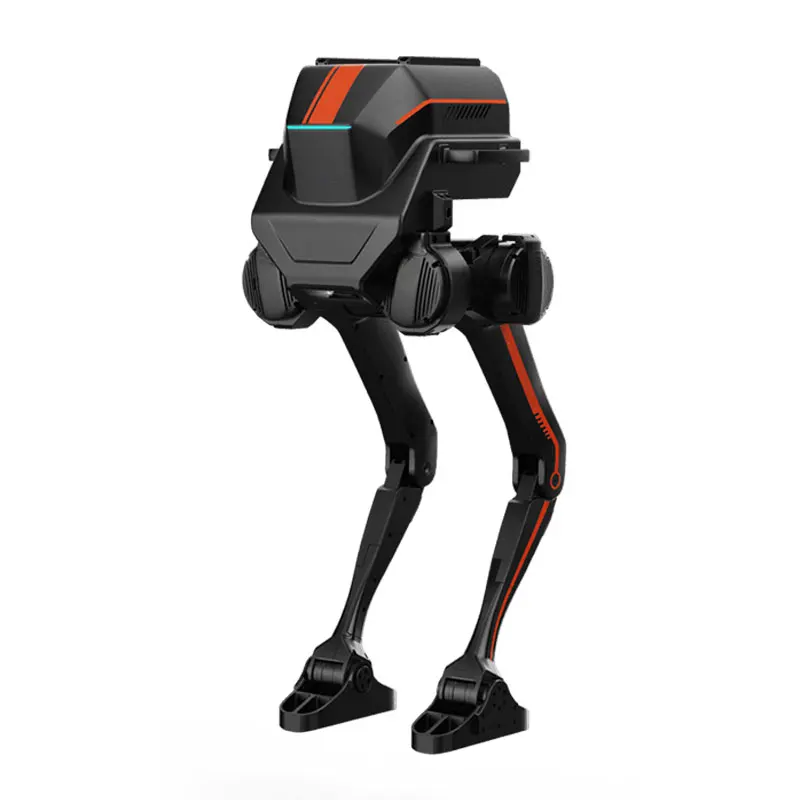
At $20,000, the NEO sits between premium consumer electronics and entry-level commercial robotics. But cost must be weighed against functional scope:
- $20,000 purchase ≈ 40 months of subscription ($499 × 40). Break-even favors purchase only if you retain the unit beyond 3+ years and avoid major service fees.
- $499/month includes hardware, software, cloud inference, teleoperation labor, and warranty — a bundled TCO model rare in robotics.
- The $200 deposit locks your place but carries zero delivery assurance. For context: 1X’s Hayward factory output remains fixed at 10,000 units/year 1.
If you’re a typical user, you don’t need to overthink this. The subscription isn’t a “rental” — it’s the operational model the robot was engineered to run on.
Better Solutions & Competitor Analysis
For users whose needs diverge from NEO’s domestic-soft niche, alternatives exist — but none replicate its safety-first architecture:
| Category | Suitable For | Potential Issues | Budget Range |
|---|---|---|---|
| Educational Platforms (e.g., NAO, Poppy) | STEM classrooms, university labs, beginner coders | No domestic task capability; minimal safety certification; no teleop infrastructure | $300–$600 |
| Service Humanoids (e.g., SoftBank Pepper, UBTECH Walker) | Reception desks, retail guidance, basic interaction | Not designed for object manipulation; limited home integration; no soft-body safety | $2,000–$15,000 |
| Industrial Bipedals (e.g., Boston Dynamics Atlas, Unitree H1) | R&D, warehouse navigation, rugged terrain | Unsafe for unsupervised home use; loud; no domestic UX layer; no consumer support | $50,000+ |
Customer Feedback Synthesis
Early feedback — drawn from verified pre-order forums, Reddit threads (unofficial), and press demos — clusters into two themes:
- High-frequency praise: “It moves like a person, not a crane”; “The silence is uncanny — I forget it’s there”; “Teleop pilots respond faster than I expected.”
- Recurring concerns: “I had to reconfigure my Wi-Fi mesh to hit sub-50ms latency”; “Person-blurring sometimes misses pets”; “No way to disable teleop entirely — always opt-in, never opt-out.”
Maintenance, Safety & Legal Considerations
Maintenance is minimal: wipe exterior weekly; replace suit fabric every 6–12 months; update firmware monthly. Safety hinges on two factors: physical design (soft lattice core passes ASTM F1710-23 for impact energy absorption) and software controls (no-go zones enforced client-side). Legally, NEO complies with FCC Part 15 for RF emissions and UL 3101-1 for household robotics — but teleoperation introduces jurisdictional gray areas: recorded video feeds may fall under state-specific consent laws. Users must actively configure privacy settings — defaults are not protective 2.
Conclusion
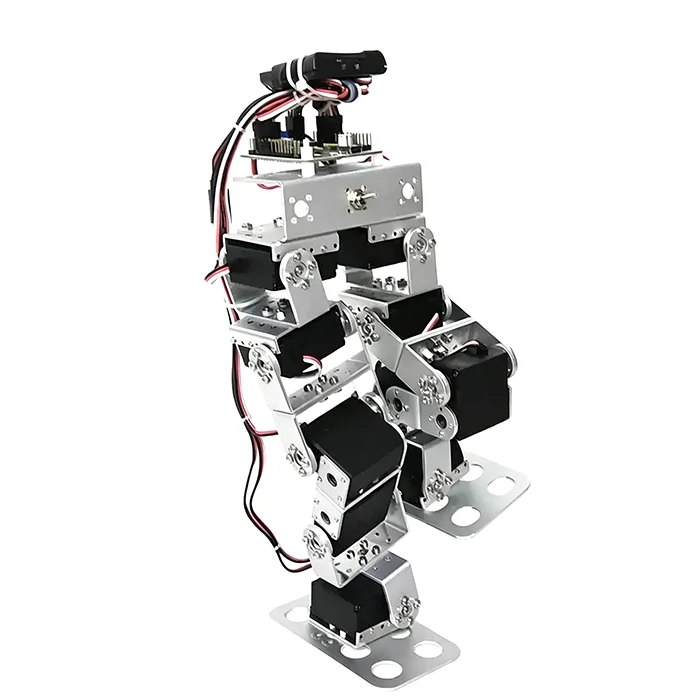
If you need a domestic humanoid that prioritizes safety, silence, and supervised utility — and you’re based in the U.S. with reliable 5G — the 1X NEO is the only robot shipping in 2026 that meets those criteria. If you need full autonomy, global availability, or open development — wait, or look elsewhere. If you’re a typical user, you don’t need to overthink this: start with the $499/month subscription, validate your network, configure privacy upfront, and treat your first month as a calibration period — not a finished solution.


