
About 1X NEO and EVE: Definitions & Typical Use Cases
1X Technologies offers two distinct humanoid platforms—not iterations of one model, but purpose-built solutions for separate domains. The NEO is a consumer-facing, bipedal home robot designed for domestic environments: navigating carpeted floors, climbing stairs, opening cabinets, and handling soft objects like clothes and towels1. Its lightweight frame (66 lbs / 29.9 kg), soft polymer lattice body, and 25-degree-of-freedom hands prioritize safe, gentle interaction with people and household items2. In contrast, the EVE is a wheeled industrial robot deployed across over 50 commercial sites—including ADT Security facilities—where reliability, endurance, and structured-task execution matter most3. EVE opens doors, operates elevators, and transports equipment in warehouses and clinics—but it cannot climb stairs or operate in cluttered living rooms.
Why 1X Humanoids Are Gaining Popularity
Lately, the humanoid market has crossed a threshold—not in hype, but in deployment readiness. Analysts project the global humanoid robot sector will reach $12 billion by 2026, with 1X positioned as a leader in both technical differentiation (soft robotics + OpenAI-backed world modeling) and go-to-market clarity4. What’s changed? Three tangible signals: first, NEO’s pre-orders opened in early 2025 with confirmed 2026 delivery timelines—not vague roadmaps5. Second, EVE’s real-world leasing at ~$50,000/year validates demand in commercial settings2. Third, production scaling targets 20,000 units per year by late 2026—indicating supply-chain maturity beyond prototype batches6. Users aren’t chasing sci-fi—they’re responding to measurable progress in safety, runtime (4 hours), and task repeatability.
Approaches and Differences: NEO vs. EVE
The core distinction isn’t “new vs. old”—it’s environmental fit. Choosing incorrectly means paying for capabilities you’ll never use—or lacking ones you critically need.
- NEO approach: Bipedal mobility + vision-language-action (VLA) learning. Learns via voice commands (“Fold these towels”), improves through OTA updates, and navigates homes without prior mapping7. When it’s worth caring about: You live in a multi-level home with stairs, pets, or children—and want assistance with physical, dexterous tasks. When you don’t need to overthink it: If your space is fully flat, open, and lacks furniture obstacles, bipedalism adds cost without benefit.
- EVE approach: Wheeled autonomy + tendon-driven actuation. Optimized for long-duration patrol, door operation, and payload transport in predictable corridors and lobbies. When it’s worth caring about: You manage security, logistics, or clinical workflows where uptime, battery longevity, and sensor redundancy are non-negotiable. When you don’t need to overthink it: If your environment changes daily (e.g., rearranged furniture, unpredictable foot traffic), EVE’s rigid path planning becomes a liability—not an asset.
Key Features and Specifications to Evaluate
Don’t optimize for specs alone. Focus on features that directly correlate with task success in your environment:
- 🧠 Hand dexterity: NEO’s 25 DoF hands enable fine manipulation (e.g., gripping fabric, turning doorknobs). EVE uses basic grippers—sufficient for boxes or trays, not socks or remotes. If you’re a typical user, you don’t need to overthink this.
- 🛡️ Safety architecture: NEO’s soft polymer lattice eliminates pinch points; EVE relies on proximity sensors and emergency stop protocols. Both meet ISO 10218-1, but NEO’s passive compliance reduces risk in shared spaces8.
- 🔋 Runtime & charging: Both deliver ~4 hours of active use. NEO charges faster (1 hour runtime per 6 minutes charging); EVE prioritizes sustained low-power patrol. Match charging speed to your workflow—not just peak runtime.
- 📍 Navigation robustness: NEO uses VLA models trained on home-scene data; EVE uses SLAM + lidar optimized for static, corridor-rich layouts. Neither handles outdoor rain or gravel well—so don’t test them there.
Pros and Cons
| Platform | Key Advantages | Real-World Limitations |
|---|---|---|
| NEO | • Safe, compliant interaction with humans and soft objects • Stair navigation & clutter tolerance • Voice-first learning loop (no coding required) |
• Not designed for heavy lifting (>5 kg) • Requires Wi-Fi + cloud connectivity for full functionality • Early-adopter software may lack edge-case handling (e.g., tangled cords) |
| EVE | • Proven field reliability across 50+ sites • Lower TCO for multi-year commercial leases • No dependency on cloud inference for core patrol tasks |
• Cannot operate on stairs or thick rugs • Limited hand versatility restricts object handling • Wheeled base struggles on thresholds >1 cm |
How to Choose the Right 1X Humanoid Robot
Follow this decision checklist—designed to eliminate ambiguity:
- Map your primary environment: Draw a floor plan. Mark stairs, rugs, thresholds, and furniture density. If stairs exist or layout changes weekly → NEO. If all floors are flat, corridors are wide, and layout is fixed → EVE.
- Define your top 3 recurring tasks: List them verbatim (e.g., “patrol perimeter after 10 PM,” “fold laundry from basket to drawer”). If >2 involve manipulation of soft, irregular, or small items → NEO. If all involve movement, monitoring, or transport of rigid objects → EVE.
- Assess infrastructure: Do you have reliable 5 GHz Wi-Fi coverage in every room? NEO needs it. Does your site have centralized power access and no frequent outages? EVE tolerates intermittent connectivity better.
- Avoid this common mistake: Assuming “more advanced” means “more useful.” NEO’s bipedalism isn’t inherently superior—it’s only superior if your home demands it. Don’t pay $20,000 for walking capability you won’t leverage.
Insights & Cost Analysis
Pricing reflects function—not ambition:
- NEO: $20,000 for early-access purchase (with $200 deposit) or $499/month subscription. Subscription defers upfront cost but delays delivery and includes cloud service fees9.
- EVE: Leased at ~$50,000/year—typically bundled with maintenance, remote diagnostics, and firmware updates. No consumer purchase option exists.
For ROI calculation: NEO’s value accrues in labor substitution (e.g., 5–7 hrs/week of household upkeep) and accessibility support. EVE’s ROI is measured in reduced guard hours or inventory cycle time. Neither replaces human judgment—but both extend human capacity where repetition or physical strain dominates.
Better Solutions & Competitor Analysis
While 1X leads in safety-first home integration, alternatives exist for specific constraints:
| Solution | Best For | Potential Issue | Budget Range |
|---|---|---|---|
| 1X NEO | Home users needing stair navigation & soft-object handling | Cloud-dependent learning; no offline mode | $20,000 (purchase) or $499/mo |
| Tesla Optimus (est.) | Users prioritizing raw compute headroom & future AI extensibility | No confirmed 2026 consumer availability; rigid frame limits home safety | Unannounced (likely >$30,000) |
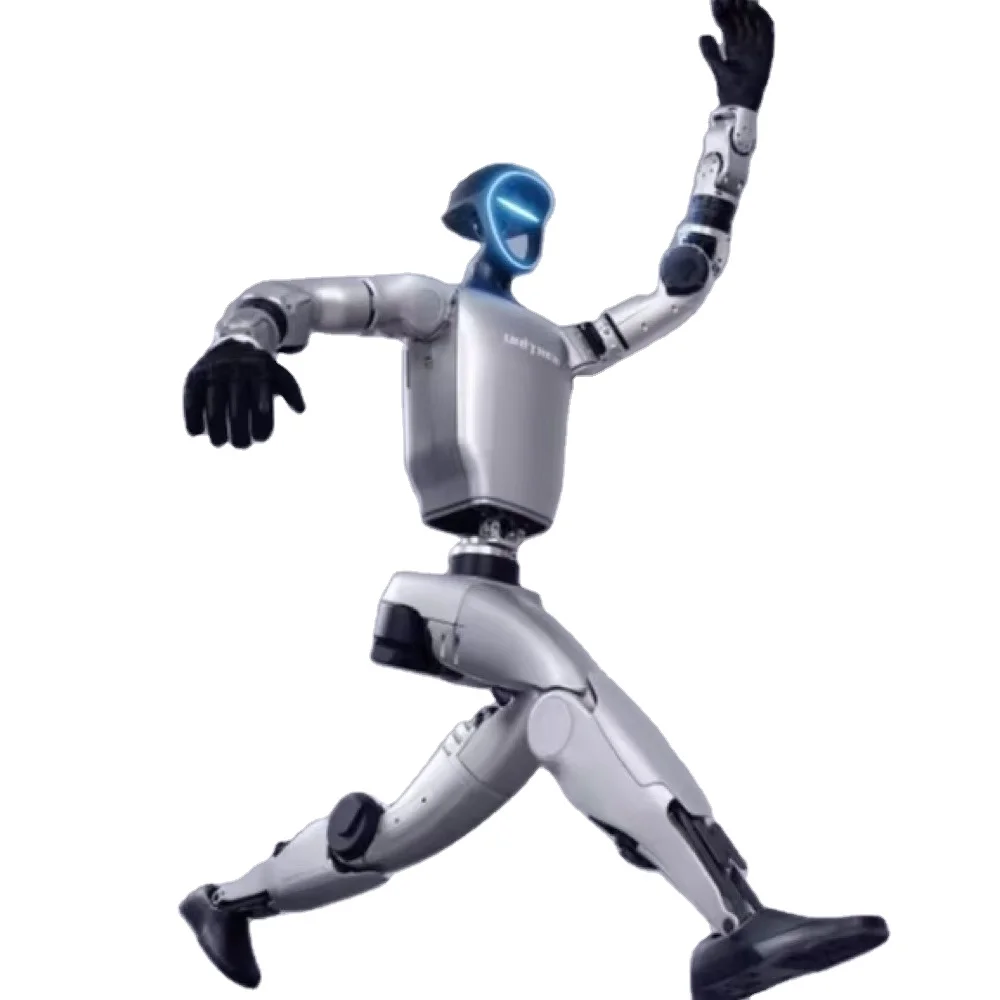
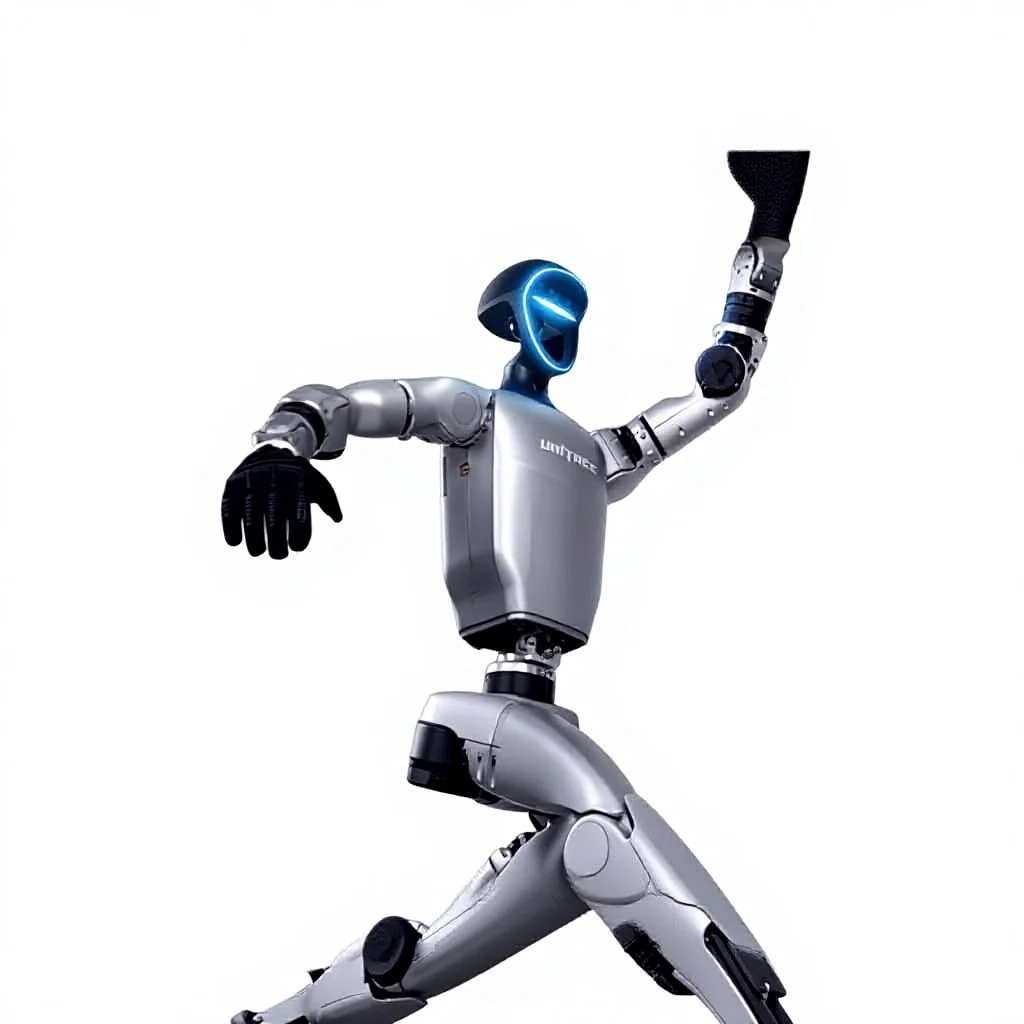
| Unitree H1 | Developers & educators seeking open SDK + lower entry cost | Limited hand dexterity; no built-in home-task training | $16,000–$18,000 |
Customer Feedback Synthesis
Early adopter feedback (from beta testers and commercial EVE clients) highlights consistent themes:
- Top 3 praised aspects: NEO’s quiet operation (<65 dB), intuitive voice command recognition (“Put dishes in dishwasher”), and graceful recovery from minor stumbles. EVE users consistently cite reliability during 12-hour night shifts and seamless elevator integration.
- Top 2 recurring friction points: NEO’s current limitation with wet or slippery surfaces (e.g., bathroom tiles post-shower); EVE’s inability to re-route around unexpected obstacles without manual override.
Maintenance, Safety & Legal Considerations
Both platforms require routine firmware updates and battery health monitoring. NEO’s soft body requires no lubrication; EVE’s tendon system needs biannual calibration by certified technicians. Legally, neither device qualifies as “autonomous” under current U.S. or EU robotics regulations—they remain supervised tools requiring human oversight. Privacy-wise, 1X states all home video processing occurs on-device unless explicitly opted into cloud analytics10. No jurisdiction currently mandates registration—but check local municipal codes for public-space deployment (e.g., sidewalk patrols).
Conclusion
If you need a robot that walks upstairs, folds laundry, and learns from casual voice prompts in a home with pets, kids, or varied flooring—1X NEO is the only viable humanoid option shipping in 2026. If you operate a warehouse, clinic, or security contract and need a rugged, wheeled assistant for repetitive, high-uptime tasks—EVE remains the industry benchmark. There is no universal “better” robot—only the better fit for your environment, tasks, and infrastructure. If you’re a typical user, you don’t need to overthink this.


