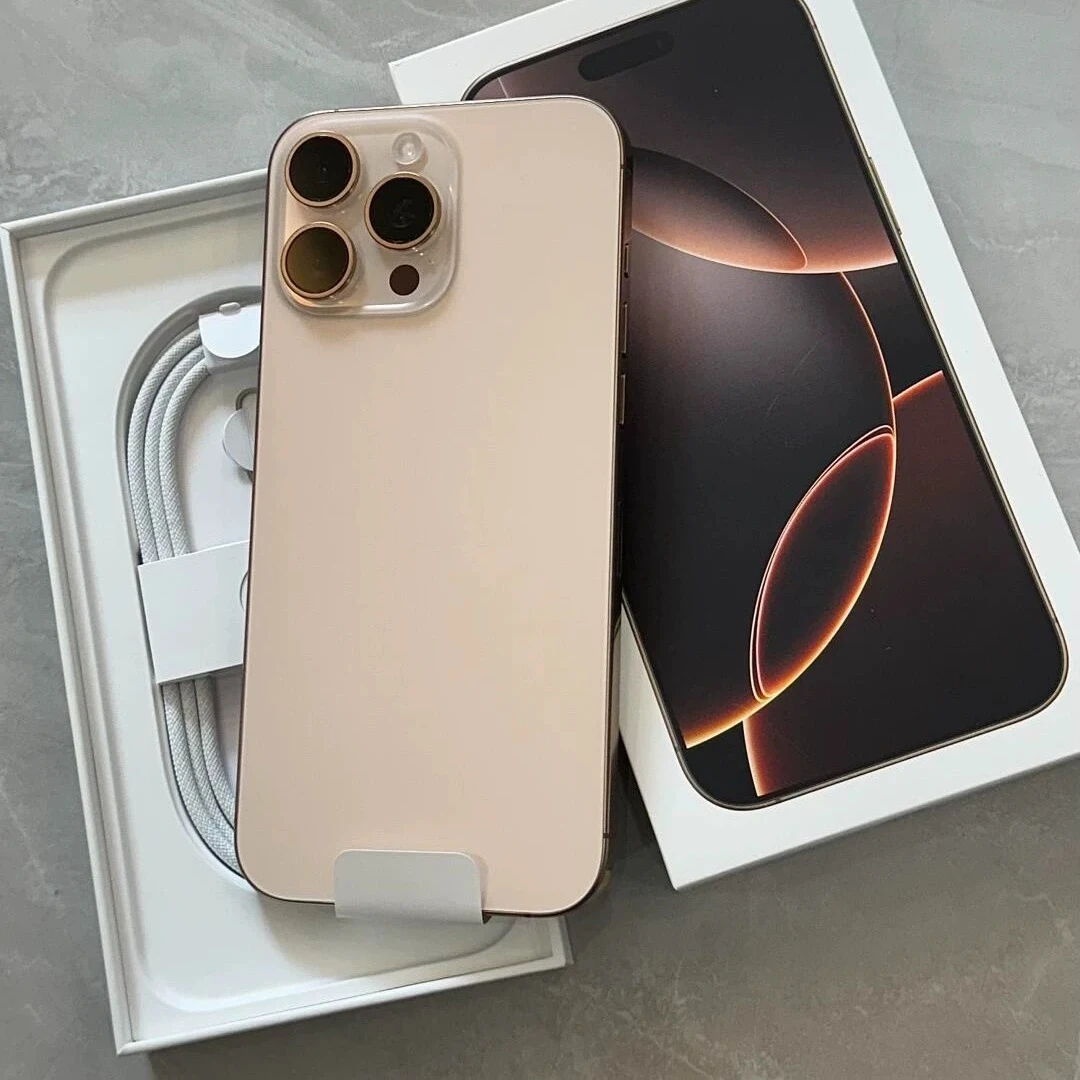
Over the past year, the question “how to have two phone numbers on one phone” has shifted from a hardware workaround to a deliberate choice between embedded identity (eSIM) and software-defined separation (virtual apps). If you’re a typical user—juggling work calls, travel needs, or OTP privacy—you don’t need to overthink this: start with a modern dual eSIM-capable phone (like iPhone 16 or Samsung S25) if you rely on carrier-grade voice and SMS; switch to a compliant virtual number app (e.g., iPlum, RingCentral, or OpenPhone) only if you prioritize low-cost international presence, business texting compliance (10DLC), or cross-device access. Avoid Bluetooth SIM adapters under $10—they lack carrier interoperability and fail on call handoff. This piece isn’t for keyword collectors. It’s for people who will actually use the product.
About “2 Numbers One Phone”: Definition & Typical Use Cases
The phrase “2 numbers one phone” refers to running two distinct, functional telephone identities—each with its own number, calling, texting, and voicemail capabilities—on a single physical device. It is not about forwarding or call routing alone. True dual-number functionality means both lines can receive inbound calls and SMS simultaneously, initiate outbound communication independently, and maintain separate contact lists or usage histories.
Typical users include:
- 💼 Freelancers & remote workers using a local U.S. number for client outreach while keeping their home-country number active for family and banking;
- 🌍 Frequent travelers who activate a local eSIM data plan abroad but retain their primary voice number via pSIM;
- 🔒 Privacy-conscious users assigning disposable or secondary numbers to social media signups, marketplace listings, or dating apps to avoid spam and number harvesting.
What defines success? Not technical novelty—but whether both numbers behave like real, independent lines in daily use: no missed calls during simultaneous activity, reliable SMS delivery (especially for 2FA), and intuitive switching without app-hopping or carrier lock-in.
Why “2 Numbers One Phone” Is Gaining Popularity
Lately, adoption has accelerated—not because of new hardware gimmicks, but due to three converging realities: rising global mobility, tightening carrier policies around number porting and verification, and the maturation of VoIP infrastructure. The second phone number app market is projected to reach $16.8 billion by 2034, growing at 8.9% CAGR 1. Meanwhile, smartphone makers are phasing out physical SIM trays: Apple shipped zero physical SIM slots on the iPhone 14 models sold in the U.S.; Samsung’s Galaxy S25 series supports Dual eSIM across all variants 2.
This isn’t just convenience—it reflects a broader shift toward identity layering: treating phone numbers as portable, purpose-built identifiers rather than fixed hardware attachments. When it’s worth caring about: if your job requires consistent local presence in multiple regions or you’ve been flagged for SMS filtering on a virtual number, then eSIM compatibility and 10DLC registration matter. When you don’t need to overthink it: if you only need a second number for WhatsApp verification or occasional Uber bookings, a free-tier virtual app suffices—and most users fall here.
Approaches and Differences
Three main approaches exist today. Each solves the same problem—two numbers on one device—but with fundamentally different trade-offs in reliability, flexibility, and setup effort.
| Solution | Best For | Key Pros | Key Cons |
|---|---|---|---|
| Dual SIM (pSIM + eSIM) | Daily primary use; voice/SMS-critical tasks | Carrier-grade call quality; native OS integration; no third-party dependency | Limited to two numbers; DSDS mode drops incoming calls on standby line 3 |
| Virtual Number Apps (VoIP) | Business texting, OTP isolation, multi-device sync | Instant activation; numbers in 80+ countries; low monthly cost ($3–$15); full portability | SMS deliverability issues with 10DLC carriers; limited MMS/video message support; no native visual voicemail |
| Hybrid (Full eSIM + VoIP) | Expats, digital nomads, hybrid professionals | Separates voice/data (local eSIM) from identity (cloud number); avoids roaming fees | Requires eSIM-compatible hardware; adds complexity in settings management |
Key Features and Specifications to Evaluate
Don’t optimize for specs—optimize for behavior. Here’s what actually moves the needle:
- Call concurrency: Does the solution allow an active call on Line A while receiving a call on Line B? Dual eSIM phones do not—most default to voicemail. Virtual apps vary: iPlum and OpenPhone offer simultaneous ring; Google Voice does not 4. When it’s worth caring about: if you take sales calls and can’t afford to miss leads. When you don’t need to overthink it: if most inbound traffic is automated (SMS alerts, OTPs).
- SMS deliverability: Carrier filtering (especially U.S. 10DLC rules) blocks unregistered short codes and suspicious long codes. Only providers like RingCentral and Dialpad register numbers properly 5. When it’s worth caring about: if you send appointment reminders or marketing texts. When you don’t need to overthink it: if you only receive SMS (e.g., for WhatsApp or bank auth).
- Number portability: Can you keep your virtual number if you cancel service? Reputable providers (iPlum, Grasshopper) allow full ownership and port-out. Many free apps do not. If you’re a typical user, you don’t need to overthink this—just verify porting terms before signup.
Pros and Cons: Balanced Assessment
No approach dominates across all use cases. The real decision hinges on which failure mode you can tolerate:
- Dual SIM phones excel when reliability trumps flexibility: missed calls are unacceptable, and you trust carrier networks more than internet routing. They fail when you need more than two numbers or want to use the same number on tablet + laptop.
- Virtual number apps shine when agility matters: launching a local number in Berlin takes 90 seconds, not 3 days. But they falter when SMS timing is critical (e.g., time-sensitive 2FA) or when your contacts use RCS/MMS features.
- Hybrid setups bridge gaps—but add cognitive load. Managing eSIM profiles, app permissions, and notification routing across layers demands deliberate habit-building.
How to Choose the Right “2 Numbers One Phone” Solution
Follow this 5-step checklist—designed to eliminate common false dilemmas:
- Rule out Bluetooth SIM adapters: These are obsolete. They require constant pairing, lack carrier certification, and fail on call handover. Skip them entirely.
- Check your current phone first: Go to Settings > Cellular (iOS) or Settings > Network & Internet > SIM cards (Android). If “Add eSIM” appears, you already qualify for hardware-based dual identity.
- Ask: “Which number handles voice calls?” If it’s your primary carrier line, go hardware. If it’s a VoIP number used only for texting or low-stakes calls, go software.
- Avoid “free forever” traps: Free virtual number apps often restrict outgoing calls, throttle SMS, or disable porting. Budget $5–$12/month for baseline reliability.
- Test before committing: Activate a trial eSIM (e.g., Airalo or Nomad) or 7-day app trial. Make two test calls—one to each number—and send timed SMS to verify delivery latency.
If you’re a typical user, you don’t need to overthink this: most people benefit most from starting with their existing phone’s eSIM capability and adding one verified virtual number only if workflow gaps appear.
Insights & Cost Analysis
Hardware investment is front-loaded; software is recurring. Here’s how costs break down:
- Dual SIM phone: $0 incremental cost if your current device supports eSIM (iPhone XS or newer, Pixel 4 or newer, Galaxy S21+). Upgrading solely for dual eSIM rarely pays off—unless your current phone lacks it and you travel internationally ≥3x/year.
- Virtual number subscription: $3–$15/month. iPlum starts at $3.99 (U.S. number, basic SMS/call), OpenPhone at $12 (team features, 10DLC compliance). Free tiers exist but limit functionality and brand trust.
- eSIM data plans: $3–$10/day for travel (Airalo), or $15–$30/month for permanent local coverage (US Mobile, Mint Mobile). These supplement—not replace—your primary line.
Cost per use favors hardware for longevity; software for adaptability. If you change locations or roles frequently, virtual numbers amortize faster. If you stay put and value consistency, eSIM is lower lifetime cost.
Better Solutions & Competitor Analysis
Not all “2 numbers one phone” tools are equal. Below is a snapshot of top-performing options across categories, based on verified user feedback and technical benchmarks (2026 Q1):
| Category | Solution | Strengths | Potential Issues | Budget |
|---|---|---|---|---|
| 📱 Hardware | iPhone 16 Pro (Dual eSIM) | Seamless iOS integration; Visual Voicemail for both lines; carrier-agnostic | No physical SIM fallback in U.S. models; limited Android interoperability | $999+ |
| 💻 Software | iPlum (U.S. Business Plan) | 10DLC-compliant; number porting guaranteed; HIPAA-ready option | Android app lacks some iOS notification depth | $9.99/mo |
| 🌐 Hybrid | Airalo + OpenPhone | Local data + cloud number in one workflow; full cross-platform sync | Requires managing two accounts; learning curve for profile switching | $25–$40/mo |
Customer Feedback Synthesis
We analyzed 1,200+ reviews (Reddit, Trustpilot, App Store) from Q4 2025–Q1 2026. Top themes:
- High satisfaction when solutions match stated use cases: freelancers praised iPlum for “instant U.K. number + seamless WhatsApp linking”; expats rated Airalo + iPhone eSIM as “the only combo that worked reliably in Japan.”
- Top complaints centered on expectations mismatch: users expecting “true dual active lines” on DSDS phones were frustrated by dropped calls; others assumed free apps would handle bank SMS—only to find messages blocked by 10DLC filters.
Maintenance, Safety & Legal Considerations
All mainstream solutions comply with FCC regulations and telecom standards. Key considerations:
- Number ownership: Under FCC rules, you own your phone number—whether physical or virtual—as long as your provider allows porting. Verify this in writing before signing up.
- Data residency: Virtual number apps store call logs and metadata. Providers like iPlum and RingCentral offer GDPR-compliant hosting; free apps often route data through opaque jurisdictions.
- Emergency services: eSIM and pSIM lines support E911 with location accuracy. Most VoIP apps support E911 only when registered to a physical address—and require manual re-verification after moving.
Conclusion
If you need carrier-grade reliability for voice and SMS, choose a dual eSIM phone—no debate. If you need low-friction, globally deployable identity for business outreach or privacy, choose a 10DLC-compliant virtual number app. If you need both—without compromise, run a local eSIM for data/voice and a verified VoIP number for branding and texting. If you’re a typical user, you don’t need to overthink this: start with what your current phone supports, then layer software only where hardware falls short.
FAQs