
If you’re a typical user, you don’t need to overthink this. For two people sharing a Nintendo Switch—whether partners, siblings, or housemates—the best starting point is Mario Kart 8 Deluxe (co-op + competitive), It Takes Two (deep co-op story), and Snipperclips (casual puzzle). These cover the three most common use cases: low-friction fun, meaningful shared progression, and zero-skill-barrier creativity. Over the past year, local multiplayer demand has grown—not declined—with 27% of console gamers naming couch co-op their favorite playstyle 1. That’s why this guide cuts past nostalgia and hype: it maps what actually works today, based on real usage patterns, hardware constraints, and demographic trends—not publisher press releases.
About 2 Person Switch Games
“2 person Switch games” refers to titles designed for exactly two players using one Nintendo Switch console—either side-by-side on TV mode or handheld mode. Unlike online-only or 4-player party games, these prioritize local co-op or competitive play with minimal setup: no second console, no subscription, no account linking. Typical scenarios include:
- A couple playing together after dinner, using Joy-Cons detached from the console;
- Roommates taking turns in a 2-player puzzle game during coffee breaks;
- A parent and teen sharing a single device without needing separate accounts or purchases.
Crucially, these are not just “games that support two players.” They’re titles engineered around asymmetry (each player has distinct roles), shared screen awareness, and low entry friction—features that make spontaneous sessions possible. If you’re a typical user, you don’t need to overthink this: avoid titles labeled “2–4 players” unless they explicitly list robust 2-player modes—many scale poorly downward.
Why 2 Person Switch Games Are Gaining Popularity
Lately, “alone together” gaming has become a measurable behavior—not just a buzzword. With over 25 million active Switch users seeking local co-op experiences 2, the trend reflects deeper shifts:
- Economic pragmatism: Avoiding $300+ per additional console and recurring online fees makes local play financially rational—not just nostalgic.
- Demographic expansion: Women under 44 prefer couch co-op more than men across nearly every age group 3; gamers aged 55+ remain underserved but highly engaged when options exist.
- Hybrid flexibility: The Switch’s design enables seamless transitions—from TV mode for Mario Kart to tabletop mode for Snipperclips—without reconfiguring controllers or networks.
This isn’t a retro revival. It’s infrastructure-aligned behavior: the hardware fits how people actually live.
Approaches and Differences
There are three primary approaches to 2-person Switch gaming—each with trade-offs in accessibility, depth, and hardware dependency:
| Approach | Best For | Key Strength | Potential Issue |
|---|---|---|---|
| Casual Party (e.g., Mario Kart 8 Deluxe, Overcooked!) |
New players, mixed skill levels, short sessions | Asymmetric controls + high replay valueCan feel chaotic or unfair if one player dominates; limited narrative payoff | |
| Cooperative Story (e.g., It Takes Two, Luigi’s Mansion 3) |
Couples, friends wanting shared goals | Designed for interdependence—no “dead weight” roleRequires sustained attention; may frustrate if pacing doesn’t match both players’ tolerance | |
| Puzzle & Creativity (e.g., Snipperclips, Untitled Goose Game) |
Non-gamers, educators, stress-free bonding | No combat or time pressure; built-in “aha!” momentsLower long-term engagement for experienced players; fewer save points |
Key Features and Specifications to Evaluate
When scanning a title, look beyond “supports 2 players.” Ask these four questions—each tied to real-world outcomes:
- Is asymmetry baked in? When it’s worth caring about: If one player consistently handles all inputs while the other watches, the game fails its core promise. When you don’t need to overthink it: Pure competitive titles like Super Smash Bros. Ultimate don’t require asymmetry—they thrive on parity.
- Does it offer a free Friend Pass or local guest mode? When it’s worth caring about: Titles like It Takes Two let Player 2 join without buying the game—critical for trial or occasional play. When you don’t need to overthink it: If both players already own the console and plan long-term use, this matters less.
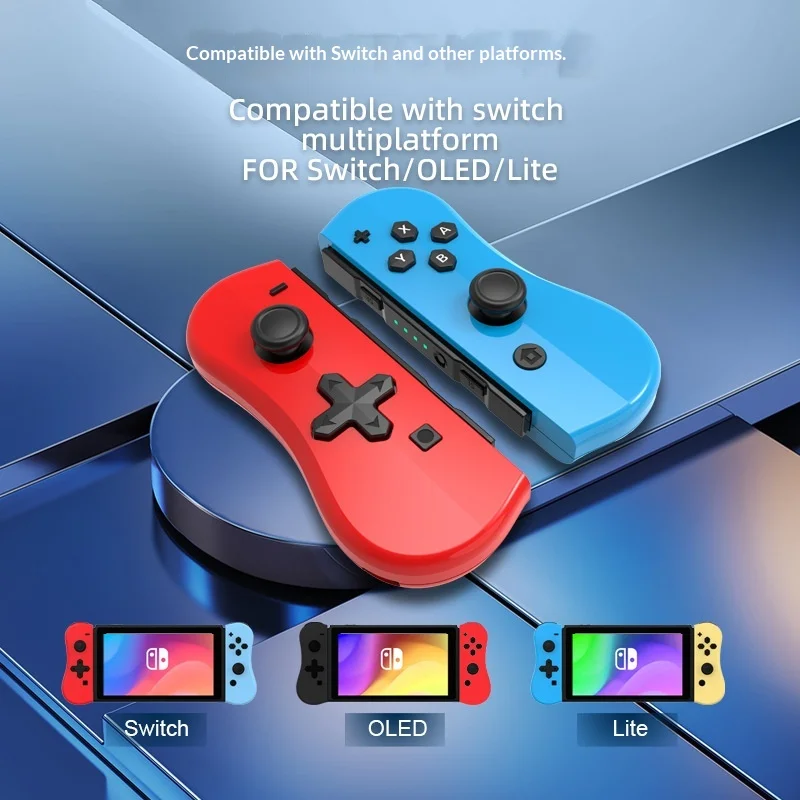
- What controller flexibility does it support? When it’s worth caring about: Games like Overcooked! benefit from Pro Controllers for longer sessions; Joy-Cons alone may fatigue wrists. When you don’t need to overthink it: For 20-minute bursts of Snipperclips, Joy-Cons are perfectly sufficient.
- How does it handle skill gaps? When it’s worth caring about: If one player is new to gaming, avoid titles demanding simultaneous precision (e.g., Rayman Legends’s rhythm sections). When you don’t need to overthink it: In pure competitive modes, skill disparity is expected—and part of the fun.
Pros and Cons
Pros:
- No recurring costs (no Nintendo Online subscription required for local play);
- Zero latency—unlike cloud or cross-platform matches;
- Stronger social presence: eye contact, laughter, shared reactions aren’t mediated by headsets or feeds.
Cons:
- Hardware bottlenecks: current Switch struggles rendering dual viewpoints smoothly—some split-screen titles drop below 30 FPS 4;
- Limited AAA investment: publishers often omit local co-op to push multi-copy sales;
- Fewer native 2-player exclusives—most rely on scaled-down versions of 4-player designs.
If you’re a typical user, you don’t need to overthink this: performance dips rarely break gameplay—just lower visual fidelity. What matters more is whether the core loop invites collaboration, not technical specs.
How to Choose 2 Person Switch Games
Follow this 5-step checklist before purchasing:
- Define your goal: Bonding? Competition? Stress relief? Match genre to intent—not just popularity.
- Check the “Player Count” filter on Nintendo eShop: Select “2 Players” only—not “2–4.” Many “2–4” games lack dedicated 2-player balancing.
- Verify controller requirements: Does it work with Joy-Cons alone? Or do you need Pro Controllers or third-party alternatives? Most do—but confirm.
- Read recent user reviews filtering for “2 player”: Look for phrases like “works great with my spouse” or “my kid and I play daily”—not just “fun with friends.”
- Avoid the “multi-copy trap”: Skip titles requiring separate purchases per player unless both are committed long-term. Prioritize Friend Pass or local guest modes.
Insights & Cost Analysis
Most top-tier 2-person titles cost $40–$60 USD. However, value differs sharply by usage pattern:
- Mario Kart 8 Deluxe ($59.99): Highest ROI for mixed groups—supports 2-player VS, co-op battles, and solo play. No extra hardware needed.
- It Takes Two ($39.99): Includes free Friend Pass—so only one copy required. ~12–15 hours of tightly paced co-op storytelling.
- Snipperclips ($29.99): Lowest barrier to entry. Works flawlessly with Joy-Cons. Ideal for non-gamers or kids.
Don’t overspend on “premium” bundles unless you’ll use all included content. A $79 “party pack” with five shallow minigame collections delivers less lasting value than one $40 title with strong 2-player design.
Better Solutions & Competitor Analysis
While standalone games dominate, newer accessories improve usability:
| Solution Type | Advantage | Limitation | Budget Range |
|---|---|---|---|
| Third-party Joy-Con grips | Improved ergonomics for extended play; no Bluetooth lag | No extra buttons or analog sticks—still Joy-Con limits | $12–$25 |
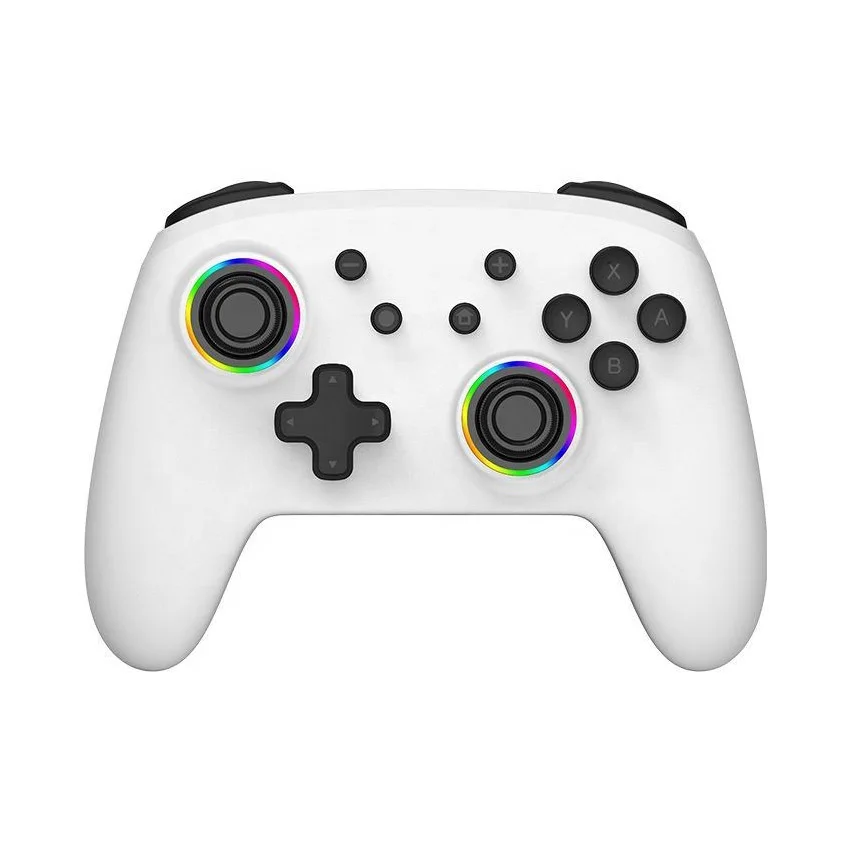
| Nintendo Switch Pro Controller | Full button layout, precise sticks, rechargeable battery | Requires USB-C charging; no motion controls for some games | $69.99 |
| Compact HDMI dock (e.g., Genki ShadowCast) | Enables portable TV mode anywhere—ideal for travel or small spaces | No official Nintendo certification; firmware updates may affect compatibility | $89–$129 |
Customer Feedback Synthesis
Based on aggregated reviews (r/NintendoSwitch, Nintendo Life forums, Eneba user comments), top recurring themes:
- Highly praised: “Instant setup,” “no learning curve,” “makes my partner laugh every time,” “works even when one of us is tired.”
- Common complaints: “Framerate drops during split-screen,” “too much screen clutter in competitive modes,” “no option to pause mid-session in some co-op titles.”
Note: Framerate issues appear most often in racing or action-heavy titles—not puzzles or story-driven games. This isn’t a universal flaw—it’s workload-dependent.
Maintenance, Safety & Legal Considerations
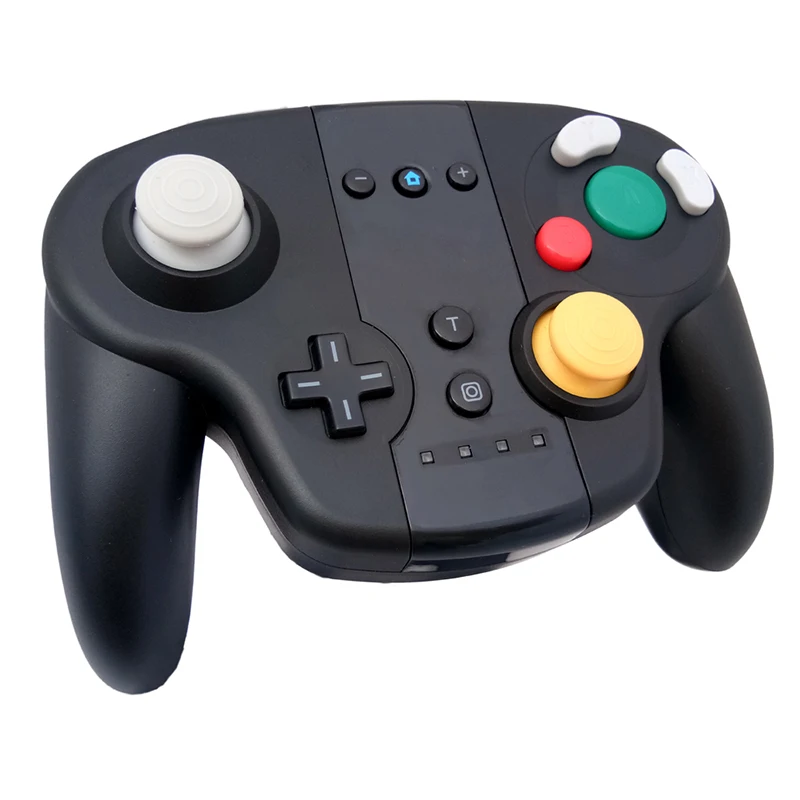
No special maintenance is required beyond standard Switch care: avoid exposing Joy-Cons to extreme heat or moisture, and clean contacts with dry microfiber cloth if syncing fails. Legally, all recommended titles comply with regional age ratings (ESRB/PEGI) and contain no unauthorized mods or DLC lockouts. Nintendo’s local multiplayer functionality remains fully supported under current system software—no policy changes have restricted 2-player access since 2020.
Conclusion
If you need zero-setup fun with anyone, choose Mario Kart 8 Deluxe.
If you need meaningful shared progression with emotional resonance, choose It Takes Two.
If you need stress-free, no-rules creativity for non-gamers, choose Snipperclips.
This piece isn’t for keyword collectors. It’s for people who will actually use the product.
If you’re a typical user, you don’t need to overthink this.


