Here’s the short answer: If you want reliable, subscription-free two-way communication for home or small business security in 2026, prioritize full-duplex audio, local storage (microSD or NVR), and IP66+ weatherproofing for outdoor use. Skip cloud-dependent models unless you already pay for AI analytics—and if you’re a typical user, you don’t need to overthink this. For renters or remote locations, solar-powered Wi-Fi 2-way audio cameras deliver strong value. For high-security zones like garages or entryways, PoE-powered 4K models with human/vehicle detection are worth the setup effort.
About 2-Way Audio Cameras: What They Are & Where They’re Used
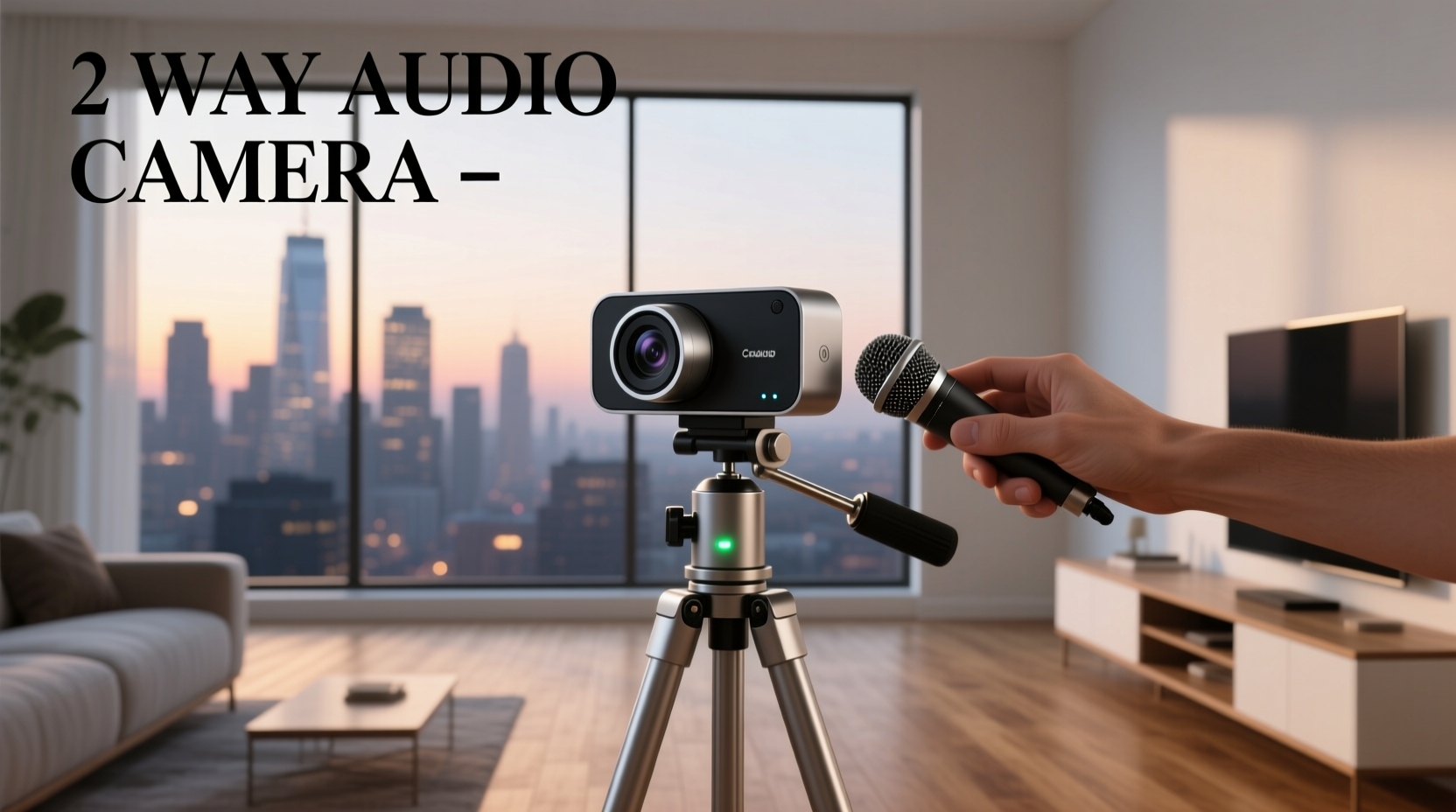
A 2-way audio camera is a security or monitoring device equipped with both a microphone and speaker, enabling real-time voice communication between the user (via smartphone app or web interface) and whoever is in front of the camera. Unlike one-way audio systems that only stream sound *to* the viewer, these devices support bidirectional interaction—like speaking to a delivery person at your door, calming a crying infant, or warning off an intruder 1.
Typical use cases include:
- Front-door monitoring: Greet visitors or deter package thieves
- Nursery or pet monitoring: Soothe babies or check on animals remotely
- Outdoor perimeter coverage: Communicate with contractors or monitor driveways
- Rental properties or temporary setups: Solar-powered units avoid wiring constraints
- Small retail or office entrances: Replace intercoms with integrated video/audio
Why 2-Way Audio Cameras Are Gaining Popularity in 2026
Lately, adoption has accelerated—not just because the tech works better, but because user priorities have shifted. Over the past year, three clear signals have emerged: rising sensitivity to monthly cloud fees, growing demand for privacy-first features, and stronger expectations for natural conversation flow 2. Consumers now treat two-way audio not as a novelty, but as a baseline requirement—especially where interaction matters more than passive observation.
This isn’t about “smartness” for its own sake. It’s about utility: reducing false alarms with AI-powered person/vehicle distinction 3, avoiding subscriptions via local recording, and gaining confidence through real-time voice response—not delayed alerts. If you’re a typical user, you don’t need to overthink this: two-way audio is no longer optional for meaningful engagement.
Approaches and Differences: Wi-Fi, PoE, and Solar-Powered Models
Today’s 2-way audio cameras fall into three dominant physical architectures—each solving different constraints. None is universally “better.” The right choice depends on your environment, infrastructure, and long-term goals.
| Approach | Best For | Key Strengths | Real-World Limitations |
|---|---|---|---|
| Wi-Fi + Battery/Solar | Renters, rural properties, temporary sites | ||
| PoE (Power over Ethernet) | Permanent installations: homes with structured cabling, offices, commercial entries | ||
| Wired Indoor (USB/DC) | Baby monitors, desk cams, nursery setups |
Key Features and Specifications to Evaluate
Don’t optimize for specs alone—optimize for outcomes. Below are the five non-negotiable criteria, each paired with when it truly matters—and when it doesn’t.
🔊 Full-Duplex Audio vs. Half-Duplex
When it’s worth caring about: Any scenario requiring back-and-forth dialogue—e.g., explaining access instructions to a guest, de-escalating a situation, or multi-person coordination.
When you don’t need to overthink it: One-off alerts (“Stop! This is private property”) work fine with half-duplex. If you’re a typical user who mostly uses voice commands to scare off porch pirates, half-duplex is sufficient.
📷 Resolution & Night Vision
1080p remains functional for identifying people within 15 feet—but 4K (8MP) delivers usable facial detail up to 30 feet 4. Color night vision (using starlight sensors or hybrid IR+white light) is now standard on mid-tier models and eliminates the disorientation of monochrome footage.
When it’s worth caring about: License plate capture, identifying faces at gates or alleys, or verifying delivery personnel.
When you don’t need to overthink it: Monitoring a backyard patio or hallway—1080p with decent IR is perfectly adequate.
🛡️ IP Rating & Build Quality
For outdoor use, IP66 is the absolute minimum. IP67 adds brief submersion resistance; IP68 offers continuous submersion—but few residential users need either. Avoid “IP65” for exposed mounting—it lacks full dust-tight protection.
When it’s worth caring about: Coastal areas, snowy climates, or locations with heavy seasonal rain.
When you don’t need to overthink it: Covered porches or garage eaves—IP65 may suffice, though IP66 remains safer long-term.
💾 Local Storage vs. Cloud-Only
Local microSD (up to 256GB) or NVR integration eliminates recurring fees and gives you control over retention duration and access permissions. Cloud-only models often throttle resolution or disable 2-way audio without subscription.
When it’s worth caring about: Privacy-conscious households, budget-conscious buyers, or areas with unreliable broadband.
When you don’t need to overthink it: Users already paying for cloud analytics (e.g., person counting, zone-specific alerts) and comfortable with vendor data policies.
🌐 Smart Ecosystem Compatibility
Matter 1.3 certification ensures cross-platform interoperability (Apple Home, Google Home, Alexa). Non-Matter cameras often lock you into one app—and voice-initiated 2-way talk rarely works outside their native ecosystem.
When it’s worth caring about: Households using multiple smart displays or planning future expansion.
When you don’t need to overthink it: Single-app users who prefer simplicity over flexibility.
Pros and Cons: Who Benefits—and Who Doesn’t
Two-way audio adds utility—but also complexity. Honest trade-offs matter more than feature counts.
- ✅ Pros: Real-time deterrence, verified visitor identity, hands-free monitoring, reduced false alarm fatigue via AI filtering, and stronger sense of presence (e.g., hearing baby stir before crying).
- ❌ Cons: Higher power demands, increased bandwidth usage (especially full-duplex), potential privacy exposure if misconfigured, and audio quality highly dependent on environmental noise and mic/speaker placement.
Best suited for: Homeowners managing deliveries or pets; small business owners monitoring entrances; renters seeking portable security; parents needing nursery interaction.
Less ideal for: Users with spotty Wi-Fi and no willingness to upgrade routers; those uncomfortable adjusting microphone gain or speaker volume manually; environments with constant high ambient noise (e.g., near freeways) without advanced noise suppression.
How to Choose a 2-Way Audio Camera: A Step-by-Step Decision Guide
Follow this sequence—not in order of preference, but in order of consequence:
- Define your primary use case first. Is it deterrence? Communication? Monitoring? Each weights features differently.
- Map your power & network constraints. No Ethernet run? Solar/Wi-Fi wins. Stable PoE infrastructure? Prioritize 4K PoE.
- Verify local storage support. If microSD or NVR compatibility isn’t listed clearly, assume cloud dependency.
- Check audio spec sheets—not marketing copy. Look for “full-duplex,” “noise cancellation,” and speaker output ≥85 dB SPL at 1 meter.
- Avoid these common pitfalls:
- Assuming “two-way audio” means full-duplex (many still use half-duplex)
- Overlooking audio latency specs (anything >300ms feels unnatural)
- Ignoring firmware update frequency—older models may lose Matter or AI features
Insights & Cost Analysis
Price ranges have stabilized across tiers—but value shifts based on architecture:
- Entry-tier Wi-Fi (1080p, half-duplex, cloud-dependent): $45–$75 — acceptable for basic alerts, but limited long-term ROI due to subscriptions.
- Mid-tier solar/Wi-Fi (2K–4K, full-duplex, microSD, AI person detection): $89–$149 — strongest balance for most homeowners and renters.
- Premium PoE (4K, full-duplex, IP66+, NVR-ready, human/vehicle classification): $179–$299 — justified for commercial-grade reliability and scalability.
Note: The $13.9 billion smart home security camera market in 2026 reflects demand for usable features—not just pixel counts 5. Spend where behavior changes: full-duplex audio and local storage consistently correlate with higher user retention and fewer support tickets.
Better Solutions & Competitor Analysis
The real differentiator in 2026 isn’t brand—it’s how features align with actual workflows. Below is a functional comparison of current architecture types—not brands.
| Category | Best Advantage | Potential Problem | Budget Range |
|---|---|---|---|
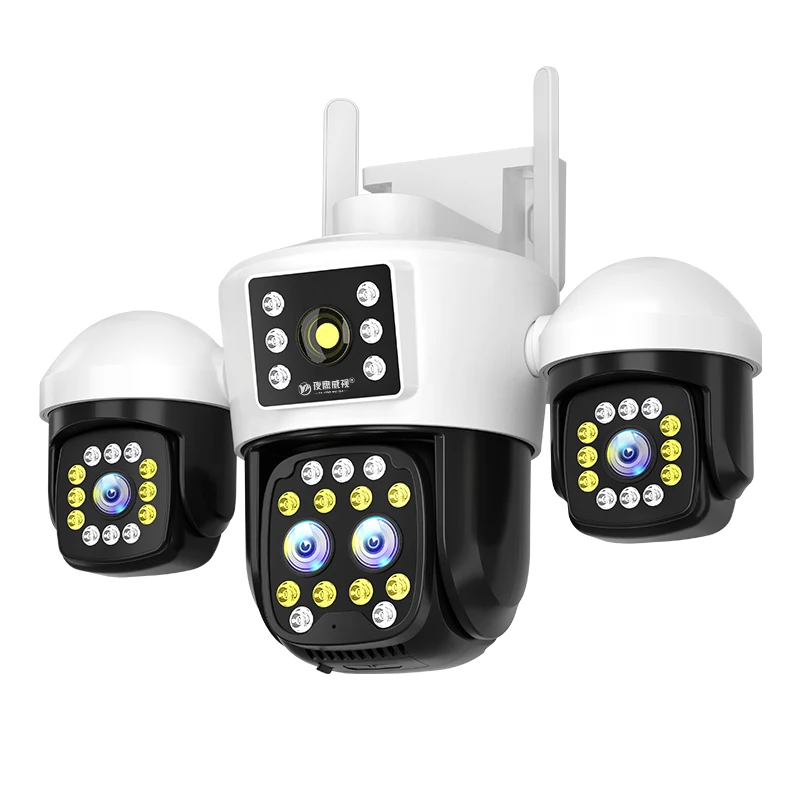
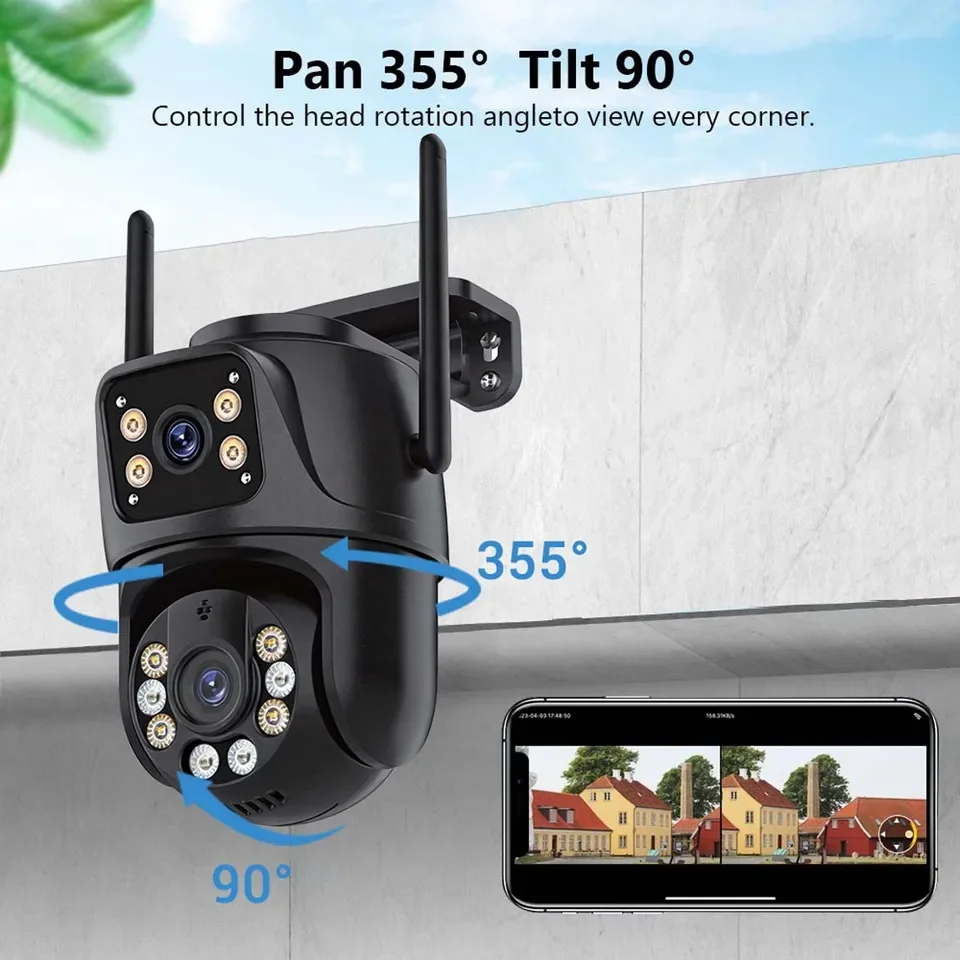
| Solar-Powered Outdoor | No wiring, no outlet needed; ideal for fences, sheds, rentals | Winter performance drops; requires unobstructed sun exposure | $89–$169 |
| Indoor Baby Monitor w/ 2-Way Audio | Crying detection + lullaby playback + room climate monitoring | Limited range; no weatherproofing; rarely supports Matter | $69–$129 |
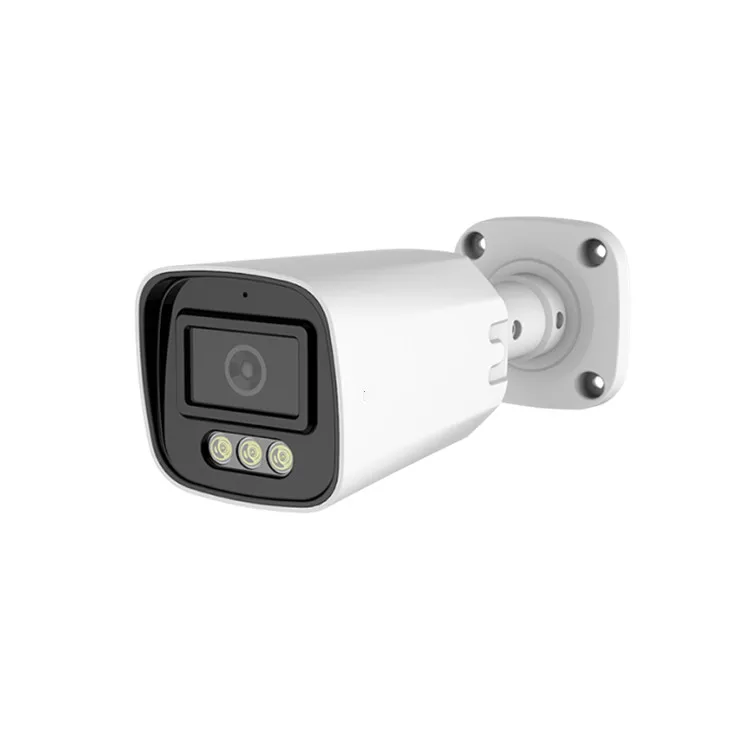
| 4K PoE Turret | Maximum image detail + stable full-duplex + AI analytics out-of-box | Professional installation recommended; less portable | $199–$299 |
Customer Feedback Synthesis
Based on aggregated reviews from CNET, Consumer Reports, and Wirecutter (2025–2026), top recurring themes:
- Highly praised: “Hearing my dog bark while I’m at work and talking back calms him instantly”; “The solar model survived 3 months without recharging—even in November.”
- Frequent complaints: “Speaker volume too low to hear over wind/rain”; “App disconnects mid-conversation”; “No way to disable cloud backup—even with SD card inserted.”
Notice the pattern: satisfaction ties directly to audio reliability and storage autonomy—not resolution or app aesthetics.
Maintenance, Safety & Legal Considerations
Two-way audio introduces unique responsibilities:
- Maintenance: Clean speaker grilles quarterly (dust blocks output); format microSD cards every 3 months to prevent corruption; update firmware when notified (security patches often fix audio sync bugs).
- Safety: Never mount speakers facing inward toward bedrooms or living rooms—audio feedback loops can damage hearing or electronics.
- Legal: In most U.S. states, recording audio without consent is illegal in private spaces (e.g., inside homes, bathrooms). Two-way audio is legally permissible when used in semi-public areas (driveways, front yards) 6. Always disclose audio capability visibly if used in shared or rental spaces.
Conclusion: Conditional Recommendations
If you need portability and zero installation, choose a solar-powered Wi-Fi 2-way audio camera with full-duplex and microSD support.
If you need maximum clarity and reliability for high-traffic zones, invest in a 4K PoE model with human/vehicle detection and local NVR integration.
If you need close-range interaction with infants or pets, prioritize indoor models with temperature sensing, cry detection, and adaptive speaker volume—not resolution.
This piece isn’t for keyword collectors. It’s for people who will actually use the product.